Disclosure: This site contains affiliate links. We may earn a commission if you make a purchase, at no extra cost to you.

Portobelo, Panama

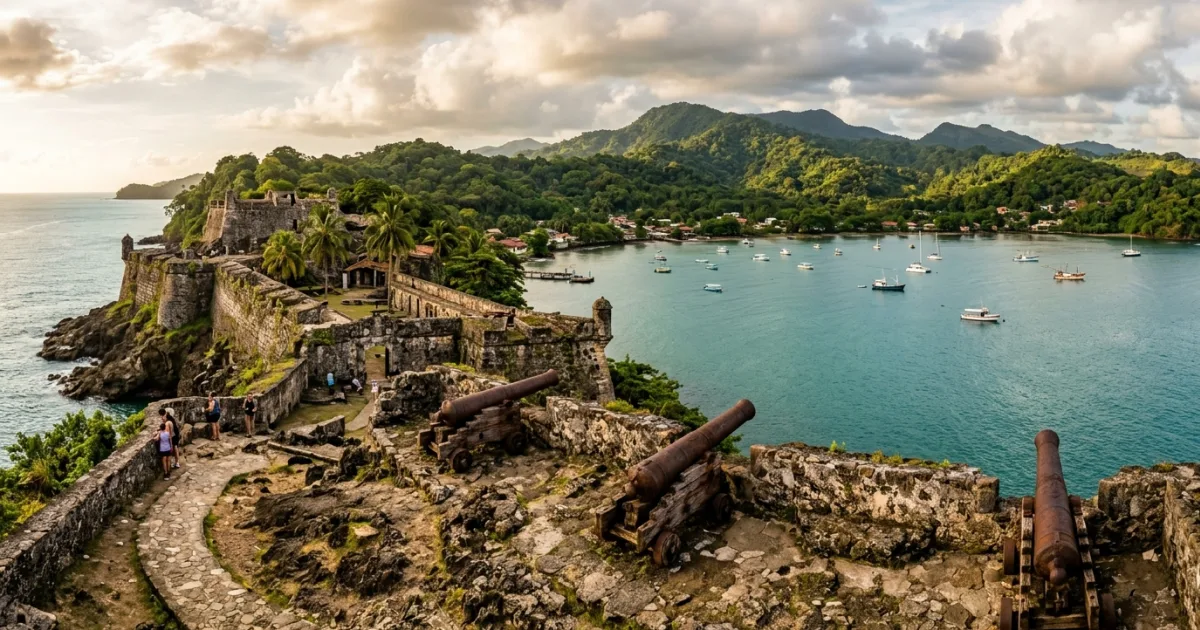
Spanish colonial stone fort and cannons overlooking the Caribbean bay in Portobelo, Panama

Portobelo, Panama Overview & Key Highlights

Portobelo is a historic coastal settlement located on the Caribbean coast of Panama, approximately 105 kilometers northeast of Panama City. Founded by the Spanish in 1597, this natural harbor served as one of the primary export points for Peruvian silver shipped home to Spain. Today, Portobelo is celebrated for its UNESCO World Heritage-designated fortifications, its deep Afro-Panamanian Congo heritage, and the revered Black Christ statue housed in the Iglesia de San Jerónimo. Travelers visit Portobelo to explore crumbling seaside battery ramparts, embark on boat excursions into tranquil Caribbean bays, and experience a distinct coastal culture characterized by vibrant drum rituals and coconut-laced gastronomy. Lush tropical rainforests flank the harbor, offering access to secluded beaches like Playa Huertas and coastal hiking trails. The village balances a sleepy Caribbean rhythm with significant historical importance, making it a key stop for cultural explorers and scuba divers.

Portobelo, Panama Travel Guide: Logistics & In-Depth Tips

Portobelo sits on a sheltered Caribbean bay on Panama's northern coast, bordered by verdant rainforest ridges. Historically known as San Felipe de Portobelo, the town served as the Atlantic terminus of the Camino Real and Camino de Cruces, overland trails that transported mined silver from South America across the isthmus to Spain's treasure fleets. As a result, Portobelo was repeatedly fortified, besieged, and sacked by notorious privateers and pirates, including Sir Francis Drake, who died and was buried at sea just outside the bay in 1596, and Sir Henry Morgan, who captured the forts in 1668.

Today, Portobelo's stone ramparts, including the Fuerte de San Jerónimo and Fuerte de Santiago de la Gloria, stand as physical witnesses to colonial maritime history. Alongside its military heritage, the town is a center of Congo culture, an artistic tradition maintained by descendants of enslaved Africans that uses satirical dance, dramatic reenactments, and rhythmic drumming to preserve resistance narratives. Coupled with vibrant marine life and access to pristine Caribbean cays, Portobelo offers a singular look at Panama's multicultural roots.

Reasons to Visit

  • Explore the 16th- and 17th-century UNESCO World Heritage Spanish fortifications facing the bay.
  • Witness the revered carved effigy of the Black Christ in the historic Iglesia de San Jerónimo.
  • Experience authentic Afro-Panamanian Congo dance, music, and vibrant visual art.
  • Board water taxis to secluded Caribbean coves like Playa Huertas and Playa Blanca for swimming and snorkeling.
  • Enjoy authentic Caribbean-style coastal cuisine featuring fresh seafood and fragrant coconut rice.

Things to Avoid

  • Avoid arriving without sufficient physical cash, as digital payment terminals and ATMs are virtually nonexistent in town.
  • Do not walk along isolated coastal tracks or desolate backstreets late at night.
  • Avoid touching or sitting on the historic coral-stone masonry and colonial iron cannons in the fortress parks.
  • Do not swim in the shallow inner harbor near the main docks due to heavy boat traffic and boat runoff.

Local Transportation Tips

Getting around the central village of Portobelo is best done on foot, as the church, main square, and primary fortress ruins sit within short walking distance of each other. To reach surrounding beaches, diving reefs, and coves, hire local open fiberglass motorboats, known as pangas, directly at the public dock. Agree on the total round-trip fare and set a concrete return pickup time with your boat captain before departure.

Travel Etiquette

  • Dress respectfully with covered shoulders and knees when entering the Iglesia de San Jerónimo, especially during religious services.
  • Ask permission before photographing residents, particularly during community Congo dance rituals or cultural presentations.
  • Greet store owners and locals with a polite 'Buenos días' or 'Buenas tardes' before requesting information or services.

Recommended Age Group

Portobelo provides a rich educational and outdoor experience, though variable terrain and basic infrastructure impact visitor suitability across demographics.

  • Babies (0-2 years): Neutral. Tropical heat, humidity, and uneven stone paths make stroller navigation difficult, though short boat rides are possible with proper life vests.
  • Kids (3-12 years): Neutral. Open cannon batteries and fortress walls lack safety railings, requiring strict supervision, though older kids enjoy the pirate history and calm beaches.
  • Teens (13-19 years): Recommended. Active teenagers will appreciate the pirate lore, snorkeling trips, secluded beaches, and historic exploration.
  • Adults (20-64 years): Recommended. Ideal for travelers interested in military history, Afro-Caribbean culture, scenic boat trips, and photography.
  • Seniors (65+ years): Neutral. Visiting the historic center and church is manageable, but climbing over rocky, uneven colonial ruins in high heat can be physically demanding.

Accessibility Level: Medium

  • The Iglesia de San Jerónimo has relatively level entrance access from the primary village street.
  • Fortress grounds feature unpaved grass, broken coral-stone ruins, and steep stairways that are generally inaccessible to standard wheelchairs.
  • Local panga boats require stepping down from high or unstable docks without hydraulic lifts or specialized boarding ramps.

Did You Know?

Famed English naval explorer and privateer Sir Francis Drake succumbed to dysentery off the coast of Portobelo in 1596 and was buried at sea in a lead coffin, which treasure hunters and maritime archaeologists continue to search for to this day.

Cool Statistics

  • Founded in 1597 by Spanish conquistador Francisco Velarde y Mercado.
  • Inscribed as a UNESCO World Heritage Site in 1980 under the title 'Fortifications on the Caribbean Side of Panama'.
  • Hosts an annual pilgrimage attracting more than 60,000 visitors every October 21st.

Address:

Portobelo, Colón Province, Panama

Find Nearby Accommodations

Basic Info

address icon

COUNTRY & Region

Panama,
Central America

ACCESSIBILITY LEVEL​

Medium
Currency icon

LOCAL CURRENCY​

Panamanian Balboa (PAB)
Price level icon
Medium
Safety Level icon

SAFETY LEVEL

Duration icon

Recommended Duration

• Full day
• 1-7 days

Electricity

electricity icon

Electricity

110-120V, 
60Hz
Plug Socket icon

Plug Type

• Type A (Flat blade)
• Type B (Flat blade with grounding pin)
Plug types
Click To View Plug Types
Portobelo, Panama is part of our
Conscious Travel collection

Activities To Do In Portobelo, Panama

Best Time To Visit Portobelo, Panama

Portobelo features a tropical rainforest climate marked by persistent warmth and frequent precipitation throughout the year.

  • Mid-December to April (Dry Season): The most favorable time for travel, featuring lower rainfall, clearer Caribbean waters for diving, and easier transit.
  • October 21 (Festival of the Black Christ): An intense cultural pilgrimage where tens of thousands of worshippers converge on the town in purple robes.
  • May to November (Wet Season): Expect heavy afternoon downpours and humid conditions, though lush greenery and smaller crowds reward off-peak travelers.

Average Temperatures Per Month

Remember to check the weather forecast a few days before the trip and before heading to the airport.

Safety Level icon

Safety Level

Portobelo is generally calmer and safer than the provincial capital of Colón, but standard situational awareness remains essential. Avoid walking alone along unlit shoreline trails or remote beach paths after dark. Keep valuables securely stowed when moving through crowded areas during the October Black Christ pilgrimage. If transiting through the Colón city bus terminal, remain inside designated passenger transit areas and avoid wandering into residential neighborhoods surrounding the depot.

The rating is based on multi-year peace, crime, and security indices. Before you go, always verify current conditions through official government travel advisories.

Emergency Numbers

Police: 104
Ambulance: 911

No internet needed • Includes local translations • Free for TravelingWiz readers

Spoken Languages

Spanish is the primary language. Afro-Panamanian Congo dialect is used in cultural performances, and English is understood by select boat captains and boutique lodge hosts.

Learn The Language

  • Hola: Hello
  • Buenos días: Good morning
  • Por favor: Please
  • Gracias: Thank you
  • ¿Cuánto cuesta el bote?: How much is the boat?
  • ¿Dónde está la iglesia?: Where is the church?
  • La cuenta, por favor: The check, please
  • Pescado del día: Fish of the day
Travel Booking Partner - TravelingWiz

Trip Cost & Budgeting for Portobelo, Panama, 2026

Everything you need to know about money while traveling
Is Portobelo, Panama expensive for tourists in 2026? Overall, Portobelo offers a moderately priced Caribbean getaway. Expect to pay around 3.00 PAB for a coffee, 2.00 PAB for a local beer, and 14.00 PAB for a mid-range restaurant meal. Our research features Human Verified prices to help you plan accurately. Use the data table below to calculate your specific daily budget based on your travel style.
Currency icon

LOCAL CURRENCY​:

Panamanian Balboa (PAB)
Price level icon
Medium
Major hotels accept cards, but local restaurants, water taxis, and small vendors in Portobelo require cash.

Per person, per day – pocket cash for small purchases.

Local: 10
Panamanian Balboa (PAB)
≈ 40 USD

Full daily spend estimation (accommodation, food, transportation, attractions).

Travel Style
Panamanian Balboa (PAB)
≈ USD ($)
Budget
50
35
Mid-range
95
75
Comfort
210
160

The Prices, Daily costs, and calculator results are estimates for planning purposes only. Actual costs may vary based on season, booking timing, personal spending habits, and currency fluctuations. TravelingWiz cannot be held responsible for discrepancies between these estimates and your final trip expenses.

  • • Eat at local fondas for traditional Afro-Panamanian seafood dishes at a fraction of hotel restaurant prices.
  • • Take public buses from Sabanitas or Colón to Portobelo instead of hiring expensive private taxis.
  • • Agree on water taxi fares with captains in advance before traveling to nearby beaches.
  • • Explore the colonial fort ruins and local historic sites independently for free or minimal entry fees.

Pre-Order Tickets

Avoid disappointment when tickets sell out — and skip the long lines by booking online in advance. You’ll often save up to 20% too.
Save up to 20%

Travel Discounts & Coupons

Save on hotels, attractions, transport, and gear — find verified discounts for smarter travel spending.
Verified Coupons

What To Pack

  • Breathable, lightweight cotton or linen clothing for high tropical humidity
  • Sturdy walking shoes with reliable traction for slick stone fortresses and unpaved pathways
  • Reef-safe sunscreen and eco-friendly bug spray with DEET
  • Waterproof dry bag for boat journeys across the bay to nearby beaches
  • Compact umbrella or lightweight packable rain jacket for sudden Caribbean downpours
  • Modest cover-up clothing for visiting the Iglesia de San Jerónimo
We couldn't find tips for Portobelo, Panama.
If you got any, please share

Recommended Itineraries for Traveling to Portobelo, Panama

We couldn't find itineraries for Portobelo, Panama.
you can contact us for custom trip plan

Food & Drink Highlights

Local Food Overview

Gastronomy in Portobelo reflects a rich Afro-Caribbean heritage shaped by centuries of coastal isolation and local fishing traditions. Meals typically center on fresh snapper, octopus, or sea bass cooked with aromatic spices, Scotch bonnet peppers, culantro, and fresh coconut milk. Side dishes include classic patacones (crisp twice-fried green plantains) and coconut-infused rice and beans. Street vendors occasionally fry whole plantains or offer ceviche steeped in lime juice and onions in small cups.
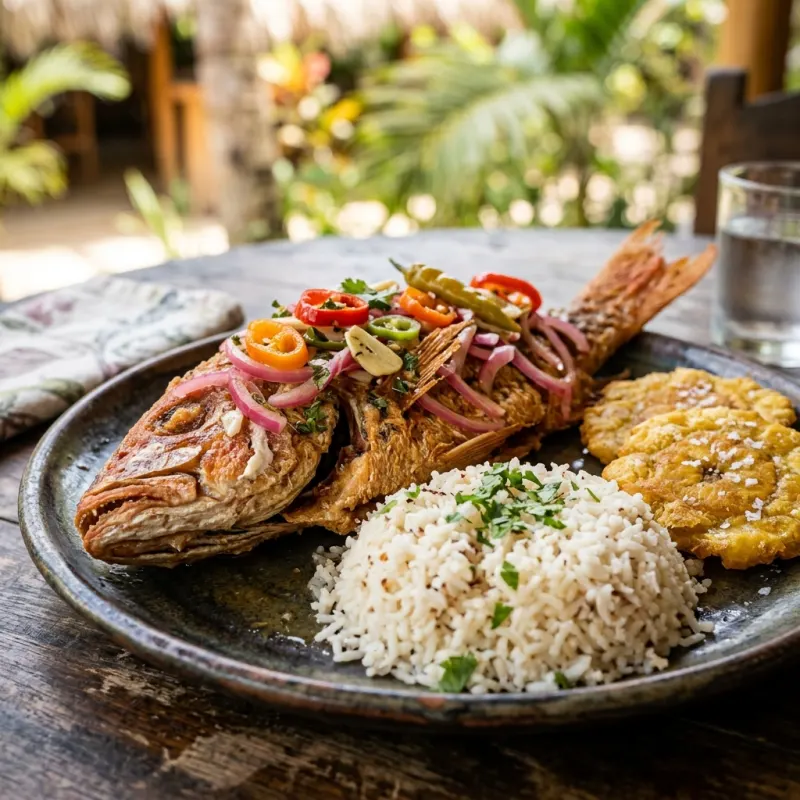
Afro-Caribbean fried snapper with escabeche sauce and coconut rice in Portobelo

Must Try Dish

Pescado al Escabeche con Arroz con Coco - A whole fresh catch lightly fried and marinated in a piquant pickled sauce of vinegar, onions, and sweet-and-spicy chili peppers. It is traditionally served alongside fluffy rice simmered in fresh coconut milk and crisp salted plantains.
Food Experiences Title Icon

Food
Experiences

Discover cooking classes, tastings and local food tours

No food experience found
Maya, the human travel expert at TravelingWiz, offering curated, non-AI expertise

Maya’s Final Checklist for Portobelo, Panama

Logistics shouldn’t be the focus of your trip—the experience should. I’ve hand-vetted these essential partners to ensure your arrival, stay, and exploration are as smooth as an Athenian breeze.

Where to Stay

From boutique hotels to local apartments—compare thousands of options and find the perfect stay in the best neighborhood.

Air Travel

Getting there should be seamless. Compare the best routes and prices across top airlines to start your journey on the right note.

Local Guides

Connect with experts who know the destination best. Get personalized advice and insider tips to help you plan your perfect trip.

Travel Protection

The “Engineer’s” rule: always have a backup. Secure your trip with a plan that covers every “what if” and unexpected change.

Car Rentals

Explore at your own pace with total freedom. Compare reliable rental options and find the right vehicle for your adventure.

Visa Services

Don’t let paperwork slow you down. Get expert assistance with your application to ensure all your entry documents are in order.

FAQs

Yes, Portobelo is located approximately two hours by car from Panama City via the Transisthmian Highway and the Costa Arriba road, making it a viable day trip.
No, there are no working ATMs in Portobelo. Travelers must withdraw sufficient cash in Panama City or Sabanitas prior to arrival.
The wooden statue of the Nazarene of Portobelo dates to the 17th century and is credited with numerous regional miracles, drawing tens of thousands of pilgrims annually on October 21.
Playa Blanca, Playa Huertas, and Isla Grande are accessible via short water-taxi trips departing from the public docks in Portobelo bay.

Your Insights Matter

TravelingWiz grows through the stories of our community. If you’ve recently explored ,Portobelo, Panama share your tips and stories to help us perfect our guides for the next traveler.

Related Articles

Check out our related articles and blog posts to learn even more about the destination.

No related articles found

Don’t Travel Alone

Share with your friends and family

Where should we send your offline card?

We hate spam just as much as you do

newsletter_consent *