Disclosure: This site contains affiliate links. We may earn a commission if you make a purchase, at no extra cost to you.

>
>
>
San Blas Islands

San Blas Islands

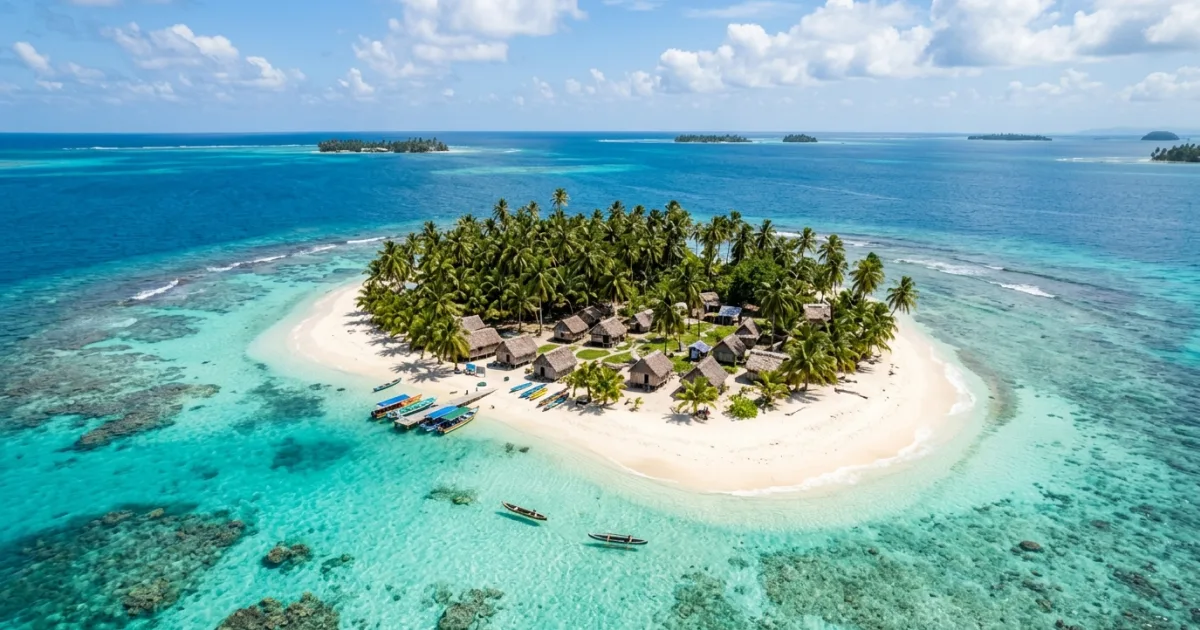
Aerial view of a pristine tropical island in San Blas Panama with white sand, palm trees, and turquoise water

San Blas Islands Overview & Key Highlights

The San Blas Islands, an archipelago of approximately 365 coral islands and cays scattered along Panama's Caribbean coastline, comprise the autonomous indigenous territory known as Guna Yala. Under the strict governance of the Guna people, the region remains free from corporate mega-resorts and high-rise developments, preserving pristine white-sand shores, thriving coral reefs, and traditional maritime living. Only around 50 of the islands are permanently inhabited, while the rest exist as untouched palm-fringed sandbars surrounded by crystal-clear Caribbean waters. Reaching this remote destination requires a four-wheel-drive crossing through the mountainous jungle of the continental divide, followed by a wooden panga water taxi from the port of Cartí, or arrival via chartered sailing vessel. Life on the islands is deliberately off-grid, characterized by solar-powered thatched beach huts, freshly caught seafood, and calm anchorages. Travelers come here to unplug completely, explore untouched marine life, and witness the resilient, centuries-old social structures and textile traditions of the Guna community.

San Blas Islands Travel Guide: Logistics & In-Depth Tips

Stretching roughly 140 miles along Panama's northeastern Caribbean seaboard, the San Blas archipelago stands out as one of the few tropical regions globally that remains fully administered by its native inhabitants. Governed by the autonomous Comarca Guna Yala, established after the Dule Revolution of 1925, the area enforces strict communal ownership laws: non-Guna individuals and foreign entities are constitutionally prohibited from purchasing land or building commercial ventures here. This protective barrier has shielded the islands from international hotel chains, leaving a seascape composed of crystalline shallows, intact barrier reefs, and sandbars shaded by dense coconut canopies.

Travelers navigating the islands discover two parallel worlds: densely populated cultural cays like Cartí Sugdup, where thatch-roof houses stand shoulder-to-shoulder alongside community gathering halls (Congreso), and outer uninhabited atolls where visitors camp or sleep in open-air palm huts. Life follows natural rhythms dictated by tidal flows and wind. Engaging with San Blas demands flexibility and an appreciation for unplugged simplicity, where days are spent snorkeling Spanish shipwrecks, purchasing hand-stitched mola tapestries from village elders, and drifting between untouched cays.

Reasons to Visit

  • Witness completely intact coral reef ecosystems and clear Caribbean sandbars free of commercial development.
  • Experience the living heritage, social autonomy, and traditional crafts of the indigenous Guna people.
  • Enjoy complete digital detoxification in secluded, off-grid beachfront eco-cabins.
  • Sail between remote, uninhabited tropical islands with world-class anchorage conditions.
  • Taste exceptionally fresh seafood caught daily by local free-divers and spear-fishermen.

Things to Avoid

  • Do not arrive without enough physical cash; there are no ATMs, and card machines do not function.
  • Avoid bringing hard-shell suitcases; soft duffle bags and waterproof dry bags fit much better in narrow panga speedboats.
  • Do not take photos of Guna people or their children without asking and obtaining permission first.
  • Avoid touching, standing on, or collecting live coral, starfish, or conch shells from the protected reefs.
  • Do not take coconuts off the trees or ground; in Guna culture, every coconut tree is owned by a specific family, and taking nuts is considered theft.

Local Transportation Tips

Transit to and around San Blas operates via a coordinated two-step logistics network. The first leg requires an authorized 4x4 SUV journey from Panama City over the steep, twisting jungle roads of the Cordillera de San Blas to the port of Cartí (taking approximately 2.5 to 3 hours). At Cartí, travelers board open wooden or fiberglass panga motorboats operated by Guna boat captains, which navigate the river mouth out to the open sea and island cays. For inter-island travel, visitors rely on water taxis prearranged through their island host or charter small motorized boats. Sailing catamarans and monohulls provide an alternative all-in-one transport and accommodation mode across outer archipelagos like the Holandes Cays.

Travel Etiquette

  • Dress modestly when visiting populated indigenous community islands; swimsuits should be confined to tourist cays and uninhabited beaches.
  • Respect the local authority of the Saila (traditional spiritual and political village leader) when entering a community island's congreso building.
  • Always ask permission before snapping photographs of women wearing traditional molas and wini bead bracelets.
  • Never leave plastic or non-biodegradable trash behind on the islands; carry all waste back to the mainland for proper disposal.
  • Refrain from haggling aggressively over handmade mola textiles, which require weeks of intricate needlework to produce.

Recommended Age Group

The San Blas Islands feature remote, rugged conditions with rustic infrastructure that reward adventurous, self-reliant travelers while posing challenges for those needing modern medical amenities.

  • Babies (0-2 years): Not Recommended. Island transfers involve bumpy 4x4 rides and wet speedboat passages across choppy waters, with zero emergency pediatric facilities or immediate access to hospitals.
  • Kids (3-12 years): Neutral. Adventurous older children who swim comfortably can enjoy the sandbars and snorkeling, but limited sanitation, off-grid power, and basic food menus require high adaptability from parents.
  • Teens (13-19 years): Recommended. Teenagers generally thrive with the off-grid watersports, snorkeling shipwreck sites, kayaking, and experiencing a completely preserved indigenous way of life.
  • Adults (20-64 years): Recommended. Perfect for couples, solo travelers, and groups seeking eco-adventures, sailing expeditions, tropical photography, and authentic cultural immersion.
  • Seniors (65+ years): Neutral. Active, mobile seniors comfortable with climbing in and out of wet boats onto unpaved beach docks will enjoy the tranquility, but those with limited mobility or chronic health issues will find the lack of medical access and rough transit difficult.

Accessibility Level: Medium

  • Island access requires boarding open panga speedboats directly from low, unpaved docks or wet wading through shallow shore waters.
  • Lodging consists of sand-floor or wood-plank cabins lacking ramps, grab bars, or zero-threshold entryways.
  • Island footpaths are composed of loose coral sand, exposed palm roots, and uneven terrain unsuitable for standard wheelchairs or mobility aids.
  • There are no accessible bathrooms, roll-in showers, or paratransit services anywhere within the archipelago.
  • Travelers with severe mobility limitations should consider fully crewed catamaran charters equipped with hydraulic stern platforms, arranged via private mainland operators.

Did You Know?

The Guna people operate under a matrilineal society, where property, land, and family heritage are traditionally passed down through the female lineage, and a groom moves into the bride's family home upon marriage.

Cool Statistics

  • 365: Estimated total number of islands and cays in the San Blas archipelago—one for every day of the year.
  • 49: Approximate number of islands permanently inhabited by the Guna indigenous population.
  • 1925: Year of the Guna (Dule) Revolution, which established regional sovereignty and customary legal autonomy from Panama.
  • 0: Total number of foreign-owned corporate chain hotels or resorts permitted inside the comarca.

Address:

San Blas Islands, Panama

Find Nearby Accommodations

Basic Info

address icon

COUNTRY & Region

Panama,
Central America

ACCESSIBILITY LEVEL​

Medium
Currency icon

LOCAL CURRENCY​

United States Dollar (USD)
Price level icon
High
Safety Level icon

SAFETY LEVEL

Duration icon

Recommended Duration

• 1-7 days
• Full day

Electricity

electricity icon

Electricity

110-120V, 
60Hz
Plug Socket icon

Plug Type

• Type A (Flat blade)
• Type B (Flat blade with grounding pin)
Plug types
Click To View Plug Types
San Blas Islands is part of our
Off-Grid Glamping collection

Activities To Do In San Blas Islands

Best Time To Visit San Blas Islands

The San Blas archipelago features a tropical maritime climate characterized by two distinct seasons, each offering a noticeably different travel experience.

  • Dry Season (December to April): Features trade winds that create excellent sailing conditions and clearer skies, with minimal rainfall. The trade winds can cause choppier boat transfers between outer cays, but underwater visibility remains strong for snorkeling.
  • Rainy / Calm Season (May to November): Marked by glassy, ultra-calm ocean surfaces ideal for kayaking and paddleboarding. Short, heavy tropical downpours typically occur in the mid-afternoon, giving way to clear mornings and evenings with lower trade winds and fewer travelers.

Average Temperatures Per Month

Remember to check the weather forecast a few days before the trip and before heading to the airport.

Safety Level icon

Safety Level

The San Blas Islands maintain a low violent crime rate due to the autonomous security oversight of the Guna General Congress. Maritime safety is the primary consideration: always wear life jackets during water taxi transfers, as the open ocean stretches between Cartí and outer cays can experience heavy swells. Keep all valuables sealed in waterproof dry bags during sea transit. Be mindful of falling coconuts under wild groves, wear water shoes to avoid stepped-on sea urchins or stingrays in sandy shallows, and stay within designated swim areas to avoid strong rip channels between neighboring atolls.

The rating is based on multi-year peace, crime, and security indices. Before you go, always verify current conditions through official government travel advisories.

Emergency Numbers

Police: 104
Ambulance: 911

No internet needed • Includes local translations • Free for TravelingWiz readers

Spoken Languages

Guna (Dulegaya) and Spanish. Limited English is spoken by select tour guides and sailboat captains.

Learn The Language

  • Na (Guna): Hello / Good morning
  • Nuedi (Guna): Thank you
  • Eye (Guna): Yes
  • Suli (Guna): No
  • Degite (Guna): Goodbye
  • ¿Cuánto cuesta? (Spanish): How much does it cost?
  • Por favor (Spanish): Please
  • Agua potable (Spanish): Drinking water
Travel Booking Partner - TravelingWiz

Trip Cost & Budgeting for San Blas Islands, 2026

Everything you need to know about money while traveling
Is San Blas Islands expensive for tourists in 2026? Yes, visiting San Blas is relatively pricey due to remote island logistics and Guna Yala entrance fees. Expect to pay around $4 for a coffee, $2.50 for a local beer, and $15 for a fresh meal. These Human Verified prices reflect current costs for tours, rustic accommodations, and food. Use the data table below to calculate your specific daily budget based on your travel style.
Currency icon

LOCAL CURRENCY​:

United States Dollar (USD)
Price level icon
High
San Blas is strictly cash-only with no ATMs or card machines, so bring cash for all expenses.

Per person, per day – pocket cash for small purchases.

Local: 17
United States Dollar (USD)
≈ 60 USD

Full daily spend estimation (accommodation, food, transportation, attractions).

Travel Style
United States Dollar (USD)
≈ USD ($)
Budget
90
65
Mid-range
165
115
Comfort
360
240

The Prices, Daily costs, and calculator results are estimates for planning purposes only. Actual costs may vary based on season, booking timing, personal spending habits, and currency fluctuations. TravelingWiz cannot be held responsible for discrepancies between these estimates and your final trip expenses.

  • • Book all-inclusive island packages directly with Guna hosts to avoid agency markups.
  • • Bring plenty of USD cash in small bills ($1, $5, $10) because there are no ATMs.
  • • Buy snacks, bottled water, and drinks in Panama City before heading out.
  • • Visit during shoulder season for lower island stay rates and smaller crowds.

Pre-Order Tickets

Avoid disappointment when tickets sell out — and skip the long lines by booking online in advance. You’ll often save up to 20% too.
Save up to 20%

Travel Discounts & Coupons

Save on hotels, attractions, transport, and gear — find verified discounts for smarter travel spending.
Verified Coupons

What To Pack

  • Waterproof dry bag (20-30L) to safeguard electronics during boat transfers
  • Biodegradable reef-safe sunscreen to protect fragile coral ecosystems
  • High-potency insect repellent for sandflies during twilight hours
  • Personal snorkel, mask, and fin set for impromptu reef exploration
  • Portable power bank (minimum 20,000 mAh) due to limited generator/solar charging
  • Quick-drying microfiber towels and lightweight UV rash guards
  • Crisp, small-denomination US Dollar bills ($1, $5, $10, $20) as ATMs do not exist
  • Slip-on water shoes or booties for navigating coral shallows and sea urchins
  • Headlamp or compact flashlight with red-light mode for nighttime hut navigation
  • Original passport for the official Guna Yala territorial border checkpoint
We couldn't find tips for San Blas Islands.
If you got any, please share

Recommended Itineraries for Traveling to San Blas Islands

We couldn't find itineraries for San Blas Islands.
you can contact us for custom trip plan

Food & Drink Highlights

Local Food Overview

Dining in Guna Yala is rustic, seasonal, and tied directly to the Caribbean Sea. Island cooks prepare daily meals based on the morning catch, emphasizing whole fried red snapper, spiny lobster, king crab, and giant octopus. Accompaniments are traditional and hearty, almost always featuring coconut rice (arroz con coco) cooked with freshly grated coconut milk, fried green plantains (patacones), and light cabbage slaw. Packaged condiments are scarce, and fresh produce is brought in weekly from mainland river valleys. Sweet coconut bread, baked over hot coals, is a customary morning treat sold by local families traveling between islands by wooden dugout ulu canoes.
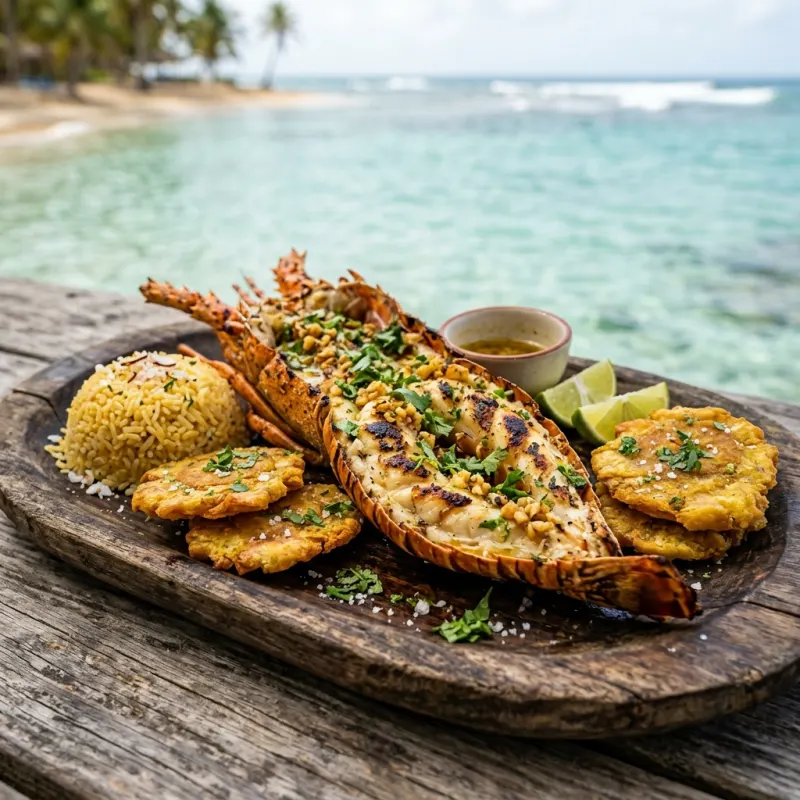
Freshly grilled spiny lobster served with coconut rice and patacones on a beach table in San Blas

Must Try Dish

Langosta Criolla al Ajillo - Spiny Caribbean lobster caught daily by Guna free-divers, split and sauteed in garlic-infused butter over open flame. Served alongside fragrant coconut rice and twice-fried patacones, it offers sweet, smoky seafood flavor in an unpretentious oceanfront setting.
Food Experiences Title Icon

Food
Experiences

Discover cooking classes, tastings and local food tours

No food experience found
Maya, the human travel expert at TravelingWiz, offering curated, non-AI expertise

Maya’s Final Checklist for San Blas Islands

Logistics shouldn’t be the focus of your trip—the experience should. I’ve hand-vetted these essential partners to ensure your arrival, stay, and exploration are as smooth as an Athenian breeze.

Where to Stay

From boutique hotels to local apartments—compare thousands of options and find the perfect stay in the best neighborhood.

Air Travel

Getting there should be seamless. Compare the best routes and prices across top airlines to start your journey on the right note.

Local Guides

Connect with experts who know the destination best. Get personalized advice and insider tips to help you plan your perfect trip.

Travel Protection

The “Engineer’s” rule: always have a backup. Secure your trip with a plan that covers every “what if” and unexpected change.

Car Rentals

Explore at your own pace with total freedom. Compare reliable rental options and find the right vehicle for your adventure.

Visa Services

Don’t let paperwork slow you down. Get expert assistance with your application to ensure all your entry documents are in order.

FAQs

Yes. Guna Yala is an autonomous territory within Panama with official border checkpoints operated by the Guna General Congress. You must present your physical passport (with a valid Panamanian entry stamp) and pay the regional entry tax in cash at the border.
No. Most islands operate strictly off-grid using small solar panels or diesel generators that run for only a few hours in the evening (usually 6:00 PM to 10:00 PM). Cellular reception is spotty and limited primarily to the Digicel or +Móvil networks on islands closer to the mainland, while Wi-Fi is virtually nonexistent.
Always ask for explicit permission before photographing any Guna individual, particularly women wearing traditional mola dresses and wini beaded leg wraps. Many community members prefer not to be photographed, while others may ask for a small cultural fee ($1 to $2) per photograph.
Lodging on most islands consists of minimalist, rustic eco-cabins constructed from wild bamboo and thatched palm fronds, often with sand floors and shared bathroom facilities. Fresh running water is limited and brought over in jugs or pumped from mainland rivers. High-end comfort is found almost exclusively by chartering a private sailing catamaran.

Your Insights Matter

TravelingWiz grows through the stories of our community. If you’ve recently explored ,San Blas Islands share your tips and stories to help us perfect our guides for the next traveler.

Related Articles

Check out our related articles and blog posts to learn even more about the destination.

No related articles found

Don’t Travel Alone

Share with your friends and family

Where should we send your offline card?

We hate spam just as much as you do

newsletter_consent *