Browse:
>
>
>
Vienna
Vienna, Austria

Vienna Overview & Key Highlights

Vienna, the capital of Austria, is a city where imperial grandeur meets modern vibrancy. Known for its artistic and intellectual legacy, it was home to figures like Mozart, Beethoven, and Freud. Visitors are captivated by its stunning palaces, world-class museums, and the lingering charm of its historic coffee house culture.

Essential Vienna Logistics & In-Depth Travel Tips

Vienna's history is omnipresent, from the sprawling Hofburg Palace complex to the Gothic splendor of St. Stephen's Cathedral. The city served as the heart of the Habsburg Empire for centuries, a legacy visible in its monumental architecture and Ringstraße boulevard. Culturally, Vienna is a powerhouse; it offers not just history but a thriving contemporary art scene, notably in the MuseumsQuartier. The city is also the world capital of classical music, hosting nightly concerts that range from intimate quartets to grand operas.

Cuisine in Vienna is a highlight, blending hearty Central European traditions with sophisticated pastry making. Beyond the famous Schnitzel, the city is renowned for its Kaffeehaus culture—UNESCO-listed intangible cultural heritage—where locals linger for hours over newspapers and Melange. The city is remarkably green, with almost half its area dedicated to parks and gardens, making it as relaxing as it is stimulating.

Reasons to Visit:

  • Imperial Architecture: Walk through centuries of history visible in the grand palaces and boulevards.
  • Music Capital: Experience world-class opera and classical music in the city where many masters composed.
  • Coffee House Culture: Relax in historic cafés that have served as the city's living rooms for over a century.
  • Safety and Cleanliness: Enjoy one of the safest, cleanest, and most livable cities in the world.
  • Art Collections: Visit museums housing masterpieces by Klimt, Schiele, and Bruegel.

Things to Avoid:

  • Jaywalking: Locals take traffic rules seriously; always wait for the green light.
  • Walking in Bike Lanes: Bike paths are clearly marked and busy; walking in them is dangerous and frowned upon.
  • Over-tipping: Service is often included, but a small round-up is customary, not the large percentages seen in the US.
  • Shopping on Sundays: Most shops and supermarkets are closed on Sundays, so plan accordingly.

Local Transportation Tips

Vienna has one of the world's most efficient public transport systems, operated by Wiener Linien, consisting of U-Bahn (subway), trams (Bim), and buses. The "Vienna City Card" offers unlimited travel and discounts on attractions. Tickets must be validated before boarding. The system is reliable, safe, and operates on an honor system with random checks. For navigation, the "WienMobil" app is essential for real-time schedules and buying tickets.

Travel Etiquette

  • Greetings: A firm handshake is standard. Address people by their title and last name until invited to use first names. "Grüß Gott" is a polite formal greeting.
  • Coffee House Rules: It is perfectly acceptable to sit for hours with a single cup of coffee; waiters will not rush you.
  • Escalators: Stand on the right, walk on the left.
  • Toast: When toasting with alcohol ("Prost"), maintain eye contact with each person; looking away is considered bad luck.

Did You Know?

Vienna is the only capital city in the world with significant wine production within its city limits. The city has around 700 hectares of vineyards, and the local wine taverns, known as Heuriger, are a beloved institution for enjoying young wine and local food.

Cool Vienna Stats

  • Green City: Approximately 50% of Vienna's metropolitan area is green space, including parks, woods, and vineyards.
  • Music History: More famous composers have lived in Vienna than in any other city in the world, including Beethoven, Mozart, Haydn, and Strauss.
  • Drinking Water: The city's tap water comes directly from the pristine Styrian Alps, reaching the city via gravity-fed aqueducts without pumps.

Recommended Age Group

Vienna is most suitable for Adults and Seniors due to its rich history, classical arts, and relaxed pace.

  • Babies (0-2 years): Recommended. The city is stroller-friendly with excellent healthcare and supplies readily available.
  • Kids (3-12 years): Recommended. Attractions like the Prater amusement park, Zoom Children's Museum, and the Vienna Zoo make it fun.
  • Teens (13-19 years): Recommended. Good for those interested in history or art, plus cool areas like the Danube Canal.
  • Adults (20-64 years): Highly Recommended. Ideal for enjoying culture, dining, wine taverns, and romantic architecture.
  • Seniors (65+ years): Highly Recommended. The city is flat, safe, accessible, and culturally rich, perfect for a leisurely pace.

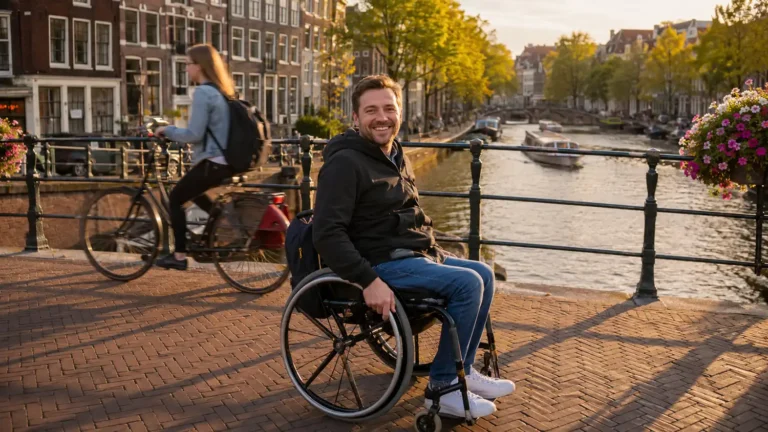
Accessibility Level: High

  • 2026 public transport ticket machines feature height adjustments and contrast modes.
  • Nearly all U-Bahn stations and buses are step-free, with low-floor trams (Look for the wheelchair symbol on digital displays) serving most routes.
  • Historic cobblestones exist in the First District, but major sidewalks are wide, smooth, and feature dropped kerbs.
  • Major museums like the Belvedere and Hofburg offer dedicated elevators, tactile tours, and rental wheelchairs.


Address:

Vienna, Austria

Find Nearby Accommodations

Basic Info

address icon

COUNTRY & Region

Austria,
Europe
High
Currency icon

LOCAL CURRENCY​

Euro (EUR)
Price level icon
Medium
Safety Level icon
Duration icon

Recommended Duration

• 3-5 hours (Half a day)
• Full day
• Overnight
• 1-7 days

Electricity

electricity icon

Electricity

220-240V,
50Hz
Plug Socket icon

Plug Type

50Hz
Plug types
Click To View Plug Types

Activities To Do In Vienna

Best Time To Visit

The best time to visit Vienna is during the shoulder seasons of spring and autumn, when the weather is mild and the crowds are smaller, or in December for the magical Christmas markets.

  • Spring (March to May): The city blooms with greenery and flowers, and temperatures are pleasant for walking, though evenings can still be crisp.
  • Summer (June to August): This is the peak tourist season with warm, sunny days perfect for open-air festivals, though popular sites can get crowded.
  • Autumn (September to November): The weather cools down, bringing beautiful foliage to the city's parks and a cozy atmosphere to its famous coffee houses.
  • Winter (December to February): It can be quite cold and snowy, but the festive Christmas markets and ball season make it a uniquely enchanting time to visit.

Remember to check the weather forecast a few days before the trip and before heading to the airport.

Safety Level icon

SAFETY Level

Vienna consistently ranks as one of the safest cities in the world, with very low crime rates and a stable, orderly environment. Violent crime is rare, and the city is welcoming to tourists of all backgrounds. However, like any major capital, petty theft such as pickpocketing can occur in crowded areas like St. Stephen's Cathedral or major transport hubs. Travelers should exercise standard awareness but can generally explore with high confidence day and night.

The rating is based on multi-year peace, crime, and security indices. Before you go, always verify current conditions through official government travel advisories.

Emergency Numbers

Police: 133
Ambulance: 144

No internet needed • Includes local translations • Free for TravelingWiz readers

Spoken Languages

The official language is German, but English is widely spoken and understood in tourist areas.

Learn The Language

  • Hallo: Hello
  • Guten Morgen: Good morning
  • Bitte: Please / You’re welcome
  • Danke: Thank you
  • Entschuldigung: Excuse me / Sorry
  • Die Rechnung, bitte: The check, please
  • Ja / Nein: Yes / No
  • Wo ist…?: Where is…?

Trip Cost & Budgeting for Vienna, 2026

Everything you need to know about money while traveling
Is Vienna expensive for tourists in 2026? Vienna is a moderately priced city, offering good value compared to some major European hubs. Expect to pay around €4.60 for a cappuccino, €5.00 for a pint of domestic beer, and €18.00 for a standard main meal in a mid-range restaurant. These are Human Verified prices to help set realistic expectations for your trip. Use the data table below to calculate your specific daily budget based on your travel style.
Currency icon

LOCAL CURRENCY​:

Euro (EUR)
Price level icon
Medium
Carry some cash for small vendors and cafes; major cards are accepted in most larger establishments.

Per person, per day – pocket cash for small purchases.

Local: 35
Euro (EUR)
≈ 41 USD

Full daily spend estimation (accommodation, food, transportation, attractions).

Travel Style
Euro (EUR)
≈ USD ($)
Budget
90
105
Mid-range
170
199
Comfort
370
433

The Prices, Daily costs, and calculator results are estimates for planning purposes only. Actual costs may vary based on season, booking timing, personal spending habits, and currency fluctuations. TravelingWiz cannot be held responsible for discrepancies between these estimates and your final trip expenses.

  • Book hotels in advance and consider shoulder seasons for better rates.
  • Utilize Vienna's efficient public transport with a daily or multi-day pass.
  • Explore local markets and Würstelstände for affordable, authentic meals.
  • Carry some cash for smaller cafes and independent shops, as card acceptance varies.

Pre-Order Tickets

Avoid disappointment when tickets sell out — and skip the long lines by booking online in advance. You’ll often save up to 20% too.
Save up to 20%

Travel Discounts & Coupons

Save on hotels, attractions, transport, and gear — find verified discounts for smarter travel spending.
Verified Coupons

What To Pack

  • Comfortable Walking Shoes: You will do a lot of walking on pavement and cobblestones.
  • Smart Casual Outfits: Viennese tend to dress well; bring nicer clothes for dining or opera visits.
  • Warm Layers: Evenings can be cool, even in summer; a scarf is a versatile accessory year-round.
  • Umbrellaor Raincoat: Showers can occur unexpectedly in any season.
  • Power Adapter: Type-C or Type-F adapter for your electronics.

Recommended Itineraries for this Destination

Food & Drink Highlights

Local Food Overview

Viennese cuisine is a hearty and distinct variation of Austrian food, heavily influenced by the diverse cultures of the former Austro-Hungarian Empire. Key ingredients include veal, pork, root vegetables, and seasonal produce like asparagus. The cooking style often involves breading and frying, slow-simmering stews, and rich pastries. It is the only cuisine in the world named after a city rather than a country, famous for its balance of savory comfort foods and delicate, world-renowned desserts.
Authentic Wiener Schnitzel served with lemon and potatoes in Vienna.

Must Try Dish

Wiener Schnitzel is the city's culinary icon. It consists of a thin, breaded, and pan-fried veal cutlet (protected by law, pork versions must be labeled differently), served golden and crispy, traditionally accompanied by potato salad or parsley potatoes and a lemon wedge. You can try an authentic version at Figlmüller, famous for schnitzels larger than the plate.

Food Experiences

No food experience found

GetReady

Plan your trip seamlessly with our trusted partners and expert guidance. Follow these steps to book everything you need or connect with a local tour guide for personalized support

Step 1: Find the Perfect Accommodation

Explore a wide range of hotels, boutique stays, and vacation rentals to suit every traveler’s needs and budget. From luxury options to cozy family stays, find the best place for your trip.

Step 2: Book Your Flights

Secure the best flight deals for your destination. With our trusted partners, booking flights is quick and hassle-free.

Step 3: Let a Tour Guide Help

Not sure where to start? A professional local tour guide can create a customized itinerary or assist you in planning your trip. Make your journey seamless and stress-free.

Step 4: Rent a Car

Travel at your own pace by renting a car. Whether you’re exploring cities or embarking on a road trip, find reliable and convenient car rental options.

Step 5: Get Travel Insurance

Protect yourself and your loved ones with comprehensive travel insurance. Our partners offer plans to cover every aspect of your journey.

Step 6: Need a Visa?

Check visa requirements for your destination and apply quickly with trusted services. Simplify the process and ensure you’re ready to travel without delays.

FAQs

Yes, the tap water in Vienna is of excellent quality, flowing directly from the Alps, and is safe and delicious to drink.
No, a car is not necessary in Vienna; the public transport system is comprehensive, and parking in the city center is expensive and difficult.
Generally, most shops and supermarkets in Vienna are closed on Sundays, although souvenir shops and stores at train stations may remain open.
Vienna can be pricey compared to Eastern Europe but is comparable to other Western European capitals; budget options for food and transport are available.
Yes, standing room tickets for the Vienna State Opera can be purchased for a very low price shortly before performances begin.
The Vienna Pass is a sightseeing card that offers free entry to over 60 top attractions in Vienna and can include a hop-on hop-off bus tour.

Help Us Improve

If you visited
Vienna
click here to share your tips and stories.

This will help us improve our guides for the entire travelers community.

Related Articles

Check out our related articles and blog posts to learn even more about the destination.

Don’t Travel Alone

Share with your friends and family

Where should we send your offline card?

We hate spam just as much as you do

newsletter_consent *