Disclosure: This site contains affiliate links. We may earn a commission if you make a purchase, at no extra cost to you.
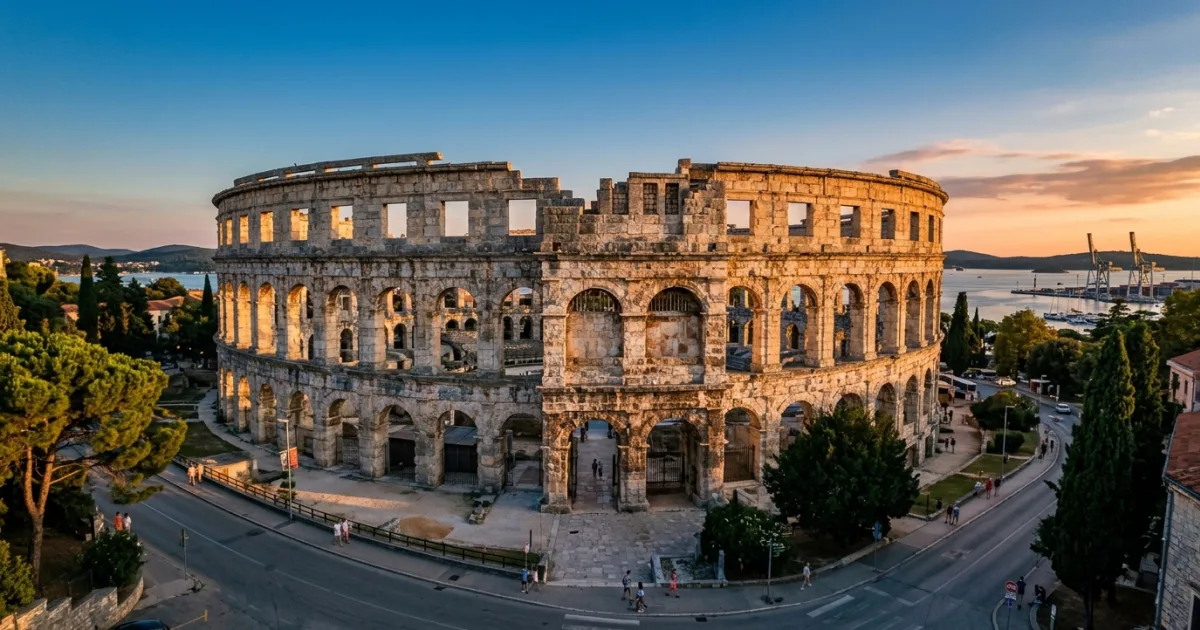
The ancient Roman amphitheater in Pula, Croatia illuminated by golden hour sunlight near the Adriatic sea

Basic Info

COUNTRY & Region

Croatia,
Europe

ACCESSIBILITY LEVEL​

  • High: Widely accessible with good facilities for disabilities.
  • Medium: Some accessible options, but limitations exist.
  • Low: Limited accessibility; many barriers for disabilities.
Medium

LOCAL CURRENCY​

Euro (EUR)

Price Level

Low – budget‑friendly basics

Medium – moderate mid‑range costs

High – pricey lodging, dining & transport

Medium

SAFETY LEVEL

5 shields = Excellent – very low crime or conflict.

4 shields = Safe – low risk, routine care.

3 shields = Relatively safe – use normal street smarts.

2 shields = Use caution – higher crime or periodic unrest.

1 shields = Avoid – active conflict or extreme danger.

Scores are derived from multi-year peace, homicide and security indices blended into a single 1-to-5 scale.

Recommended Duration

1-7 days, Full day

Pula Overview & Key Highlights

Pula anchors the southern tip of Croatia's Istrian peninsula, recognized worldwide for its exceptionally preserved Roman ruins, led by the first-century Pula Arena. Serving as an essential maritime hub since antiquity, the city layers Roman classical temples, Venetian ramparts, and Austro-Hungarian naval forts over a rocky Adriatic coastline. Beyond its open-air archaeological monuments, Pula functions as a gateway to pristine seaside retreats such as Cape Kamenjak and the Brijuni Islands National Park. Travelers explore limestone pedestrian plazas lined with Istrian olive oil tasting rooms, authentic konobas serving truffle-infused pasta, and secluded pebble coves with crystal-clear waters.

Pula Travel Guide: Logistics & In-Depth Tips

Pula serves as the economic and cultural capital of Istria, boasting a continuous history spanning over three millennia. Founded by the Illyrian Histri tribe and later conquered by the Romans in 177 BC, the city evolved into the colony of Pietas Iulia. Its strategic deep-water harbor led to monumental urban planning, leaving behind one of the best-preserved classical city layouts in Europe. The city's crown jewel, the Pula Arena, was constructed concurrently with the Colosseum in Rome and stands today as one of the six largest surviving Roman amphitheatres globally.

Beyond its ancient monuments, Pula retains a distinctive character influenced by centuries of Venetian rule and a nineteenth-century transformation into the central naval port of the Austro-Hungarian Empire. This multi-layered past is evident in its architectural skyline, which moves effortlessly from classical Roman porticos to Austrian fortifications and mid-century shipyards. Travelers benefit from an authentic, working-city atmosphere where daily life unfolds alongside profound cultural landmarks and direct access to pristine beaches on the Adriatic Sea.

Reasons to Visit

  • Well-Preserved Roman Antiquities: Marvel at the first-century Roman Arena, the Arch of the Sergii, and the intact Temple of Augustus situated right on the Forum square.
  • World-Class Gastronomy: Sample internationally acclaimed cold-pressed extra virgin olive oils, indigenous Malvazija wines, and fresh pasta topped with Istrian truffles.
  • Spectacular Coastal Scenery: Swim in crystal-clear waters along the pebble bays of Verudela or the dramatic cliff jumps and sea caves of nearby Cape Kamenjak.
  • Fascinating Subterranean History: Walk through Zerostrasse, a complex network of underground defense shelters built during Austro-Hungarian rule beneath the city center.
  • Proximity to Island Parks: Take rapid day trips to the Brijuni Islands National Park, celebrated for its Roman villa ruins, safari park, and coastal nature trails.

Things to Avoid

  • Avoid walking on coastal rocks without sea shoes, as sea urchins are common in clean Istrian marine areas.
  • Do not drive directly into the pedestrianized Old Town; utilize designated park-and-walk lots on the harbor perimeter (Karolina or Riva).
  • Avoid eating solely at restaurants fronting the main Forum square; better culinary value and authentic dishes sit in side alleys and neighborhood konobas.
  • Do not overlook validation when using public buses; tickets purchased via kiosk must be stamped immediately upon boarding.

Local Transportation Tips

Pula's historical core is easily navigated on foot, with most Roman attractions situated within a 15-minute walking radius. For transit to outer beaches like Verudela Peninsula or Stoja, Pulapromet operates an efficient network of modern city buses running every 15 to 20 minutes from the central bus terminal and Giardini square. Single tickets can be purchased directly from drivers with contactless cards or at Tisak newsstands for a slight discount. Taxis and rideshare applications like Uber and Bolt operate reliably across the city. For exploring nearby national parks and coastal peninsulas, renting a car or scooter provides maximum flexibility.

Travel Etiquette

  • Cover shoulders and knees when entering historic churches, including the Cathedral of the Assumption of the Blessed Virgin Mary.
  • Tipping in restaurants is customary; leaving 10% in cash for attentive sit-down service is standard practice.
  • Greet shopkeepers with a polite 'Dobar dan' upon entering small boutiques and neighborhood markets.
  • Observe designated swim zones and avoid damaging delicate marine vegetation or historic stone masonry when exploring coves.

Recommended Age Group

Pula offers engaging experiences across multiple generations, combining historic discovery with accessible beach recreation.

  • Babies (0-2 years): Neutral. Cobblestone surfaces and historic stairs around the Castle hill make strollers challenging; baby carriers are strongly recommended.
  • Kids (3-12 years): Recommended. Children enjoy interactive gladiator demonstrations, exploring the underground Zerostrasse tunnels, and visiting the Pula Aquarium inside an Austro-Hungarian fortress.
  • Teens (13-19 years): Recommended. Excellent opportunities for cliff jumping, snorkeling sea caves at Cape Kamenjak, paddleboarding, and attending live summer concerts in the Roman Arena.
  • Adults (20-64 years): Recommended. Outstanding setting for history lovers, wine and olive oil enthusiasts, foodies, and outdoor adventure travelers.
  • Seniors (65+ years): Recommended. Flat harbor pathways, compact historic center, rich Roman heritage, and convenient local public transport ensure accessible exploration.

Accessibility Level: Medium

  • The perimeter and ground-level interior of the Pula Arena feature level gravel and ramp access suitable for manual and electric wheelchairs.
  • Pedestrian areas surrounding the Roman Forum and Sergii Arch have smooth stone flagstones with gradual curb cuts.
  • Zerostrasse tunnels offer flat, barrier-free access with an elevator connecting directly to the hilltop fortress.
  • Pulapromet city buses feature low-floor entry and dedicated wheelchair ramps on core urban routes.

Did You Know?

The Pula Arena was once saved from total destruction in 1583 when the Venetian Senate proposed dismantling it piece by piece to rebuild it in Venice. A prominent Venetian senator named Gabriele Emo successfully campaigned against the plan, preserving the amphitheater in its original location.

Cool Statistics

  • The Pula Arena is the only remaining Roman amphitheater to have four side towers with its architectural envelope completely preserved.
  • Pula features over 40 kilometers (25 miles) of subterranean military tunnels carved beneath the town during the early 20th century.
  • The Roman Arena originally held over 23,000 spectators during gladiatorial contests and naval simulations.

Address:

Pula, Croatia

Find Nearby Accommodations

Electricity

220-240V, 
50Hz

Plug Type

Type C (Round pin), Type F (Two round pins with earth clips)
Plug types
Click To View Plug Types
Pula is part of our
Solo Female Friendly collection

Activities To Do In Pula

Best Time To Visit Pula

Pula enjoys a Mediterranean climate characterized by hot, sunny summers and mild, humid winters. May through October offers the ideal window for sightseeing and swimming.

  • Peak Season (July – August): Warm sea temperatures up to 26°C (79°F), lively open-air concerts in the Arena, and high crowd volumes requiring advance booking.
  • Shoulder Season (May – June & September – October): Optimal temperatures (20°C–25°C / 68°F–77°F), clear weather, reduced crowds, and pleasant swimming conditions, especially in September.
  • Low Season (November – April): Cool, quiet months with temperatures around 6°C–12°C (43°F–54°F); many coastal businesses close, though historical monuments remain accessible.

Average Temperatures Per Month

Average monthly temperaturesMonthly source values, with Celsius and Fahrenheit equivalents in the following data table.0°32°9°48°18°64°26°79°35°95°JanJan: 8°C / 46°FFebFeb: 9°C / 48°FMarMar: 10°C / 50°FAprApr: 13°C / 55°FMayMay: 18°C / 64°FJunJun: 23°C / 73°FJulJul: 26°C / 79°FAugAug: 26°C / 79°FSepSep: 21°C / 70°FOctOct: 17°C / 63°FNovNov: 12°C / 54°FDecDec: 9°C / 48°F
View temperature data
Average monthly temperatures
Month°C°F
Jan846
Feb948
Mar1050
Apr1355
May1864
Jun2373
Jul2679
Aug2679
Sep2170
Oct1763
Nov1254
Dec948

Remember to check the weather forecast a few days before the trip and before heading to the airport.

Safety Level

5 shields = Excellent – very low crime or conflict.

4 shields = Safe – low risk, routine care.

3 shields = Relatively safe – use normal street smarts.

2 shields = Use caution – higher crime or periodic unrest.

1 shields = Avoid – active conflict or extreme danger.

Scores are derived from multi-year peace, homicide and security indices blended into a single 1-to-5 scale.

Pula is among the safest urban destinations in Southern Europe, with exceptionally low violent crime rates. Exercise standard precautions regarding pickpocketing in crowded areas around the Arena and central market during peak summer months. Sea urchins inhabit rocky shallows along Istrian beaches, so always wear protective water shoes. When renting scooters or driving along narrow coastal peninsula roads, exercise caution on tight turns and unpaved gravel tracks.

The rating is based on multi-year peace, crime, and security indices. Before you go, always verify current conditions through official government travel advisories.

Emergency Numbers

Police: 192
Ambulance: 194

No internet needed • Includes local translations • Free for TravelingWiz readers

Spoken Languages

Croatian (official), Italian (co-official regional language, widely spoken), English (widely spoken in hospitality and retail).
Travel Booking Partner - TravelingWiz

Learn The Language

  • Dobar dan — Good day (formal greeting)
  • Bok — Hello / Bye (informal)
  • Hvala — Thank you
  • Molim — Please / You’re welcome
  • Koliko košta? — How much does it cost?
  • Gdje je…? — Where is…?
  • Račun, molim — The bill, please
  • Govorite li engleski? — Do you speak English?

Trip Cost & Budgeting for Pula, 2026

Everything you need to know about money while traveling
Is Pula expensive for tourists in 2026? No, Pula remains one of the most affordable coastal destinations in Croatia, offering a relaxed Mediterranean experience without Dubrovnik prices. Based on our Human Verified prices, expect to pay around €2.15 for a cappuccino, €3.00 for a pint of local draught beer, and about €18 for a standard mid-range restaurant meal. Use the data table below to calculate your specific daily budget based on your travel style.

LOCAL CURRENCY​:

Euro (EUR)

Price Level:

Low – budget‑friendly basics

Medium – moderate mid‑range costs

High – pricey lodging, dining & transport

Medium

Cards Vs. Cash

Cards are widely accepted across Pula, but keep cash handy for farmers markets, small bakeries, and local buses.

How Much Cash to Carry (on you)

Per person, per day – pocket cash for small purchases.

Local: 25
Euro (EUR)
≈ 27 USD

Average Daily Costs (per person)

Full daily spend estimation (accommodation, food, transportation, attractions).

Travel Style
Euro (EUR)
≈ USD ($)
Budget
65
71
Mid-range
120
132
Comfort
260
285
Note

The Prices, Daily costs, and calculator results are estimates for planning purposes only. Actual costs may vary based on season, booking timing, personal spending habits, and currency fluctuations. TravelingWiz cannot be held responsible for discrepancies between these estimates and your final trip expenses.

Best Value Tips

  • • Buy the combined archaeological ticket or Pula Card to visit the Roman Arena, Temple of Augustus, and Zerostrasse tunnels.
  • • Dine at authentic konobas in residential areas like Stoja or Veruda rather than tourist spots near the forum.
  • • Ride Pulapromet city buses to reach the beaches in Verudela and Stoja cheaply instead of hiring taxis.
  • • Pick up fresh local produce, Istrian cheese, and warm bakery burek at the historic 1903 Pula Market for lunch.

Tours & Tickets

Explore tours, attractions, and ticket options to plan your visit.
Plan ahead

Travel Offers & Coupons

Browse travel offers and coupons from our affiliate partners.
Affiliate partner offers

What To Pack

  • Sturdy walking shoes with reliable traction for slick Roman flagstones and gravel amphitheater grounds.
  • Water shoes (sea urchin protection) for entering rocky and pebbled Istrian beaches.
  • High SPF reef-safe sunscreen, polarized sunglasses, and a wide-brim hat for intense Mediterranean summer sun.
  • Lightweight layers and a windbreaker for evening sea breezes and coastal boat excursions.
  • European Type C or F plug adapter with dual-voltage electronics support.
  • Snorkel set and waterproof phone case for swimming in sea caves along Cape Kamenjak.
Only the good stuff!
Browse recommended travel gear
Check out our free packing list tool

Recommended Itineraries for Traveling to Pula

Take your itinerary with you

Choose a ready-made itinerary, plan your own trip, and keep TravelingWiz by your side while you travel.

Get the TravelingWiz app

Food & Drink Highlights

Local Food Overview

Istrian cuisine combines coastal Mediterranean seafood traditions with rustic, continental heritage. Olive oil produced across the peninsula ranks consistently among the finest in the world, marked by an intense grassy profile and peppery finish. The cuisine makes heavy use of hand-rolled pasta varieties such as fuži and pljukanci, accompanied by locally foraged Istrian black or white truffles, wild asparagus, or slow-braised beef boškarin. Fresh catches from the Adriatic, including sea bass, squid, and Kvarner scampi, appear daily on menus alongside locally cured pršut and Istrian sheep's milk cheeses, best paired with indigenous Malvazija Istarska white wine or robust red Teran.

Must Try Dish

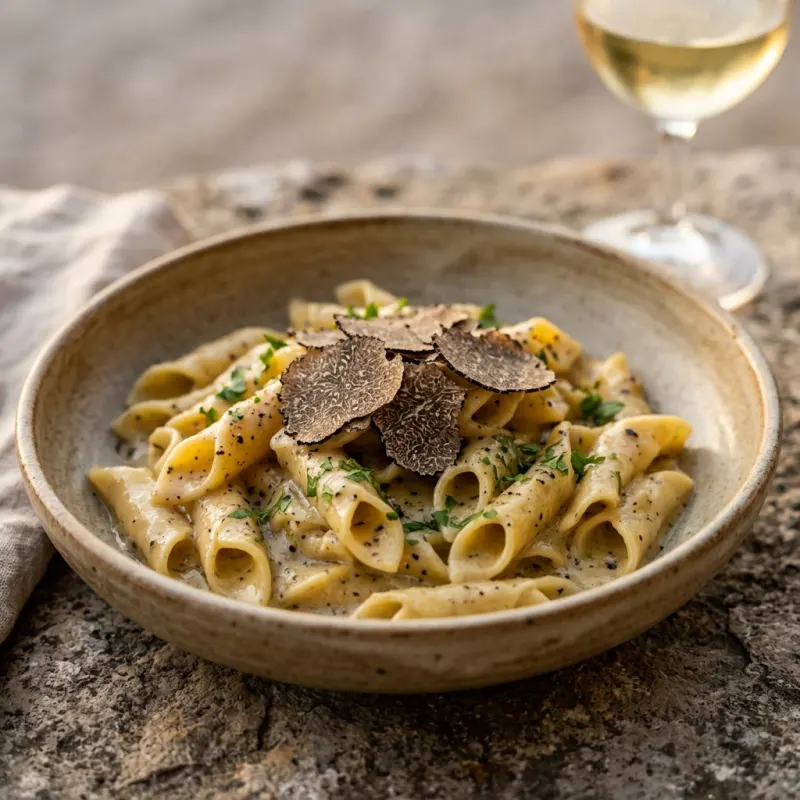
Fuži s Tartufima - Delicate quill-shaped Istrian pasta draped in a velvety cream and butter sauce infused with locally foraged black truffles. The dish balances earthy forest richness with the tender bite of freshly hand-rolled egg dough.
Istrian fuži pasta coated in cream sauce and topped with shaved black truffles

Maya’s Final Checklist for Pula

Logistics shouldn’t be the focus of your trip—the experience should. I’ve hand-vetted these essential partners to ensure your arrival, stay, and exploration are as smooth as an Athenian breeze.

Maya, the human travel expert at TravelingWiz, offering curated, non-AI expertise

Where to Stay

Compare accommodation options and choose a stay that suits your plans and budget.

Air Travel

Compare flight options and find a route that fits your plans.

Local Guides

Connect with local guides for personalized help planning and exploring.

Travel Protection

The “Engineer’s” rule: always have a backup. Secure your trip with a plan that covers every “what if” and unexpected change.

Car Rentals

Compare rental options and choose a car that suits your trip.

Visa Information

Don’t let paperwork slow you down. Get expert assistance with your application to ensure all your entry documents are in order.

FAQs

Yes, the Pula Arena operates continuously as an active open-air venue hosting the Pula Film Festival, international music concerts, and summer gladiatorial reenactments.
Yes, local buses run 15 minutes north from Pula to Fažana, where regular public passenger ferries make the 15-minute crossing to Veliki Brijun island.
Pula’s historical core is compact and largely pedestrianized, allowing travelers to walk easily between the Arena, Temple of Augustus, and Zerostrasse underground tunnels.
Cape Kamenjak lies roughly 15 kilometers south of Pula and can be reached by rental car, local bus line 28 to Premantura followed by walking, or organized boat excursions.

Your Insights Matter

TravelingWiz grows through the stories of our community. If you’ve recently explored ,Pula share your tips and stories to help us perfect our guides for the next traveler.

Where should we send your offline card?

We hate spam just as much as you do

newsletter_consent *