Hiiumaa sits peacefully in the Baltic Sea, separated from its southern neighbor Saaremaa by the Soela Strait. Characterized by expansive pine barrens, quiet gravel beaches, and sparse habitation, it has long served as a sanctuary for travelers seeking unhurried nature and Baltic solitude. The island's geological roots include the ancient Kärdla meteorite crater, which shaped local hydrology and mineral-rich artesian wells.
Maritime landmarks dominate the island's landscape, featuring three iconic historic lighthouses: Kõpu, Tahkuna, and Ristna. Beyond maritime architecture, visitors encounter traditional wooden fishing villages, military defense remnants from World War II and the Soviet era, and untouched coastal preserves ideal for birdwatching, coastal hiking, and stargazing.
Reasons to Visit
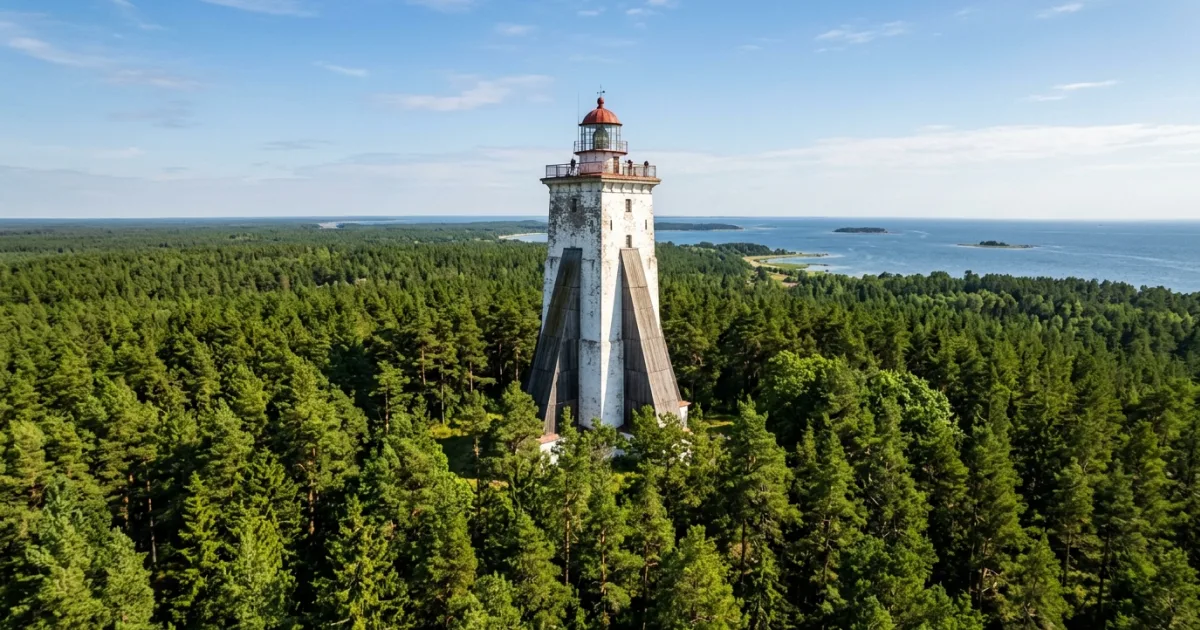
- Explore Kõpu Lighthouse, one of the world's oldest navigational structures dating back to 1531.
- Walk the unique Sääretirp gravel spit as it tapers into the open sea surrounded by wild junipers.
- Experience unpolluted night skies with prime astrotourism conditions and rare light pollution.
- Enjoy tranquil road cycling across flat, scenic coastal roads with minimal vehicle traffic.
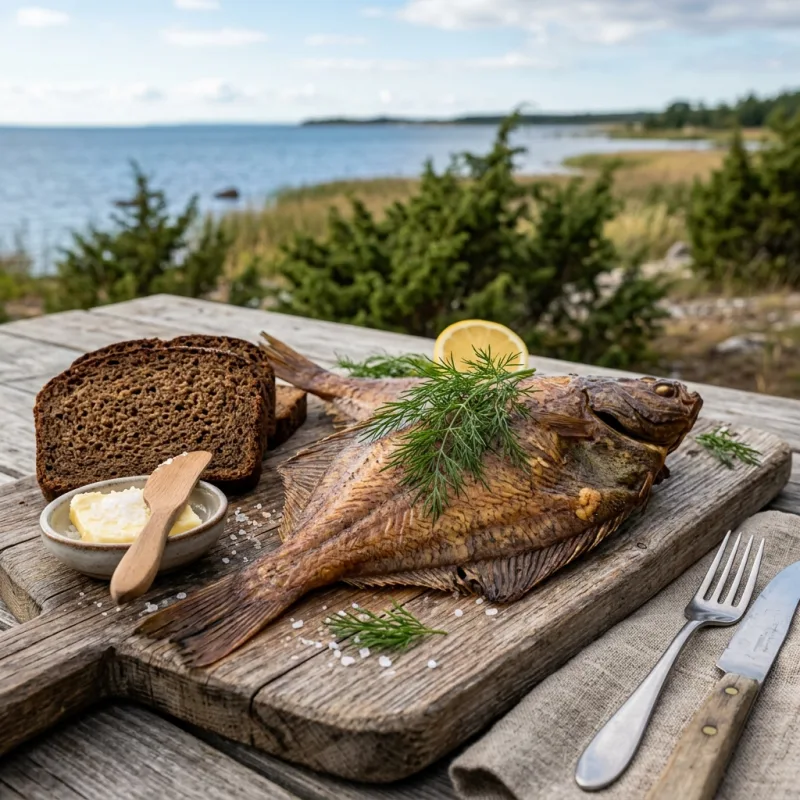
- Taste authentic alder-smoked Baltic fish directly from small family-run smokehouses.
Things to Avoid
- Avoid arriving at the Rohuküla ferry port on summer weekends without an advance vehicle reservation.
- Do not ignore rip current warning markers when swimming on the open western shores of the Ristna Peninsula.
- Avoid camping on private coastal pastures without landowner permission; rely instead on designated RMK forest recreation sites.
- Do not rely strictly on late-night dining; island restaurants outside of Kärdla close early outside peak summer weeks.
Local Transportation Tips
The most flexible way to explore Hiiumaa is by personal automobile or rental vehicle brought across on the ferry from Rohuküla. A regional bus network connects the administrative center of Kärdla with outlying villages such as Käina, Kõrgessaare, and Emmaste, though departures on rural lines are infrequent. Cycling is extremely popular due to flat topography and low traffic volumes, with bike hire readily available in Kärdla. Taxis operate primarily around Kärdla and require telephone dispatch.
Travel Etiquette
- Respect personal space and the quiet demeanor favored by islanders in nature settings and public areas.
- Always separate waste and observe strict leave-no-trace outdoor practices in nature reserves.
- Remove shoes when entering private Estonian homes or rural guesthouses unless directed otherwise.
- Follow the Estonian Everyman's Right responsibly by respecting buffer zones around private dwellings when foraging.
Recommended Age Group
Hiiumaa offers a peaceful, scenic environment suited for travelers of many generations, especially those who appreciate outdoor recreation.
- Babies (0-2 years): Neutral. Clean air and serene rural stays are wonderful, but remote health clinics and pebble-strewn terrain require self-reliance.
- Kids (3-12 years): Recommended. Shallow sandy swimming coves, lighthouse climbs, and open woodland trails offer engaging outdoor discovery.
- Teens (13-19 years): Recommended. Excellent opportunities for coastal surfing, cycling, paddleboarding, and campfire camping under the midnight sun.
- Adults (20-64 years): Recommended. Perfect balance of scenic road touring, craft gastronomy, peaceful retreats, and hiking along untouched shores.
- Seniors (65+ years): Recommended. Flat geography, tranquil pace of life, comfortable boutique guesthouses, and accessible maritime museums.
Accessibility Level: Medium
- Kärdla town center and modern ferry terminals offer step-free access and accessible restrooms.
- Major historic lighthouses, such as Kõpu, require ascending narrow, steep stone steps that are not wheelchair accessible.
- Boardwalks at select RMK nature trails provide barrier-free access into coastal bog landscapes.
- Intercity vehicle ferries feature elevators connecting car decks to accessible passenger lounges.
Did You Know?
Hiiumaa was formed in part by a massive meteorite impact approximately 455 million years ago. The resulting 4-kilometer-wide Kärdla crater is hidden underground today, but it created an artesian basin that supplies Kärdla with exceptionally pure natural drinking water.
Cool Statistics
- Over 60% of Hiiumaa's land area is covered by lush pine and deciduous forests.
- Kõpu Lighthouse stands 102 meters above sea level and has guided mariners since 1531.
- Hiiumaa has over 300 kilometers of pristine, uncommercialized coastline.






Buy a compatible power adapter for your trip