Disclosure: This site contains affiliate links. We may earn a commission if you make a purchase, at no extra cost to you.

>
>
>
>
>
Partenkirchen District

Partenkirchen District

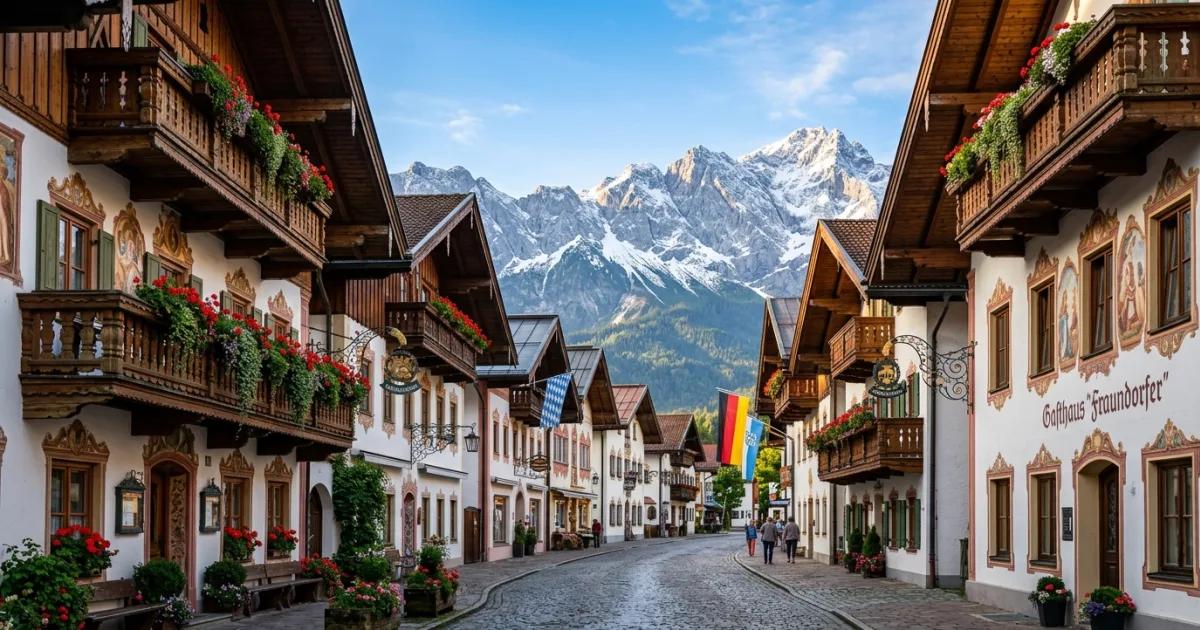
Frescoed alpine chalets along Ludwigstraße in Partenkirchen with the Bavarian Alps in the background

Partenkirchen District Overview & Key Highlights

Partenkirchen is the historic eastern district of Garmisch-Partenkirchen, positioned against the southern slopes of Mount Wank in southern Bavaria. Rooted in an ancient Roman settlement along the trade route linking Venice and Augsburg, it features an exceptionally well-preserved streetscape along Ludwigstraße, where centuries-old Bavarian townhouses showcase vibrant Lüftlmalerei wall frescoes depicting religious and regional folklore. The district caters to travelers seeking authentic Werdenfelser tradition combined with immediate mountain access. Days are spent exploring the Werdenfels Museum, attending traditional folk evenings in historic taverns, hiking through high alpine meadows, or riding the cable car to panoramic overlooks of the Wetterstein Alps. Its quiet, village-scale atmosphere makes Partenkirchen a peaceful cultural base compared to the bustling commercial zones of neighboring Garmisch.

Partenkirchen District Travel Guide: Logistics & In-Depth Tips

Partenkirchen stands as an authentic testament to Upper Bavarian architectural and cultural continuity. Originating in 15 AD as the Roman outpost Partanum along the trade route between Venice and the Danube, the settlement developed into a prosperous trading hub for timber, salt, and grain. Despite destructive fires throughout history—most notably in 1821—the district meticulously reconstructed its architectural identity in stone and timber. The unified market town of Garmisch-Partenkirchen was formed in 1935 under national decree ahead of the 1936 Winter Olympics, yet Partenkirchen has staunchly preserved its distinct character, slower tempo, and pride in Werdenfelser traditions.

Today, visitors wander down Ludwigstraße to marvel at the intricate Lüftlmalerei frescoes created by renowned local artists such as Heinrich Bickel. The street functions as an open-air gallery complemented by working woodcarvers, schnapps distillers, and historic taverns where Bavarian dialect remains the default language of daily commerce. Backdropped by the dramatic limestone ridges of the Wetterstein mountains, Partenkirchen provides a tranquil alpine experience balanced between cultural exploration and direct wilderness recreation.

Reasons to Visit

  • Historic Ludwigstraße: Stroll one of the most picturesque streets in Bavaria, famed for its masterfully painted Lüftlmalerei facades and heritage buildings.
  • Werdenfels Museum: Explore five floors of regional history housed in a 17th-century merchant house, featuring folk costumes, Roman relics, and religious wood carvings.
  • Wank Mountain & Cable Car: Ascend Mount Wank via the Wankbahn for 360-degree panoramic viewpoints over the Zugspitze and Karwendel ranges.
  • Authentic Bavarian Taverns: Experience traditional live folk music, Schuhplattler dancing, and heritage Bavarian cooking at historic establishments like Gasthof Fraundorfer.
  • Gateway to the Partnach Gorge: Access scenic hiking trails leading toward the Partnachklamm, an awe-inspiring natural river gorge.

Things to Avoid

  • Avoid walking only through Garmisch's pedestrian mall and missing Partenkirchen's quieter, historically richer lanes.
  • Avoid wearing soft, thin-soled footwear; the historic cobblestone pathways and uphill trailheads require supportive soles.
  • Avoid relying exclusively on credit cards, as several authentic neighborhood bakeries and mountain huts remain strictly cash-only.
  • Avoid assuming all shops open on Sundays; Bavarian retail laws mandate that grocery stores and boutiques remain closed on Sundays.

Local Transportation Tips

Partenkirchen is connected via the municipal red-and-white 'Grüne Busse' (Ortsbus) transit routes 1 and 2, connecting Ludwigstraße directly to Garmisch-Partenkirchen central railway station and the Olympic Ski Stadium. Overnight visitors receive a municipal Gästekarte from their accommodation, granting free unlimited use of local public buses. The district is also intensely walkable, with all major sights in Partenkirchen accessible within a 15-minute radius on foot.

Travel Etiquette

  • Gently greet shopkeepers and tavern hosts with 'Grüß Gott' upon entering and 'Auf Wiedersehen' or 'Pfiad di' upon leaving.
  • Keep noise levels down during the traditional quiet hours (Ruhezeit) between 10:00 PM and 7:00 AM, as Partenkirchen is primarily a residential community.
  • Do not touch or lean against painted wall frescoes (Lüftlmalerei) on private residential buildings along Ludwigstraße.
  • Tipping in restaurants is customary; round up the bill or add 5% to 10% directly when the server states the total, rather than leaving cash unattended on the table.

Recommended Age Group

Partenkirchen District offers accessible cultural sightseeing and alpine activities suitable across diverse traveler demographics.

  • Babies (0-2 years): Neutral. Cobblestone pavements on Ludwigstraße produce bumpy stroller conditions, though main pedestrian sidewalks and valley promenade paths are manageable.
  • Kids (3-12 years): Recommended. Cable car journeys up Mount Wank, interactive natural trails, and nearby gorge walks offer great engagement for children.
  • Teens (13-19 years): Recommended. Mountain sports, paragliding watching, winter tobogganing, and alpine hiking routes provide substantial appeal for active teenagers.
  • Adults (20-64 years): Recommended. Highly suited for adults interested in architectural heritage, alpine hiking trails, craft brewery culture, and photographic exploration.
  • Seniors (65+ years): Recommended. The flat village core along Ludwigstraße, effortless transit connections via the Ortsbus, and smooth cable car ascents cater well to mature travelers.

Accessibility Level: Medium

  • The core corridor of Ludwigstraße features smooth stone paving along sidewalks, though sections of authentic cobblestones can present challenges for manual wheelchair users.
  • The Wankbahn cable car system provides barrier-free step-free boarding access for wheelchairs and strollers.
  • Local transit buses (Ortsbus) are low-floor vehicles equipped with boarding ramps for mobility equipment.
  • Historic taverns and heritage museums may feature narrow doorways or internal steps due to multi-century heritage preservation laws; check ahead for specific venue access.

Did You Know?

Although commonly treated as a single unified town since 1935, Garmisch and Partenkirchen originally developed as separate settlements for nearly two millennia, with Partenkirchen being Roman in origin and Garmisch founded as a Germanic settlement.

Cool Statistics

  • Traces its recorded municipal roots back more than 2,000 years to the Roman station Partanum.
  • Home to Mount Wank, which rises directly above the district to an elevation of 1,780 meters (5,840 feet).
  • Houses the Werdenfels Museum, which displays over 3,000 regional artifacts dating from prehistory to the 20th century.


Address:

Ludwigstraße, Partenkirchen District, Garmisch-Partenkirchen, Germany

Find Nearby Accommodations

Basic Info

address icon

COUNTRY & Region

Germany,
Europe

ACCESSIBILITY LEVEL​

Medium
Currency icon

LOCAL CURRENCY​

Euro (EUR)
Price level icon
Medium
Safety Level icon

SAFETY LEVEL

Duration icon

Recommended Duration

• 1-7 days
• Full day

Electricity

electricity icon

Electricity

220-240V, 
50Hz
Plug Socket icon

Plug Type

• Type C (Round pin)
• Type F (Two round pins with earth clips)
Plug types
Click To View Plug Types
Partenkirchen District is part of our
Coolcation collection

Activities To Do In Partenkirchen District

Best Time To Visit Partenkirchen District

Partenkirchen is a four-season alpine destination with distinct travel appeals throughout the year:

  • June to September: Ideal for hiking, mountain biking, and open-air tavern dining, with comfortable alpine temperatures ranging between 18°C and 25°C.
  • October: Exceptional for viewing autumn foliage along the Wetterstein range, accompanied by harvest-themed Bavarian culinary traditions and fewer crowds.
  • December to March: Prime winter season with snow-covered chalets, nearby ski circuits, winter walking trails, and traditional festive markets.
  • April to May: Spring thaw brings quiet streets and blooming valleys, though higher elevation hiking routes remain snowbound.

Average Temperatures Per Month

Remember to check the weather forecast a few days before the trip and before heading to the airport.

Safety Level icon

Safety Level

Partenkirchen is exceptionally safe with negligible rates of violent or petty crime. Primary safety considerations involve outdoor activities: check alpine weather conditions before ascending Mount Wank, carry adequate hydration, and equip footwear with proper tread when navigating cobblestone streets coated in winter black ice.

The rating is based on multi-year peace, crime, and security indices. Before you go, always verify current conditions through official government travel advisories.

Emergency Numbers

Police: 110
Ambulance: 112

No internet needed • Includes local translations • Free for TravelingWiz readers

Spoken Languages

German (Standard), Bavarian dialect (Boarisch), English (widely spoken in tourist services)

Learn The Language

  • Grüß Gott: Hello / Good day (traditional Bavarian greeting)
  • Servus: Hi / Goodbye (informal Bavarian greeting)
  • Bitte: Please / You are welcome
  • Danke schön: Thank you very much
  • Ein Bier, bitte: One beer, please
  • Die Rechnung, bitte: The bill, please
  • Wo ist…?: Where is…?
  • Auf Wiedersehen: Goodbye
Travel Booking Partner - TravelingWiz

Trip Cost & Budgeting for Partenkirchen District, 2026

Everything you need to know about money while traveling
Is Partenkirchen District expensive for tourists in 2026? Sitting in the Bavarian town of Garmisch-Partenkirchen, the district shares the city's moderate costs, which remain lower than Swiss destinations. You can expect Human Verified prices such as 2.90 EUR for a cappuccino, 4.20 EUR for a pint of domestic beer, and 25.00 EUR for a mid-range restaurant main course. Use the data table below to calculate your specific daily budget based on your travel style.
Currency icon

LOCAL CURRENCY​:

Euro (EUR)
Price level icon
Medium
Credit cards are widely accepted, but traditional Gasthofs, mountain huts, and small vendors still require local cash.

Per person, per day – pocket cash for small purchases.

Local: 15
Euro (EUR)
≈ 17 USD

Full daily spend estimation (accommodation, food, transportation, attractions).

Travel Style
Euro (EUR)
≈ USD ($)
Budget
80
91
Mid-range
145
165
Comfort
320
365

The Prices, Daily costs, and calculator results are estimates for planning purposes only. Actual costs may vary based on season, booking timing, personal spending habits, and currency fluctuations. TravelingWiz cannot be held responsible for discrepancies between these estimates and your final trip expenses.

  • Take advantage of the free local Visitor Card (Gästekarte) provided by hotels for complimentary public bus transport.
  • Dine at traditional Wirtshäuser in town or opt for lunch specials rather than eating at expensive mountain summit restaurants.
  • Use regional rail tickets like the Bayern-Ticket for affordable day trips across Bavaria and to nearby scenic spots.
  • Purchase trail snacks and drinks at local supermarkets such as Aldi or REWE before embarking on hikes.

Pre-Order Tickets

Avoid disappointment when tickets sell out — and skip the long lines by booking online in advance. You’ll often save up to 20% too.
Save up to 20%

Travel Discounts & Coupons

Save on hotels, attractions, transport, and gear — find verified discounts for smarter travel spending.
Verified Coupons

What To Pack

  • Sturdy walking shoes or trail runners for navigating historic cobblestones and surrounding mountain paths
  • Layered alpine apparel including a waterproof, wind-resistant outer shell
  • Sun protection including polarized sunglasses and high-SPF sunscreen for high-altitude reflection
  • A universal plug adapter (Type C/F) and a portable battery pack
  • Physical euro banknotes for small artisan bakeries and traditional alpine huts
  • Thermal layers, insulated boots, and gloves if visiting between November and April
We couldn't find tips for Partenkirchen District.
If you got any, please share

Recommended Itineraries for Traveling to Partenkirchen District

We couldn't find itineraries for Partenkirchen District.
you can contact us for custom trip plan

Food & Drink Highlights

Local Food Overview

Partenkirchen's culinary landscape is deeply rooted in Werdenfelser and Upper Bavarian gastronomy, characterized by hearty roasted meats, potato and bread dumplings, locally gathered wild mushrooms, and fresh freshwater fish from alpine lakes. Dining takes place largely within historic Gasthäuser featuring dark wood paneling, tile ovens, and draft beer sourced from regional breweries such as Mittenwalder and regional monastic breweries.
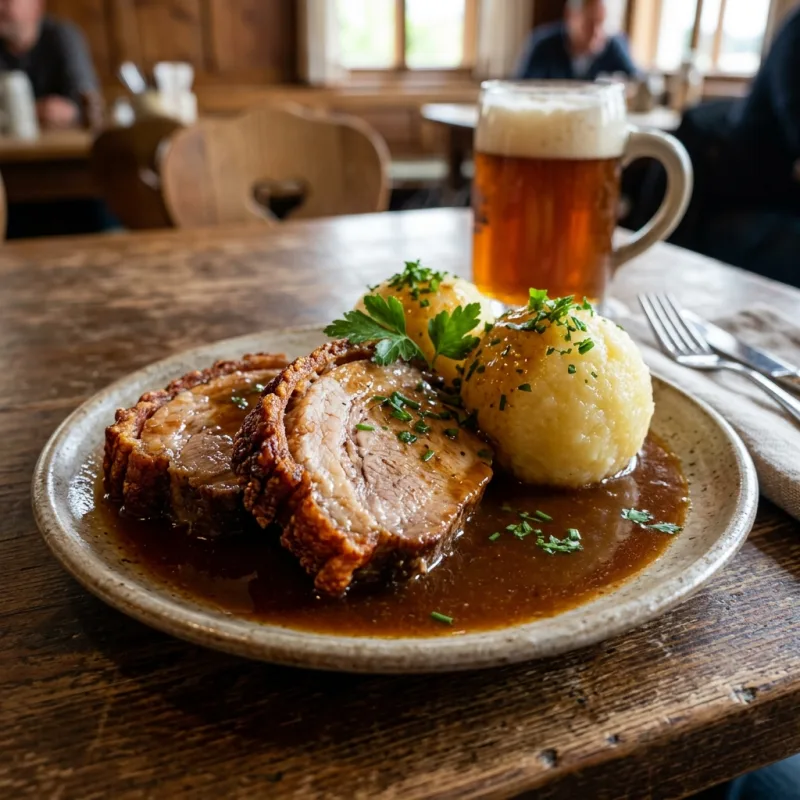
Bavarian Krustenbraten roast pork with crackling and potato dumpling

Must Try Dish

Bayerischer Krustenbraten - Tender, slow-roasted pork shoulder cooked in a rich dark beer reduction, served with a crispy crackling crust and dense potato dumplings. It exemplifies the heritage comfort cooking served throughout the district's centuries-old taverns.
Food Experiences Title Icon

Food
Experiences

Discover cooking classes, tastings and local food tours

No food experience found
Maya, the human travel expert at TravelingWiz, offering curated, non-AI expertise

Maya’s Final Checklist for Partenkirchen District

Logistics shouldn’t be the focus of your trip—the experience should. I’ve hand-vetted these essential partners to ensure your arrival, stay, and exploration are as smooth as an Athenian breeze.

Where to Stay

From boutique hotels to local apartments—compare thousands of options and find the perfect stay in the best neighborhood.

Air Travel

Getting there should be seamless. Compare the best routes and prices across top airlines to start your journey on the right note.

Local Guides

Connect with experts who know the destination best. Get personalized advice and insider tips to help you plan your perfect trip.

Travel Protection

The “Engineer’s” rule: always have a backup. Secure your trip with a plan that covers every “what if” and unexpected change.

Car Rentals

Explore at your own pace with total freedom. Compare reliable rental options and find the right vehicle for your adventure.

Visa Services

Don’t let paperwork slow you down. Get expert assistance with your application to ensure all your entry documents are in order.

FAQs

Partenkirchen is older, having originated as a Roman settlement, and retains a more traditional Bavarian village atmosphere with frescoed farmhouses along Ludwigstraße. Garmisch serves as the modern commercial hub with contemporary pedestrian shopping zones and urban services.
Yes. The two districts are contiguous, connected by a flat 15-to-20-minute walk through Bahnhofstraße and pedestrian corridors, or by a 5-minute ride on the local municipal bus.
Lüftlmalerei is a traditional Upper Bavarian trompe-l’œil fresco painting technique applied to the exterior plaster of homes and inns, depicting patron saints, biblical narratives, and historical village scenes.
Yes. Partenkirchen is well-served by the local bus network, regional rail connections via Garmisch-Partenkirchen station, and direct cable cars like the Wankbahn, making a rental car unnecessary.

Your Insights Matter

TravelingWiz grows through the stories of our community. If you’ve recently explored ,Partenkirchen District share your tips and stories to help us perfect our guides for the next traveler.

Related Articles

Check out our related articles and blog posts to learn even more about the destination.

No related articles found

Don’t Travel Alone

Share with your friends and family

Where should we send your offline card?

We hate spam just as much as you do

newsletter_consent *