The Geigenbaumuseum is more than just a collection of instruments; it is a testament to the enduring legacy of Mittenwald's craftsmen. The museum's location in one of the town's oldest and most beautiful buildings adds an extra layer of historical immersion. As you walk through the creaking wooden floors, you are transported back to a time when the entire town's rhythm was dictated by the carving of wood and the stringing of bows.
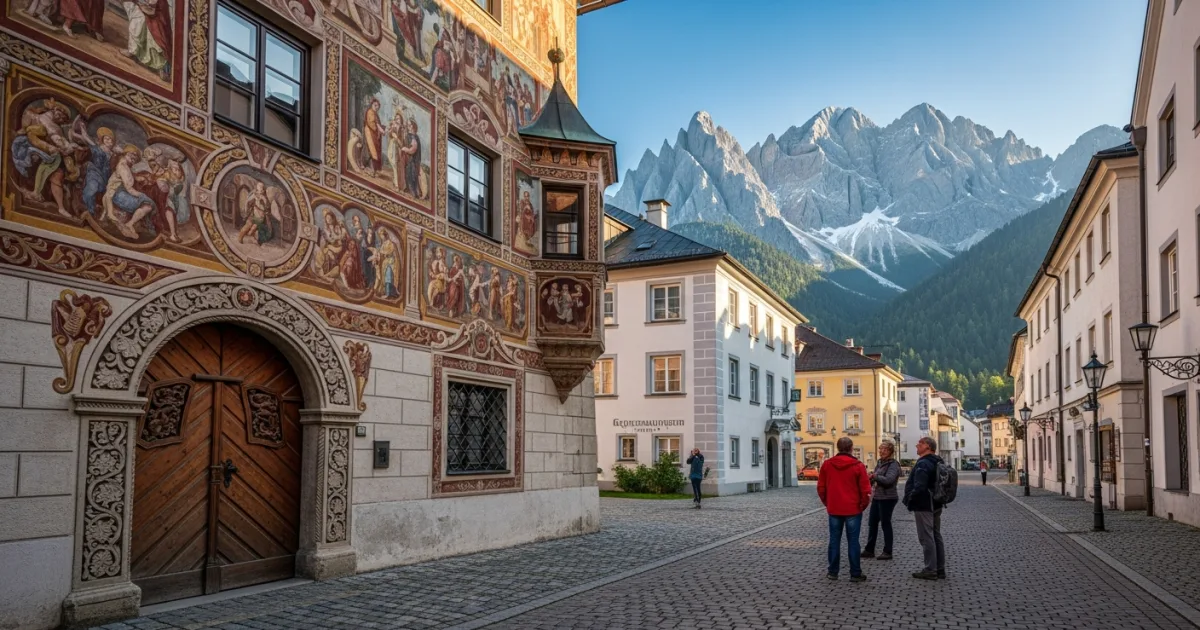
In addition to the permanent exhibits, the museum frequently hosts special events, including live demonstrations by contemporary luthiers and intimate classical music concerts. These events provide a dynamic way to experience the instruments, hearing their rich tones echoing through the very town where they were conceived. The surrounding streets of Mittenwald, famous for their vibrant frescoes (Lüftlmalerei), perfectly complement the artistic spirit found within the museum's walls.
Reasons to Visit
- Discover the fascinating history of Matthias Klotz and the origins of Mittenwald's violin-making industry.
- View rare and beautifully preserved historical stringed instruments dating back centuries.
- Experience a recreated traditional luthier's workshop to understand the meticulous craftsmanship involved.
- Enjoy a highly affordable cultural attraction in the heart of the Bavarian Alps.
- Combine your visit with exploring Mittenwald's famous painted houses and stunning mountain scenery.
Things to Avoid
- Avoid visiting right at closing time, as you will need at least an hour to fully appreciate the exhibits.
- Do not touch the historical instruments or tools on display unless explicitly permitted in interactive sections.
- Avoid driving directly into the historic town center; use designated parking areas on the outskirts.
Local Transportation Tips
Mittenwald is a highly walkable town, and the Geigenbaumuseum is easily accessible on foot from the main train station (Mittenwald Bahnhof) in about 10 minutes. If you are traveling from Munich or Innsbruck, regional trains provide scenic and reliable connections directly to the town. Local buses are also available for reaching nearby alpine trails or neighboring villages.
Travel Etiquette
- Maintain a quiet and respectful demeanor inside the museum, as it is a place of historical preservation.
- Ask for permission before taking flash photography, as bright lights can damage sensitive historical artifacts.
- Greet shopkeepers and museum staff with a polite 'Grüß Gott' or 'Hallo' upon entering.
Recommended Age Group
The Geigenbaumuseum offers a fascinating look into musical history that appeals to a wide range of ages, though its quiet, exhibit-focused nature is best suited for those who can appreciate the craftsmanship.
- Babies (0-2 years): Neutral. While babies are welcome, the museum's quiet environment and lack of interactive play areas mean it is more for the parents' enjoyment.
- Kids (3-12 years): Recommended. Children who play stringed instruments or have an interest in how things are made will find the recreated workshops intriguing.
- Teens (13-19 years): Recommended. Teens with an interest in music, history, or woodworking will appreciate the detailed exhibits and the town's cultural significance.
- Adults (20-64 years): Recommended. Adults will fully grasp the economic and cultural impact of the luthier trade on the region and enjoy the historical depth.
- Seniors (65+ years): Recommended. The museum offers a relaxed, slow-paced environment perfect for seniors, though some historic staircases may require navigation.
Accessibility Level: Medium
- The museum is located in a historic building, which means there are stairs and uneven floors.
- Elevator access may be limited; visitors with severe mobility issues should contact the museum in advance.
- Seating is available in various exhibition rooms for those who need to rest.
- Information panels are clear, but bringing reading glasses is recommended for smaller text.
Did You Know?
Did you know that Mittenwald was once nicknamed the 'Village of a Thousand Violins'? At the peak of its production in the 19th century, almost half of the town's families were involved in the instrument-making trade, exporting their finely crafted violins all over the world.
Cool Statistics
- Founded in: 1930
- Key historical figure: Matthias Klotz (brought violin making to Mittenwald in 1684)
- Average visit duration: 1 to 1.5 hours
- Standard adult admission: Approximately €5.50







Buy a compatible power adapter for your trip