Disclosure: This site contains affiliate links. We may earn a commission if you make a purchase, at no extra cost to you.

Hungary

Basic Info

COUNTRY & Region

Hungary,
Europe

ACCESSIBILITY LEVEL​

  • High: Widely accessible with good facilities for disabilities.
  • Medium: Some accessible options, but limitations exist.
  • Low: Limited accessibility; many barriers for disabilities.
Medium

LOCAL CURRENCY​

Hungarian Forint (HUF)

Price Level

Low – budget‑friendly basics

Medium – moderate mid‑range costs

High – pricey lodging, dining & transport

Medium

SAFETY LEVEL

5 shields = Excellent – very low crime or conflict.

4 shields = Safe – low risk, routine care.

3 shields = Relatively safe – use normal street smarts.

2 shields = Use caution – higher crime or periodic unrest.

1 shields = Avoid – active conflict or extreme danger.

Scores are derived from multi-year peace, homicide and security indices blended into a single 1-to-5 scale.

Recommended Duration

Overnight, 1-7 days

Hungary Overview & Key Highlights

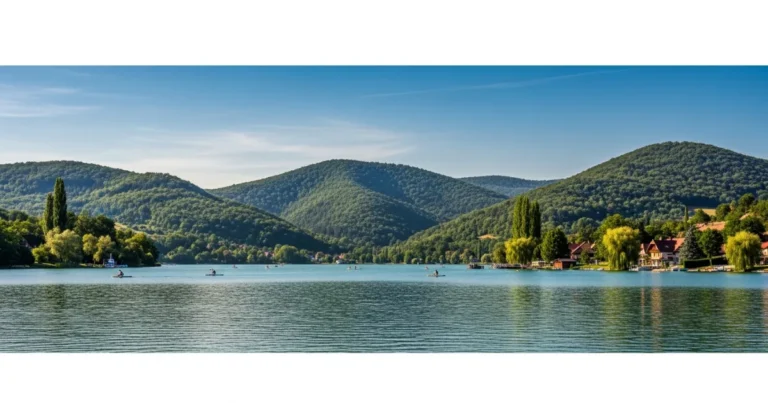
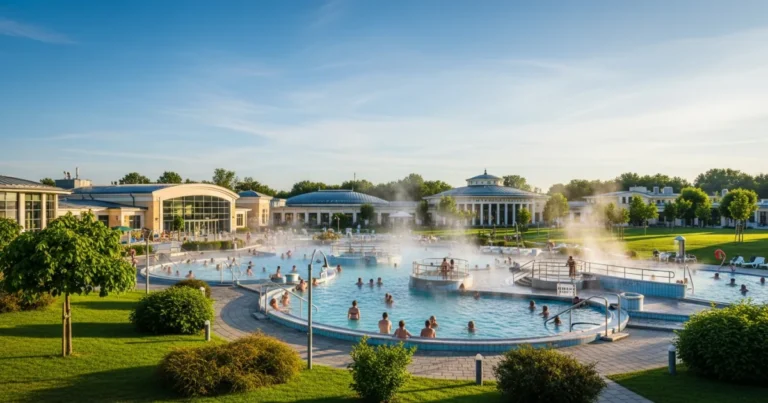
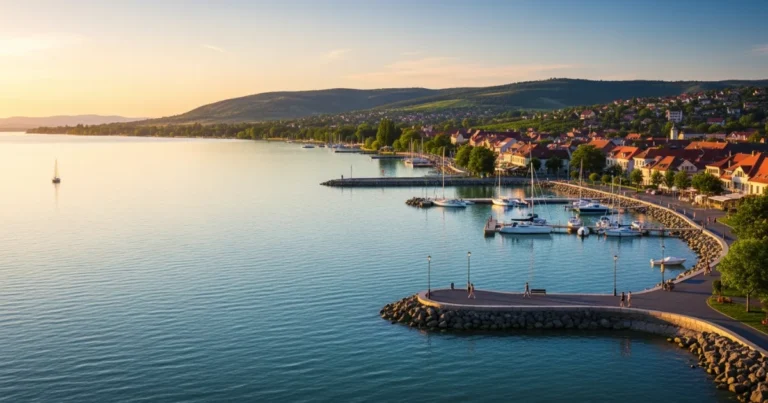
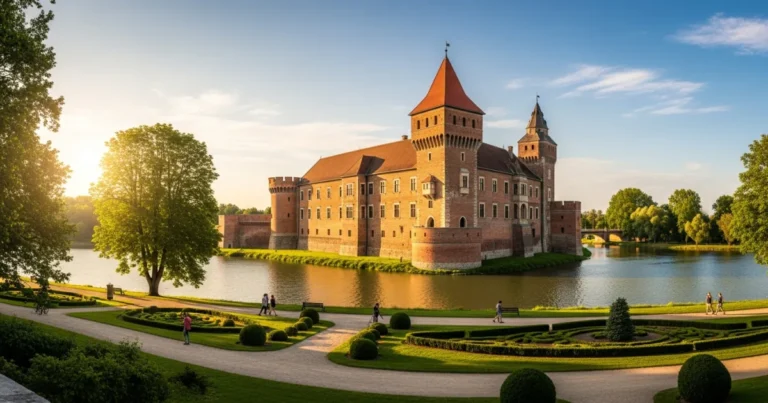
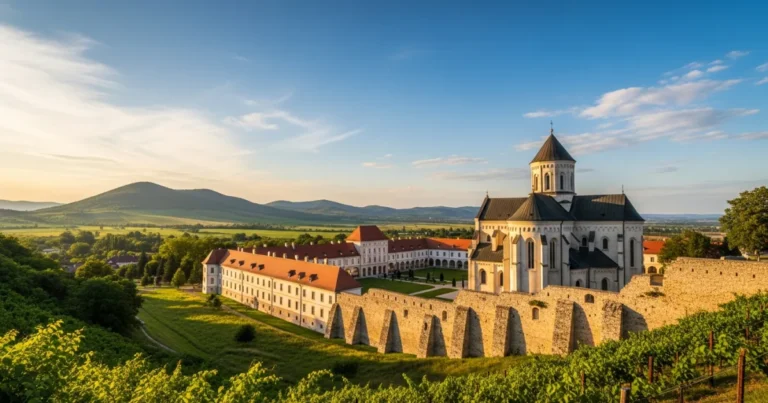
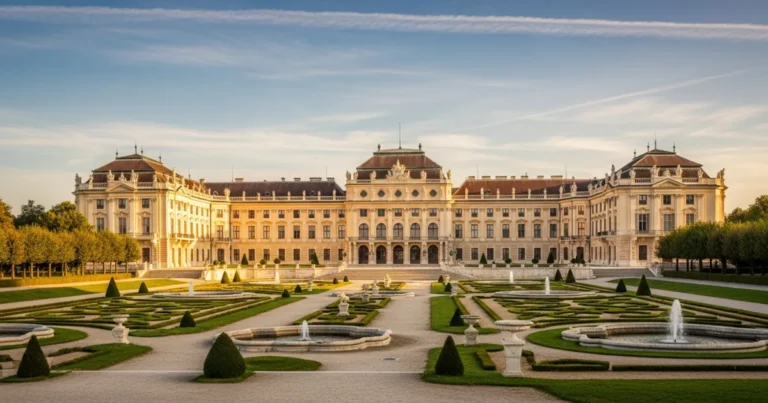
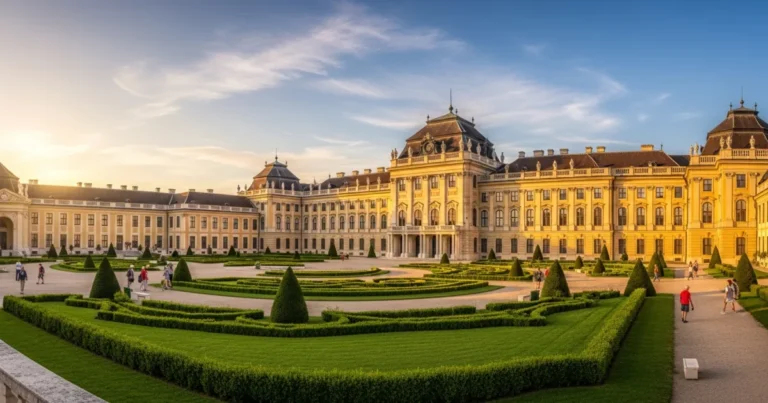
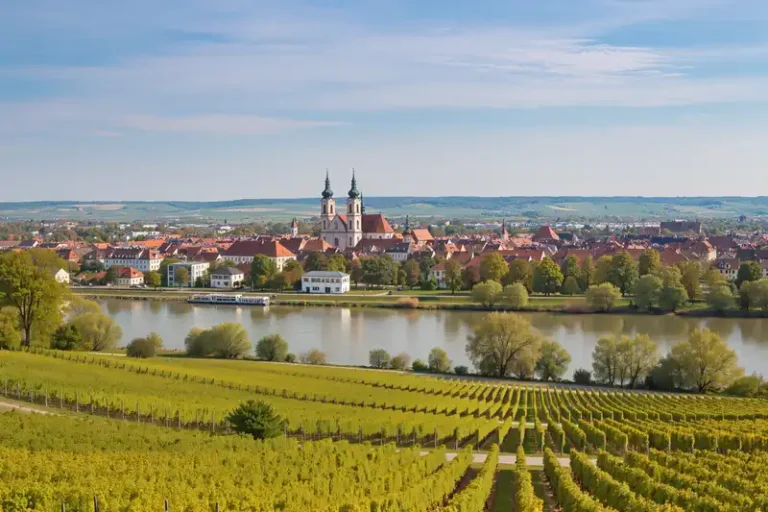
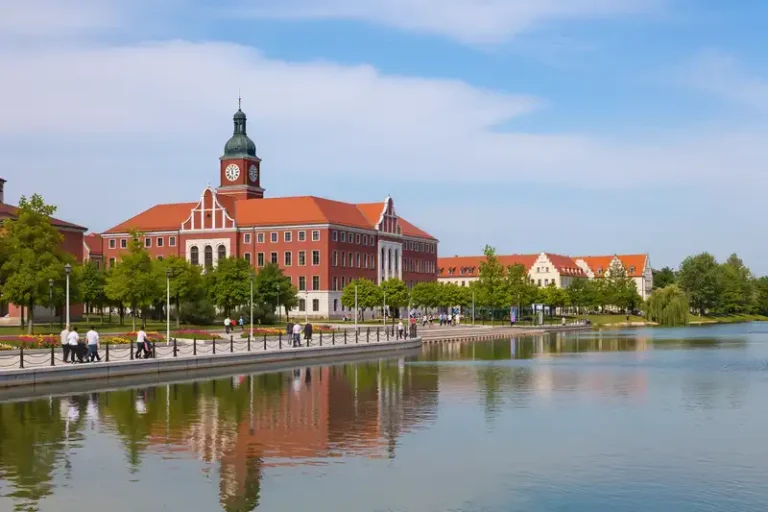
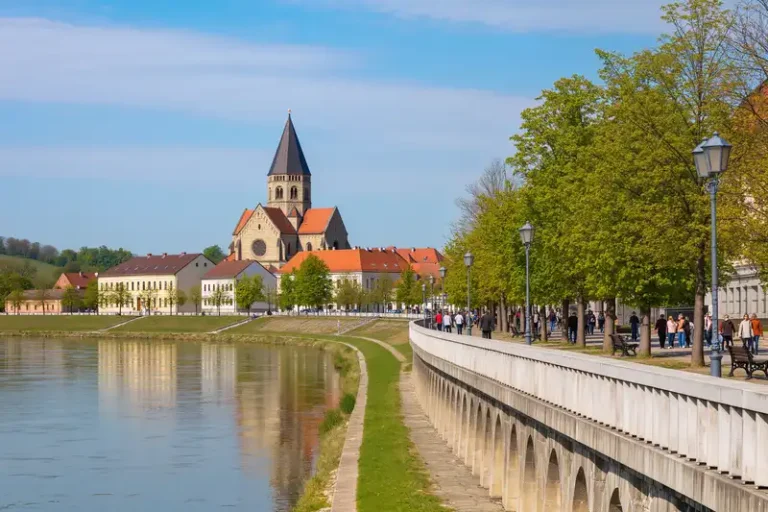
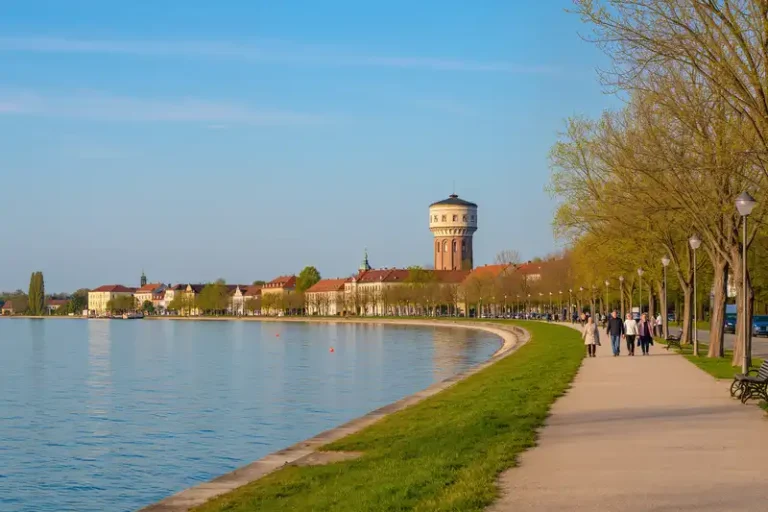
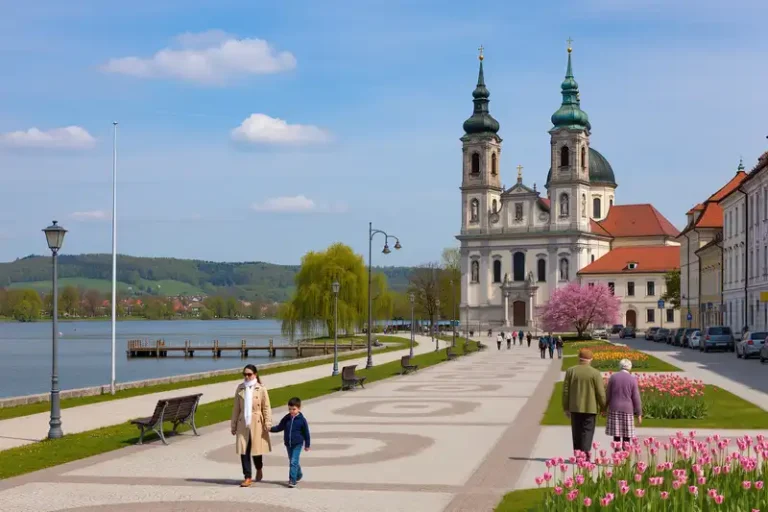
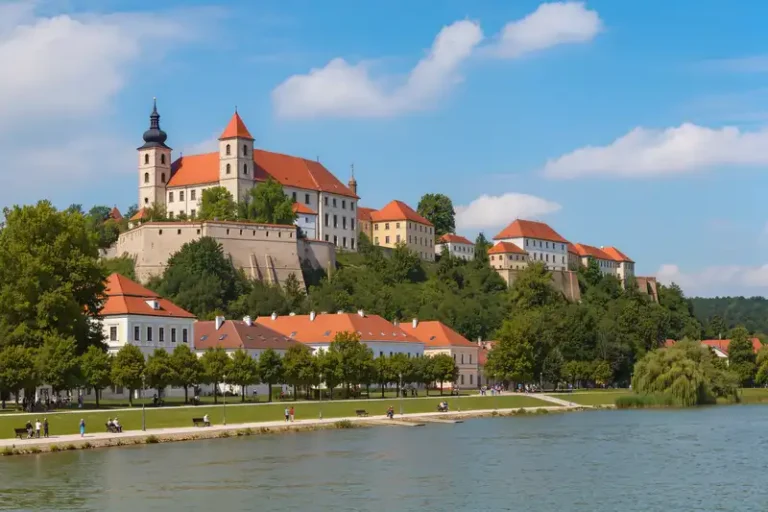
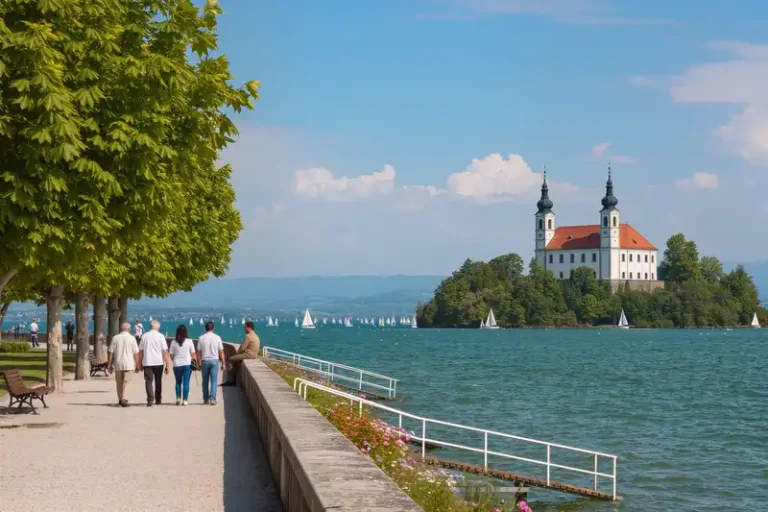
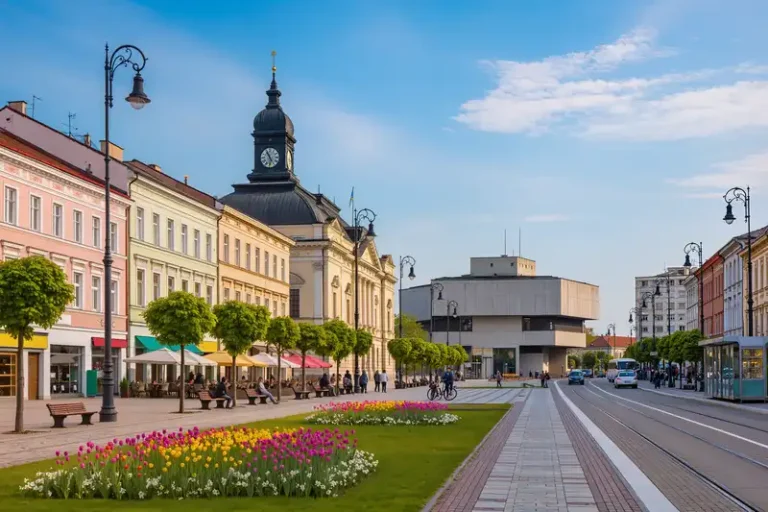
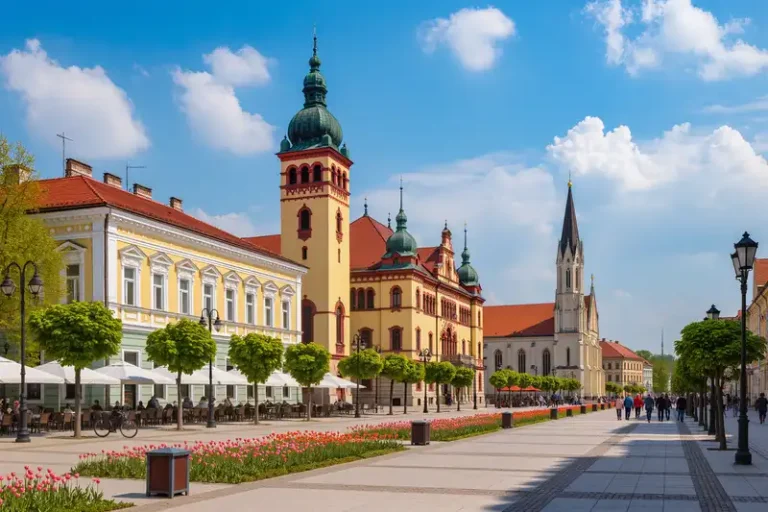
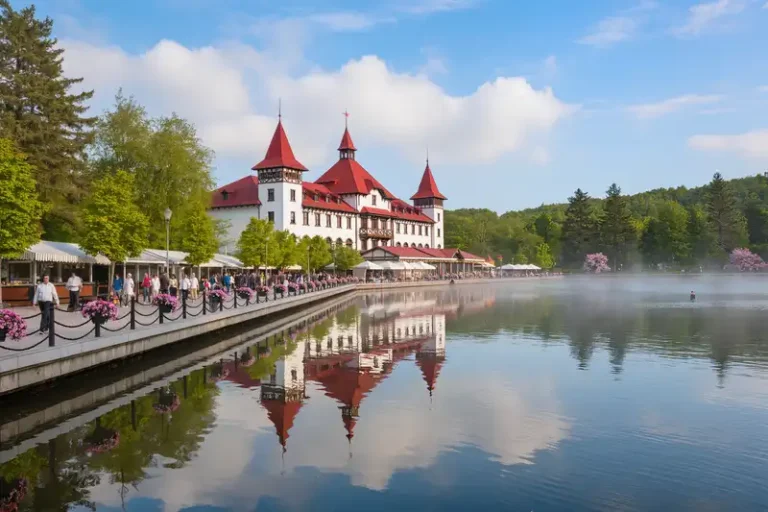
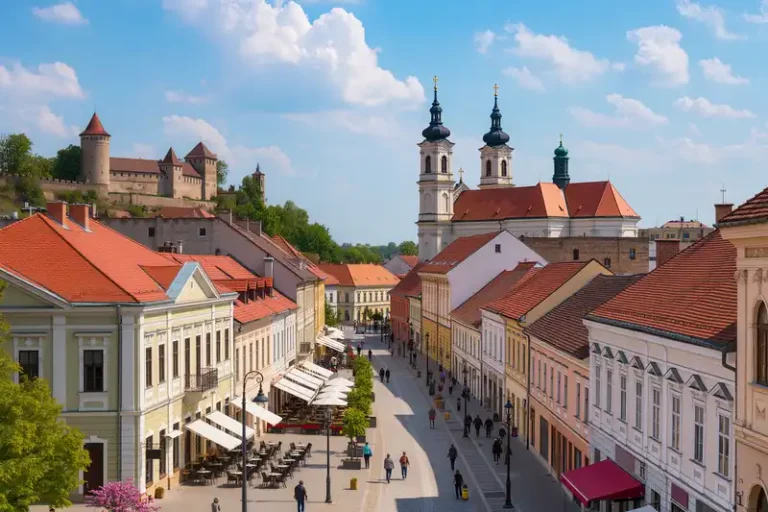
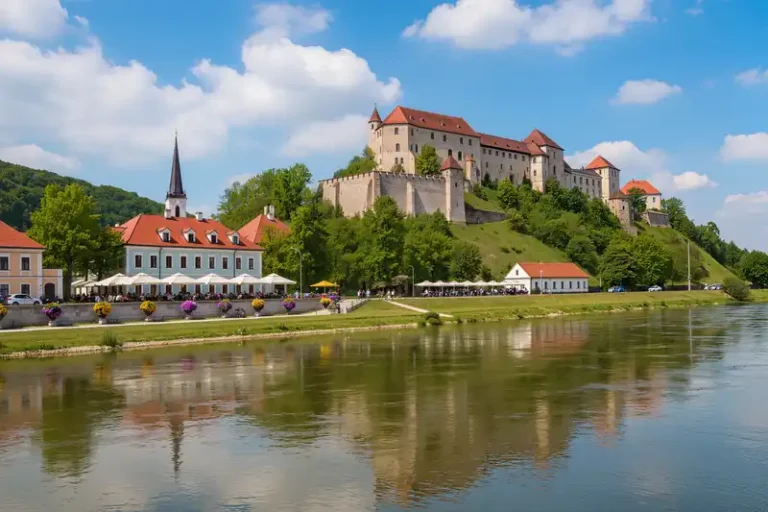
Hungary is a landlocked country in Central Europe, renowned for its rich history, stunning architecture, and vibrant cultural scene. From the thermal baths of Budapest to the serene landscapes of Lake Balaton, Hungary offers a diverse array of experiences for travelers. Hungary offers a harmonious blend of historical landmarks, cultural festivals, and natural beauty. Visitors can explore medieval castles, relax in world-famous thermal baths, and enjoy traditional Hungarian cuisine in bustling markets.

Hungary Travel Guide: Logistics & In-Depth Tips

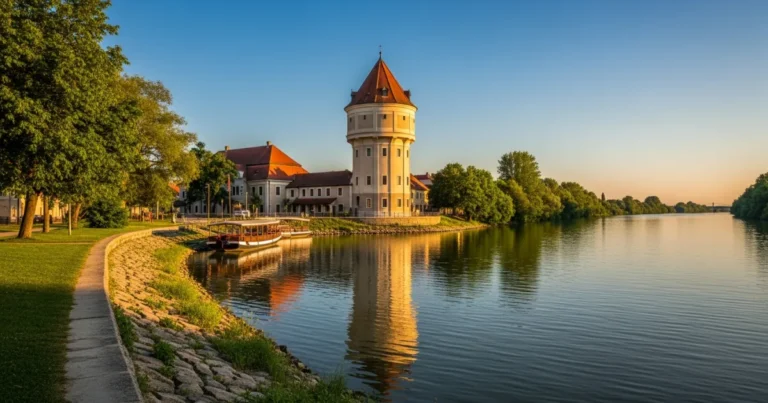
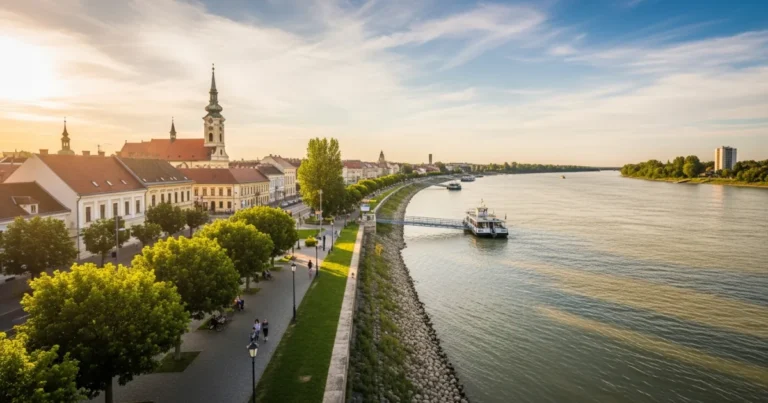
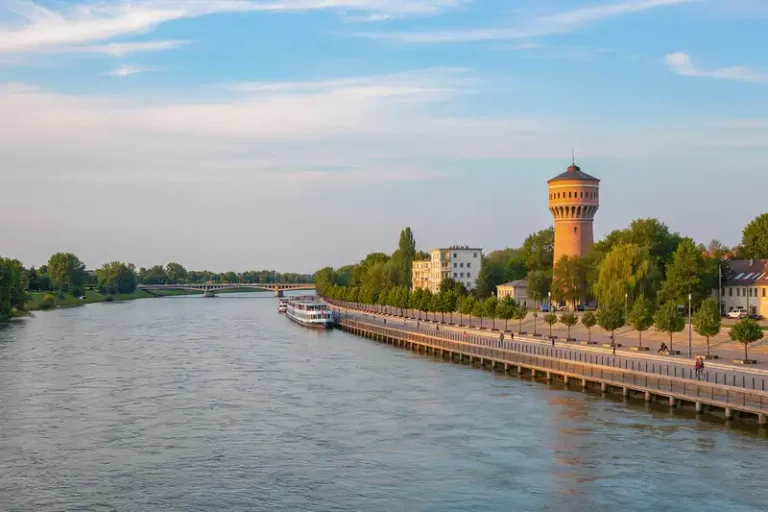
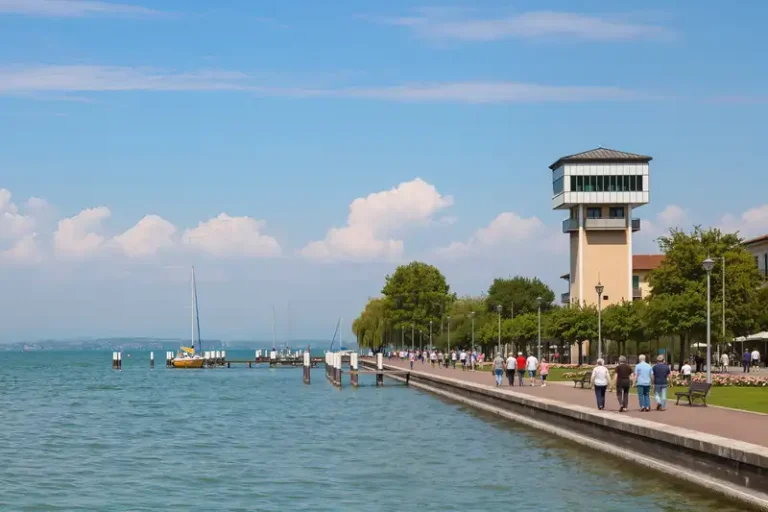
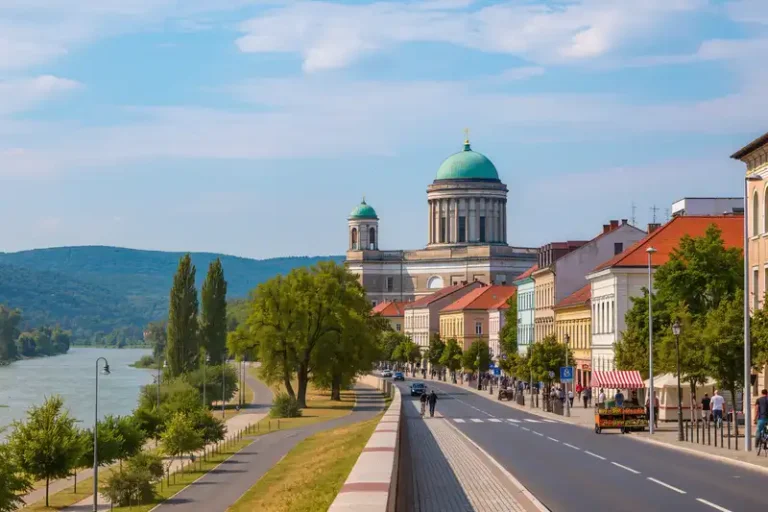
Budapest, the capital city, is often referred to as the "Paris of the East" due to its stunning architecture and vibrant cultural scene. The city is bisected by the Danube River, with Buda's historic Castle District on one side and Pest's lively urban landscape on the other. Beyond Budapest, Lake Balaton, the largest freshwater lake in Central Europe, is a popular destination for its beaches, vineyards, and scenic trails. Hungary's culinary scene is rich and diverse, with traditional dishes like goulash, chimney cake, and an array of pastries that reflect its multicultural history.

Reasons to Visit

  • Experience the grandeur of Buda Castle and its panoramic views of the Danube.
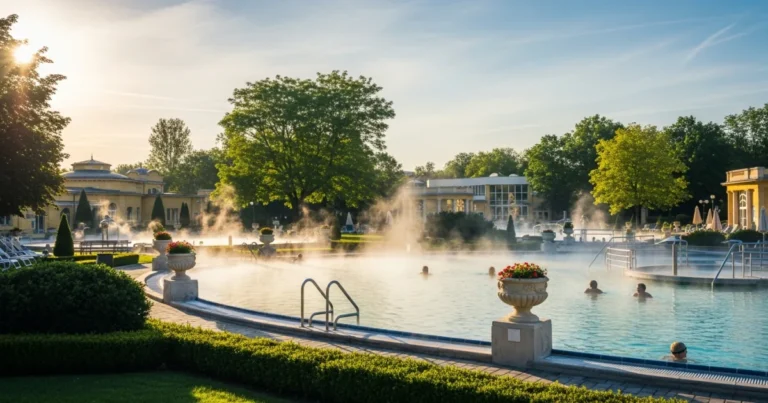
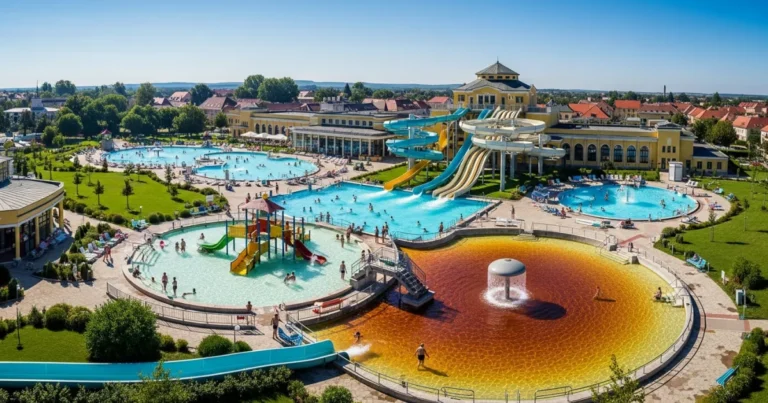
  • Relax in historic thermal baths, a tradition dating back to Roman times.
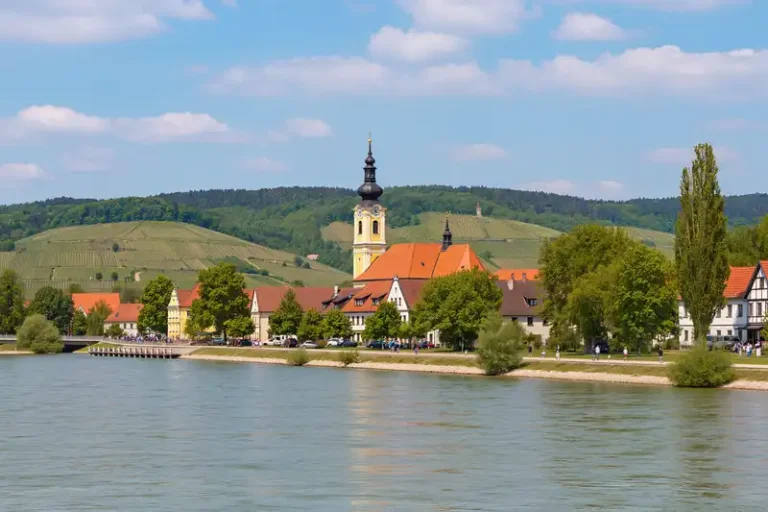
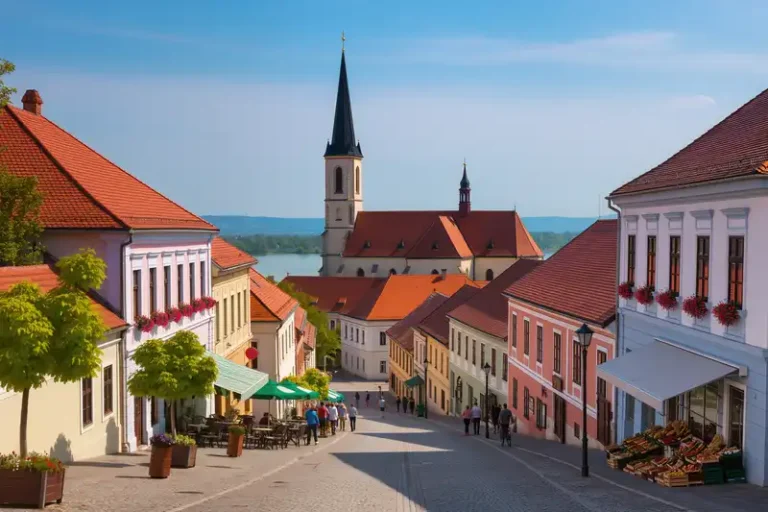
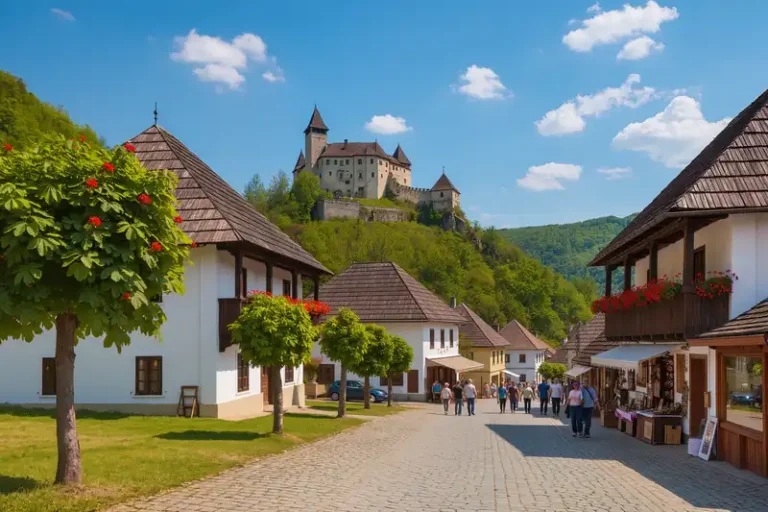
  • Explore charming villages that showcase traditional Hungarian architecture and crafts.
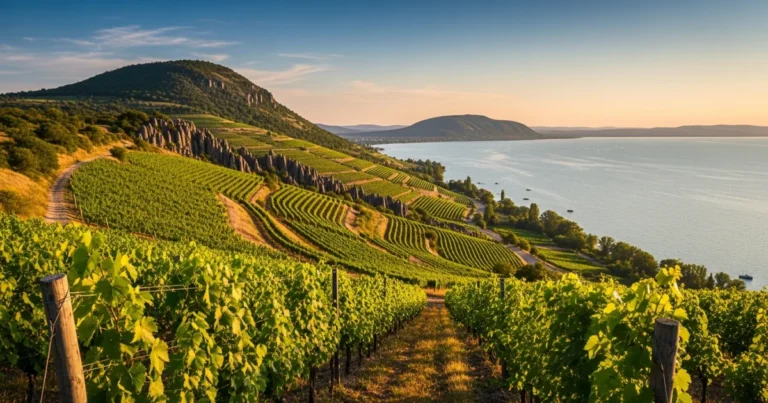
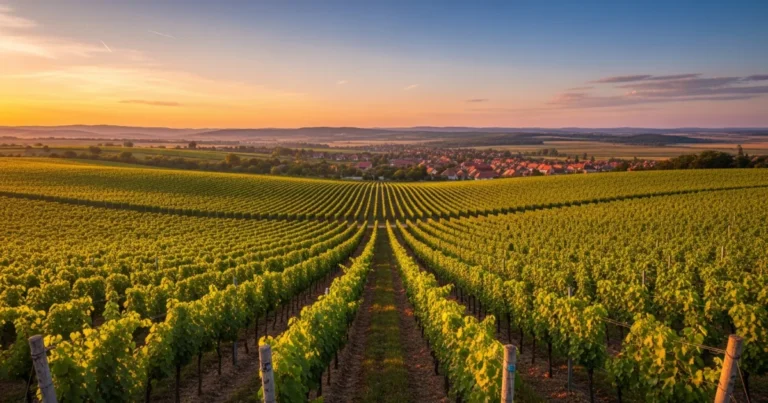
  • Enjoy world-class wines in regions like Tokaj and Eger.
  • Participate in vibrant festivals celebrating music, dance, and local traditions.

Things to Avoid

  • Avoid visiting during peak tourist months (July and August) if you prefer less crowded attractions.
  • Be cautious of unlicensed taxis; opt for reputable companies or ride-sharing services.
  • Refrain from taking photographs in certain religious sites without permission.
  • Avoid discussing sensitive political topics, as they can be contentious.

Did You Know?

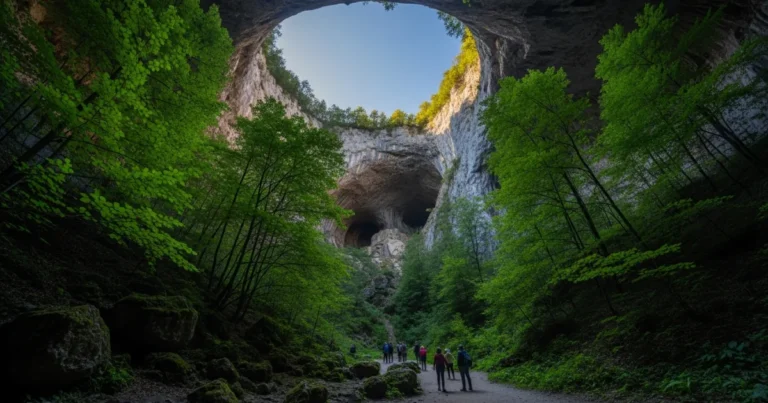
Hungary is home to the largest thermal water cave system in the world, and Budapest alone has over 120 thermal springs, earning it the nickname "City of Spas."

Cool Hungary Stats

  • Hungary has 10 national parks, 145 minor nature reserves, and 35 landscape protection areas.
  • The country boasts 22 wine regions, each with unique grape varieties and flavors.
  • Hungary has produced 13 Nobel laureates, contributing significantly to various


Accessibility Level: Medium

Hungary has made significant strides in improving accessibility, particularly in Budapest, where many public transport options and tourist attractions are equipped for travelers with mobility challenges. However, in smaller towns and historical sites, accessibility may be limited due to older infrastructure.


Recommended Age Group

Hungary is most suitable for Adults and Seniors due to its rich cultural heritage, historical sites, and relaxing thermal baths.

  • Babies (0-2 years): Not recommended due to limited facilities catering to infants and the nature of activities available.
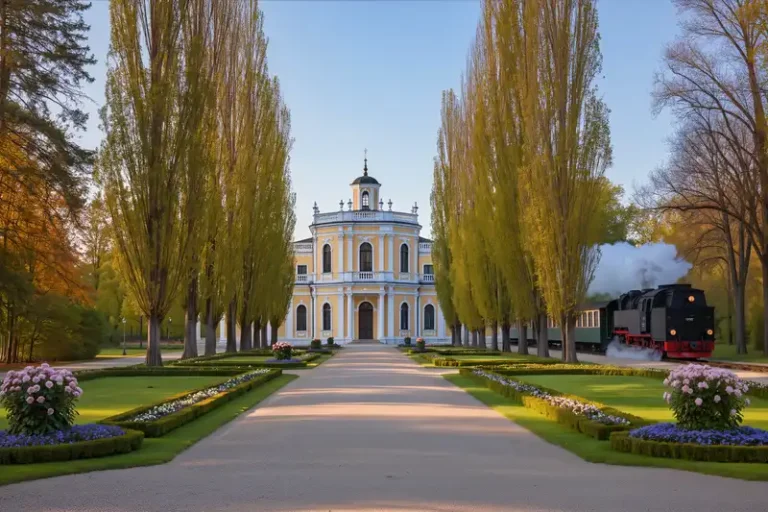
  • Kids (3-12 years): Highly recommended. Hungary, and Budapest in particular, offers numerous child-friendly attractions, including the City Park Zoo, the Palace of Wonders (Csopa), and the historic Children's Railway.
  • Teens (13-19 years): Recommended, especially in Budapest, which offers vibrant cultural experiences and modern attractions.
  • Adults (20-64 years): Highly recommended due to the diverse range of activities, including nightlife, cultural events, and outdoor adventures.
  • Seniors (65+ years): Highly recommended, particularly for those interested in history, culture, and leisurely activities like thermal baths.


Address:

Hungary

Find Nearby Accommodations

Electricity

220-240V, 
50Hz

Plug Type

Type C (Round pin), Type F (Two round pins with earth clips)
Plug types
Click To View Plug Types

Want a deeper experience in Hungary?

Explore private guides and find an experience that suits your interests.
Activities To Do In Hungary

Best Time To Visit Hungary

The best time to visit Hungary is during late spring (May to June) and early autumn (September to October) when the weather is pleasant, and tourist crowds are thinner.
  • Spring (March - May): Mild temperatures and blooming landscapes make it ideal for sightseeing and outdoor activities.
  • Summer (June - August): Warm weather with temperatures ranging from 25°C to 30°C; peak tourist season, especially around Lake Balaton.
  • Autumn (September - November): Cooler temperatures and vibrant fall foliage provide a picturesque setting for travelers.
  • Winter (December - February): Cold with occasional snowfall; a great time to experience thermal baths and festive Christmas markets.

Average Temperatures Per Month

Average monthly temperaturesMonthly source values, with Celsius and Fahrenheit equivalents in the following data table.-5°23°4°39°13°55°21°70°30°86°JanJan: 1°C / 34°FFebFeb: 4°C / 39°FMarMar: 7°C / 45°FAprApr: 11°C / 52°FMayMay: 16°C / 61°FJunJun: 22°C / 72°FJulJul: 24°C / 75°FAugAug: 23°C / 73°FSepSep: 18°C / 64°FOctOct: 13°C / 55°FNovNov: 7°C / 45°FDecDec: 3°C / 37°F
View temperature data
Average monthly temperatures
Month°C°F
Jan134
Feb439
Mar745
Apr1152
May1661
Jun2272
Jul2475
Aug2373
Sep1864
Oct1355
Nov745
Dec337

Remember to check the weather forecast a few days before the trip and before heading to the airport.

Safety Level

5 shields = Excellent – very low crime or conflict.

4 shields = Safe – low risk, routine care.

3 shields = Relatively safe – use normal street smarts.

2 shields = Use caution – higher crime or periodic unrest.

1 shields = Avoid – active conflict or extreme danger.

Scores are derived from multi-year peace, homicide and security indices blended into a single 1-to-5 scale.

Hungary is generally very safe for travelers, with authorities advising routine precautions throughout the country. Petty crime such as pickpocketing and bag snatching is the primary concern, particularly in crowded tourist hubs, busy train stations, and on public transit routes in Budapest. Be cautious of nightlife bill-padding scams in central entertainment districts, and always use official taxi apps or established fleets rather than hailing unmarked cabs on the street.

The rating is based on multi-year peace, crime, and security indices. Before you go, always verify current conditions through official government travel advisories.

Emergency Numbers

Police: 112 (Universal) / 107
Ambulance: 112 (Universal) / 104

No internet needed • Includes local translations • Free for TravelingWiz readers

Spoken Languages

The official language is Hungarian. In tourist areas, English and German are commonly spoken.
Travel Booking Partner - TravelingWiz

Learn The Language

  • Hello: Szia (SEE-ya)
  • Good morning: Jó reggelt (YO REH-gelt)
  • Please: Kérem (KEH-rem)
  • Thank you: Köszönöm (KØ-sø-nøm)
  • Yes: Igen (EE-gen)
  • No: Nem (nem)
  • Excuse me: Elnézést (EL-neh-zesht)
  • Do you speak English?: Beszél angolul? (BEH-sel AN-go-lul?)
  • How much does this cost?: Mennyibe kerül? (MEN-yee-beh KEH-rul?)
  • Goodbye: Viszontlátásra (VEE-sont-laa-taash-ra)

Trip Cost & Budgeting for Hungary, 2026

Everything you need to know about money while traveling
Is Hungary expensive for tourists in 2026? While prices have risen in recent years, Hungary remains one of Central Europe's most affordable destinations. Based on Human Verified prices, you can expect to pay around 900 HUF for a cappuccino, 1,200 HUF for a local beer, and 4,500 HUF for a main meal at a mid-range restaurant. Use the data table below to calculate your specific daily budget based on your travel style.

LOCAL CURRENCY​:

Hungarian Forint (HUF)

Price Level:

Low – budget‑friendly basics

Medium – moderate mid‑range costs

High – pricey lodging, dining & transport

Medium

Cards Vs. Cash

Hungary is largely card-friendly in cities, though small cash reserves are helpful for public toilets or rural markets.

How Much Cash to Carry (on you)

Per person, per day – pocket cash for small purchases.

Local: 3650
Hungarian Forint (HUF)
≈ 12 USD

Average Daily Costs (per person)

Full daily spend estimation (accommodation, food, transportation, attractions).

Travel Style
Hungarian Forint (HUF)
≈ USD ($)
Budget
19950
64
Mid-range
36300
116
Comfort
79850
256
Note

The Prices, Daily costs, and calculator results are estimates for planning purposes only. Actual costs may vary based on season, booking timing, personal spending habits, and currency fluctuations. TravelingWiz cannot be held responsible for discrepancies between these estimates and your final trip expenses.

Best Value Tips

  • • Take advantage of weekday lunch specials known as napi menü, which offer two or three courses for a fraction of regular menu prices.
  • • Always select local currency (HUF) on card terminals to avoid costly dynamic currency conversion fees.
  • • Use official bank ATMs like OTP, CIB, or K&H rather than high-fee Euronet machines when withdrawing cash.
  • • Purchase multi-day transit travelcards or use Budapest Pay&GO to save significantly on metro, bus, and tram transport.

Travel Offers & Coupons

Browse travel offers and coupons from our affiliate partners.
Affiliate partner offers

What To Pack

  • Comfortable Walking Shoes: Many of Hungary's attractions, especially in Budapest, involve walking on cobblestone streets and exploring expansive sites.
  • Swimwear: Don't miss out on the thermal baths; pack appropriate swimwear to enjoy this quintessential Hungarian experience.
  • Seasonal Clothing: Summers can be warm, while winters are cold with potential snowfall. Layering is advisable to adjust to indoor and outdoor temperatures.
  • Reusable Water Bottle: Tap water is safe to drink, and having a refillable bottle is both economical and eco-friendly.
Only the good stuff!
Browse recommended travel gear
Check out our free packing list tool

Recommended Itineraries for Traveling to Hungary

Take your itinerary with you

Choose a ready-made itinerary, plan your own trip, and keep TravelingWiz by your side while you travel.

Get the TravelingWiz app

Maya’s Final Checklist for Hungary

Logistics shouldn’t be the focus of your trip—the experience should. I’ve hand-vetted these essential partners to ensure your arrival, stay, and exploration are as smooth as an Athenian breeze.

Maya, the human travel expert at TravelingWiz, offering curated, non-AI expertise

Where to Stay

Compare accommodation options and choose a stay that suits your plans and budget.

Air Travel

Compare flight options and find a route that fits your plans.

Local Guides

Connect with local guides for personalized help planning and exploring.

Travel Protection

The “Engineer’s” rule: always have a backup. Secure your trip with a plan that covers every “what if” and unexpected change.

Car Rentals

Compare rental options and choose a car that suits your trip.

Visa Information

Don’t let paperwork slow you down. Get expert assistance with your application to ensure all your entry documents are in order.

FAQs

Hungary has an efficient public transportation system, including trains and buses, connecting major cities and towns. For exploring Budapest, the metro, trams, and buses are convenient options.
Yes, tipping is customary. A 10-15% tip is appreciated in restaurants and for services like taxis. In some establishments, a service charge may be included in the bill.
Credit cards are widely accepted in urban areas, especially in Budapest. However, in smaller towns and rural areas, it’s advisable to carry cash.
Must-try dishes include goulash (a hearty meat and vegetable stew), lángos (deep-fried dough often topped with sour cream and cheese), and chimney cake (a sweet, spiral-shaped pastry).
Yes, an e-vignette (e-matrica) is mandatory for using motorways. You can purchase these online or at gas stations for 10-day, monthly, or annual durations.
Hungary is part of the Schengen Area. Citizens from many countries can enter visa-free for stays up to 90 days. It’s best to check the specific visa requirements for your nationality before traveling.
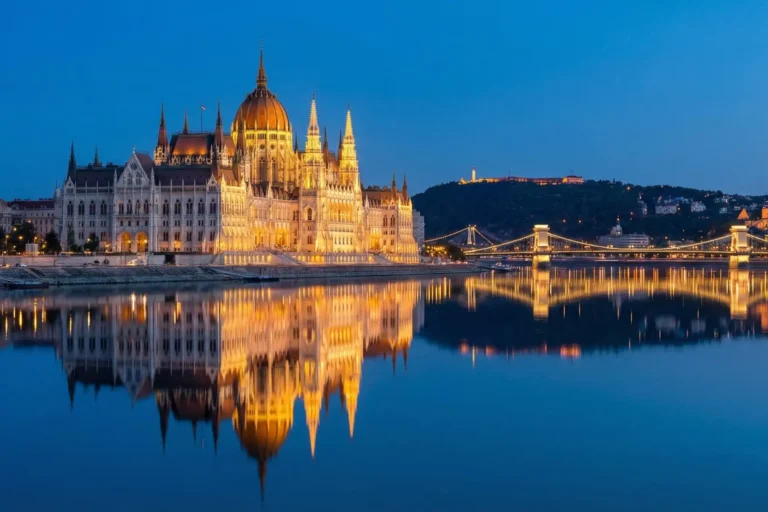
Top attractions include Buda Castle, Fisherman’s Bastion, the Hungarian Parliament Building, Heroes’ Square, Lake Balaton, and the historic town of Eger.
Hungary is renowned for its thermal baths, rich history, unique cuisine, folk traditions, and world-class wines from regions like Tokaj.
Yes, the “White Card” allows individual remote workers to reside in Hungary for up to one year (renewable) provided they meet the minimum monthly income requirements and work for a non-Hungarian company.
Yes, tap water in Hungary is safe to drink and meets strict European Union quality standards across both cities and rural areas. Bringing a refillable water bottle allows you to stay hydrated easily during your travels while saving money and reducing plastic waste.

Your Insights Matter

TravelingWiz grows through the stories of our community. If you’ve recently explored ,Hungary share your tips and stories to help us perfect our guides for the next traveler.

Where should we send your offline card?

We hate spam just as much as you do

newsletter_consent *