Disclosure: This site contains affiliate links. We may earn a commission if you make a purchase, at no extra cost to you.

Northern Hungary

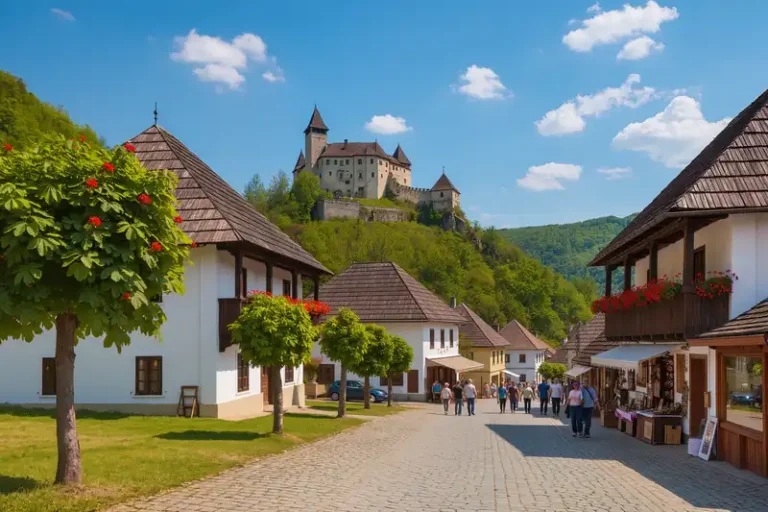
Eger Castle above the town in Northern Hungary

Basic Info

COUNTRY & Region

Hungary,
Europe

ACCESSIBILITY LEVEL​

  • High: Widely accessible with good facilities for disabilities.
  • Medium: Some accessible options, but limitations exist.
  • Low: Limited accessibility; many barriers for disabilities.
Medium

LOCAL CURRENCY​

Hungarian Forint (HUF)

Price Level

Low – budget‑friendly basics

Medium – moderate mid‑range costs

High – pricey lodging, dining & transport

Medium

SAFETY LEVEL

5 shields = Excellent – very low crime or conflict.

4 shields = Safe – low risk, routine care.

3 shields = Relatively safe – use normal street smarts.

2 shields = Use caution – higher crime or periodic unrest.

1 shields = Avoid – active conflict or extreme danger.

Scores are derived from multi-year peace, homicide and security indices blended into a single 1-to-5 scale.

Recommended Duration

Full day, 1-7 days

Northern Hungary Overview & Key Highlights

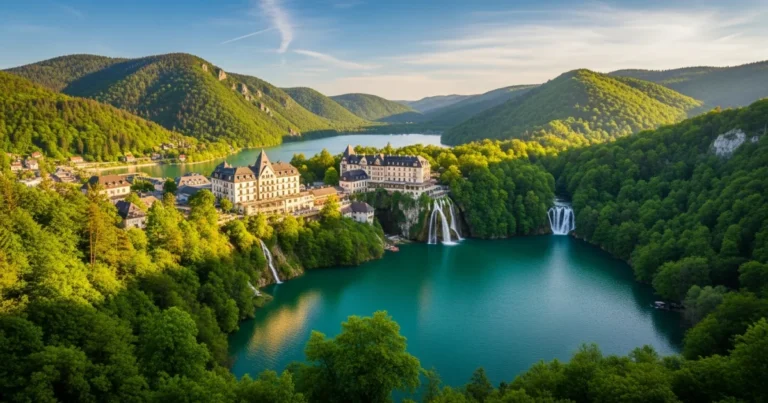
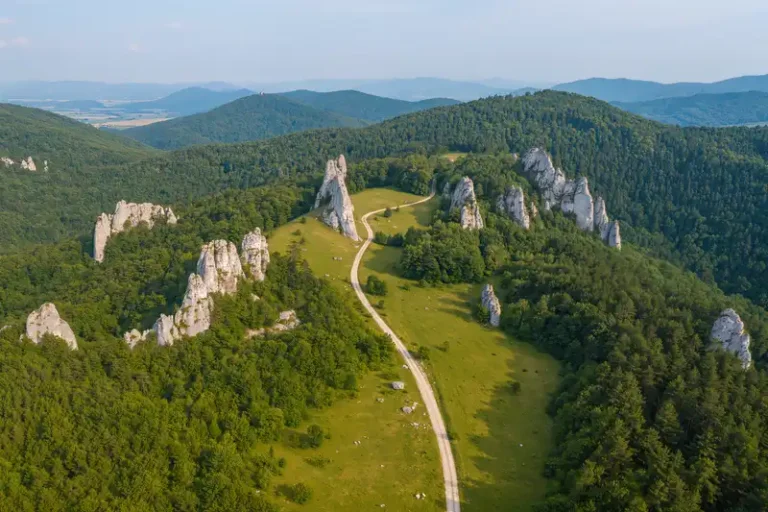
Northern Hungary encompasses the Bükk and Mátra mountains, historic cities like Eger and Miskolc, UNESCO-listed caves and the Tokaj wine region. It is a land of castles, thermal baths and natural beauty.

Northern Hungary Travel Guide: Logistics & In-Depth Tips

Northern Hungary encompasses the Bükk and Mátra mountains, historic cities like Eger and Miskolc, UNESCO-listed caves and the Tokaj wine region. It is a land of castles, thermal baths and natural beauty.

Reasons to Visit

  • Tour Eger Castle and the historic minaret overlooking the old town
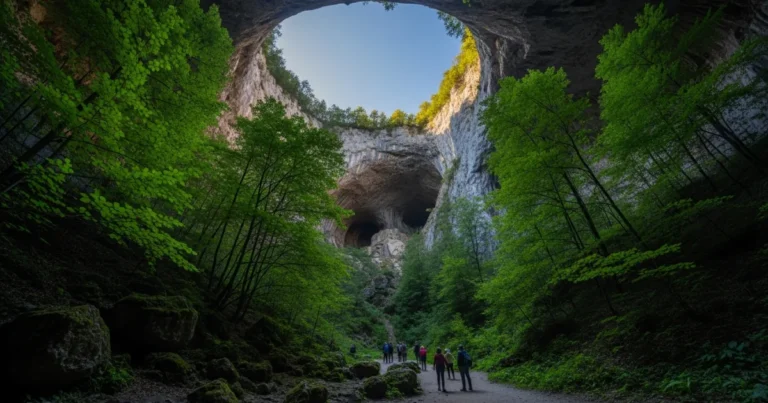
  • Descend into the Baradla Cave system in Aggtelek National Park to see stunning stalactites
  • Cruise underground lakes in the Miskolc-Tapolca Cave Bath and relax in thermal water
  • Taste world-famous Tokaj wines in cellars carved into volcanic rock
  • Hike forested trails in Bükk and Mátra National Parks with waterfalls and panoramic viewpoints

Things to Avoid

  • Entering caves without a guide; some passages are complex and require experience
  • Ignoring marked trails in national parks to protect wildlife and flora
  • Leaving valuables unattended at thermal baths and festivals

Local Transportation Tips

Trains connect Budapest with Eger, Miskolc and Tokaj. Regional buses serve national parks. A car is helpful for exploring rural wine villages and mountain roads.

Travel Etiquette

  • Observe silence in churches and cave tours
  • Taste wine politely: swirl, sniff and sip before commenting
  • Dispose of litter responsibly in protected areas
  • Wear modest clothing when visiting monasteries

Did You Know?

  • The Caves of Aggtelek Karst and Slovak Karst contain 712 documented caves and provide a record of geological history
  • Tokaj wine region has strictly regulated cellars and vineyard practices dating back nearly three centuries
  • Eger’s Bull’s Blood wine helped defend the city against the Ottoman siege in 1552, according to legend

Cool Stats

  • The Baradla Cave stretches over 26 kilometres of tunnels and chambers
  • The thermal waters at Miskolc-Tapolca Cave Bath are around 30°C year-round
  • Mátra’s Kékes Peak is Hungary’s highest point at 1,014 metres

Recommended Age Group

Northern Hungary is most suitable for Adults and Teens due to its adventurous caves, wine culture and historical sites.

  • Babies (0-2 years) - Not recommended: uneven terrain and cave tours can be unsafe
  • Kids (3-12 years) - Recommended: shallow cave sections, castles and zoo visits
  • Teens (13-19 years) - Highly recommended: caving, hiking and fortress stories
  • Adults (20-64 years) - Highly recommended: wine tastings, spas and cultural events
  • Seniors (65+ years) - Recommended: gentle walks, city tours and thermal baths

Accessibility Level: Medium

  • Cave tours often involve stairs and uneven floors; check accessible sections
  • Many castles have steep climbs and limited lifts
  • Thermal baths offer accessible pools and changing rooms in larger towns
  • Plan guided tours that accommodate limited mobility

Address:

Northern Hungary, Hungary

Find Nearby Accommodations

Electricity

220-240V, 
50Hz

Plug Type

Type C (Round pin), Type E (Two round pins with earth pin)
Plug types
Click To View Plug Types

Want a deeper experience in Northern Hungary?

Explore private guides and find an experience that suits your interests.

Activities To Do In Northern Hungary

Best Time To Visit Northern Hungary

The best time to visit Northern Hungary is May, June, July, August, September, October.

  • Spring (March-May) - wildflowers and mild weather ideal for cave tours and castle visits
  • Summer (June-August) - warm days for wine festivals and lake swimming
  • Fall (September-October) - vineyards turn golden and grape harvests take place
  • Winter (November-February) - skiing in the Mátra Mountains and quiet museum visits

Average Temperatures Per Month

Average monthly temperaturesMonthly source values, with Celsius and Fahrenheit equivalents in the following data table.-5°23°4°39°13°55°21°70°30°86°JanJan: 1°C / 34°FFebFeb: 4°C / 39°FMarMar: 7°C / 45°FAprApr: 11°C / 52°FMayMay: 16°C / 61°FJunJun: 22°C / 72°FJulJul: 24°C / 75°FAugAug: 23°C / 73°FSepSep: 18°C / 64°FOctOct: 13°C / 55°FNovNov: 7°C / 45°FDecDec: 3°C / 37°F
View temperature data
Average monthly temperatures
Month°C°F
Jan134
Feb439
Mar745
Apr1152
May1661
Jun2272
Jul2475
Aug2373
Sep1864
Oct1355
Nov745
Dec337

Remember to check the weather forecast a few days before the trip and before heading to the airport.

Safety Level

5 shields = Excellent – very low crime or conflict.

4 shields = Safe – low risk, routine care.

3 shields = Relatively safe – use normal street smarts.

2 shields = Use caution – higher crime or periodic unrest.

1 shields = Avoid – active conflict or extreme danger.

Scores are derived from multi-year peace, homicide and security indices blended into a single 1-to-5 scale.

Northern Hungary, encompassing scenic areas like the Tokaj wine region, Eger, and the Bükk and Mátra mountain ranges, is very safe and experiences minimal crime. When exploring outdoor trails or visiting thermal baths and historic sites, exercise routine precautions and keep personal belongings attended. Note that Hungary enforces a strict zero-tolerance policy for driving under the influence of alcohol, so arrange designated transport if participating in wine tastings. If hiking in forested or mountainous areas, prepare for variable weather and tick exposure during warmer months.

The rating is based on multi-year peace, crime, and security indices. Before you go, always verify current conditions through official government travel advisories.

Emergency Numbers

Police: 112 (Universal) / 107
Ambulance: 112 (Universal) / 104

No internet needed • Includes local translations • Free for TravelingWiz readers

Spoken Languages

Hungarian is the official language. In wine regions and tourist towns, English and German are sometimes spoken; learning basic phrases is appreciated.
Travel Booking Partner - TravelingWiz

Learn The Language

  • Jó reggelt – good morning
  • Kérek egy pohár bort – I’d like a glass of wine
  • Mennyi a belépő? – How much is the entrance fee?
  • Hol van a fürdő? – Where is the bath?
  • Viszlát – goodbye

Trip Cost & Budgeting for Northern Hungary, 2026

Everything you need to know about money while traveling
Is Northern Hungary expensive for tourists in 2026? No, it remains one of Central Europe's most affordable regions, offering exceptional value compared to Western capitals. Expect to pay around 780 HUF for a cappuccino, 700 HUF for a pint of local draught beer, and 4,000 HUF for a main restaurant meal. Featuring Human Verified prices, regional travel here is very reasonable. Use the data table below to calculate your specific daily budget based on your travel style.

LOCAL CURRENCY​:

Hungarian Forint (HUF)

Price Level:

Low – budget‑friendly basics

Medium – moderate mid‑range costs

High – pricey lodging, dining & transport

Medium

Cards Vs. Cash

Credit cards are widely accepted in hotels and restaurants, but carry cash for rural wine cellars and small vendors.

How Much Cash to Carry (on you)

Per person, per day – pocket cash for small purchases.

Local: 3400
Hungarian Forint (HUF)
≈ 11 USD

Average Daily Costs (per person)

Full daily spend estimation (accommodation, food, transportation, attractions).

Travel Style
Hungarian Forint (HUF)
≈ USD ($)
Budget
18700
60
Mid-range
34000
108
Comfort
74800
239
Note

The Prices, Daily costs, and calculator results are estimates for planning purposes only. Actual costs may vary based on season, booking timing, personal spending habits, and currency fluctuations. TravelingWiz cannot be held responsible for discrepancies between these estimates and your final trip expenses.

Best Value Tips

  • • Visit Eger's Valley of the Beautiful Women for affordable, high-quality wine tastings directly from cellar doors.
  • • Take advantage of MÁV regional train passes and Volánbusz discounts to travel cheaply between towns like Eger, Tokaj, and Miskolc.
  • • Enjoy lunch menu specials (napi menü) at local dining spots for a multi-course meal at a fraction of dinner prices.
  • • Purchase regional spa tickets during weekday morning hours to access thermal baths like Egerszalók at discounted rates.

Travel Offers & Coupons

Browse travel offers and coupons from our affiliate partners.
Affiliate partner offers

What To Pack

  • Sturdy walking shoes
  • Headlamp for cave tours
  • Light jacket for cool caves
  • Reusable water bottle
  • Warm layers for mountain evenings
  • Camera for landscape and architecture
Only the good stuff!
Browse recommended travel gear
Check out our free packing list tool

Recommended Itineraries for Traveling to Northern Hungary

Take your itinerary with you

Choose a ready-made itinerary, plan your own trip, and keep TravelingWiz by your side while you travel.

Get the TravelingWiz app

Food & Drink Highlights

Local Food Overview

Northern Hungarian cuisine features hearty soups, wild game, mushroom dishes and the world-renowned Tokaj wines. Meals often begin with noodle soup and include paprika-spiced meats and sweet pastries.

Must Try Dish

Beef Stew with Bull’s Blood Wine - a traditional local specialty often enjoyed in Northern Hungary.
Hungarian beef stew cooked with Bull’s Blood wine and served with dumplings

Maya’s Final Checklist for Northern Hungary

Logistics shouldn’t be the focus of your trip—the experience should. I’ve hand-vetted these essential partners to ensure your arrival, stay, and exploration are as smooth as an Athenian breeze.

Maya, the human travel expert at TravelingWiz, offering curated, non-AI expertise

Where to Stay

Compare accommodation options and choose a stay that suits your plans and budget.

Air Travel

Compare flight options and find a route that fits your plans.

Local Guides

Connect with local guides for personalized help planning and exploring.

Travel Protection

The “Engineer’s” rule: always have a backup. Secure your trip with a plan that covers every “what if” and unexpected change.

Car Rentals

Compare rental options and choose a car that suits your trip.

Visa Information

Don’t let paperwork slow you down. Get expert assistance with your application to ensure all your entry documents are in order.

FAQs

Key sights include Eger Castle, Aggtelek Caves, Tokaj wine cellars and Bükk National Park.
Yes, but choose age-appropriate cave tours and ensure children are supervised.
Take a train to Tokaj or Sárospatak, then join local wine tours.
Late spring through early autumn offers pleasant temperatures and clear trails.
Sample beef stew with bull’s blood wine, smoked cheese and “diós-mákos rétes” (walnut-poppy strudel).
You should plan for a daily budget of approximately 15,000 to 25,000 HUF per person to cover mid-range meals, entrance fees for caves or castles, and local transit. This estimate ensures you can enjoy local specialties like wine tastings and thermal baths while maintaining flexibility. Budgeting in local currency helps you manage costs effectively compared to Western European alternatives.
Yes, you should carry some Hungarian Forint, especially if you plan to visit smaller mountain villages, rural wine cellars, or local markets where credit card machines might not be available. While major towns and hotels accept cards, having cash for small purchases and tips is highly recommended to ensure you can access all regional services during your travels.
You should pack sturdy, non-slip walking shoes to navigate uneven cave floors and forest trails safely. Because cave temperatures remain cool year-round, bring a light jacket or warm layers, even during summer. A portable headlamp is also beneficial for cave exploration, and carrying a reusable water bottle will help you stay hydrated during your hikes in the Mátra or Bükk mountains.

Your Insights Matter

TravelingWiz grows through the stories of our community. If you’ve recently explored ,Northern Hungary share your tips and stories to help us perfect our guides for the next traveler.

Where should we send your offline card?

We hate spam just as much as you do

newsletter_consent *