Disclosure: This site contains affiliate links. We may earn a commission if you make a purchase, at no extra cost to you.

>
>
>
>
Pannonhalma

Pannonhalma

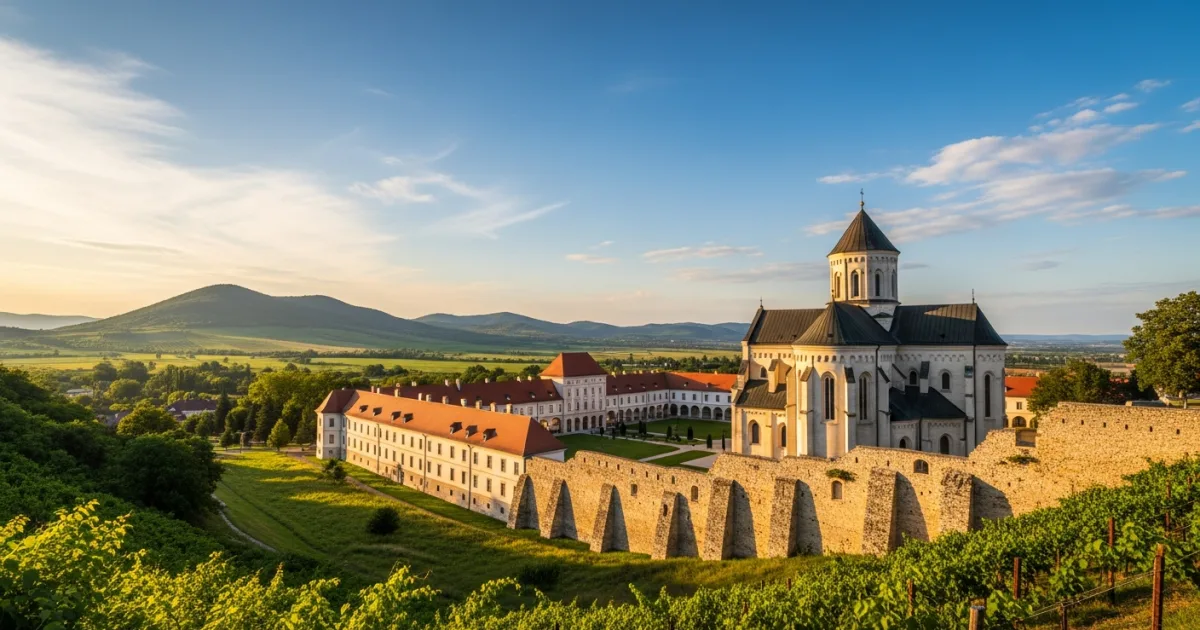
Pannonhalma Archabbey at sunset with vineyards

Pannonhalma Overview & Key Highlights

Pannonhalma is a small town in Hungary, primarily famous for its Benedictine Archabbey, a UNESCO World Heritage site. This spiritual and cultural center has stood for over a millennium, offering visitors a profound journey through history, architecture, and monastic life. The Archabbey complex includes a basilica, a medieval library, a herb garden, and a winery, making it a multifaceted destination for cultural enthusiasts and those seeking tranquility. Beyond the abbey, the surrounding region of Western Transdanubia provides a picturesque backdrop of rolling hills and vineyards. Pannonhalma serves as an excellent base for exploring Hungary's rich heritage, combining spiritual reflection with opportunities for wine tasting and enjoying the serene Hungarian countryside. It's a place where ancient traditions meet natural beauty, promising a memorable and enriching travel experience.

Pannonhalma Travel Guide: Logistics & In-Depth Tips

The Pannonhalma Archabbey, founded in 996 AD, is one of Hungary's most significant historical and spiritual sites. This active Benedictine monastery has continuously served as a center of monastic life, learning, and culture for over a thousand years. Its architectural ensemble spans various periods, from the Romanesque basilica and Gothic cloister to Baroque additions, showcasing a rich tapestry of European architectural styles. The Archabbey's library houses an impressive collection of ancient manuscripts, while its herb garden cultivates medicinal plants used in traditional remedies. The on-site winery, revitalized in recent decades, continues the monastic tradition of viticulture, producing acclaimed wines that reflect the region's unique terroir. A visit here offers not just a glimpse into the past but an immersion into a living heritage.

Reasons to Visit

  • Explore a UNESCO World Heritage Site with over a millennium of history.
  • Admire stunning Romanesque, Gothic, and Baroque architecture.
  • Discover one of the world's most significant monastic libraries.
  • Experience the tranquility of the herb garden and arboretum.
  • Enjoy wine tasting at the Archabbey's historic winery.
  • Gain insight into Benedictine monastic life and cultural contributions.
  • Witness panoramic views of the Western Transdanubian landscape.
  • Attend cultural events, concerts, or religious services held at the abbey.

Things to Avoid

  • Avoid visiting without checking opening hours, especially for specific sections like the library or winery, as they may vary.
  • Do not disrespect the monastic environment; dress modestly and maintain a respectful demeanor, especially in sacred areas.
  • Avoid loud conversations or disruptive behavior during guided tours or in quiet zones.
  • Do not attempt to enter restricted areas without permission.
  • Avoid relying solely on public transport if you plan to explore the wider region extensively, as connections can be limited.

Local Transportation Tips

Pannonhalma is a relatively small town, and the Archabbey complex itself is easily walkable once you arrive. For reaching Pannonhalma, regular bus services connect it to nearby cities like Győr, which is a major railway hub. From Budapest, you can take a train to Győr and then transfer to a local bus. Taxis are available in Győr, but less common directly in Pannonhalma. If you plan to explore the surrounding wine region or other attractions in Western Transdanubia, renting a car offers the most flexibility.

Travel Etiquette

  • Dress modestly when visiting the Archabbey, covering shoulders and knees, as it is a religious site.
  • Be punctual for guided tours, as they often run on a strict schedule.
  • Silence your mobile phone during tours and in sacred spaces.
  • Ask for permission before taking photos of people, especially monks.
  • When dining, it's customary to wait for everyone to be served before starting to eat.
  • A small tip (10-15%) is appreciated in restaurants if service is not already included.

Recommended Age Group

Pannonhalma offers a rich blend of history, culture, and natural beauty, making it a rewarding destination for a wide range of visitors, though some aspects may appeal more to certain age groups.

  • Babies (0-2 years): Neutral. While the open spaces and gardens can be pleasant, navigating strollers within the historic abbey buildings, especially those with stairs or uneven surfaces, can be challenging. Facilities for babies are limited.
  • Kids (3-12 years): Recommended. Children can enjoy exploring the vast abbey grounds, the herb garden, and the general sense of history. The open spaces provide room to move, and the stories of monks and ancient times can spark their imagination.
  • Teens (13-19 years): Recommended. Teens with an interest in history, architecture, or culture will find Pannonhalma highly engaging. The library, basilica, and the overall historical significance offer ample educational opportunities.
  • Adults (20-64 years): Recommended. This age group will fully appreciate the historical depth, architectural grandeur, cultural significance, and the opportunity for wine tasting. Guided tours provide comprehensive insights into the abbey's millennium-long history.
  • Seniors (65+ years): Recommended. Pannonhalma is generally accessible, with guided tours often accommodating a slower pace. While some walking is required, benches are available, and the serene atmosphere is conducive to a relaxed visit.

Accessibility Level: Medium

  • The main visitor center and some parts of the abbey complex are wheelchair accessible, but certain historic sections, particularly older parts of the basilica and library, may have stairs or uneven surfaces.
  • Accessible restrooms are available at the visitor center.
  • Guided tours can often be adapted for visitors with mobility challenges upon prior request.
  • The herb garden and arboretum paths are generally flat and manageable for most visitors.
  • Information is available in multiple languages, including English, for international visitors.

Did You Know?

The Benedictine Archabbey of Pannonhalma is not only a spiritual center but also a significant educational institution, operating a high school and a theological college. It has been a continuous center of learning and culture for over a millennium, playing a crucial role in the spread of Christianity and Western culture in Central Europe. The monks have also maintained a tradition of herbal medicine and viticulture for centuries, with their products still available today.

Cool Statistics

  • Founded: 996 AD
  • UNESCO World Heritage Site: Inscribed in 1996
  • Library Collection: Over 360,000 volumes, including ancient manuscripts.
  • Vineyard Area: Approximately 20 hectares, producing around 150,000 bottles annually.
  • Herb Garden: Home to hundreds of medicinal and aromatic plants.
  • Elevation: The abbey stands on a hill approximately 282 meters (925 feet) above sea level.

Address:

Pannonhalma, Hungary

Find Nearby Accommodations

Basic Info

address icon

COUNTRY & Region

Hungary,
Europe

ACCESSIBILITY LEVEL​

Medium
Currency icon

LOCAL CURRENCY​

Hungarian Forint (HUF)
Price level icon
Low
Safety Level icon

SAFETY LEVEL

Duration icon

Recommended Duration

• 3-5 hours (Half a day)
• Full day
• Overnight
• 1-7 days

Electricity

electricity icon

Electricity

220-240V, 
50Hz
Plug Socket icon

Plug Type

• Type C (Round pin)
• Type F (Two round pins with earth clips)
Plug types
Click To View Plug Types

Activities To Do In Pannonhalma

Best Time To Visit Pannonhalma

The best time to visit Pannonhalma is from late spring to early autumn (April to October), when the weather is pleasant for exploring the abbey and its gardens, and the vineyards are lush.

  • Spring (April-May): Mild temperatures, blooming gardens, and fewer crowds. Ideal for comfortable sightseeing.
  • Summer (June-August): Warmest months, perfect for outdoor activities and enjoying the vineyards. Can be busier with tourists.
  • Autumn (September-October): Pleasant temperatures, beautiful fall foliage, and grape harvest season, offering unique wine-related experiences.
  • Winter (November-March): Colder and quieter, with some attractions potentially having reduced hours. Still offers a serene, contemplative experience for those seeking tranquility.

Average Temperatures Per Month

Remember to check the weather forecast a few days before the trip and before heading to the airport.

Safety Level icon

Safety Level

Pannonhalma is generally a very safe destination. However, it's always wise to take standard precautions: be aware of your surroundings, especially in crowded areas, and keep an eye on your personal belongings. The Archabbey complex is well-maintained and secure. When exploring the wider region, ensure your vehicle is locked and valuables are out of sight.

The rating is based on multi-year peace, crime, and security indices. Before you go, always verify current conditions through official government travel advisories.

Emergency Numbers

Police: 112 (Universal) / 107
Ambulance: 112 (Universal) / 104

No internet needed • Includes local translations • Free for TravelingWiz readers

Spoken Languages

Hungarian is the official language. English and German are commonly spoken by staff at the Archabbey and in tourist-oriented services. Learning a few basic Hungarian phrases can enhance your experience.

Learn The Language

  • Szia / Jó napot (Hello – informal/formal)
  • Köszönöm (Thank you)
  • Kérem (Please)
  • Elnézést (Excuse me)
  • Igen (Yes)
  • Nem (No)
  • Mennyibe kerül? (How much is this?)
  • Beszél angolul? (Do you speak English?)
Travel Booking Partner - TravelingWiz

Trip Cost & Budgeting for Pannonhalma, 2026

Everything you need to know about money while traveling
Is Pannonhalma expensive for tourists in 2026? Not at all, as it remains a highly affordable destination. Visitors can expect to pay around 850 HUF for a cappuccino, 900 HUF for a pint of domestic beer, and about 5,000 HUF for a standard main meal at a mid-range restaurant. These Human Verified prices show that a trip here is excellent value. Use the data table below to calculate your specific daily budget based on your travel style. With TravelingWiz's Human Verified data, a typical traveler should expect to spend around $122 USD per day for a mid-range trip in Pannonhalma. Click the Trip Cost Calculator button below the table to work out your personal budget for this trip.
Currency icon

LOCAL CURRENCY​:

Hungarian Forint (HUF)
Price level icon
Low
Credit cards are widely accepted in Pannonhalma, but keeping some HUF cash is useful for small vendors and tips.

Per person, per day – pocket cash for small purchases.

Local: 7700
Hungarian Forint (HUF)
≈ 24 USD

Full daily spend estimation (accommodation, food, transportation, attractions).

Travel Style
Hungarian Forint (HUF)
≈ USD ($)
Budget
21200
67
Mid-range
38500
122
Comfort
84700
268

The Prices, Daily costs, and calculator results are estimates for planning purposes only. Actual costs may vary based on season, booking timing, personal spending habits, and currency fluctuations. TravelingWiz cannot be held responsible for discrepancies between these estimates and your final trip expenses.

  • • Buy a combined ticket for the Archabbey, which includes the library, basilica, and botanical gardens to save on individual entry fees.
  • • Dine at local guesthouses (panziós) or look for the "napi menü" (daily lunch menu) in town for high-quality, low-cost traditional meals.
  • • Take the local bus or train from nearby Győr instead of booking expensive private day tours from Budapest.
  • • Purchase the abbey's famous wines and herbal products directly from the official monastery shop rather than third-party souvenir stores.

Pre-Order Tickets

Avoid disappointment when tickets sell out — and skip the long lines by booking online in advance. You’ll often save up to 20% too.
Save up to 20%

Travel Discounts & Coupons

Save on hotels, attractions, transport, and gear — find verified discounts for smarter travel spending.
Verified Coupons

What To Pack

  • Comfortable walking shoes for exploring the abbey grounds and surrounding areas.
  • Modest clothing (shoulders and knees covered) for visiting the Archabbey and other religious sites.
  • Layered clothing, especially during spring and autumn, as temperatures can vary.
  • Sunscreen and a hat during summer months.
  • A reusable water bottle to stay hydrated.
  • Camera to capture the stunning architecture and scenic views.
We couldn't find tips for Pannonhalma.
If you got any, please share

Recommended Itineraries for Traveling to Pannonhalma

We couldn't find itineraries for Pannonhalma.
you can contact us for custom trip plan

Food & Drink Highlights

Local Food Overview

Hungarian cuisine is renowned for its rich flavors, often featuring paprika, onions, and various meats. Beyond the famous goulash, visitors to Pannonhalma can savor dishes like paprikás csirke (chicken paprikash), halászlé (fisherman's soup), and lángos (fried dough). The region also boasts excellent wines, particularly from the Pannonhalma wine region, known for its aromatic whites and elegant reds, often paired with local cheeses and cured meats.
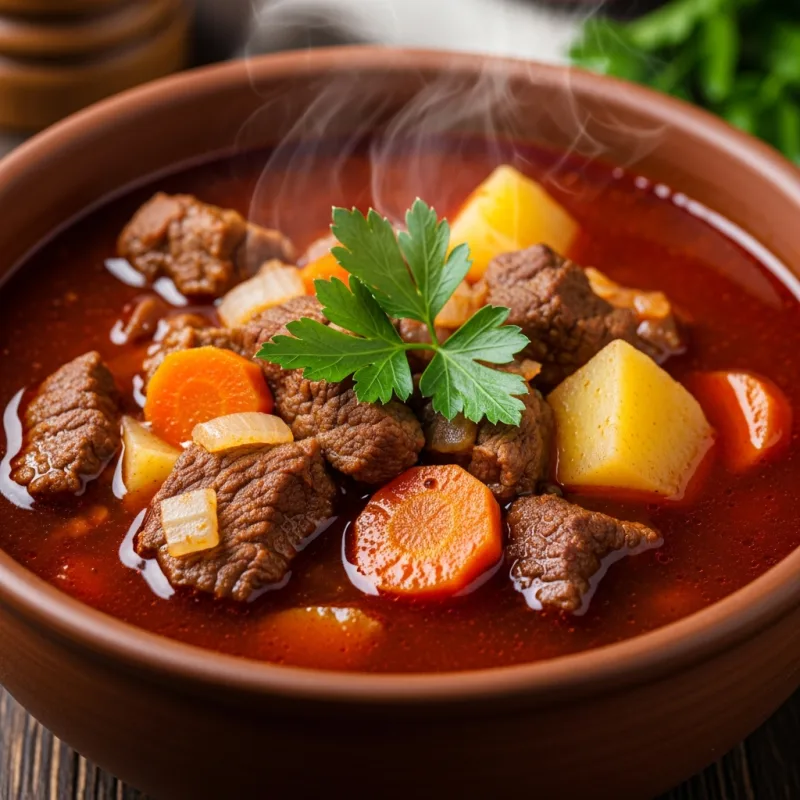
Traditional Hungarian Gulyásleves (Goulash Soup)

Must Try Dish

Gulyásleves (Goulash Soup) - Gulyásleves, or Hungarian Goulash Soup, is a hearty and flavorful stew, deeply rooted in Hungarian culinary tradition. This iconic dish features tender beef, potatoes, carrots, and onions, all simmered in a rich, paprika-infused broth that warms the soul.
Food Experiences Title Icon

Food
Experiences

Discover cooking classes, tastings and local food tours

No food experience found
Maya, the human travel expert at TravelingWiz, offering curated, non-AI expertise

Maya’s Final Checklist for Pannonhalma

Logistics shouldn’t be the focus of your trip—the experience should. I’ve hand-vetted these essential partners to ensure your arrival, stay, and exploration are as smooth as an Athenian breeze.

Where to Stay

From boutique hotels to local apartments—compare thousands of options and find the perfect stay in the best neighborhood.

Air Travel

Getting there should be seamless. Compare the best routes and prices across top airlines to start your journey on the right note.

Local Guides

Connect with experts who know the destination best. Get personalized advice and insider tips to help you plan your perfect trip.

Travel Protection

The “Engineer’s” rule: always have a backup. Secure your trip with a plan that covers every “what if” and unexpected change.

Car Rentals

Explore at your own pace with total freedom. Compare reliable rental options and find the right vehicle for your adventure.

Visa Services

Don’t let paperwork slow you down. Get expert assistance with your application to ensure all your entry documents are in order.

FAQs

The main attraction is the Benedictine Archabbey of Pannonhalma, a UNESCO World Heritage site, renowned for its millennium-old history, stunning architecture, and cultural significance.
Yes, the Pannonhalma Archabbey operates its own winery, and visitors can participate in wine tastings and purchase local wines produced by the monks.
Absolutely. Pannonhalma is an ideal destination for a full-day trip from major Hungarian cities like Győr or Budapest, offering enough attractions to fill several hours.

Your Insights Matter

TravelingWiz grows through the stories of our community. If you’ve recently explored ,Pannonhalma share your tips and stories to help us perfect our guides for the next traveler.

Related Articles

Check out our related articles and blog posts to learn even more about the destination.

No related articles found

Don’t Travel Alone

Share with your friends and family

Where should we send your offline card?

We hate spam just as much as you do

newsletter_consent *