Klaipeda is situated in western Lithuania along the Baltic Sea, acting as the administrative center of the Klaipeda Region. Distinct from Vilnius and Kaunas, the city's architectural identity was formed under centuries of Prussian and German governance as Memel. The historic core follows an orderly grid pattern, where 18th-century half-timbered storehouses stand alongside the Dane River, which empties into the lagoon.
Today, the city serves as a thriving cultural hub anchored by the restored Klaipeda Castle grounds, the Lithuanian Sea Museum housed inside a 19th-century coastal fortress, and active art colonies. Its waterfronts are lined with historic vessels like the sailing ship Meridianas, while ferry lines provide round-the-clock transit for outdoor recreation across pristine coastal national parks.
Reasons to Visit
- Unique Fachwerk half-timbered architecture rare in the wider Baltic states
- Direct ferry access to the Curonian Spit UNESCO World Heritage site and Smiltyne dunes
- Lithuanian Sea Museum and Dolphinarium housed in a restored Prussian fort
- Whimsical bronze public sculpture trail winding through cobblestone alleys
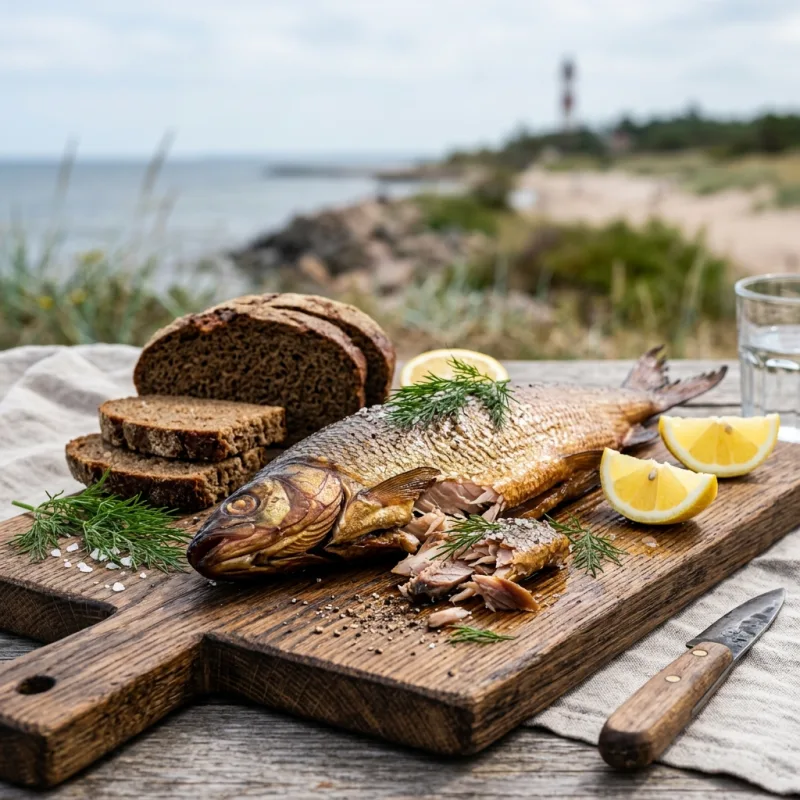
- Vibrant maritime culture highlighted by fresh coastal cuisine and the annual Sea Festival
Things to Avoid
- Avoid driving onto the passenger-only Old Ferry Terminal; vehicle crossings require the New Ferry Terminal down south.
- Do not neglect wind layers, as Baltic sea winds remain brisk even during warm summer afternoons.
- Avoid exchanging currency at airport kiosks; local ATMs and card terminals offer superior interbank rates.
- Do not ignore beach safety flags when swimming in the Baltic Sea due to strong undertows.
Local Transportation Tips
Klaipeda features an integrated municipal bus and minibus network managed by Klaipedos keleivinis transportas. Single-use tickets can be bought from drivers with cash, but contactless electronic cards or mobile transit apps offer lower fares. Two ferry terminals connect the mainland to Smiltyne: the Old Ferry Terminal caters to pedestrians and cyclists, while the New Ferry Terminal handles vehicular traffic.
Travel Etiquette
- Maintain respectful quietude inside historic memorials, churches, and castle grounds.
- Recycle responsibly; public bins across the city feature separated compartments for plastics, glass, and paper.
- A tip of 10% in sit-down restaurants is customary for attentive service, paid either in cash or added to card transactions.
- Pedestrians should avoid walking in dedicated cycle lanes that parallel coastal paths and harbor promenades.
Recommended Age Group
Klaipeda caters to an extensive cross-section of travelers thanks to its gentle terrain, accessible cultural sites, and nature connectivity.
- Babies (0-2 years): Recommended. The flat terrain, river promenades, and accessible ferries accommodate strollers smoothly.
- Kids (3-12 years): Recommended. High engagement at the Lithuanian Sea Museum, dolphinarium shows, and outdoor dune walks.
- Teens (13-19 years): Recommended. Cycling tracks, coastal watersports, and skate parks along the Dane River provide independence and outdoor activity.
- Adults (20-64 years): Recommended. Rich architectural history, coastal dining, craft breweries, and day trips along the coastline.
- Seniors (65+ years): Recommended. Level walking surfaces, compact distances, relaxing maritime parks, and comfortable transit options.
Accessibility Level: Medium
- Municipal buses predominantly feature low-floor entry ramps and visual/audio stop announcers.
- The pedestrian ferry to Smiltyne offers barrier-free boarding ramps for wheelchair users and mobility equipment.
- Old Town cobblestones can be uneven, but paved perimeter sidewalks provide accessible transit corridors.
- Major attractions including the Lithuanian Sea Museum and Klaipeda Castle Museum feature elevator access and ramped exhibits.
Did You Know?
Klaipeda was briefly the royal residence of King Frederick William III of Prussia and Queen Louise during the Napoleonic Wars in 1807, serving as Prussia's temporary capital.
Cool Statistics
- Home to over 50 public outdoor bronze sculptures scattered throughout the urban core.
- Lithuania's only ice-free deep-water port, operating 365 days a year.
- Located just 500 meters across the lagoon from the Curonian Spit National Park.






Buy a compatible power adapter for your trip