The Algarve's geography is distinctly divided into three areas: the Sotavento (eastern), the Barlavento (western), and the Costa Vicentina (far west). The eastern Algarve, near the Spanish border, is characterized by the tranquil Ria Formosa lagoon system, barrier islands, and warmer, calmer waters. Towns like Tavira offer a glimpse into traditional Portuguese life with their Roman bridges and Moorish architecture.
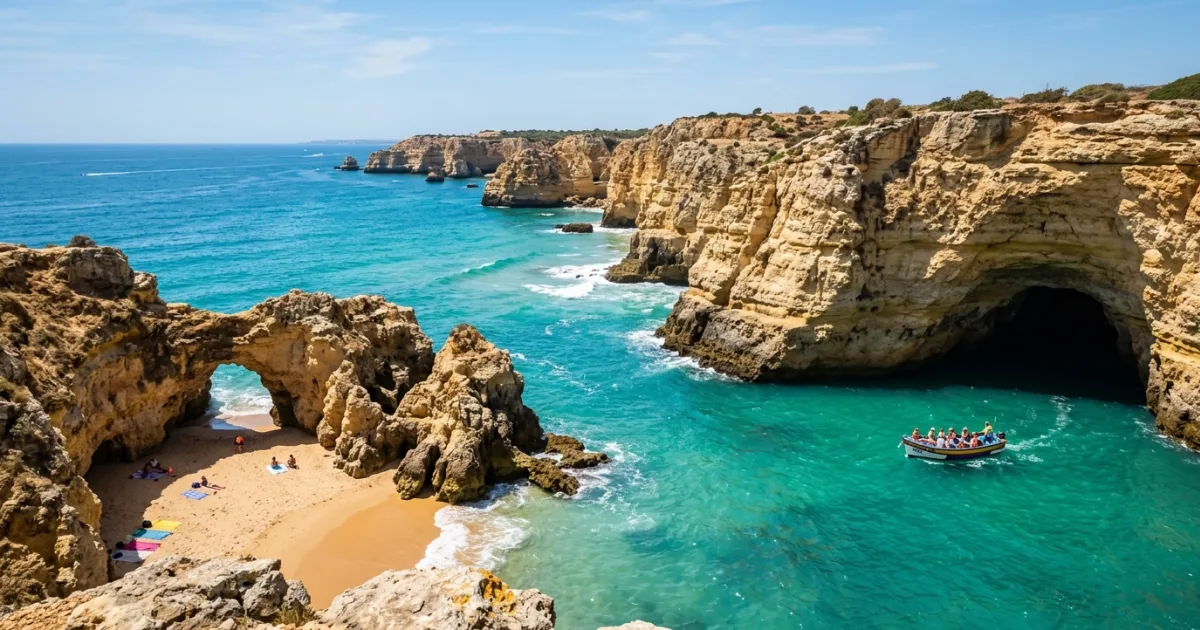
The western Algarve is the postcard-perfect region, famous for its towering limestone cliffs, hidden coves, and the iconic Benagil Cave. Here, bustling hubs like Albufeira and Lagos provide vibrant nightlife and extensive tourist amenities. Further west, the Costa Vicentina is a protected natural park offering dramatic, windswept landscapes and world-class surf breaks, appealing to those seeking a more rugged, off-the-beaten-path experience.
Reasons to Visit
- Stunning Coastline: Over 100 spectacular beaches, ranging from secluded coves framed by golden cliffs to expansive sandy islands.
- Year-Round Sunshine: Boasting over 300 sunny days a year, making it an ideal escape for winter sun or summer holidays.
- World-Class Golf: Home to dozens of championship golf courses set against breathtaking coastal backdrops.
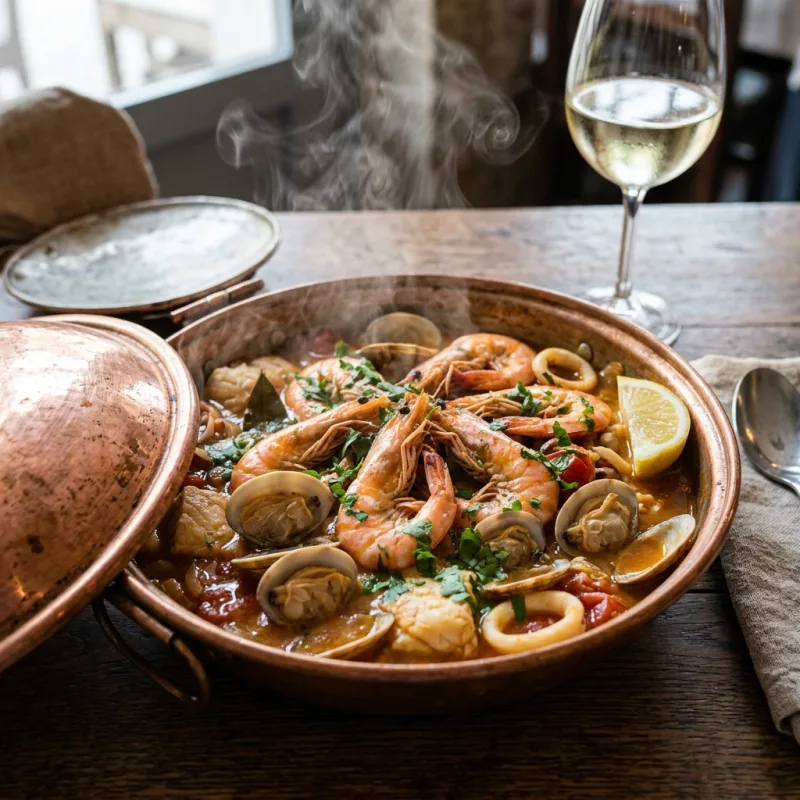
- Culinary Delights: Exceptional fresh seafood, traditional Cataplana stews, and excellent regional wines.
- Outdoor Adventures: Superb conditions for surfing, kayaking through sea caves, hiking coastal trails, and birdwatching in the Ria Formosa.
Things to Avoid
- Unlicensed Taxis: Always use official metered taxis or reputable ride-sharing apps like Uber or Bolt.
- Ignoring Beach Flags: The Atlantic currents can be dangerous; never swim when the red flag is flying.
- Overpacking for Summer: The summer heat is intense; heavy clothing is unnecessary, but do bring a light layer for the evening breeze.
- Cliff Edges: Avoid walking or sitting too close to the edge of the cliffs, as the limestone is prone to sudden erosion and rockfalls.
Local Transportation Tips
The Algarve is served by a regional train line that runs east to west from Vila Real de Santo António to Lagos, which is affordable and scenic but relatively slow. An extensive bus network (VAMUS) connects towns and major beaches. For maximum flexibility, especially to reach secluded beaches or the west coast, renting a car is the best option. Ride-sharing apps like Uber and Bolt are widely available and cost-effective in the central and western resort areas.
Travel Etiquette
- Greetings: A handshake is common for initial meetings. Friends often greet with two light kisses on the cheeks (starting with the right).
- Tipping: Tipping is not mandatory but appreciated. Leaving 5-10% in restaurants for good service is standard.
- Dress Code: Beachwear should be kept to the beach. Cover up when entering shops, restaurants, or walking through towns.
- Patience: Embrace the slower pace of life. Service in restaurants may be unhurried, so relax and enjoy the experience.
Recommended Age Group
The Algarve is a highly versatile destination that caters beautifully to travelers of all ages, offering everything from safe, shallow beaches to vibrant nightlife and accessible resorts.
- Babies (0-2 years): Recommended. Many resorts are highly family-oriented with excellent facilities. The eastern Algarve offers calm, warm waters ideal for toddlers.
- Kids (3-12 years): Recommended. Abundant water parks, boat tours to see dolphins, and safe sandy beaches make it a paradise for children.
- Teens (13-19 years): Recommended. Surf schools, paddleboarding, zip-lining, and lively resort towns provide plenty of engagement for teenagers.
- Adults (20-64 years): Recommended. Offers a perfect mix of relaxation, active water sports, hiking, golf, and vibrant culinary and nightlife scenes.
- Seniors (65+ years): Recommended. The region is famous for its slow travel appeal, excellent golf courses, mild winter climate, and many accessible, flat coastal towns like Quarteira and Tavira.
Accessibility Level: Medium
- Many major beaches in the Algarve are designated as 'Accessible Beaches' (Praia Acessível), featuring ramps, boardwalks, and amphibious wheelchairs available during the summer season.
- Modern resorts and hotels generally offer excellent wheelchair accessibility and adapted rooms.
- Historic town centers (like Faro and Lagos) often feature traditional Portuguese cobblestones (calçada), which can be uneven and challenging for mobility devices.
- Public transport accessibility varies; while newer buses and trains have ramps, some older infrastructure may lack elevators or level boarding.
Did You Know?
The name 'Algarve' comes from the Arabic word 'Al-Gharb', which means 'The West'. This reflects the region's history as the westernmost territory of the Moorish empire in the Iberian Peninsula, an influence still visible today in the local architecture, whitewashed houses, and intricate chimneys.
Cool Statistics
- The Algarve coastline stretches for approximately 155 kilometers (96 miles).
- The region receives over 3,000 hours of sunshine annually.
- Ria Formosa Natural Park covers 18,000 hectares and is a crucial stopover for hundreds of different bird species during the spring and autumn migrations.
- The Algarve is home to over 40 golf courses, making it one of Europe's premier golfing destinations.







Buy a compatible power adapter for your trip