Disclosure: This site contains affiliate links. We may earn a commission if you make a purchase, at no extra cost to you.

>
>
>
>
Faro
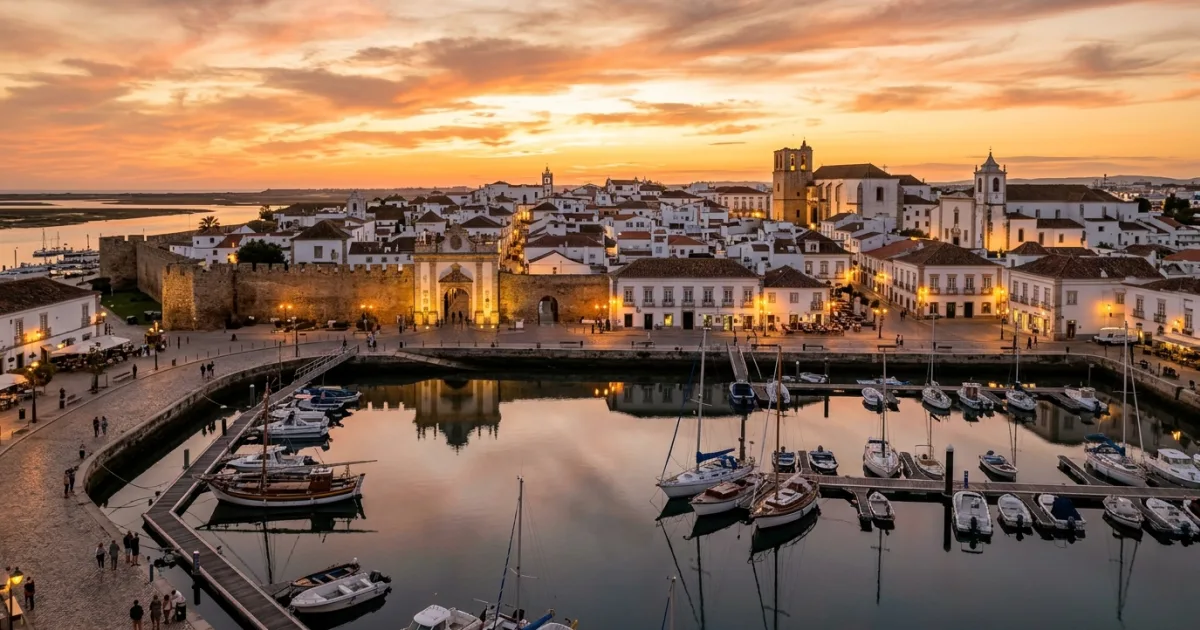
Panoramic golden hour view of Faro old town and marina in Portugal

Faro Overview & Key Highlights

Faro serves as the capital of Portugal's southernmost Algarve region, offering a rich historic atmosphere that contrasts sharply with the resort-heavy towns further west. The city is anchored by its historic walled Old Town (Cidade Velha), entered through the neoclassical Arco da Vila, where cobbled pedestrian lanes lead to the 13th-century Faro Cathedral and tranquil, orange tree-lined squares. Unlike transit hubs bypassed by fast travelers, Faro rewards unhurried exploration of its municipal museums, peaceful marina, and evocative bone chapel at the Church of Nossa Senhora do Carmo. Beyond the fortified center lies the raw ecological wonder of Ria Formosa Natural Park, a sprawling system of tidal lagoons and barrier islands. Regular ferries and solar-powered boats depart from the waterfront pier to isolated offshore sandbanks like Ilha Deserta and Ilha da Culatra, creating prime opportunities for birdwatching and tranquil coastal walking. Faro balances genuine Portuguese urban life, thriving seafood gastronomy, and preserved coastal wetlands, making it an essential destination for discerning travelers.

Faro Travel Guide: Logistics & In-Depth Tips

Faro is the administrative capital of Portugal's Algarve district, set against the tranquil mudflats, canals, and salt pans of the Ria Formosa lagoon. While many travelers touch down at Faro Airport and head immediately toward resort towns like Albufeira or Lagos, Faro preserves an authentic Portuguese character, shaped by centuries of maritime commerce, Moorish rule, and rebuilding efforts following the devastating 1755 earthquake.

The city's soul resides within Cidade Velha, enclosed by ancient defensive walls that rest on Roman foundations. Cobblestone alleyways pass beneath white archways and open into Largo da Sé, a serene plaza anchored by the Cathedral of Faro and shaded by fragrant orange trees. Outside the medieval quarter, dynamic shopping streets, traditional ceramic storefronts, and lively outdoor cafes around the Jardim Manuel Bígaro marina offer an engaging glimpse of everyday coastal life.

Reasons to Visit

  • Preserved Cidade Velha: Wander peaceful medieval streets enclosed within ancient ramparts, punctuated by historic gates and gothic monuments.
  • Ria Formosa Natural Park: Discover one of Portugal's seven natural wonders via boat excursions navigating pristine wetlands, mudflats, and migratory bird habitats.
  • Macabre Bone Chapels: Step inside the eerie yet fascinating Capela dos Ossos at the Church of Nossa Senhora do Carmo, lined with thousands of monastic bones.
  • Pristine Barrier Islands: Relax on untouched white-sand beaches at Ilha Deserta and Ilha da Culatra, accessible only by sea.
  • Authentic Algarvian Gastronomy: Savor cataplana stews and grilled sardines in genuine neighborhood tascas without inflated resort pricing.

Things to Avoid

  • Avoid expecting an oceanfront beach directly outside your downtown hotel; beaches require a ferry ride or a bus out to the sand spit.
  • Do not rush through Faro purely as an airport transfer hub without allocating at least one full day for its historical core.
  • Avoid wearing smooth, thin-soled dress shoes or high heels, as Faro's polished calçada cobblestones can be exceptionally slippery.
  • Do not take unmetered unlicensed private taxis from the airport; use official taxi ranks or ride-hailing apps like Uber or Bolt.

Local Transportation Tips

Faro's historic core is compact and best explored on foot. For broader travel, the municipal Próximo bus network connects the city center, airport, and Praia de Faro (Bus 16 is particularly convenient). The Faro Train Station sits a 5-minute walk from the marina, offering regional train connections along the entire Algarve coastline from Vila Real de Santo António to Lagos, as well as Alfa Pendular services up to Lisbon. Regular public ferries depart from the pier at Porta Nova to Ilha Deserta, Ilha do Farol, and Ilha da Culatra.

Travel Etiquette

  • Greet shopkeepers and restaurant staff with a polite 'Bom dia' (good morning) or 'Boa tarde' (good afternoon) upon entering.
  • Small appetizers like olives, bread, and cheese placed on your restaurant table are not complimentary; you only pay if you eat them.
  • Tipping is discretionary in Portugal; leaving 5% to 10% in sit-down restaurants for good service is customary and appreciated.
  • Maintain quiet and respectful demeanor inside churches, particularly when photographing inside the Capela dos Ossos.

Recommended Age Group

Faro provides engaging, accessible experiences for diverse traveler profiles, especially those who appreciate culture, walking, and nature.

  • Babies (0-2 years): Neutral. Cobblestone pavements and historic stairs can make stroller navigation challenging, though public spaces and parks are child-friendly.
  • Kids (3-12 years): Recommended. Children enjoy eco-boat tours through Ria Formosa, spotting flamingos, and taking passenger ferries to island beaches.
  • Teens (13-19 years): Recommended. Water sports, island exploration, and quirky historical stops like the bone chapel provide plenty of engagement.
  • Adults (20-64 years): Recommended. Ideal demographic for walking tours, architecture, coastal excursions, and regional culinary trails.
  • Seniors (65+ years): Recommended. The city's flat topography outside the cathedral bell tower, peaceful rhythm, and mild climate make it exceptionally suitable for mature travelers.

Accessibility Level: Medium

  • Cidade Velha features uneven cobblestone paving that requires attention, though most main avenues have lowered kerbs.
  • The waterfront marina promenade and Jardim Manuel Bígaro feature broad, level, paved pedestrian pathways ideal for mobility devices.
  • Modern barrier island passenger ferries accommodate manual wheelchairs, though boarding ramps can vary with tidal fluctuations.
  • Faro International Airport offers complete MyWay assistance for travelers with reduced mobility.

Did You Know?

Faro's Cathedral bell tower features active stork nests perched directly on its ancient battlements. White storks nest throughout the city from late winter through summer, raising chicks in colossal twig nests atop church steeples, historic arches, and decommissioned factory chimneys.

Cool Statistics

  • Over 300 recorded days of sunshine illuminate Faro each year.
  • Ria Formosa Natural Park spans more than 18,000 hectares of protected coastal wetlands.
  • The Capela dos Ossos contains the carefully arranged bones and skulls of over 1,200 Carmelite monks.
  • Faro's history spans more than 2,000 years, having served as the Roman maritime city of Ossonoba.


Address:

Faro, Portugal

Find Nearby Accommodations

Basic Info

address icon

COUNTRY & Region

Portugal,
Europe

ACCESSIBILITY LEVEL​

Medium
Currency icon

LOCAL CURRENCY​

Euro (EUR)
Price level icon
Medium
Safety Level icon

SAFETY LEVEL

Duration icon

Recommended Duration

• Full day
• 1-7 days

Electricity

electricity icon

Electricity

220-240V, 
50Hz
Plug Socket icon

Plug Type

• Type C (Round pin)
• Type F (Two round pins with earth clips)
Plug types
Click To View Plug Types
Faro is part of our
Slow Travel & Nature collection

Activities To Do In Faro

Best Time To Visit Faro

Faro enjoys over 300 days of sunshine annually, with distinct seasons matching varied travel styles:

  • Spring (April to June): Prime weather for wildlife watching and sightseeing, with comfortable temperatures hovering between 19°C and 25°C and low rainfall.
  • Summer (July to August): Hot and dry, regularly exceeding 30°C; best for barrier island beach trips, though Old Town streets can be sweltering during midday.
  • Autumn (September to October): Sea temperatures remain warm (around 21°C), crowds thin out considerably, and lagoon wildlife activity increases.
  • Winter (November to March): Mild and tranquil (15°C-17°C during daylight), perfect for budget travel and cultural immersion, though evenings can feel brisk.

Average Temperatures Per Month

Remember to check the weather forecast a few days before the trip and before heading to the airport.

Safety Level icon

Safety Level

Faro is an exceptionally safe European city with very low violent crime rates. Exercise standard urban vigilance around the main train station and bus terminal late at night. Watch out for slick surfaces on polished limestone cobblestones when raining or damp with morning sea mist. If swimming off barrier island beaches along the Atlantic side, strictly observe warning flags due to strong undertows.

The rating is based on multi-year peace, crime, and security indices. Before you go, always verify current conditions through official government travel advisories.

Emergency Numbers

Police: 112
Ambulance: 112

No internet needed • Includes local translations • Free for TravelingWiz readers

Spoken Languages

Portuguese (Official), English (widely spoken in hospitality and shops), Spanish (widely understood)

Learn The Language

  • Olá: Hello
  • Bom dia: Good morning
  • Por favor: Please
  • Obrigado / Obrigada: Thank you (m / f)
  • A conta, por favor: The bill, please
  • Com licença: Excuse me
  • Sim / Não: Yes / No
  • Onde fica…?: Where is…?
Travel Booking Partner - TravelingWiz

Trip Cost & Budgeting for Faro, 2026

Everything you need to know about money while traveling
Is Faro expensive for tourists in 2026? Faro offers moderate travel costs compared to other Western European resort cities. Expect to pay around 1.90 EUR for a cappuccino, 2.50 EUR for a pint of beer, and 14 EUR for a standard meal. Featuring Human Verified prices, the city provides excellent value for visitors exploring the Algarve coast. Use the data table below to calculate your specific daily budget based on your travel style.
Currency icon

LOCAL CURRENCY​:

Euro (EUR)
Price level icon
Medium
Credit cards are widely accepted across Faro, though small cash is helpful for municipal buses and tiny cafes.

Per person, per day – pocket cash for small purchases.

Local: 15
Euro (EUR)
≈ 27 USD

Full daily spend estimation (accommodation, food, transportation, attractions).

Travel Style
Euro (EUR)
≈ USD ($)
Budget
85
60
Mid-range
150
115
Comfort
330
240

The Prices, Daily costs, and calculator results are estimates for planning purposes only. Actual costs may vary based on season, booking timing, personal spending habits, and currency fluctuations. TravelingWiz cannot be held responsible for discrepancies between these estimates and your final trip expenses.

  • Eat at local tascas outside the Old Town main plazas for traditional daily lunch specials (prato do dia) at lower prices.
  • Take advantage of cheap local buses and ferries to reach Faro Beach and Ria Formosa islands instead of costly private water taxis.
  • Visit during the shoulder seasons of April to May or September to October for cheaper lodging while enjoying warm weather.
  • Buy fresh produce, regional cheeses, and wine from the Mercado Municipal de Faro for affordable picnics.

Pre-Order Tickets

Avoid disappointment when tickets sell out — and skip the long lines by booking online in advance. You’ll often save up to 20% too.
Save up to 20%

Travel Discounts & Coupons

Save on hotels, attractions, transport, and gear — find verified discounts for smarter travel spending.
Verified Coupons

What To Pack

  • Sturdy walking shoes with rubber grip for slick traditional Portuguese cobblestones (calçada portuguesa).
  • Light layers, sun hat, and polarized sunglasses for boat excursions across the reflective lagoons of Ria Formosa.
  • Binoculars for spotting flamingos, storks, and rare waders in the wetland marshes.
  • Modest clothing covering shoulders and knees when visiting Faro Cathedral and the Capela dos Ossos.
  • Reusable water bottle and compact reef-safe sunscreen for long days on the barrier island beaches.
We couldn't find tips for Faro.
If you got any, please share

Recommended Itineraries for Traveling to Faro

We couldn't find itineraries for Faro.
you can contact us for custom trip plan

Food & Drink Highlights

Local Food Overview

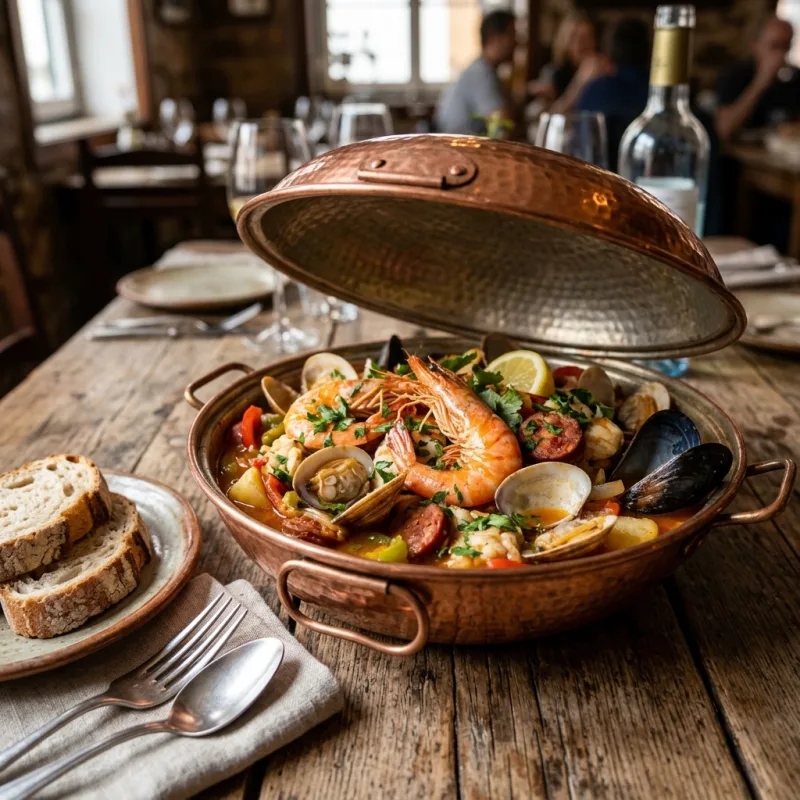
Algarve cuisine is fundamentally tied to the ocean, showcasing ultra-fresh shellfish, coastal sardines, and fragrant stews seasoned with coriander and bay leaves. In Faro, culinary traditions rely heavily on the cataplana—a hinged, clamshell-shaped copper vessel that steam-cooks fish, clams, and smoked chouriço sausages in rich white-wine broths. The city's Mercado Municipal de Faro serves as the central culinary crossroads where locals source razor clams, octopus, figs, carob flour, and sea salt harvested directly from nearby salt pans.
Authentic Portuguese Cataplana de Marisco seafood stew in a traditional copper pot

Must Try Dish

Cataplana de Marisco - A traditional Algarvian shellfish stew cooked in a spherical copper pot, locking in aromatics of garlic, peppers, clams, prawns, and white wine. The resulting broth is rich and comforting, traditionally mopped up with crusty country bread.
Food Experiences Title Icon

Food
Experiences

Discover cooking classes, tastings and local food tours

No food experience found
Maya, the human travel expert at TravelingWiz, offering curated, non-AI expertise

Maya’s Final Checklist for Faro

Logistics shouldn’t be the focus of your trip—the experience should. I’ve hand-vetted these essential partners to ensure your arrival, stay, and exploration are as smooth as an Athenian breeze.

Where to Stay

From boutique hotels to local apartments—compare thousands of options and find the perfect stay in the best neighborhood.

Air Travel

Getting there should be seamless. Compare the best routes and prices across top airlines to start your journey on the right note.

Local Guides

Connect with experts who know the destination best. Get personalized advice and insider tips to help you plan your perfect trip.

Travel Protection

The “Engineer’s” rule: always have a backup. Secure your trip with a plan that covers every “what if” and unexpected change.

Car Rentals

Explore at your own pace with total freedom. Compare reliable rental options and find the right vehicle for your adventure.

Visa Services

Don’t let paperwork slow you down. Get expert assistance with your application to ensure all your entry documents are in order.

FAQs

Yes. Faro possesses a preserved medieval Old Town, Roman and Moorish architectural layers, top-tier seafood, and direct boat access to the wild Ria Formosa barrier islands, providing an authentic cultural experience rarely found in mass-resort towns.
The city center does not sit directly on an open ocean beach; visitors reach Praia de Faro via local bus line 16, or take municipal ferries from the Porta Nova pier to barrier islands like Ilha Deserta and Ilha da Culatra.
Two to three days allow you to thoroughly discover Cidade Velha, visit the Capela dos Ossos, take a half-day eco-boat tour through Ria Formosa, and spend an afternoon on a remote barrier island.

Your Insights Matter

TravelingWiz grows through the stories of our community. If you’ve recently explored ,Faro share your tips and stories to help us perfect our guides for the next traveler.

Related Articles

Check out our related articles and blog posts to learn even more about the destination.

No related articles found

Don’t Travel Alone

Share with your friends and family

Where should we send your offline card?

We hate spam just as much as you do

newsletter_consent *