Disclosure: This site contains affiliate links. We may earn a commission if you make a purchase, at no extra cost to you.

Portugal

Portugal

Basic Info

COUNTRY & Region

Portugal,
Europe

ACCESSIBILITY LEVEL​

  • High: Widely accessible with good facilities for disabilities.
  • Medium: Some accessible options, but limitations exist.
  • Low: Limited accessibility; many barriers for disabilities.

LOCAL CURRENCY​

Euro (EUR)

Price Level

Low – budget‑friendly basics

Medium – moderate mid‑range costs

High – pricey lodging, dining & transport

Medium

SAFETY LEVEL

5 shields = Excellent – very low crime or conflict.

4 shields = Safe – low risk, routine care.

3 shields = Relatively safe – use normal street smarts.

2 shields = Use caution – higher crime or periodic unrest.

1 shields = Avoid – active conflict or extreme danger.

Scores are derived from multi-year peace, homicide and security indices blended into a single 1-to-5 scale.

Recommended Duration

Overnight, 1-7 days, More than a week

Portugal Overview & Key Highlights

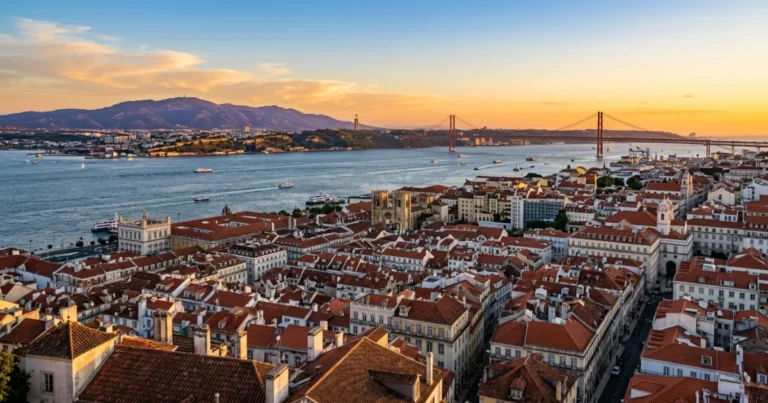
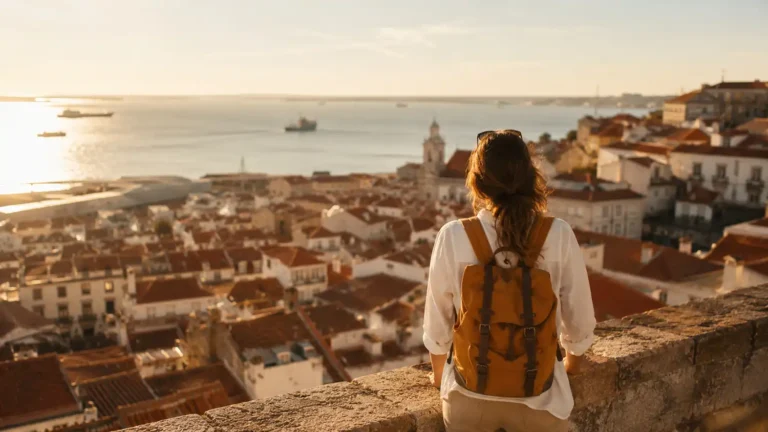
Portugal is known for its historic cities, scenic coastline, and rich culture. From Lisbon’s hilly streets and Fado music to Porto’s riverfront charm and the beaches of the Algarve, Portugal seamlessly blends old-world beauty with a vibrant modern culture. Known for its welcoming locals, delicious cuisine, and picturesque landscapes, Portugal offers a variety of experiences for every type of traveler.

Portugal Travel Guide: Logistics & In-Depth Tips

Portugal captivates visitors with its mix of vibrant cities, breathtaking natural beauty, and deep-rooted traditions. Here’s a deeper look at what makes Portugal unique:

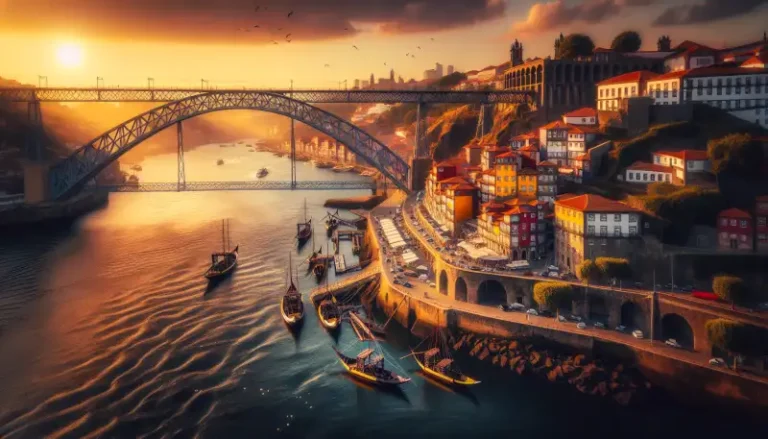
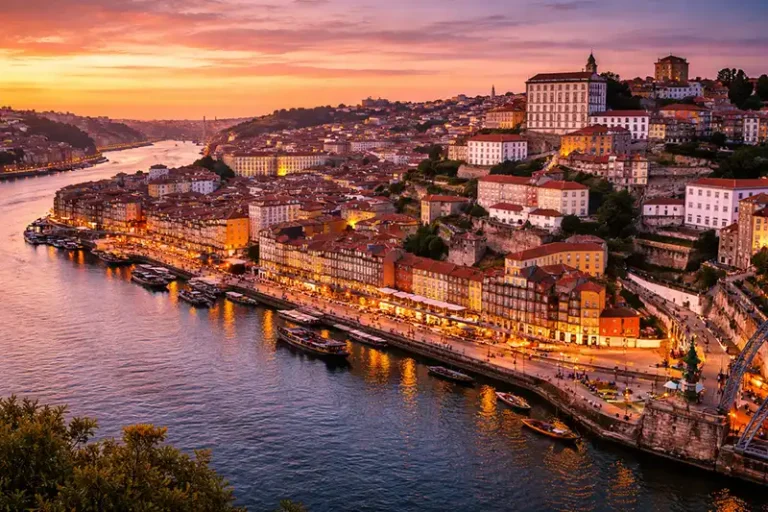
  • Historic Cities: Lisbon and Porto are Portugal’s two main cities, each with distinct personalities. Lisbon, the capital, is known for its yellow trams, panoramic viewpoints, and iconic tilework. Porto, on the Douro River, is famous for its wine cellars, colorful riverside buildings, and historic bridges.
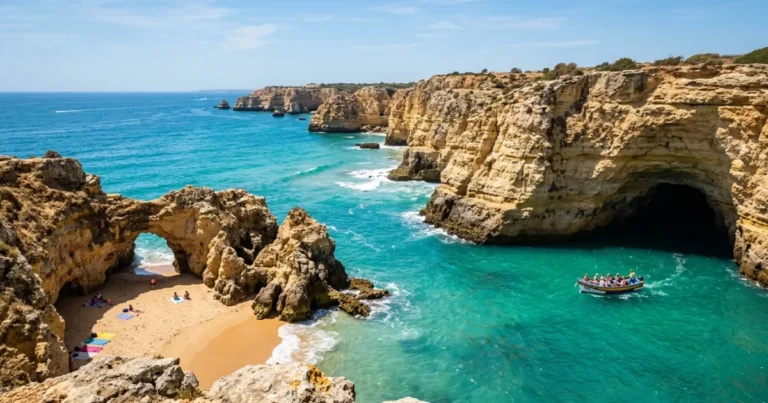
  • Beaches and Coastal Towns: Portugal’s coast, especially in the Algarve, is renowned for its golden beaches, dramatic cliffs, and picturesque fishing villages. Towns like Lagos, Faro, and Tavira are popular for beach activities and laid-back vibes, offering everything from sunbathing to dolphin-watching.
  • Unique Culture and Traditions: Portugal’s heritage shines through its architecture, Fado music, and festivals. The country’s azulejos (ceramic tiles), Manueline architecture, and ancient monasteries offer a unique look into Portuguese history and artistry.
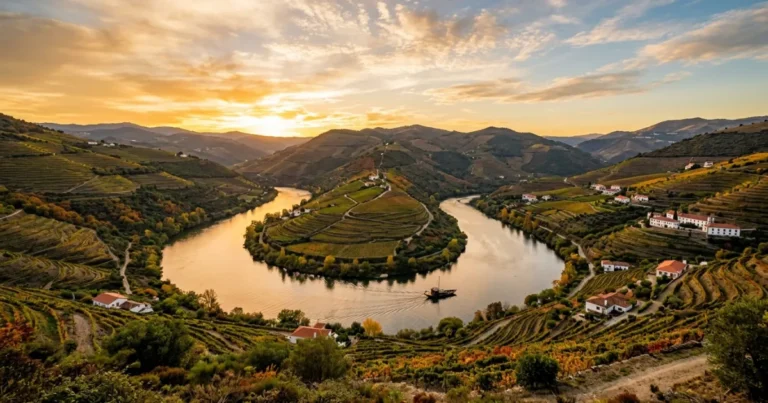
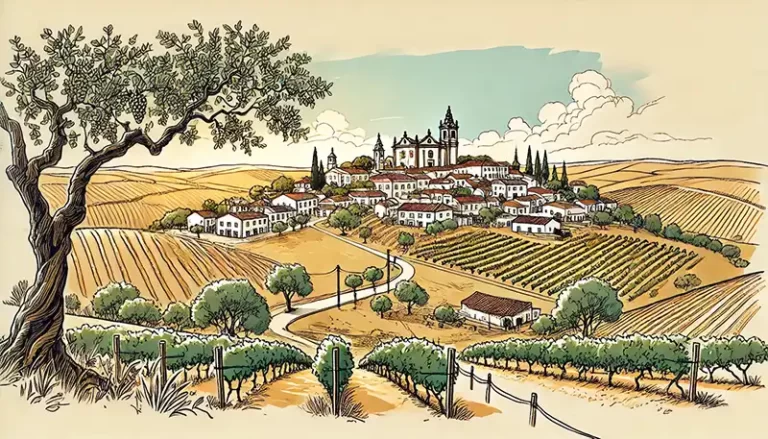
  • Wine and Culinary Scene: Portuguese cuisine is a delight, with dishes like bacalhau (salted codfish), grilled sardines, and pastéis de nata (custard tarts). Porto is famous for its port wine, while the Douro Valley and Alentejo regions are known for wine tasting and vineyard tours.


GuruWalk


Reasons to Visit:

  • Rich History: Portugal is filled with castles, palaces, and historical sites, from the medieval towns of Sintra to the monasteries of Alcobaça and Batalha.
  • Stunning Coastline: The Algarve and Costa Vicentina regions boast some of the best beaches in Europe, along with scenic cliffs and coves.
  • Vibrant Festivals: Experience local traditions at Portugal’s festivals, including the Festival of Saint Anthony in Lisbon and the Porto Wine Festival.
  • Warm and Welcoming Locals: Portugal is known for its friendly and laid-back culture, making it a comfortable destination for all visitors.


Things to Avoid:

  • Driving in Narrow Streets: Older towns have narrow, winding streets best navigated on foot or by local transportation.
  • Skipping Reservations: Portugal’s popular restaurants and attractions fill up quickly, especially in peak season. Booking in advance is recommended.
  • Underestimating the Sun: Portugal’s sun can be intense, especially in summer, so sun protection is essential.


Accessibility Level: High

Major cities in Portugal offer accessible facilities and public transportation options, though some historical areas may have cobblestone streets that pose challenges for wheelchair users.

Find Nearby Accommodations

Electricity

220-240V, 
50Hz

Plug Type

Type C (Round pin), Type F (Two round pins with earth clips)
Plug types
Click To View Plug Types

Want a deeper experience in Portugal?

Explore private guides and find an experience that suits your interests.

Activities To Do In Portugal

Best Time To Visit Portugal

The best time to visit Portugal is March to October for ideal weather and enjoyable outdoor activities.

  • Spring (March to May): Pleasant temperatures and blossoming landscapes make this a great time for sightseeing and enjoying Portugal’s gardens.
  • Summer (June to August): Ideal for beachgoers, with hot and sunny weather along the Algarve coast and festivities across the country.
  • Autumn (September to October): Milder temperatures and fewer tourists make this perfect for exploring cities like Lisbon and Porto, and enjoying the wine harvest season.
  • Winter (November to February): While cooler and rainier, this is a quieter period and an excellent time to explore the mild Algarve region.

Average Temperatures Per Month

Average monthly temperaturesMonthly source values, with Celsius and Fahrenheit equivalents in the following data table.0°32°8°46°15°59°23°73°30°86°JanJan: 9°C / 48°FFebFeb: 11°C / 52°FMarMar: 13°C / 55°FAprApr: 15°C / 59°FMayMay: 19°C / 66°FJunJun: 21°C / 70°FJulJul: 24°C / 75°FAugAug: 24°C / 75°FSepSep: 21°C / 70°FOctOct: 18°C / 64°FNovNov: 13°C / 55°FDecDec: 11°C / 52°F
View temperature data
Average monthly temperatures
Month°C°F
Jan948
Feb1152
Mar1355
Apr1559
May1966
Jun2170
Jul2475
Aug2475
Sep2170
Oct1864
Nov1355
Dec1152

Remember to check the weather forecast a few days before the trip and before heading to the airport.

Safety Level

5 shields = Excellent – very low crime or conflict.

4 shields = Safe – low risk, routine care.

3 shields = Relatively safe – use normal street smarts.

2 shields = Use caution – higher crime or periodic unrest.

1 shields = Avoid – active conflict or extreme danger.

Scores are derived from multi-year peace, homicide and security indices blended into a single 1-to-5 scale.

Portugal is considered a very safe destination where normal precautions apply. Keep a close eye on personal belongings in crowded tourist areas and on public transport, such as Lisbon's popular Tram 28, to avoid pickpocketing. Additionally, monitor local weather advice during warmer months for seasonal wildfire risks in rural areas and observe beach safety flags when swimming along the Atlantic coast.

The rating is based on multi-year peace, crime, and security indices. Before you go, always verify current conditions through official government travel advisories.

Emergency Numbers

Police: 112 (Universal)
Ambulance: 112 (Universal)

No internet needed • Includes local translations • Free for TravelingWiz readers

Spoken Languages

The official language is Portuguese, though English is widely understood in tourist areas.
Travel Booking Partner - TravelingWiz

Learn The Language

  • Hello – Olá
  • Thank you – Obrigado/a
  • Yes – Sim
  • No – Não
  • Excuse me – Desculpe
  • Please – Por favor
  • Good morning – Bom dia
  • Goodbye – Adeus

Trip Cost & Budgeting for Portugal, 2026

Everything you need to know about money while traveling
Is Portugal expensive for tourists in 2026? No, it remains one of Western Europe's most affordable destinations. Based on our Human Verified prices, expect to pay around €1.90 for a cappuccino, €2.50 for a pint of beer, and €15 for a main meal at a mid-range restaurant. While accommodation prices in Lisbon have risen, overall daily costs remain very reasonable. Use the data table below to calculate your specific daily budget based on your travel style.

LOCAL CURRENCY​:

Euro (EUR)

Price Level:

Low – budget‑friendly basics

Medium – moderate mid‑range costs

High – pricey lodging, dining & transport

Medium

Cards Vs. Cash

Credit cards are widely accepted across Portugal, though carrying a little cash is helpful for small bakeries and rural areas.

How Much Cash to Carry (on you)

Per person, per day – pocket cash for small purchases.

Local: 14
Euro (EUR)
≈ 16 USD

Average Daily Costs (per person)

Full daily spend estimation (accommodation, food, transportation, attractions).

Travel Style
Euro (EUR)
≈ USD ($)
Budget
75
87
Mid-range
135
157
Comfort
300
348
Note

The Prices, Daily costs, and calculator results are estimates for planning purposes only. Actual costs may vary based on season, booking timing, personal spending habits, and currency fluctuations. TravelingWiz cannot be held responsible for discrepancies between these estimates and your final trip expenses.

Best Value Tips

  • • Eat your main meal at lunchtime and order the daily menu (prato do dia), which includes soup, main, drink, and coffee for €8 to €12.
  • • Avoid dining at tourist-heavy spots like Lisbon's Time Out Market for daily meals; choose local neighborhood tascas instead.
  • • Purchase a reloadable public transit card like Navegante in Lisbon or Andante in Porto for discounted fares.
  • • Buy espresso and pastel de nata at neighborhood padarias instead of sit-down tourist cafes.

Travel Offers & Coupons

Browse travel offers and coupons from our affiliate partners.
Affiliate partner offers

What To Pack

Light, breathable clothing is ideal for Portugal’s warm climate, especially in summer. Comfortable walking shoes are recommended for navigating hilly cities like Lisbon. In cooler months, bring layers and a light rain jacket. Don’t forget a hat, sunscreen, and swimwear for coastal areas.

Only the good stuff!
Browse recommended travel gear
Check out our free packing list tool

Recommended Itineraries for Traveling to Portugal

Take your itinerary with you

Choose a ready-made itinerary, plan your own trip, and keep TravelingWiz by your side while you travel.

Get the TravelingWiz app

Maya’s Final Checklist for Portugal

Logistics shouldn’t be the focus of your trip—the experience should. I’ve hand-vetted these essential partners to ensure your arrival, stay, and exploration are as smooth as an Athenian breeze.

Maya, the human travel expert at TravelingWiz, offering curated, non-AI expertise

Where to Stay

Compare accommodation options and choose a stay that suits your plans and budget.

Air Travel

Compare flight options and find a route that fits your plans.

Local Guides

Connect with local guides for personalized help planning and exploring.

Travel Protection

The “Engineer’s” rule: always have a backup. Secure your trip with a plan that covers every “what if” and unexpected change.

Car Rentals

Compare rental options and choose a car that suits your trip.

Visa Information

Don’t let paperwork slow you down. Get expert assistance with your application to ensure all your entry documents are in order.

FAQs

The best time to visit Portugal is from March to October, with summer ideal for beaches and shoulder seasons for sightseeing.
EU citizens do not need a visa. Travelers from visa-exempt countries (like the US, UK, Canada, and Australia) can currently visit visa-free for short stays, but will need to apply for an ETIAS (European Travel Information and Authorisation System) authorization online prior to travel when the system launches in late 2026.
Portugal uses the Euro (EUR).
Yes, Portugal is very safe, though it’s best to be cautious in crowded tourist areas.
Must-see sites include Lisbon, Porto, Sintra, the Algarve, and Douro Valley wine region.
Yes, you can safely drink tap water throughout mainland Portugal. The public tap water strictly complies with European Union water quality and safety standards. Carrying a refillable water bottle allows you to stay hydrated easily during long sightseeing days while reducing plastic waste, whether you are in Lisbon, Porto, or the Algarve.
Yes, you can easily get by speaking only English in Portugal, especially across major tourist hubs like Lisbon, Porto, Sintra, and the Algarve. Most staff in hotels, restaurants, and transport hubs speak good English. However, learning a few basic Portuguese greetings like ‘olá’ and ‘obrigado’ will always be appreciated by locals when visiting smaller towns and neighborhood shops.
Yes, you should carry a small amount of cash, even though credit and debit cards are widely accepted across hotels, supermarkets, and restaurants. Cash remains essential for small purchases at neighborhood bakeries, public transit tickets in certain rural areas, and traditional family-run tascas. For comprehensive daily cash recommendations, refer to the Budget section on this page.
No, you do not need to rent a car if you are sticking to major destinations like Lisbon, Porto, and the central coast, which are well-connected by trains and buses. Driving in older historic districts is difficult due to narrow, winding streets. However, renting a car is beneficial if you plan to explore rural villages, national parks, or remote beaches.

Your Insights Matter

TravelingWiz grows through the stories of our community. If you’ve recently explored ,Portugal share your tips and stories to help us perfect our guides for the next traveler.

Where should we send your offline card?

We hate spam just as much as you do

newsletter_consent *