The Lisbon Metropolitan Area is a dynamic region that perfectly balances historical grandeur with contemporary lifestyle. At its core lies Lisbon, a city of seven hills known for its pastel-colored buildings, melancholic Fado music, and monumental squares like Praça do Comércio. The Tagus River acts as a defining feature, historically launching Portugal's Age of Discovery and today providing a scenic backdrop for waterfront dining and leisurely strolls.
Venturing outside the capital, the metropolitan area reveals incredible diversity. To the west, the Portuguese Riviera encompasses Estoril and Cascais, offering elegant promenades, sandy beaches, and a relaxed coastal atmosphere. To the northwest, the microclimate of the Sintra mountains harbors romantic 19th-century palaces and mystical gardens. Across the river to the south, the Setúbal peninsula boasts the rugged Arrábida Natural Park and traditional fishing communities, making the entire region a multifaceted destination suitable for extended exploration.
Reasons to Visit
- Explore the UNESCO World Heritage sites of Belém, including the Jerónimos Monastery and Belém Tower.
- Experience the fairytale architecture and lush gardens of Sintra's Pena Palace and Quinta da Regaleira.
- Enjoy world-class surfing and beach relaxation along the Cascais coast and Costa da Caparica.
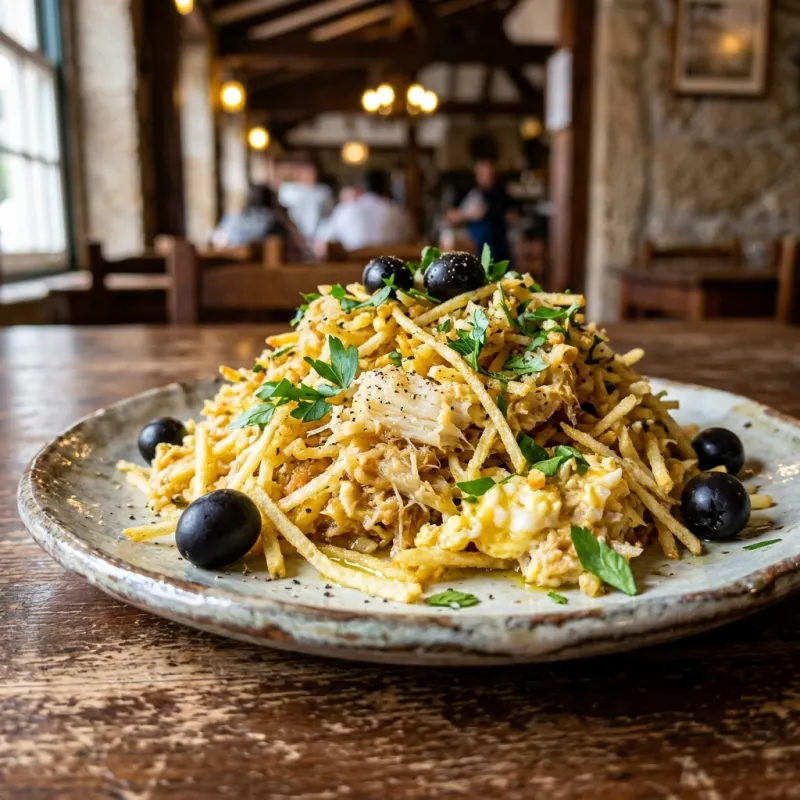
- Indulge in authentic Portuguese gastronomy, from fresh seafood to the original Pastéis de Belém.
- Wander through the narrow, winding streets of Alfama, Lisbon's oldest district, while listening to live Fado music.
Things to Avoid
- Avoid driving in the historic centers of Lisbon and Sintra; parking is scarce and streets are notoriously narrow and steep.
- Do not assume cars will stop at pedestrian crossings unless there is a traffic light; always make eye contact with drivers.
- Avoid eating at restaurants with large, multi-language picture menus in the most tourist-heavy squares, as they are often overpriced and less authentic.
- Skip the famous Tram 28 during peak midday hours to avoid massive queues and pickpockets; ride it early morning or late evening instead.
Local Transportation Tips
The region boasts a highly integrated and affordable public transportation network. In Lisbon proper, the Metro is the fastest way to cover long distances, while buses, funiculars, and historic trams navigate the hilly terrain. For regional travel, the CP urban trains efficiently connect Lisbon to Sintra, Cascais, and Setúbal. Ferries cross the Tagus River, providing scenic routes to the southern bank. Purchasing a reusable Navegante card and loading it with 'zapping' credit is the most convenient way to pay for all these modes of transport.
Travel Etiquette
- Greet shopkeepers and restaurant staff with a polite 'Bom dia' (Good morning) or 'Boa tarde' (Good afternoon) upon entering.
- Tipping is not strictly mandatory but leaving 5-10% for good service in sit-down restaurants is appreciated.
- Be aware that the 'couvert' (bread, olives, cheese) brought to your table before a meal is not free; if you eat it, you will be charged. If you don't want it, simply politely decline.
- Dress modestly when visiting churches and religious sites.
Recommended Age Group
The Lisbon Metropolitan Area offers diverse attractions suitable for various age groups, though its hilly terrain requires consideration.
- Babies (0-2 years): Neutral. While family-friendly, the steep hills and cobblestone streets make stroller navigation challenging in historic districts.
- Kids (3-12 years): Recommended. Attractions like the Lisbon Oceanarium, interactive science museums, and expansive beaches provide excellent entertainment.
- Teens (13-19 years): Recommended. The region offers engaging street art, surfing opportunities in Cascais, and vibrant cultural districts.
- Adults (20-64 years): Recommended. Rich culinary scenes, historic architecture, and diverse nightlife cater perfectly to adult travelers.
- Seniors (65+ years): Recommended. Accessible museums, scenic river cruises, and comprehensive public transit options allow for comfortable exploration, though some steep areas may require taxis.
Accessibility Level: Medium
- Many historic areas in Lisbon and Sintra feature steep inclines and uneven cobblestones (calçada portuguesa), which can be challenging for wheelchair users.
- The Lisbon Metro has been upgrading its stations, and many now feature elevators and tactile paving, though not all are fully accessible yet.
- Modern attractions like the Parque das Nações district, the Oceanarium, and major museums are fully wheelchair accessible with ramps and elevators.
- Low-floor buses are common in the city, but historic trams are generally not accessible for mobility-impaired travelers.
Did You Know?
The Vasco da Gama Bridge, spanning the Tagus River in the Lisbon Metropolitan Area, is one of the longest bridges in Europe, measuring over 12 kilometers (7.5 miles) in length. It was built to alleviate traffic congestion and was inaugurated in 1998 to coincide with the Expo '98 world fair.
Cool Statistics
- The Lisbon Metropolitan Area is home to over 2.8 million people, representing more than a quarter of Portugal's total population.
- Lisbon is one of the oldest cities in Western Europe, predating other modern European capitals such as London, Paris, and Rome by centuries.
- The region features two distinct UNESCO World Heritage designations: the Cultural Landscape of Sintra and the Monastery of the Hieronymites and Tower of Belém in Lisbon.
- Tram 28, the iconic yellow tram, navigates gradients as steep as 14%, some of the steepest for any tram network in the world.








Buy a compatible power adapter for your trip