Setúbal is a historic port city situated between the dramatic limestone peaks of the Serra da Arrábida and the sheltered waters of the Sado Estuary. Established during Roman times as an essential fish-salting hub known as Cetóbriga, the settlement has retained its intimate maritime identity through centuries of maritime commerce and naval defense. Today, modern industrial docks sit harmoniously alongside a walkable historic quarter paved with traditional calçada portuguesa and lined with colorful fishermen's cottages.
The city functions as both an easy day-trip escape from Lisbon and an independent base for outdoor enthusiasts. Nature lovers flock to the Parque Natural da Arrábida for sea kayaking, cliffside hiking, and secluded bathing spots, while the city's Mercado do Livramento—ranked among the world's most impressive fresh fish markets—anchors a vibrant local food culture centered around the daily Atlantic catch.
Reasons to Visit
- Mercado do Livramento: Wander through an iconic 1930s market hall adorned with thousands of historical azulejo tiles and brimming with fresh seafood counters.
- Sado Estuary Dolphins: Take an eco-certified catamaran tour to watch the rare resident pod of wild bottlenose dolphins feeding and playing.
- Parque Natural da Arrábida: Discover postcard-perfect beaches such as Galapinhos and Creiro, framed by crystalline waters and lush Mediterranean scrubland.
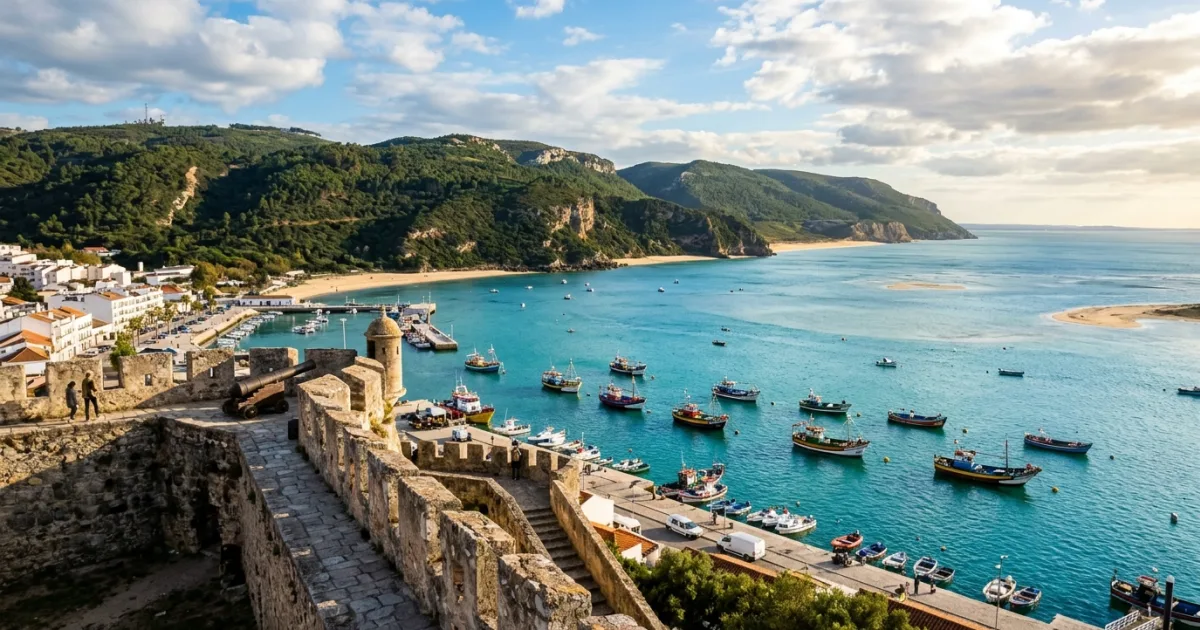
- Fortaleza de São Filipe: Explore this imposing star-shaped fortress built in 1590, providing bird's-eye views across the ocean, estuary, and the Tróia sandspit.
- Moscatel Wine Routes: Sample award-winning fortified Moscatel and crisp white wines produced across the historic vineyards of the Setúbal Peninsula.
Things to Avoid
- Avoid driving private cars into the lower Arrábida beach roads between June and September, as seasonal closures and hefty parking fines apply.
- Do not visit Mercado do Livramento on Mondays, as fishermen do not work on Sundays and the fresh fish hall is completely closed.
- Avoid planning short day trips solely on foot without checking bus timetables, as top attractions like the Arrábida coves and São Filipe fortress require transit or uphill climbs.
- Do not skip sun protection when boarding estuary boat tours; water reflection intensifies UV exposure significantly even on breezy days.
Local Transportation Tips
Setúbal's city core is compact and easily navigated on foot, featuring flat pedestrianized boulevards connecting the central Praça do Bocage to the riverfront Avenida Luísa Todi. For excursions into the surrounding region, Carris Metropolitana operates extensive bus lines connecting the downtown bus station with Arrábida beaches and neighboring Azeitão. Ferries and passenger catamarans operated by Atlantic Ferries run continuous services between Setúbal docks and the Tróia Peninsula, accommodating both foot passengers and vehicles.
Travel Etiquette
- Greet shopkeepers and restaurant hosts with a polite 'Bom dia' (good morning) or 'Boa tarde' (good afternoon) upon entering.
- Small appetizers (bread, olives, cheese) placed on your restaurant table at the start of a meal are not complimentary; you only pay if you consume them.
- Tipping is discretionary in Portugal; leaving 5% to 10% in casual dining establishments is considered a generous gesture for attentive service.
- Respect protected park regulations in Arrábida by carrying all trash out with you and refraining from camping outside designated sites.
Recommended Age Group
Setúbal provides diverse attractions that accommodate a wide spectrum of travel styles, from calm beach holidays to energetic outdoor adventures.
- Babies (0-2 years): Neutral. The flat marina promenade is stroller-friendly, but historic cobblestone side streets and beach access steps can present mobility challenges.
- Kids (3-12 years): Recommended. Children will love the dolphin-watching catamarans, calm and shallow waters at Praia da Figueirinha, and exploring the battlements of São Filipe.
- Teens (13-19 years): Recommended. Excellent opportunities for sea kayaking, stand-up paddleboarding, coastal hiking, and day trips across to the dunes of Tróia.
- Adults (20-64 years): Recommended. An ideal base for culinary tourism, fresh seafood tasting, regional wine estates, and scenic coastal road trips.
- Seniors (65+ years): Recommended. The waterfront esplanade, historic churches, lively morning markets, and leisurely ferry trips make it very accessible and rewarding for mature visitors.
Accessibility Level: Medium
- The downtown riverfront along Avenida Luísa Todi and Praça do Bocage features smooth, wide pavements with curb ramps suitable for manual and electric wheelchairs.
- Mercado do Livramento provides level, step-free access at its main entrances and spacious interior aisles.
- Atlantic Ferries catamarans connecting to Tróia feature accessible boarding ramps and dedicated wheelchair spaces.
- Praia da Figueirinha offers seasonal accessible beach facilities, including wooden boardwalk ramps, accessible restrooms, and amphibious beach wheelchairs.
- Fortaleza de São Filipe and secluded coves like Praia dos Coelhos have steep gradients and irregular stone stairways that are not wheelchair accessible.
Did You Know?
The Sado Estuary is one of only three known estuaries in all of Europe that sustains a permanent, year-round resident population of wild bottlenose dolphins, living in close harmony with the busy port.
Cool Statistics
- Distance from Lisbon: Approximately 48 km (30 miles) south across the Tagus River.
- Protected Natural Area: Parque Natural da Arrábida spans over 10,800 hectares of terrestrial and marine reserve.
- Resident Dolphin Pod: Roughly 30 individual bottlenose dolphins reside permanently in the Sado Estuary.
- Historic Azulejos: The Mercado do Livramento features over 5,700 hand-painted blue-and-white tiles illustrating historical life.






Buy a compatible power adapter for your trip