North Portugal is a region of striking contrasts, divided broadly into the verdant, rain-kissed Minho province in the northwest and the rugged, arid Trás-os-Montes in the northeast. The Minho is characterized by its lush green valleys, historic manor houses, and the production of crisp Vinho Verde. Here, cities like Braga, known as the 'Rome of Portugal' for its high concentration of churches, and Guimarães, the nation's birthplace, offer profound historical insights.
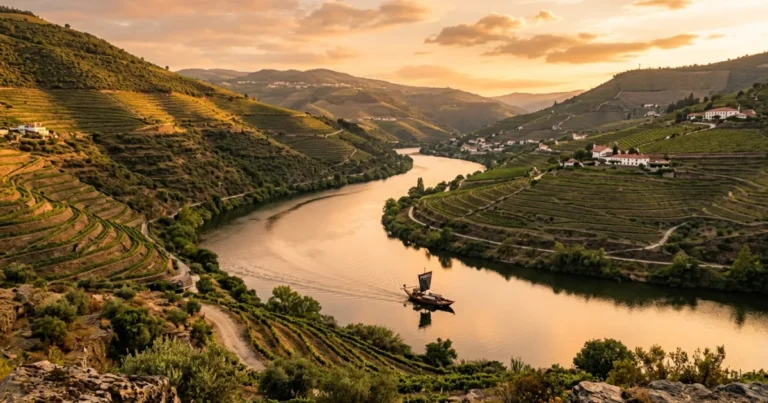
Moving inland, the landscape transforms dramatically into the terraced hillsides of the Douro Valley, a marvel of human agricultural engineering and a UNESCO World Heritage site. Further north, the Peneda-Gerês National Park provides a sanctuary for nature lovers, featuring granite peaks, cascading waterfalls, and traditional villages where time seems to have stood still. This geographical diversity ensures that North Portugal caters to a wide array of travel styles, from luxury wine tourism to rugged outdoor adventures.
Reasons to Visit
- The Douro Valley: Experience the world's oldest demarcated wine region, offering breathtaking terraced landscapes, luxury quintas, and world-class Port wine tastings.
- Historical Significance: Walk through Guimarães, the 'cradle of Portugal', and explore its remarkably preserved medieval center and castle.
- Peneda-Gerês National Park: Discover Portugal's only national park, a haven for hiking, wild swimming, and spotting wild Garrano horses.
- Architectural Marvels: Climb the magnificent Baroque staircase of Bom Jesus do Monte in Braga, a stunning pilgrimage site.
- Authentic Gastronomy: Indulge in hearty northern dishes and experience a culinary tradition that remains deeply tied to local agriculture.
Things to Avoid
- Driving in central Porto: The narrow, steep, and often one-way streets can be a nightmare for drivers. Rely on walking or public transport within the city.
- Rushing the Douro Valley: Avoid trying to see the entire valley in a single afternoon. The winding roads take time to navigate, and the experience is best enjoyed slowly.
- Expecting warm ocean water: The Atlantic coast in northern Portugal is notoriously cold and often windy, even in the peak of summer.
- Ignoring toll roads: Many highways (autoestradas) have electronic tolls. Ensure your rental car has a transponder (Via Verde) to avoid hefty fines.
Local Transportation Tips
Public transportation in North Portugal is efficient for intercity travel. The Comboios de Portugal (CP) train network connects Porto with major northern hubs like Braga, Guimarães, and Viana do Castelo reliably and affordably. The Linha do Douro train offers one of Europe's most scenic railway journeys along the river. However, for exploring rural areas, the Douro Valley's scattered quintas, or the Peneda-Gerês National Park, renting a car is essential. Roads are generally well-maintained, though mountain routes can be narrow and winding.
Travel Etiquette
- Greetings: A firm handshake is common in formal situations. Among friends or mixed company, two kisses on the cheek (starting with the right) is the standard greeting.
- Dining: If bread, olives, or cheese are brought to your table before the meal (the 'couvert'), be aware that they are not free. If you don't want them, simply politely decline.
- Tipping: Tipping is not strictly mandatory but is appreciated for good service. Leaving 5-10% in restaurants or rounding up the taxi fare is customary.
- Respect in Churches: When visiting the region's many religious sites, dress modestly (cover shoulders and knees) and keep noise to a minimum.
Recommended Age Group
North Portugal offers diverse experiences that cater to various age groups, though the terrain requires some consideration.
- Babies (0-2 years): Neutral. While the region is family-friendly, the steep hills and uneven cobblestones in historic centers can make navigating with a stroller challenging.
- Kids (3-12 years): Recommended. Children will love exploring ancient castles in Guimarães, taking boat rides on the Douro River, and discovering nature in Peneda-Gerês.
- Teens (13-19 years): Recommended. The region offers active adventures like hiking, surfing on the coast, and vibrant cultural scenes in cities like Porto.
- Adults (20-64 years): Recommended. Ideal for wine enthusiasts, history buffs, and those seeking scenic road trips and culinary exploration.
- Seniors (65+ years): Recommended. Scenic river cruises, accessible wine tastings, and rich historical sites offer a relaxed yet engaging pace, though care should be taken with steep city streets.
Accessibility Level: Medium
- Historic city centers in North Portugal often feature steep inclines and traditional 'calçada portuguesa' (cobblestone pavements), which can be difficult for wheelchair users or those with mobility issues.
- Major museums, modern hotels, and newer infrastructure in cities like Porto and Braga generally offer good accessibility, including ramps and elevators.
- When booking wine tours in the Douro Valley, contact the quintas in advance, as many historic estates have adapted their facilities to be wheelchair-friendly.
- Public transport accessibility varies; while newer metro stations in Porto are accessible, older regional train stations may lack elevators.
Did You Know?
Guimarães is proudly known as the 'cradle city' of Portugal. It is widely believed to be the birthplace of Afonso Henriques, who went on to become the first King of Portugal in 1139, successfully fighting for independence from the Kingdom of León.
Cool Statistics
- The Douro Valley was established as a demarcated wine region in 1756 by the Marquis of Pombal, making it the oldest regulated wine region in the world.
- Peneda-Gerês National Park covers an area of over 700 square kilometers and is home to ancient Roman milestones along the Geira Roman road.
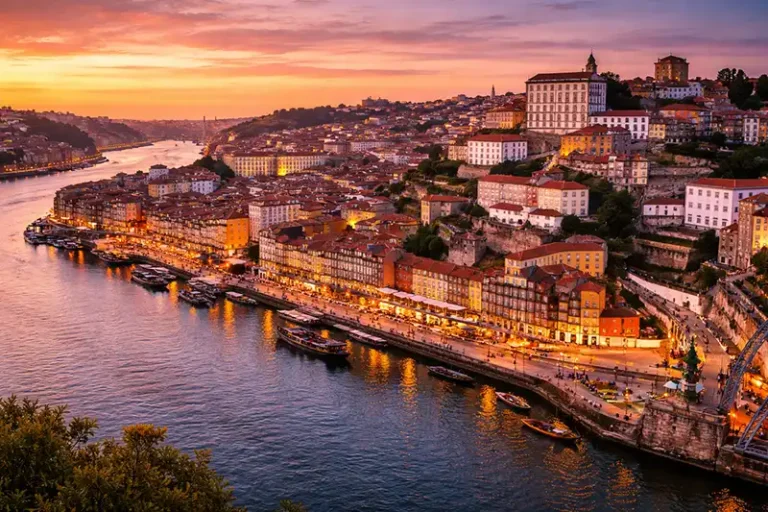
- Porto's historic center, the Luiz I Bridge, and the Monastery of Serra do Pilar were designated a UNESCO World Heritage site in 1996.









Buy a compatible power adapter for your trip