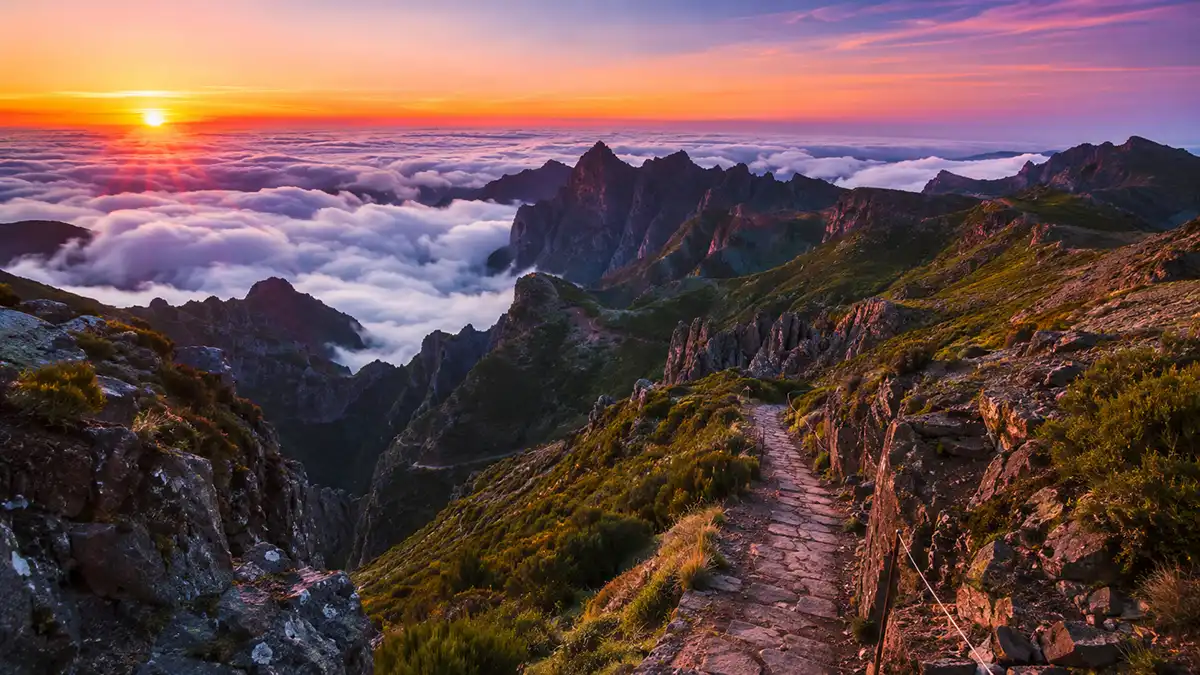
Madeira Island, the principal island of the Madeira Archipelago, is a dramatic volcanic landmass rising steeply from the Atlantic Ocean. Its unique topography creates a variety of microclimates, allowing lush, subtropical vegetation to thrive alongside rugged mountain peaks. The island is globally recognized for its Laurisilva forest, a UNESCO World Heritage site that represents the largest surviving area of laurel forest in the world. This ancient forest is deeply intertwined with the island's famous levadas—a 2,000-kilometer network of narrow irrigation channels built centuries ago to distribute water from the rainy north to the drier south. Today, these levadas serve as spectacular hiking trails, drawing nature lovers from across the globe.
Funchal, the vibrant capital city, cascades down the hillsides to a picturesque harbor. It serves as the cultural and commercial hub of the island, offering a blend of historic architecture, modern amenities, and colorful street art, particularly in the Zona Velha (Old Town). Visitors can experience the island's rich agricultural bounty at the Mercado dos Lavradores, where exotic fruits and fresh seafood are displayed in abundance. Beyond the capital, the island is dotted with charming coastal villages like Câmara de Lobos, dramatic viewpoints such as Cabo Girão (one of the highest sea cliffs in Europe), and the natural volcanic swimming pools of Porto Moniz. Whether you are seeking adrenaline-pumping outdoor adventures or a serene retreat surrounded by nature, Madeira provides a deeply rewarding travel experience.
Reasons to Visit
- Levada Hiking: Access hundreds of kilometers of unique trails following historic water channels through ancient forests and mountain passes.
- Dramatic Scenery: Experience breathtaking viewpoints, towering sea cliffs like Cabo Girão, and rugged volcanic peaks.
- Year-Round Spring: Enjoy a mild, subtropical climate that makes outdoor activities pleasant in any season.
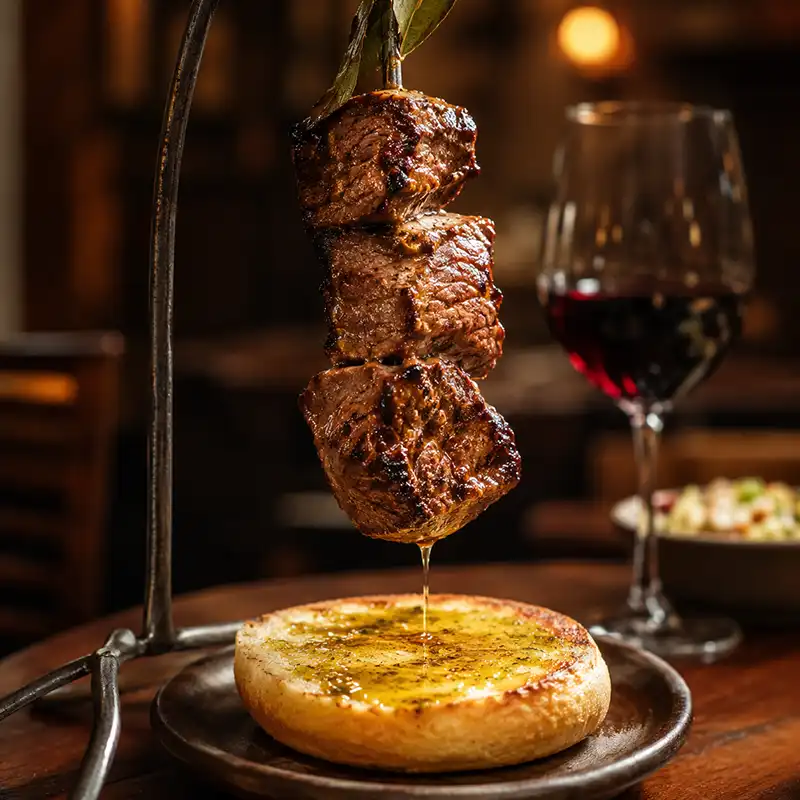
- Unique Gastronomy: Taste local specialties including Espetada, black scabbardfish, bolo do caco, and world-renowned Madeira wine.
- Marine Wildlife: Take boat tours to spot dolphins, whales, and sea turtles in the clear Atlantic waters.
Things to Avoid
- Ignoring Trail Warnings: Never hike closed levadas or trails during heavy rain, as landslides and rockfalls are real dangers.
- Underestimating Driving Conditions: Avoid renting a manual car if you are not comfortable with very steep, narrow, and winding mountain roads.
- Relying Solely on Weather Forecasts: Do not let a cloudy forecast in Funchal deter you; the island's microclimates mean it might be sunny just a few kilometers away.
- Overpacking Heavy Gear: Avoid bringing excessive heavy luggage, as many accommodations require navigating steep hills or stairs.
Local Transportation Tips
Public transportation in Madeira is primarily bus-based, with different companies serving various parts of the island. Horários do Funchal operates within the capital and its immediate surroundings, while SAM, Rodoeste, and EACL cover the eastern, western, and eastern coastal routes, respectively. While buses are affordable and reliable for major towns, they can be infrequent in rural areas. For maximum flexibility, especially to reach trailheads and remote viewpoints, renting a car is highly recommended. Taxis and ride-sharing apps like Bolt are readily available in Funchal. Additionally, cable cars provide scenic and practical transport to elevated areas like Monte and the Botanical Gardens.
Travel Etiquette
- Trail Courtesy: Yield to hikers walking uphill on narrow levada trails and do not leave any trash behind.
- Dress Modestly in Churches: Ensure shoulders and knees are covered when visiting religious sites.
- Tipping: Tipping is not strictly mandatory but leaving 5-10% in restaurants for good service is appreciated.
- Greeting: A polite 'Bom dia' (Good morning) or 'Boa tarde' (Good afternoon) is expected when entering small shops or greeting locals.
Recommended Age Group
Madeira offers diverse attractions that cater to various age groups, though its rugged terrain requires some consideration.
- Babies (0-2 years): Neutral. While the climate is pleasant, navigating steep cobbled streets and narrow hiking trails with a stroller is highly impractical.
- Kids (3-12 years): Recommended. Children will love the cable car rides, natural volcanic pools, and dolphin-watching boat tours.
- Teens (13-19 years): Recommended. The island offers exciting outdoor activities like canyoning, mountain biking, and surfing.
- Adults (20-64 years): Recommended. Perfect for hiking enthusiasts, foodies, and those looking to explore the island's culture and natural beauty.
- Seniors (65+ years): Recommended. The island is a popular destination for older travelers due to its safety, mild climate, beautiful gardens, and accessible viewpoints, though mobility issues may limit some hiking.
Accessibility Level: Medium
- Funchal: The capital has made significant improvements in accessibility, with flat promenades, ramp access to major museums, and accessible cable cars.
- Levadas: A select few levadas, such as Levada dos Balcões, are wide and flat enough to be accessible for wheelchair users with assistance.
- Transport: Many modern public buses in Funchal are equipped with ramps, and specialized accessible taxis can be booked in advance.
- Accommodation: A wide range of 4 and 5-star hotels offer fully accessible rooms and facilities.
Did You Know?
Madeira is the birthplace of football legend Cristiano Ronaldo. The island honors him with a dedicated museum (Museu CR7), a bronze statue, and even named its international airport after him. Additionally, the island's famous New Year's Eve fireworks display once held the Guinness World Record for the largest fireworks show in the world.
Cool Statistics
- Highest Peak: Pico Ruivo stands at 1,861 meters (6,106 feet) above sea level.
- Levada Network: There are over 2,000 kilometers (1,200 miles) of levadas crisscrossing the island.
- Forest Coverage: The Laurisilva forest covers approximately 20% of the island's surface.
- Distance from Mainland: Madeira is closer to the African coast (approx. 520 km) than to mainland Portugal (approx. 1,000 km).






Buy a compatible power adapter for your trip