Disclosure: This site contains affiliate links. We may earn a commission if you make a purchase, at no extra cost to you.
Argyll and Bute

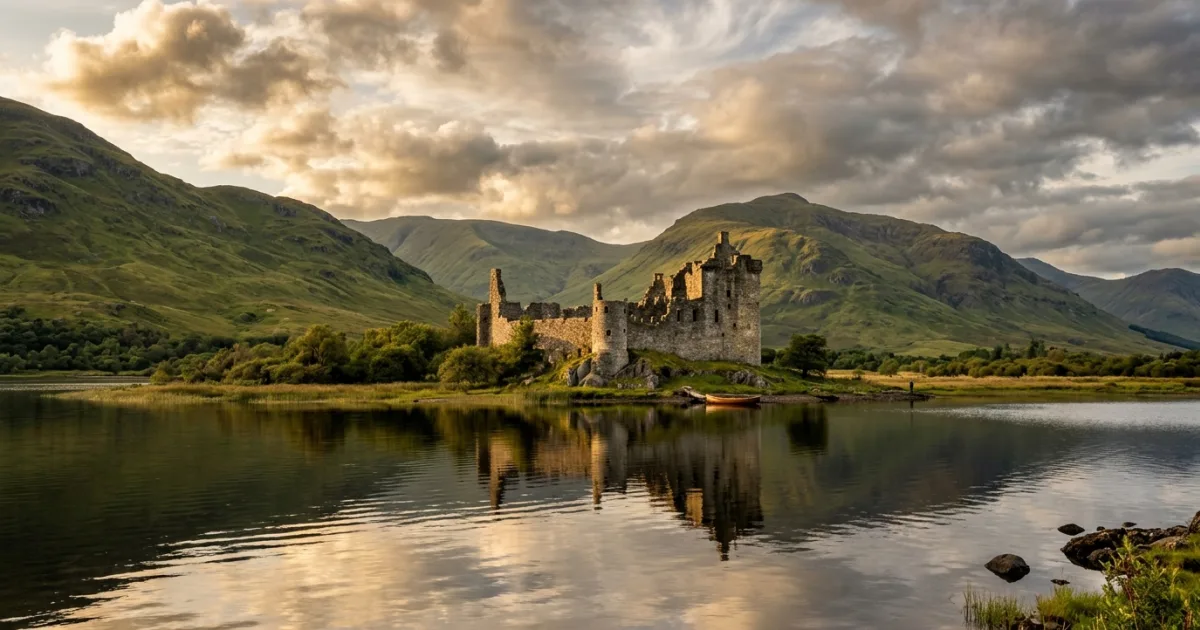
Panoramic view of Kilchurn Castle ruins standing on the edge of Loch Awe in Argyll and Bute

Basic Info

COUNTRY & Region

United Kingdom,
Europe

ACCESSIBILITY LEVEL​

  • High: Widely accessible with good facilities for disabilities.
  • Medium: Some accessible options, but limitations exist.
  • Low: Limited accessibility; many barriers for disabilities.
Medium

LOCAL CURRENCY​

British Pound (GBP)

Price Level

Low – budget‑friendly basics

Medium – moderate mid‑range costs

High – pricey lodging, dining & transport

Medium

SAFETY LEVEL

5 shields = Excellent – very low crime or conflict.

4 shields = Safe – low risk, routine care.

3 shields = Relatively safe – use normal street smarts.

2 shields = Use caution – higher crime or periodic unrest.

1 shields = Avoid – active conflict or extreme danger.

Scores are derived from multi-year peace, homicide and security indices blended into a single 1-to-5 scale.

Recommended Duration

1-7 days, More than a week

Argyll and Bute Overview & Key Highlights

Argyll and Bute spans the rugged southwestern fringe of the Scottish Highlands, encompassing jagged sea lochs, ancient temperate rainforests, and twenty-three inhabited islands. Bound by the Atlantic Ocean and Loch Lomond, the region forms the ancestral heartland of the Gaelic kingdom of Dál Riata, where standing stones at Kilmartin Glen share the landscape with baronial fortresses like Inveraray Castle. Its administrative hub of Lochgilphead and bustling port towns such as Oban serve as maritime springboards to the Inner Hebrides, making it a crossroads of Highland heritage and marine navigation. Travelers explore a varied coastal topography sculpted by glacial activity and oceanic tides. The region functions as Scotland's premier seafood and single malt corridor, home to historic distilleries on Islay and world-renowned oyster beds along Loch Fyne. Winding coastal roads navigate narrow peninsulas, connecting visitors to quiet fishing harbors, Atlantic oak woodlands, and open ocean viewpoints where seals, otters, and minke whales frequent the waters.

Argyll and Bute Travel Guide: Logistics & In-Depth Tips

Argyll and Bute covers more than 6,900 square kilometers of mountainous terrain, tranquil sea lochs, and islands in western Scotland. Bordered to the east by Loch Lomond and the Trossachs National Park and washed by the Atlantic Ocean to the west, it bridges Highland grandeur with accessible maritime coastline. Its geography is dissected by extensive sea channels such as Loch Fyne and Loch Long, creating scenic peninsulas including Cowal, Kintyre, and Knapdale.

Historically, the area served as the epicenter of ancient Scottish statehood, housing Dunadd Fort where the early kings of Dál Riata were inaugurated. Today, travelers encounter romantic ruined fortresses like Kilchurn Castle on Loch Awe, elegant stately homes such as Mount Stuart on Bute and Inveraray Castle, and prehistoric stone circles scattered across Kilmartin Glen. From the bustling seafood harbor of Oban to the tranquil sands of Tiree and Colonsay, the region offers an exceptional blend of historical immersion, marine wildlife, and Gaelic coastal culture.

Reasons to Visit

  • World-Class Seafood: Sample freshly caught langoustines, scallops, and oysters along the renowned Argyll Seafood Trail and Oban harbor.
  • Prehistoric Landscape of Kilmartin Glen: Walk among over 800 ancient monuments, chambered cairns, and carved rock alignments dating back 5,000 years.
  • Iconic Castles & Fortresses: Tour historic bastions including Inveraray Castle, Dunstaffnage Castle, and the picturesque ruin of Kilchurn Castle.
  • Marine Wildlife Encounters: Spot minke whales, basking sharks, grey seals, and white-tailed sea eagles on boat excursions across the Firth of Lorn.
  • Pristine Island Gateways: Seamlessly explore diverse islands such as Islay, Mull, Bute, and Gigha via Caledonian MacBrayne ferry links.

Things to Avoid

  • Avoid Ignoring Passing Place Etiquette: Never park inside a passing place to take photos or block traffic; use them strictly for yielding.
  • Do Not Rely Solely on Mobile Data Navigation: Cell phone coverage drops frequently in deep glens and rural peninsulas; download offline maps in advance.
  • Do Not Board Ferries Without Advance Summer Bookings: Vehicle space on CalMac ferries to popular islands fills days or weeks ahead during July and August.
  • Avoid Walking Without Midge Protection: Do not venture into humid woodlands or peat bogs in midsummer without insect repellent and long sleeves.

Local Transportation Tips

Travel across Argyll and Bute combines road, rail, and marine transit. Caledonian MacBrayne (CalMac) operates the comprehensive network of passenger and vehicle ferries connecting mainland terminals like Oban, Kennacraig, and Colintraive to the islands. On the mainland, ScotRail operates the scenic West Highland Line from Glasgow Queen Street to Oban, delivering stunning vistas of Loch Awe and the Highlands. Citylink coaches connect major settlements, but hiring a private vehicle is strongly recommended to explore remote coastal points, prehistoric monuments, and scenic single-track routes across Kintyre and Knapdale at your own pace.

Travel Etiquette

  • Respect the Scottish Outdoor Access Code: You have the right to roam responsibly, but you must keep dogs on leads around livestock, leave gates as you found them, and carry away all litter.
  • Wave in Passing Places: It is standard Highland road courtesy to exchange a brief wave of thanks when drivers pull aside to let you pass on single-track roads.
  • Tipping Practices: Tipping 10% to 12% in restaurants and pubs with table service is customary for good service, though it is not strictly mandatory.

Recommended Age Group

Argyll and Bute offers diverse experiences across nature and heritage, making it ideal for self-sufficient travelers, outdoor enthusiasts, and families with older children.

  • Babies (0-2 years): Neutral. The region offers clean coastal air and tranquil farm stays, but rocky terrain, ferry transfers, and limited baby-changing infrastructure at remote viewpoints can complicate travel logistics.
  • Kids (3-12 years): Neutral. Children enjoy castle ruins, beach combing, seal-spotting cruises, and wildlife parks, though prolonged driving on winding rural roads and summer midges require patient planning.
  • Teens (13-19 years): Recommended. Excellent destination for sea kayaking, mountain biking, coastal hiking, rib boat rides, and exploring storied fortress ruins.
  • Adults (20-64 years): Recommended. Outstanding opportunities for single malt distillery trails, seafood dining, scenic road tripping, and high-standard coastal retreats.
  • Seniors (65+ years): Recommended. Ideal for slow touring, leisurely ferry journeys, historic garden visits, and panoramic rail journeys through Highland landscapes.

Accessibility Level: Medium

  • Ferry Accessibility: CalMac vessels feature elevator access from vehicle decks to passenger lounges, accessible restrooms, and dedicated wheelchair boarding areas.
  • Heritage Sites: Major attractions like Inveraray Castle and Mount Stuart offer wheelchair ramps and ground-floor access, though ancient ruins like Dunstaffnage involve rough stone steps and uneven turf.
  • Public Transport: ScotRail trains to Oban accommodate wheelchairs with boarding ramp assistance booked in advance, while rural bus services have low-floor entries.

Did You Know?

Dunadd Fort, situated in the Moine Mhòr moss of Kilmartin Glen, features a footprint carved into solid rock. In the early medieval period, Gaelic kings of Dál Riata stood their bare foot in this stone impression during sacred coronation ceremonies to signify their union with the land.

Cool Statistics

  • 23: Inhabited islands located within the council area of Argyll and Bute.
  • 3,723 km: Estimated length of Argyll and Bute's dramatic tidal coastline, longer than the coastline of France.
  • 800+: Ancient stone monuments, cairns, and rock art carvings located within a six-mile radius in Kilmartin Glen.

Address:

Argyll and Bute, Scotland, United Kingdom

Find Nearby Accommodations

Electricity

220-240V, 
50Hz

Plug Type

Type G (Three rectangular pins in a triangular pattern)
Plug types
Click To View Plug Types
Argyll and Bute is part of our
Coolcation collection

Activities To Do In Argyll and Bute

Best Time To Visit Argyll and Bute

Argyll and Bute is best experienced between May and September, when daylight extends up to seventeen hours and maritime transport operates at full seasonal frequency.

  • May to June (Best Overall): Drier weather conditions, blooming rhododendrons, arriving seabird colonies, and generally lower midge activity before the summer peak.
  • July to August (Peak Wildlife & Festivals): Warmest average temperatures (16°C to 19°C), active Highland games, and prime whale-watching conditions, though insect repellent and advance ferry bookings are essential.
  • September to October (Autumn Splendor): Golden birch canopies, the red deer rut in Highland glens, quieter roads, and atmospheric fireside dining across coastal inns.
  • November to April (Low Season): Cool, tempestuous Atlantic storms, reduced ferry timetables, and short daylight hours, appealing primarily to storm watchers and whisky trail travelers.

Average Temperatures Per Month

Average monthly temperaturesMonthly source values, with Celsius and Fahrenheit equivalents in the following data table.0°32°5°41°10°50°15°59°20°68°JanJan: 6°C / 43°FFebFeb: 6°C / 43°FMarMar: 6°C / 43°FAprApr: 8°C / 46°FMayMay: 11°C / 52°FJunJun: 13°C / 55°FJulJul: 13°C / 55°FAugAug: 14°C / 57°FSepSep: 13°C / 55°FOctOct: 11°C / 52°FNovNov: 8°C / 46°FDecDec: 6°C / 43°F
View temperature data
Average monthly temperatures
Month°C°F
Jan643
Feb643
Mar643
Apr846
May1152
Jun1355
Jul1355
Aug1457
Sep1355
Oct1152
Nov846
Dec643

Remember to check the weather forecast a few days before the trip and before heading to the airport.

Safety Level

5 shields = Excellent – very low crime or conflict.

4 shields = Safe – low risk, routine care.

3 shields = Relatively safe – use normal street smarts.

2 shields = Use caution – higher crime or periodic unrest.

1 shields = Avoid – active conflict or extreme danger.

Scores are derived from multi-year peace, homicide and security indices blended into a single 1-to-5 scale.

Argyll and Bute is an exceptionally safe region with negligible rates of violent crime. Primary traveler hazards are environmental: driving on single-track roads requires disciplined use of designated passing places and yielding to uphill traffic. Ticks carrying Lyme disease inhabit tall heather and bracken; conduct thorough skin inspections after hiking. Always verify marine weather and tidal shifts before venturing out in sea kayaks or coastal dinghies.

The rating is based on multi-year peace, crime, and security indices. Before you go, always verify current conditions through official government travel advisories.

Emergency Numbers

Police: 999
Ambulance: 999

No internet needed • Includes local translations • Free for TravelingWiz readers

Spoken Languages

English is universally spoken throughout the region. Scottish Gaelic (Gàidhlig) holds historical and cultural significance, with bilingual road signage displayed along public highways.
Travel Booking Partner - TravelingWiz

Learn The Language

  • Halò: Hello
  • Tapadh leibh: Thank you (formal/polite)
  • Slàinte mhath: Cheers / Good health (pronounced slan-juh vah)
  • Ciamar a tha sibh?: How are you?
  • Madainn mhath: Good morning
  • Feasgar math: Good afternoon / evening
  • Mar sin leat: Goodbye
  • Tha mi duilich: I am sorry / Excuse me

Trip Cost & Budgeting for Argyll and Bute, 2026

Everything you need to know about money while traveling
Is Argyll and Bute expensive for tourists in 2026? Costs in this scenic Scottish region are moderate compared to major UK cities. Based on Human Verified prices, expect to pay around £3.40 for a cappuccino, £4.00 for a domestic beer pint, and £20.00 for a mid-range restaurant meal. Lodging and island ferry transport represent your largest daily expenses. Use the data table below to calculate your specific daily budget based on your travel style.

LOCAL CURRENCY​:

British Pound (GBP)

Price Level:

Low – budget‑friendly basics

Medium – moderate mid‑range costs

High – pricey lodging, dining & transport

Medium

Cards Vs. Cash

Cards are widely accepted across restaurants, shops, and ferries, but carrying some cash helps in remote rural areas.

How Much Cash to Carry (on you)

Per person, per day – pocket cash for small purchases.

Local: 14
British Pound (GBP)
≈ 18 USD

Average Daily Costs (per person)

Full daily spend estimation (accommodation, food, transportation, attractions).

Travel Style
British Pound (GBP)
≈ USD ($)
Budget
75
98
Mid-range
140
183
Comfort
310
406
Note

The Prices, Daily costs, and calculator results are estimates for planning purposes only. Actual costs may vary based on season, booking timing, personal spending habits, and currency fluctuations. TravelingWiz cannot be held responsible for discrepancies between these estimates and your final trip expenses.

Best Value Tips

  • • Purchase CalMac Ferry hopscotch passes in advance to save on travel between Argyll mainland and neighboring islands.
  • • Buy fresh seafood from harbour takeaway shacks in Oban for high quality dining at lower prices than restaurants.
  • • Travel during shoulder seasons like May or September for lower hotel rates and fewer crowds across Argyll towns.
  • • Take advantage of free natural sights including castle ruins, forest trails, and Loch Lomond viewpoint walks.

Tours & Tickets

Explore tours, attractions, and ticket options to plan your visit.
Plan ahead

Travel Offers & Coupons

Browse travel offers and coupons from our affiliate partners.
Affiliate partner offers

What To Pack

  • Layered Waterproof Clothing: High-performance waterproof and windproof shell jacket and trousers to withstand fast-moving Atlantic rain fronts.
  • Sturdy Waterproof Footwear: Broken-in hiking boots with Vibram soles for peat bogs, rocky coastal paths, and castle grounds.
  • Insect Repellent: Smidge or high-concentration DEET specifically formulated to repel Highland midges from late May through September.
  • Dry Bags: Waterproof dry sacks for day packs to safeguard cameras and electronics during ferry transits and sea excursions.
  • Compact Binoculars: 8x42 optics for spotting red deer, golden eagles, puffins, and marine mammals along coastal cliffs.
Only the good stuff!
Browse recommended travel gear
Check out our free packing list tool

Recommended Itineraries for Traveling to Argyll and Bute

Take your itinerary with you

Choose a ready-made itinerary, plan your own trip, and keep TravelingWiz by your side while you travel.

Get the TravelingWiz app

Food & Drink Highlights

Local Food Overview

Argyll and Bute is celebrated as Scotland's premier larder, defined by clean ocean currents, upland peat hills, and lush grazing pastures. The region's marine bounty includes cold-water langoustines, brown crab, hand-dived scallops, and Loch Fyne oysters harvested from pristine sea lochs. Inland, upland farms yield prime Scottish blackface lamb and Highland beef reared on wild herbs. The region also stands as a world capital of single malt Scotch whisky, housing iconic maritime and peated distilleries across Islay, Jura, Campbeltown, and Oban, alongside artisanal farmstead cheeses from the Isle of Mull and Gigha.

Must Try Dish

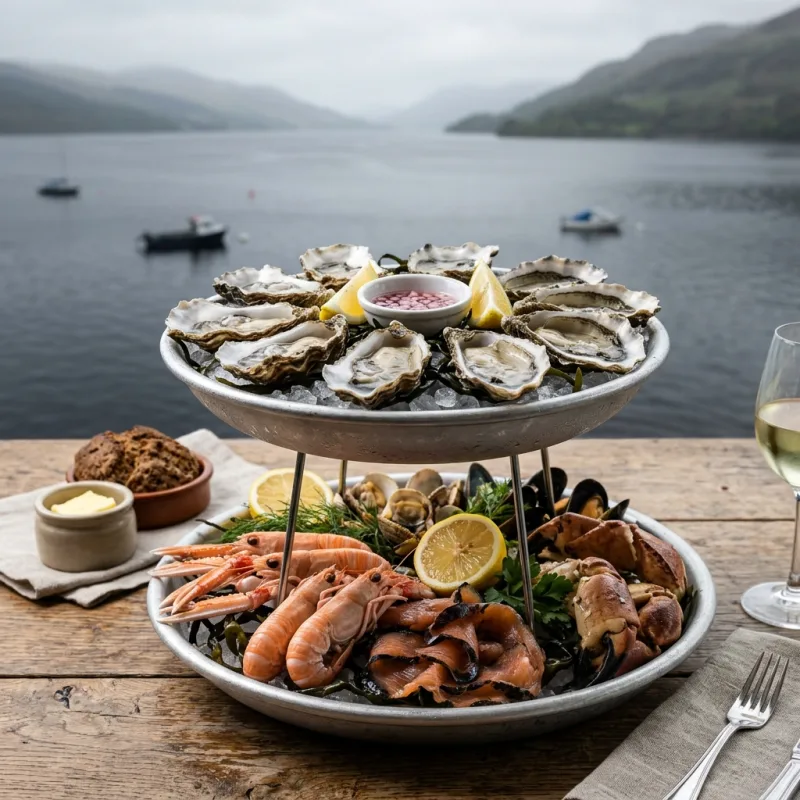
Loch Fyne Seafood Platter - A showcase of regional cold-water shellfish featuring freshly shucked Pacific and native oysters, steamed langoustines, smoked salmon, and pickled herring served on crushed ice. It offers an authentic taste of western Scottish maritime heritage, highlighted with lemon and homemade soda bread.
Fresh Loch Fyne seafood platter with oysters, langoustines, and smoked salmon on crushed ice overlooking a Scottish sea loch

Maya’s Final Checklist for Argyll and Bute

Logistics shouldn’t be the focus of your trip—the experience should. I’ve hand-vetted these essential partners to ensure your arrival, stay, and exploration are as smooth as an Athenian breeze.

Maya, the human travel expert at TravelingWiz, offering curated, non-AI expertise

Where to Stay

Compare accommodation options and choose a stay that suits your plans and budget.

Air Travel

Compare flight options and find a route that fits your plans.

Local Guides

Connect with local guides for personalized help planning and exploring.

Travel Protection

The “Engineer’s” rule: always have a backup. Secure your trip with a plan that covers every “what if” and unexpected change.

Car Rentals

Compare rental options and choose a car that suits your trip.

Visa Information

Don’t let paperwork slow you down. Get expert assistance with your application to ensure all your entry documents are in order.

FAQs

While scenic train routes connect Glasgow to Oban and Helensburgh, a vehicle offers essential flexibility for reaching secluded peninsulas, ferry terminals, and trailheads.
Single-track roads have designated passing places marked by diamond or square signs. Always pull into the passing place on your left, or pause opposite one on your right, allowing approaching cars or faster vehicles behind to pass.
Highland midges are most prevalent from late May through August, particularly on still, humid mornings and evenings near water bodies. Breezy days along the coast generally keep them away.

Your Insights Matter

TravelingWiz grows through the stories of our community. If you’ve recently explored ,Argyll and Bute share your tips and stories to help us perfect our guides for the next traveler.

Where should we send your offline card?

We hate spam just as much as you do

newsletter_consent *