Disclosure: This site contains affiliate links. We may earn a commission if you make a purchase, at no extra cost to you.

>
>
>
>
Scottish Highlands

Scottish Highlands

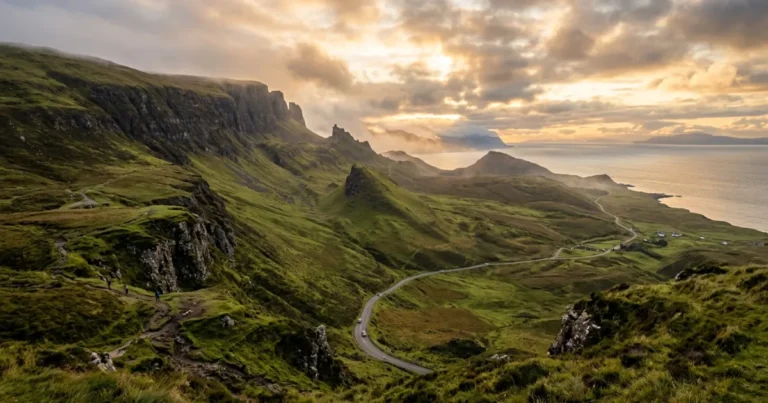
Panoramic view of the rugged Glencoe valley in the Scottish Highlands

Scottish Highlands Overview & Key Highlights

The Scottish Highlands encompass a vast, mountainous region in northern Scotland known for its dramatic scenery, deep lochs, and rich Celtic history. Visitors can explore ancient castles, hike through rugged glens like Glencoe, and drive the famous North Coast 500 route to experience the area's untamed beauty. Beyond the iconic landscapes, the region offers deep cultural immersion through its historic whisky distilleries, traditional Highland games, and welcoming local communities. Whether you are seeking a remote off-grid glamping experience, spotting red deer and golden eagles, or tracing the footsteps of Jacobite risings, the Highlands provide an unforgettable adventure for nature lovers and history enthusiasts alike.

Scottish Highlands Travel Guide: Logistics & In-Depth Tips

The Scottish Highlands represent the untamed heart of Scotland, a region where ancient geology and turbulent history have shaped a landscape of unparalleled drama. From the towering peak of Ben Nevis, the highest mountain in the British Isles, to the mysterious depths of Loch Ness, the natural wonders here are vast and varied. The region is sparsely populated, allowing nature to take center stage, making it a premier destination for outdoor enthusiasts, photographers, and those seeking a profound sense of isolation and peace.

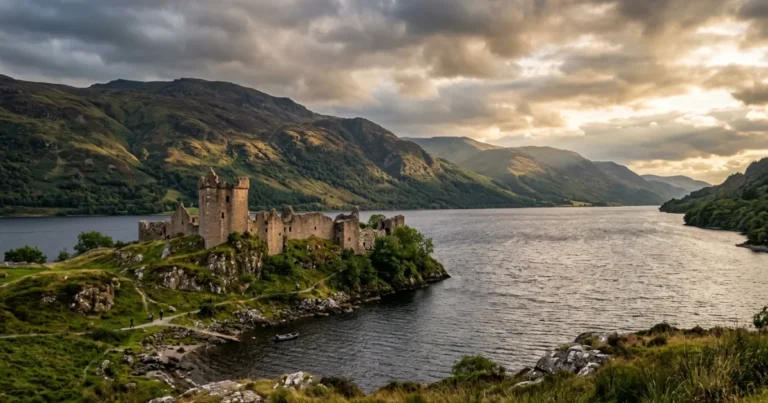
Culturally, the Highlands are the bastion of traditional Scottish heritage. This is the land of tartans, bagpipes, and clan histories. Visitors can explore the ruins of Urquhart Castle, walk the solemn battlefield of Culloden, or take a guided tour through one of the many historic whisky distilleries that dot the Speyside and Highland regions. The warmth of Highland hospitality is legendary, ensuring that after a long day of exploring the rugged terrain, a cozy pub with a roaring fire and a dram of single malt awaits.

Reasons to Visit

  • Dramatic Landscapes: Experience world-renowned scenery, including Glencoe, the Isle of Skye, and the Cairngorms.
  • Rich History: Explore ancient castles, battlefields, and standing stones that tell the story of Scotland's past.
  • Whisky Heritage: Tour historic distilleries and taste some of the finest single malt whiskies in the world.
  • Outdoor Adventure: Enjoy world-class hiking, mountaineering, kayaking, and mountain biking.
  • Wildlife Watching: Spot iconic species such as red deer, golden eagles, puffins, and Highland cows.

Things to Avoid

  • Underestimating the Weather: Highland weather is notoriously unpredictable; never hike without proper gear.
  • Ignoring Single-Track Road Etiquette: Failing to use passing places to let others pass is a major frustration for locals.
  • Unprepared Wild Camping: Always follow the Scottish Outdoor Access Code and leave absolutely no trace.
  • Relying Solely on Cell Service: Mobile reception can be non-existent in remote glens; download offline maps.

Local Transportation Tips

While public transport exists—such as the scenic West Highland Line train and local bus services—the most effective way to explore the Scottish Highlands is by car. Renting a vehicle provides the freedom to navigate remote coastal routes and hidden glens. Be prepared for single-track roads, which require careful driving and the use of designated passing places. For those without a car, guided coach tours from Inverness or Edinburgh offer comprehensive overviews of the region's highlights.

Travel Etiquette

  • Driving: On single-track roads, pull into passing places on your left to let oncoming traffic pass. If the passing place is on your right, wait opposite it. Always let faster vehicles behind you overtake.
  • Nature: Adhere strictly to the 'Leave No Trace' principles. Take all litter with you and do not disturb wildlife.
  • Pub Culture: When ordering at a pub, it is customary to order and pay at the bar rather than waiting for table service.
  • Respecting History: Treat historic sites, especially battlefields and graveyards, with solemn respect.

Recommended Age Group

The Scottish Highlands offer diverse experiences suitable for almost all ages, though the rugged terrain requires some consideration.

  • Babies (0-2 years): Neutral. While the scenery is beautiful, long driving distances and unpredictable weather can make logistics challenging for parents with infants.
  • Kids (3-12 years): Recommended. Children will love the folklore of the Loch Ness Monster, exploring ruined castles, and taking short nature walks to spot wildlife.
  • Teens (13-19 years): Recommended. The region is perfect for adventurous teens, offering activities like mountain biking, kayaking, and hiking.
  • Adults (20-64 years): Recommended. Ideal for road trips, challenging hikes, historical exploration, and whisky tasting.
  • Seniors (65+ years): Recommended. The Highlands offer spectacular scenic drives, accessible viewpoints, and slow-paced cultural tours, though mobility-impaired travelers should check accessibility at historic sites.

Accessibility Level: Medium

  • Many major tourist attractions, such as the Culloden Battlefield visitor center and larger castles, offer excellent wheelchair accessibility.
  • Scenic drives like the North Coast 500 allow visitors to experience the dramatic landscapes without needing to hike.
  • However, remote natural sites, ancient ruins, and rugged hiking trails are generally not wheelchair accessible due to uneven terrain.
  • Accessible accommodation is available in larger towns like Inverness and Fort William, but should be booked well in advance.

Did You Know?

Did you know that the Scottish Highlands are home to some of the oldest rocks in the world? The Lewisian Gneiss found in the northwest Highlands is estimated to be up to 3 billion years old, making it older than life on Earth itself.

Cool Statistics

  • Highest Peak: Ben Nevis stands at 1,345 meters (4,411 ft), the highest mountain in the UK.
  • Deepest Loch: Loch Morar reaches a depth of 310 meters (1,017 ft), making it the deepest body of freshwater in the UK.
  • Coastline: The Highland region boasts over 3,000 miles of rugged coastline.
  • Whisky: There are over 40 active whisky distilleries in the Highland region alone.

Address:

Scottish Highlands, Scotland

Find Nearby Accommodations

Basic Info

address icon

COUNTRY & Region

Scotland,
Europe

ACCESSIBILITY LEVEL​

Medium
Currency icon

LOCAL CURRENCY​

Pound Sterling (GBP)
Price level icon
Medium
Safety Level icon

SAFETY LEVEL

Duration icon

Recommended Duration

• 1-7 days
• More than a week

Electricity

electricity icon

Electricity

220-240V, 
50Hz
Plug Socket icon

Plug Type

• Type G (Three rectangular pins in a triangular pattern)
Plug types
Click To View Plug Types

Activities To Do In Scottish Highlands

Best Time To Visit Scottish Highlands

The best time to visit the Scottish Highlands is during the shoulder seasons of May and September.

  • May & June: Long daylight hours, blooming flora, and generally drier weather.
  • July & August: Peak tourist season with the warmest temperatures, but also the height of midge (biting insect) season.
  • September & October: Stunning autumn colors, fewer crowds, and the beginning of the rutting season for red deer.
  • Winter: Cold and snowy, perfect for winter mountaineering and cozy distillery tours, though many rural attractions close.

Average Temperatures Per Month

Remember to check the weather forecast a few days before the trip and before heading to the airport.

Safety Level icon

Safety Level

The Scottish Highlands are extremely safe regarding crime, but natural hazards require respect. Weather can change rapidly; always carry waterproofs, a physical map, and a compass when hiking. On single-track roads, use designated passing places to let oncoming traffic and faster vehicles behind you pass. Be vigilant for sheep and deer crossing the roads.

The rating is based on multi-year peace, crime, and security indices. Before you go, always verify current conditions through official government travel advisories.

Emergency Numbers

Police: 999
Ambulance: 999

No internet needed • Includes local translations • Free for TravelingWiz readers

Spoken Languages

English is the primary language, though Scottish Gaelic is spoken by a minority, particularly in the western regions and islands. You will frequently see bilingual road signs.

Learn The Language

  • Fàilte (Welcome)
  • Slàinte mhath (Cheers / Good health)
  • Madainn mhath (Good morning)
  • Tapadh leat (Thank you)
  • Ciamar a tha thu? (How are you?)
  • Tha mi gu math (I am well)
  • Dè an t-ainm a th’ ort? (What is your name?)
  • Tìoraidh (Bye)
Travel Booking Partner - TravelingWiz

Trip Cost & Budgeting for Scottish Highlands, 2026

Everything you need to know about money while traveling
Is Scottish Highlands expensive for tourists in 2026? While it is not cheap, it remains moderately priced compared to London. Based on our Human Verified prices, you can expect to pay around £3.15 for a cappuccino, £4.90 for a pint of domestic beer, and £22.00 for a standard main meal at a mid-range restaurant. Use the data table below to calculate your specific daily budget based on your travel style. With TravelingWiz's Human Verified data, a typical traveler should expect to spend around $233 USD per day for a mid-range trip in Scottish Highlands. Click the Trip Cost Calculator button below the table to work out your personal budget for this trip.
Currency icon

LOCAL CURRENCY​:

Pound Sterling (GBP)
Price level icon
Medium
Credit cards are widely accepted across the Highlands, but carry some cash for remote parking meters and small cafes.

Per person, per day – pocket cash for small purchases.

Local: 35
Pound Sterling (GBP)
≈ 47 USD

Full daily spend estimation (accommodation, food, transportation, attractions).

Travel Style
Pound Sterling (GBP)
≈ USD ($)
Budget
95
128
Mid-range
175
235
Comfort
390
525

The Prices, Daily costs, and calculator results are estimates for planning purposes only. Actual costs may vary based on season, booking timing, personal spending habits, and currency fluctuations. TravelingWiz cannot be held responsible for discrepancies between these estimates and your final trip expenses.

  • • Book accommodation and car rentals 3 to 6 months in advance to avoid massive peak-season price hikes.
  • • Take advantage of the full Scottish breakfast usually included in local B&Bs to save on lunch costs.
  • • Explore the endless free natural attractions like hiking trails, lochs, and viewpoints which cost absolutely nothing.
  • • Buy a supermarket meal deal for lunch or self-cater occasionally to keep daily food expenses low.

Pre-Order Tickets

Avoid disappointment when tickets sell out — and skip the long lines by booking online in advance. You’ll often save up to 20% too.
Save up to 20%

Travel Discounts & Coupons

Save on hotels, attractions, transport, and gear — find verified discounts for smarter travel spending.
Verified Coupons

What To Pack

  • Waterproof and windproof jacket (essential year-round)
  • Sturdy, waterproof hiking boots
  • Layered clothing (fleece, thermal base layers)
  • Midge repellent (specifically 'Smidge' for summer months)
  • UK Type G power adapter
  • Binoculars for wildlife spotting
We couldn't find tips for Scottish Highlands.
If you got any, please share

Recommended Itineraries for Traveling to Scottish Highlands

We couldn't find itineraries for Scottish Highlands.
you can contact us for custom trip plan

Food & Drink Highlights

Local Food Overview

Highland cuisine is deeply rooted in its natural larder, featuring world-class seafood, game meats like venison, and hearty root vegetables. Traditional dishes are designed to provide warmth and sustenance against the rugged climate.
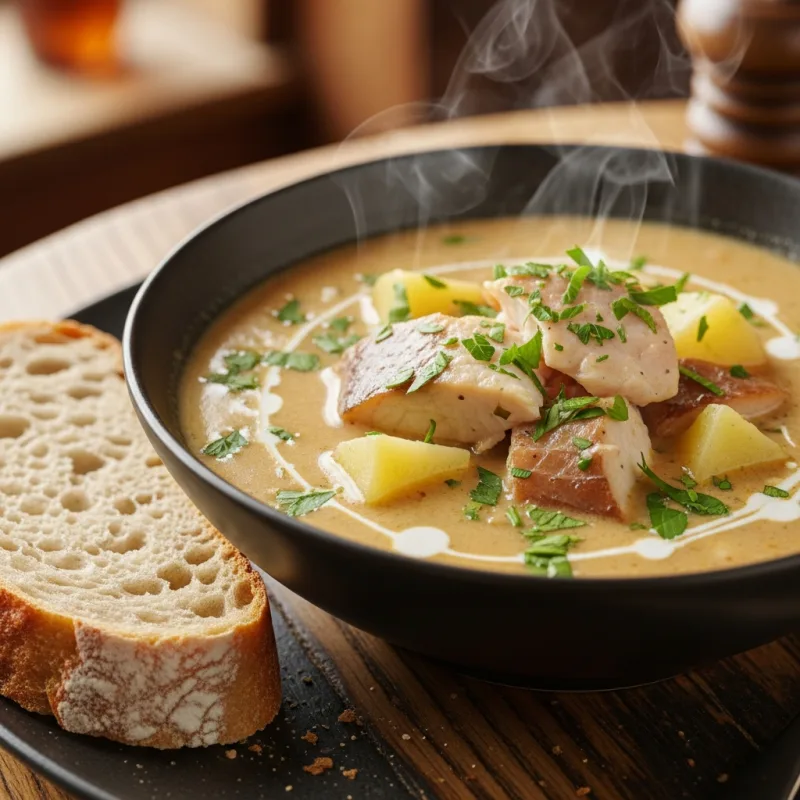
A steaming bowl of traditional Scottish Cullen Skink soup

Must Try Dish

Cullen Skink - A thick, creamy Scottish soup made of smoked haddock, potatoes, and onions. It is rich, comforting, and perfect for warming up after a windy Highland hike.
Food Experiences Title Icon

Food
Experiences

Discover cooking classes, tastings and local food tours

No food experience found
Maya, the human travel expert at TravelingWiz, offering curated, non-AI expertise

Maya’s Final Checklist for Scottish Highlands

Logistics shouldn’t be the focus of your trip—the experience should. I’ve hand-vetted these essential partners to ensure your arrival, stay, and exploration are as smooth as an Athenian breeze.

Where to Stay

From boutique hotels to local apartments—compare thousands of options and find the perfect stay in the best neighborhood.

Air Travel

Getting there should be seamless. Compare the best routes and prices across top airlines to start your journey on the right note.

Local Guides

Connect with experts who know the destination best. Get personalized advice and insider tips to help you plan your perfect trip.

Travel Protection

The “Engineer’s” rule: always have a backup. Secure your trip with a plan that covers every “what if” and unexpected change.

Car Rentals

Explore at your own pace with total freedom. Compare reliable rental options and find the right vehicle for your adventure.

Visa Services

Don’t let paperwork slow you down. Get expert assistance with your application to ensure all your entry documents are in order.

FAQs

The North Coast 500 (NC500) is a 516-mile scenic route around the north coast of Scotland, starting and ending at Inverness Castle, known for its spectacular coastal scenery.
Midges (tiny biting insects) are most active from late May to early September, particularly in damp, still conditions during early morning and evening.
While there are train and bus routes connecting major towns, renting a car is highly recommended for exploring remote glens, lochs, and coastal roads at your own pace.
Yes, the Aurora Borealis (Northern Lights) can occasionally be seen in the northernmost parts of the Highlands during the winter months when skies are clear and dark.
Scotland’s ‘Right to Roam’ allows wild camping on most unenclosed land, provided you follow the Scottish Outdoor Access Code: leave no trace, respect wildlife, and keep group sizes small.
The shoulder seasons of May and September offer the best overall experience. During May and June, you will enjoy longer daylight hours, blooming landscapes, and relatively dry weather while avoiding peak midges. September and October bring stunning autumn foliage and fewer crowds. Summer is warm but busier, while winter brings snowy mountain landscapes.
Yes, tap water across Scotland is of exceptionally high quality and completely safe to drink. Scotland has some of the cleanest tap water in the world, sourced directly from pristine lochs and reservoirs. You can bring a reusable water bottle and refill it freely at hotels, restaurants, and public refill stations throughout your journey.
You should use designated passing places along single-track roads to yield to oncoming traffic. If the passing place is on your left, pull into it; if it is on your right, wait opposite it. Always allow faster vehicles behind you to overtake safely, and remain alert for wandering sheep and red deer crossing rural routes.
You must prepare for rapidly changing weather by packing waterproof and windproof outerwear, sturdy waterproof hiking boots, and warm moisture-wicking layers like fleece or thermal base layers. Weather conditions in the glens and mountains can shift quickly within hours, so carrying reliable rain protection and warm layers year-round is essential for your safety and comfort.

Your Insights Matter

TravelingWiz grows through the stories of our community. If you’ve recently explored ,Scottish Highlands share your tips and stories to help us perfect our guides for the next traveler.

Related Articles

Check out our related articles and blog posts to learn even more about the destination.

No related articles found

Don’t Travel Alone

Share with your friends and family

Where should we send your offline card?

We hate spam just as much as you do

newsletter_consent *