Inverness-shire preserves the archetypal imagery of the Scottish Highlands: misty lochs flanked by rugged mountains, ancient Caledonian forests, and storied stone castles. Historically encompassing the town of Inverness and reaching deep toward the Hebridean coast, this region has served as the crossroads of Highland trade, warfare, and cultural identity for millennia.
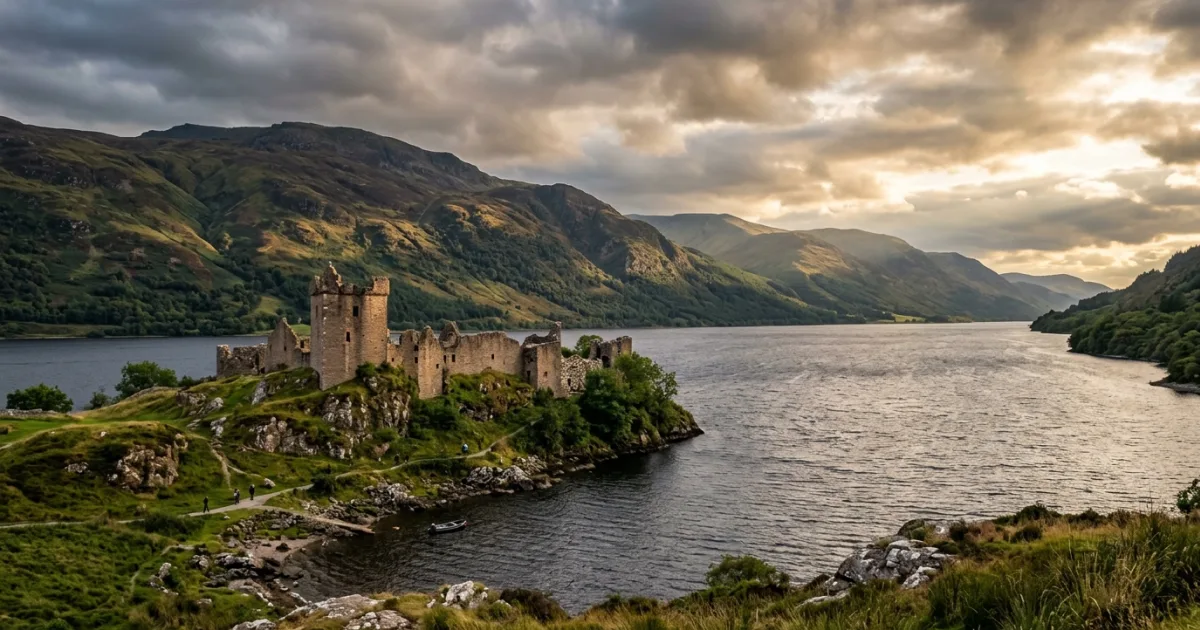
Today, the area offers world-class outdoor recreation, well-maintained driving routes, and a burgeoning culinary scene. From cruising the dark waters of Loch Ness beneath the ruined ramparts of Urquhart Castle to retracing clan history at Culloden Battlefield or navigating the serene wilderness of Glen Affric, Inverness-shire delivers an iconic Scottish Highland experience.
Reasons to Visit
- Stunning natural scenery spanning Loch Ness, the Great Glen, and pristine ancient pine reserves.
- Profound historical sites including Culloden Battlefield, Fort George, and medieval Urquhart Castle.
- Extensive outdoor adventures ranging from walking the Great Glen Way to mountain biking and sea kayaking.
- World-renowned Scotch whisky heritage with historic distilleries situated throughout the region.
- Charming Highland hospitality with traditional music sessions in atmospheric stone pubs.
Things to Avoid
- Do not ignore single-track road driving rules; always pull into the designated passing places on your left and never park inside them.
- Avoid visiting remote peat bogs and mountain paths without waterproof footwear and an offline navigation tool.
- Do not rely entirely on public transport if your itinerary focuses on remote glens, waterfalls, and isolated lochs.
- Avoid walking through dense heather and bracken in summer without checking for ticks afterward.
Local Transportation Tips
While Inverness city acts as a major rail hub connected to Edinburgh, Glasgow, and London via the Caledonian Sleeper, regional travel across Inverness-shire is best executed by automobile. Stagecoach operates bus lines connecting key towns like Inverness, Drumnadrochit, and Fort Augustus, but rural glens and secluded trailheads lack frequent public transit. Taxis are accessible within urban centers, while passenger ferries and chartered canal boats operate across Loch Ness and the Caledonian Canal.
Travel Etiquette
- Give a polite hand raise or nod to oncoming drivers when utilizing passing places on narrow single-track roads.
- Practice the Scottish Outdoor Access Code by closing gates, respecting livestock, and carrying all litter out of wilderness areas.
- Tipping in restaurants is customary around 10% to 12% for good table service, but not required at pub bars when ordering drinks.
- Keep voices respectful when touring solemn national historic sites such as Culloden Moor.
Recommended Age Group
Inverness-shire provides balanced, high-reward experiences for varied age demographics, particularly outdoor-focused families, active adults, and heritage-loving retirees.
- Babies (0-2 years): Neutral. Cobblestone town streets and gravel trails around castles are stroller-challenging, requiring comfortable carrier backpacks for outdoor sites.
- Kids (3-12 years): Recommended. Searching for the Loch Ness Monster, exploring medieval fortress towers, and wildlife spotting keep children engaged and active.
- Teens (13-19 years): Recommended. Excellent opportunities for mountain biking, kayaking, hiking, and exploring filming locations associated with Scottish folklore and cinema.
- Adults (20-64 years): Recommended. Exceptional hiking, whisky tasting tours, scenic road trips, and historic castles offer endless variety for solo travelers, couples, and friend groups.
- Seniors (65+ years): Recommended. Accessible castle visitor centers, scenic loch cruises, and comfortable country inns make relaxed exploration straightforward and enjoyable.
Accessibility Level: Medium
- Major heritage hubs such as the Culloden Battlefield Visitor Centre and Fort George provide level, step-free access and dedicated disabled parking bays.
- Historic castle ruins like Urquhart Castle offer paved ramps to primary viewing decks, though older spiral towers remain inaccessible to wheelchairs.
- Cruise vessels operating on Loch Ness commonly feature boarding ramps and enclosed, accessible lower deck salons.
- City sidewalks in Inverness are equipped with dropped kerbs, though rural hiking pathways are predominantly uneven gravel and natural turf.
Did You Know?
Loch Ness contains more freshwater than all the lakes, reservoirs, and tarns in England and Wales combined, reaching depths of over 750 feet (230 meters).
Cool Statistics
- 754 feet (230 meters): The maximum depth recorded in the waters of Loch Ness.
- 1746: The historic year of the Battle of Culloden, the final pitched battle fought on British soil.
- 60 miles (97 kilometers): The total span of the Caledonian Canal connecting the east and west Scottish coasts through the Great Glen.






Buy a compatible power adapter for your trip