Disclosure: This site contains affiliate links. We may earn a commission if you make a purchase, at no extra cost to you.

Scotland

Scotland

Basic Info

COUNTRY & Region

Scotland,
Europe

ACCESSIBILITY LEVEL​

  • High: Widely accessible with good facilities for disabilities.
  • Medium: Some accessible options, but limitations exist.
  • Low: Limited accessibility; many barriers for disabilities.
Medium

LOCAL CURRENCY​

Pound Sterling (GBP)

Price Level

Low – budget‑friendly basics

Medium – moderate mid‑range costs

High – pricey lodging, dining & transport

High

SAFETY LEVEL

5 shields = Excellent – very low crime or conflict.

4 shields = Safe – low risk, routine care.

3 shields = Relatively safe – use normal street smarts.

2 shields = Use caution – higher crime or periodic unrest.

1 shields = Avoid – active conflict or extreme danger.

Scores are derived from multi-year peace, homicide and security indices blended into a single 1-to-5 scale.

Recommended Duration

3-5 hours (Half a day), Full day, Overnight, 1-7 days

Scotland Overview & Key Highlights

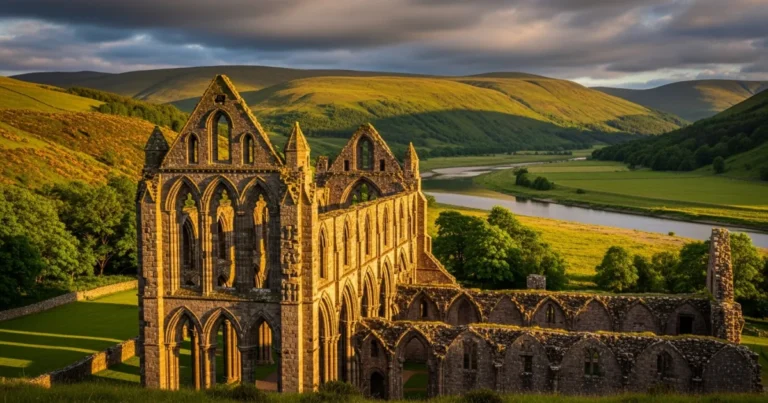
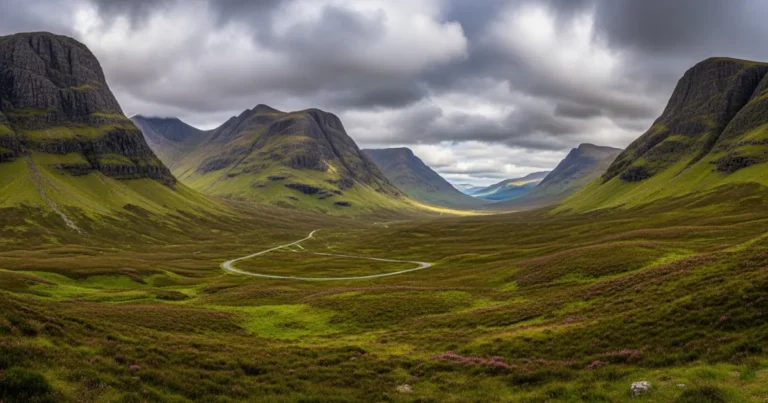
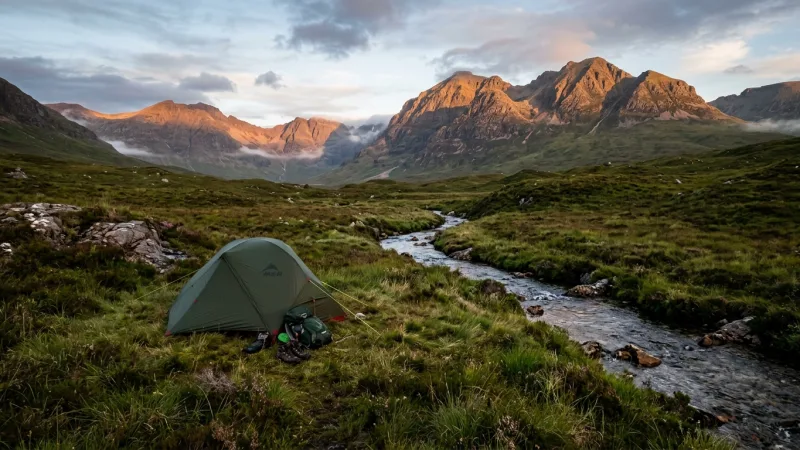
Scotland offers a rich mix of history, nature, and culture, with dramatic landscapes, ancient castles, and vibrant city life. From exploring the rolling Highlands to visiting UNESCO World Heritage Sites and experiencing local traditions, a trip to Scotland is both scenic and cultural.

Scotland Travel Guide: Logistics & In-Depth Tips

Scotland’s allure lies in its diverse experiences, from hiking in the Highlands to city explorations and historic sites.


Reasons to Visit:

  • Stunning landscapes, including lochs, mountains, and rugged coastlines
  • A mix of historic castles, battlefields, and ancient sites
  • Unique cultural festivals like the Edinburgh Fringe


Things to Avoid:

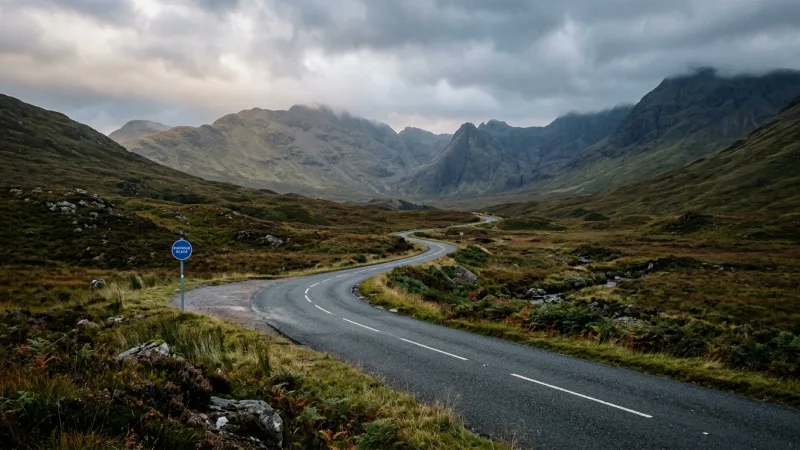
  • Driving in the Highlands without preparation – some roads are narrow and winding
  • Underestimating the variable weather – bring layers!


Accessibility Level: Medium

Scotland is committed to accessibility, especially in urban areas, though some historical sites may present challenges.

Address:

Scotland

Find Nearby Accommodations

Electricity

220-240V, 
50Hz

Plug Type

Type G (Three rectangular pins in a triangular pattern)
Plug types
Click To View Plug Types

Want a deeper experience in Scotland?

Explore private guides and find an experience that suits your interests.

Activities To Do In Scotland

Best Time To Visit Scotland

The best months to visit Scotland are May to September for milder weather and vibrant landscapes.

  • Spring (March to May): Mild weather and blooming landscapes make it a scenic time for outdoor activities.
  • Summer (June to August): Warmest time of year, ideal for festivals and exploring the Highlands, though also the busiest.
  • Autumn (September to October): Beautiful autumn foliage, fewer crowds, and a peaceful atmosphere, especially in natural areas.
  • Winter (November to February): Winter offers snow in the Highlands, ideal for skiing and enjoying Scotland’s cozy winter festivals.

Average Temperatures Per Month

Average monthly temperaturesMonthly source values, with Celsius and Fahrenheit equivalents in the following data table.-5°23°1°34°8°46°14°57°20°68°JanJan: 2°C / 36°FFebFeb: 2°C / 36°FMarMar: 3°C / 37°FAprApr: 5°C / 41°FMayMay: 8°C / 46°FJunJun: 11°C / 52°FJulJul: 12°C / 54°FAugAug: 12°C / 54°FSepSep: 10°C / 50°FOctOct: 7°C / 45°FNovNov: 4°C / 39°FDecDec: 2°C / 36°F
View temperature data
Average monthly temperatures
Month°C°F
Jan236
Feb236
Mar337
Apr541
May846
Jun1152
Jul1254
Aug1254
Sep1050
Oct745
Nov439
Dec236

Remember to check the weather forecast a few days before the trip and before heading to the airport.

Safety Level

5 shields = Excellent – very low crime or conflict.

4 shields = Safe – low risk, routine care.

3 shields = Relatively safe – use normal street smarts.

2 shields = Use caution – higher crime or periodic unrest.

1 shields = Avoid – active conflict or extreme danger.

Scores are derived from multi-year peace, homicide and security indices blended into a single 1-to-5 scale.

Scotland is a very safe destination for tourists, with overall low violent crime rates. Take standard precautions against petty theft and pickpocketing in crowded urban areas like Edinburgh and Glasgow, particularly around major sights and transport hubs. When traveling into the Highlands or coastal areas, prepare for rapidly changing weather conditions and exercise caution on narrow rural single-track roads.

The rating is based on multi-year peace, crime, and security indices. Before you go, always verify current conditions through official government travel advisories.

Emergency Numbers

Police: 112 (Universal) / 999
Ambulance: 112 (Universal) / 999

No internet needed • Includes local translations • Free for TravelingWiz readers

Spoken Languages

The official language is English, though Gaelic is spoken in some areas, particularly in the Highlands and Islands. English is widely understood throughout Scotland.
Travel Booking Partner - TravelingWiz

Learn The Language

  • Hello – Halò
  • Goodbye – Mar sin leat
  • Please – Mas e do thoil e
  • Thank you – Tapadh leat
  • Yes – Tha
  • No – Chan eil
  • Cheers – Slàinte

Trip Cost & Budgeting for Scotland, 2026

Everything you need to know about money while traveling
Is Scotland expensive for tourists in 2026? While costs are relatively high, careful planning makes it manageable. Expect to pay around £3.80 for a cappuccino, £5.20 for a pint of beer, and £22 for a mid-range restaurant meal. Based on our Human Verified prices, a mid-range travel basket averages £173 per day including hotel, dining, and transport. Use the data table below to calculate your specific daily budget based on your travel style.

LOCAL CURRENCY​:

Pound Sterling (GBP)

Price Level:

Low – budget‑friendly basics

Medium – moderate mid‑range costs

High – pricey lodging, dining & transport

High

Cards Vs. Cash

Cards and contactless payments are accepted almost everywhere in Scotland, so cash is rarely needed.

How Much Cash to Carry (on you)

Per person, per day – pocket cash for small purchases.

Local: 18
Pound Sterling (GBP)
≈ 24 USD

Average Daily Costs (per person)

Full daily spend estimation (accommodation, food, transportation, attractions).

Travel Style
Pound Sterling (GBP)
≈ USD ($)
Budget
95
129
Mid-range
175
237
Comfort
390
528
Note

The Prices, Daily costs, and calculator results are estimates for planning purposes only. Actual costs may vary based on season, booking timing, personal spending habits, and currency fluctuations. TravelingWiz cannot be held responsible for discrepancies between these estimates and your final trip expenses.

Best Value Tips

  • • Take advantage of free national museums and galleries across Scotland, including top attractions in Edinburgh and Glasgow.
  • • Purchase a ScotRail Spirit of Scotland pass or advance train tickets to save significantly on intercity travel.
  • • Eat lunch at traditional pubs or grab grocery meal deals to reduce overall dining expenses.
  • • Travel during shoulder seasons like May or September to secure lower hotel rates across the Highlands.

Travel Offers & Coupons

Browse travel offers and coupons from our affiliate partners.
Affiliate partner offers

What To Pack

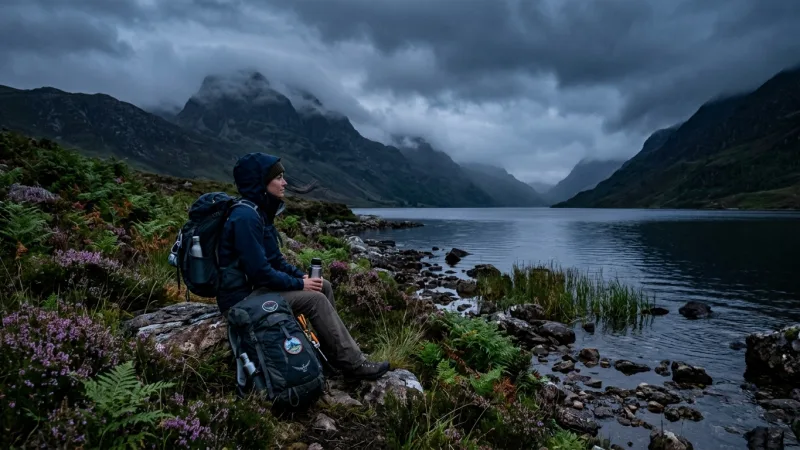
Pack layers to adapt to Scotland’s variable weather. Bring waterproof clothing, especially for the coastal and Highland areas. Comfortable walking shoes are essential for city strolls and nature trails. If visiting in winter, pack thermal layers and a sturdy coat.

Only the good stuff!
Browse recommended travel gear
Check out our free packing list tool

Recommended Itineraries for Traveling to Scotland

Take your itinerary with you

Choose a ready-made itinerary, plan your own trip, and keep TravelingWiz by your side while you travel.

Get the TravelingWiz app

Maya’s Final Checklist for Scotland

Logistics shouldn’t be the focus of your trip—the experience should. I’ve hand-vetted these essential partners to ensure your arrival, stay, and exploration are as smooth as an Athenian breeze.

Maya, the human travel expert at TravelingWiz, offering curated, non-AI expertise

Where to Stay

Compare accommodation options and choose a stay that suits your plans and budget.

Air Travel

Compare flight options and find a route that fits your plans.

Local Guides

Connect with local guides for personalized help planning and exploring.

Travel Protection

The “Engineer’s” rule: always have a backup. Secure your trip with a plan that covers every “what if” and unexpected change.

Car Rentals

Compare rental options and choose a car that suits your trip.

Visa Information

Don’t let paperwork slow you down. Get expert assistance with your application to ensure all your entry documents are in order.

FAQs

The best time is May to September for pleasant weather, although each season has its own charm.
While a traditional visa isn’t required for short visits from the US, Canada, and Europe, you must now apply for and obtain an approved UK Electronic Travel Authorisation (ETA) prior to boarding your flight or train.
Yes, Scotland’s public transportation, including trains and buses, connects major cities and is efficient for travelers.
Scotland uses the Pound Sterling (GBP), though credit cards are widely accepted.
Yes, Scotland has hundreds of castles open to the public, including popular sites like Edinburgh Castle and Stirling Castle.
Yes, you can safely drink tap water throughout Scotland. It is renowned for being among the cleanest and highest quality in the world, sourced directly from pristine natural springs and reservoirs. Bringing a reusable water bottle will help you stay hydrated during long hikes and city explorations without needing to purchase single-use plastic bottles.
You should pack versatile layers and reliable waterproof clothing, as Scotland’s weather can change quickly throughout the day. A windproof and waterproof jacket, sturdy walking shoes, and breathable warm layers are essential year-round. If visiting during late autumn or winter, be sure to include thermal undergarments, a warm hat, gloves, and a sturdy winter coat.
No, you do not need to speak Gaelic. English is universally spoken and understood throughout Scotland. While Scottish Gaelic is preserved and visible on bilingual road signs and in parts of the Highlands and Western Isles, all transport, hospitality, and public services operate in English. Learning a few polite Gaelic phrases can still be a fun cultural experience.
You should be prepared for narrow, winding single-track roads featuring designated passing places that require patience and courtesy. Always drive on the left, yield to oncoming uphill traffic, and fill your gas tank regularly, as fuel stations are sparse in rural regions. Be mindful of sudden weather shifts and grazing livestock wandering onto remote roads.

Your Insights Matter

TravelingWiz grows through the stories of our community. If you’ve recently explored ,Scotland share your tips and stories to help us perfect our guides for the next traveler.

Where should we send your offline card?

We hate spam just as much as you do

newsletter_consent *