Disclosure: This site contains affiliate links. We may earn a commission if you make a purchase, at no extra cost to you.
Scottish Lowlands

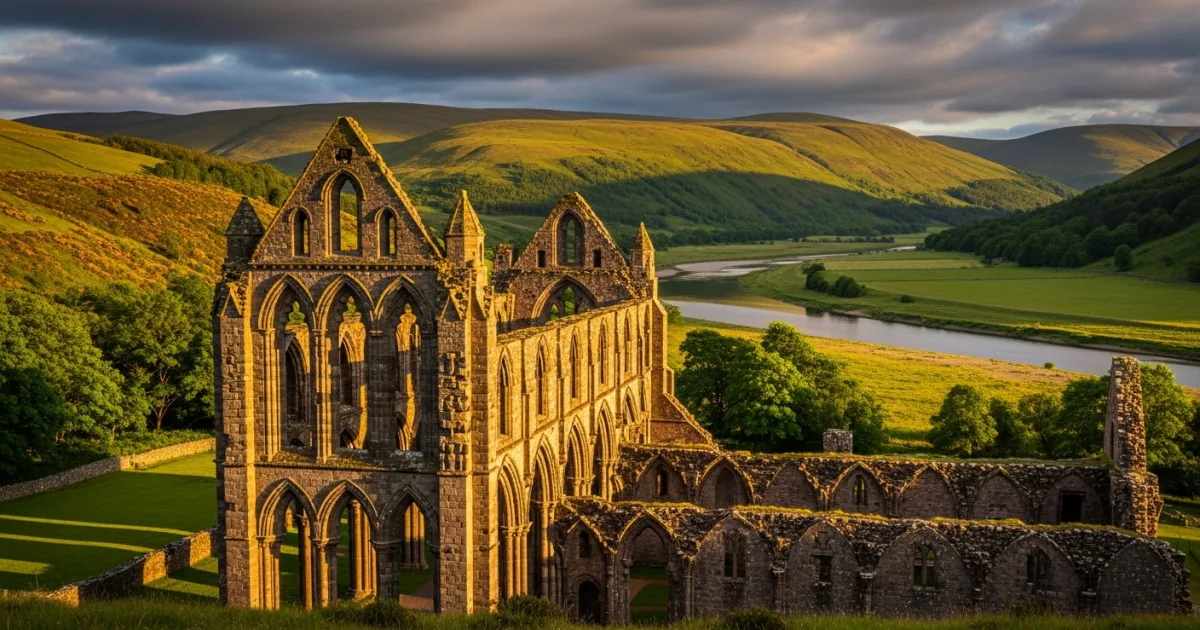
Scenic view of a ruined medieval abbey in the rolling green hills of the Scottish Lowlands

Basic Info

COUNTRY & Region

Scotland,
Europe

ACCESSIBILITY LEVEL​

  • High: Widely accessible with good facilities for disabilities.
  • Medium: Some accessible options, but limitations exist.
  • Low: Limited accessibility; many barriers for disabilities.
Medium

LOCAL CURRENCY​

Pound Sterling (GBP)

Price Level

Low – budget‑friendly basics

Medium – moderate mid‑range costs

High – pricey lodging, dining & transport

High

SAFETY LEVEL

5 shields = Excellent – very low crime or conflict.

4 shields = Safe – low risk, routine care.

3 shields = Relatively safe – use normal street smarts.

2 shields = Use caution – higher crime or periodic unrest.

1 shields = Avoid – active conflict or extreme danger.

Scores are derived from multi-year peace, homicide and security indices blended into a single 1-to-5 scale.

Recommended Duration

1-7 days, More than a week

Scottish Lowlands Overview & Key Highlights

The Scottish Lowlands encompass the southern and central parts of Scotland, offering a gentler landscape compared to the rugged Highlands. This region is rich in agricultural heritage, rolling hills, and historic border abbeys that tell the story of Scotland's turbulent past. Visitors can explore the picturesque Scottish Borders, the coastal beauty of Dumfries and Galloway, and the lush valleys of the Lothians, all of which are steeped in centuries of history and folklore. Beyond its scenic countryside, the Lowlands are celebrated for their literary connections, including the historic homes of Robert Burns and Sir Walter Scott. The area is also a haven for food and drink enthusiasts, boasting numerous lowland whisky distilleries, farm-to-table dining experiences, and traditional textile mills. It provides an accessible and deeply cultural Scottish experience without the extreme weather or challenging terrain found further north, making it ideal for leisurely road trips and historical exploration.

Scottish Lowlands Travel Guide: Logistics & In-Depth Tips

The Scottish Lowlands stretch from the English border up to the central belt of Scotland, encompassing regions like the Scottish Borders, Dumfries and Galloway, Ayrshire, and the Lothians. This area has historically been the battleground between Scotland and England, leaving behind a legacy of magnificent ruined abbeys such as Melrose, Jedburgh, and Dryburgh. The landscape is a patchwork of lush green valleys, dense forests, and dramatic coastlines, offering a peaceful retreat for nature lovers and history enthusiasts alike.

Culturally, the Lowlands are the birthplace of some of Scotland's most famous figures. Visitors can explore the Robert Burns Birthplace Museum in Ayrshire or Sir Walter Scott's grand home, Abbotsford, in the Borders. The region is also famous for its textile industry, particularly tweed and cashmere, and its unique, triple-distilled Lowland single malt whiskies. With its accessible terrain, the area is a premier destination for cycling, walking, and experiencing authentic Scottish hospitality.

Reasons to Visit

  • Explore the magnificent ruins of the four great Border Abbeys.
  • Drive the South West Coastal 300, a stunning scenic route through Dumfries and Galloway.
  • Visit the historic homes of literary giants Robert Burns and Sir Walter Scott.
  • Taste the light, floral single malts at traditional Lowland whisky distilleries.
  • Experience world-class mountain biking at the 7stanes trail centers.

Things to Avoid

  • Treating the region merely as a drive-through on the way to Edinburgh or the Highlands; it deserves dedicated time.
  • Underestimating driving times on single-track rural roads.
  • Forgetting to pack rain gear, as the weather can be highly unpredictable.
  • Trespassing on private farmland; always follow the Scottish Outdoor Access Code.

Local Transportation Tips

The Borders Railway connects Edinburgh to Tweedbank, making the central Borders easily accessible by train. For broader exploration, local bus services like Stagecoach operate between towns. However, to truly experience the hidden gems, coastal routes, and remote historic sites of the Lowlands, renting a car is the most practical and flexible option.

Travel Etiquette

  • Respect the Scottish Outdoor Access Code by leaving no trace and keeping dogs on leads near livestock.
  • Tipping around 10-12% is customary in restaurants if a service charge isn't already included.
  • When driving on single-track roads, use passing places to let oncoming traffic pass and to allow faster vehicles behind you to overtake.
  • Engage politely with locals; the Lowlands are known for their friendly and welcoming communities.

Recommended Age Group

The Scottish Lowlands offer a relaxed and accessible environment suitable for a wide range of travelers.

  • Babies (0-2 years): Neutral. While peaceful, navigating historic ruins with a stroller can be challenging.
  • Kids (3-12 years): Recommended. Plenty of open spaces, castles to explore, and family-friendly farm parks.
  • Teens (13-19 years): Recommended. Great opportunities for outdoor adventures like mountain biking and hiking.
  • Adults (20-64 years): Recommended. Ideal for road trips, whisky tasting, and historical exploration.
  • Seniors (65+ years): Recommended. The gentler terrain, accessible historic sites, and scenic drives make it perfect for slow travel.

Accessibility Level: Medium

  • Many major attractions, such as Abbotsford and the Robert Burns Birthplace Museum, offer excellent wheelchair accessibility.
  • Historic ruins like the Border Abbeys have uneven ground and grassy areas, which may be difficult for some mobility aids.
  • Public transport buses generally have low-floor access, and the Borders Railway is fully accessible.
  • Accessible public restrooms are available in most main towns and visitor centers.

Did You Know?

The Scottish Lowlands are home to the oldest continuously inhabited village in Scotland, Traquair, which dates back over 900 years. Additionally, the region's textile industry gave the world 'Tweed' cloth, originally woven by locals to combat the damp, chilly climate.

Cool Statistics

  • The Borders Railway is the longest new domestic railway built in Britain in over 100 years.
  • Dumfries and Galloway features over 200 miles of rugged coastline.
  • The region is home to Galloway Forest Park, the UK's first designated Dark Sky Park.
  • There are currently over 15 active whisky distilleries in the Lowland region.

Address:

Scottish Lowlands, Scotland

Find Nearby Accommodations

Electricity

220-240V, 
50Hz

Plug Type

Type G (Three rectangular pins in a triangular pattern)
Plug types
Click To View Plug Types
Scottish Lowlands is part of our
Accessible Travel collection

Want a deeper experience in Scottish Lowlands?

Explore private guides and find an experience that suits your interests.

Activities To Do In Scottish Lowlands

Best Time To Visit Scottish Lowlands

The best time to visit the Scottish Lowlands is from May to September, when the weather is mildest and the days are longest.

  • Spring (May): Blooming landscapes and fewer crowds.
  • Summer (June - August): Warmest temperatures, ideal for outdoor activities and festivals, though it is peak tourist season.
  • Autumn (September - October): Beautiful fall foliage and a quieter atmosphere, perfect for scenic drives.

Average Temperatures Per Month

Average monthly temperaturesMonthly source values, with Celsius and Fahrenheit equivalents in the following data table.-5°23°4°39°13°55°21°70°30°86°JanJan: 0°C / 32°FFebFeb: 2°C / 36°FMarMar: 6°C / 43°FAprApr: 11°C / 52°FMayMay: 16°C / 61°FJunJun: 21°C / 70°FJulJul: 25°C / 77°FAugAug: 23°C / 73°FSepSep: 19°C / 66°FOctOct: 13°C / 55°FNovNov: 6°C / 43°FDecDec: 3°C / 37°F
View temperature data
Average monthly temperatures
Month°C°F
Jan032
Feb236
Mar643
Apr1152
May1661
Jun2170
Jul2577
Aug2373
Sep1966
Oct1355
Nov643
Dec337

Remember to check the weather forecast a few days before the trip and before heading to the airport.

Safety Level

5 shields = Excellent – very low crime or conflict.

4 shields = Safe – low risk, routine care.

3 shields = Relatively safe – use normal street smarts.

2 shields = Use caution – higher crime or periodic unrest.

1 shields = Avoid – active conflict or extreme danger.

Scores are derived from multi-year peace, homicide and security indices blended into a single 1-to-5 scale.

The Scottish Lowlands are generally very safe for travelers, requiring only standard travel precautions. When exploring cities like Edinburgh or Glasgow, stay mindful of personal belongings in crowded areas and transport hubs to prevent petty theft. If you plan to drive through rural routes or hills, prepare for rapid weather changes and take care on narrow country roads.

The rating is based on multi-year peace, crime, and security indices. Before you go, always verify current conditions through official government travel advisories.

Emergency Numbers

Police: 112 (Universal) / 999
Ambulance: 112 (Universal) / 999

No internet needed • Includes local translations • Free for TravelingWiz readers

Spoken Languages

English is the primary language, often spoken with a distinct regional Scots dialect.
Travel Booking Partner - TravelingWiz

Learn The Language

  • Aye (Yes)
  • Dram (A small measure of whisky)
  • Braw (Good or beautiful)
  • Ken (To know)
  • Loch (Lake)
  • Glen (Valley)
  • Slàinte mhath (Cheers / Good health)
  • Wee (Small)

Trip Cost & Budgeting for Scottish Lowlands, 2026

Everything you need to know about money while traveling
Is Scottish Lowlands expensive for tourists in 2026? Yes, while slightly more affordable than Edinburgh or the Highlands, traveling here is relatively high cost. Based on Human Verified prices, expect to pay around £3.70 for a cappuccino, £5.20 for a pint of local beer, and £20 for a main meal in a mid-range pub or restaurant. Accommodation and regional transit also add up quickly. Use the data table below to calculate your specific daily budget based on your travel style.

LOCAL CURRENCY​:

Pound Sterling (GBP)

Price Level:

Low – budget‑friendly basics

Medium – moderate mid‑range costs

High – pricey lodging, dining & transport

High

Cards Vs. Cash

Credit cards and contactless payments are accepted almost everywhere across the Scottish Lowlands, making cash rarely required.

How Much Cash to Carry (on you)

Per person, per day – pocket cash for small purchases.

Local: 17
Pound Sterling (GBP)
≈ 23 USD

Average Daily Costs (per person)

Full daily spend estimation (accommodation, food, transportation, attractions).

Travel Style
Pound Sterling (GBP)
≈ USD ($)
Budget
90
122
Mid-range
165
223
Comfort
360
487
Note

The Prices, Daily costs, and calculator results are estimates for planning purposes only. Actual costs may vary based on season, booking timing, personal spending habits, and currency fluctuations. TravelingWiz cannot be held responsible for discrepancies between these estimates and your final trip expenses.

Best Value Tips

  • • Book ScotRail train tickets in advance or use Off-Peak fares to save on travel between lowland cities and towns.
  • • Take advantage of free entry to top cultural attractions, including national museums and art galleries.
  • • Choose B&Bs or guesthouses that include a full Scottish breakfast to cover your morning meal for free.
  • • Purchase a Historic Scotland Explorer Pass if planning to visit multiple castles and historic monuments.

Tours & Tickets

Explore tours, attractions, and ticket options to plan your visit.
Plan ahead

Travel Offers & Coupons

Browse travel offers and coupons from our affiliate partners.
Affiliate partner offers

What To Pack

  • Waterproof jacket and windbreaker for unpredictable Scottish weather.
  • Comfortable, sturdy walking shoes for exploring ruins and countryside trails.
  • Layered clothing, including warm sweaters, even in summer months.
  • A UK Type G power adapter for electronic devices.
  • Midge repellent if visiting wooded or damp areas during the summer.
Only the good stuff!
Browse recommended travel gear
Check out our free packing list tool

Recommended Itineraries for Traveling to Scottish Lowlands

Take your itinerary with you

Choose a ready-made itinerary, plan your own trip, and keep TravelingWiz by your side while you travel.

Get the TravelingWiz app

Food & Drink Highlights

Local Food Overview

The culinary scene in the Lowlands is deeply rooted in agriculture and coastal fishing. Expect high-quality beef, fresh seafood from the Solway Firth, and traditional dishes that highlight local produce.

Must Try Dish

Tweed Kettle - A traditional dish from the Scottish Borders featuring fresh salmon poached in a flavorful broth with herbs and potatoes. It offers a delicate, comforting taste that perfectly represents the region's rich river fishing heritage.
A bowl of traditional Scottish Tweed Kettle salmon stew

Maya’s Final Checklist for Scottish Lowlands

Logistics shouldn’t be the focus of your trip—the experience should. I’ve hand-vetted these essential partners to ensure your arrival, stay, and exploration are as smooth as an Athenian breeze.

Maya, the human travel expert at TravelingWiz, offering curated, non-AI expertise

Where to Stay

Compare accommodation options and choose a stay that suits your plans and budget.

Air Travel

Compare flight options and find a route that fits your plans.

Local Guides

Connect with local guides for personalized help planning and exploring.

Travel Protection

The “Engineer’s” rule: always have a backup. Secure your trip with a plan that covers every “what if” and unexpected change.

Car Rentals

Compare rental options and choose a car that suits your trip.

Visa Information

Don’t let paperwork slow you down. Get expert assistance with your application to ensure all your entry documents are in order.

FAQs

The Lowlands are characterized by rolling hills, fertile farmland, and historic border towns, whereas the Highlands are known for rugged mountains, deep lochs, and a more remote, dramatic landscape.
Yes, the Lowlands produce a distinct style of single malt whisky known for being lighter, floral, and generally unpeated compared to Highland or Islay malts.
While there are train and bus connections between major towns, renting a car is highly recommended for exploring rural areas, historic ruins, and coastal routes at your own pace.
The best time to visit is from May to September, when you will experience the mildest weather and longest daylight hours. Spring brings blooming countryside landscapes with fewer crowds, while summer offers the warmest conditions for outdoor activities and road trips. If you prefer quieter scenic drives and vibrant autumn foliage, September and October are also wonderful months to travel.
Yes, tap water across the Scottish Lowlands and the rest of Scotland is of exceptionally high quality and completely safe to drink. You do not need to buy bottled water, so bringing a reusable water bottle to refill during your day trips, museum visits, and countryside hikes will keep you well-hydrated throughout your journey.
You should make time to explore the four magnificent ruined Border Abbeys, including Melrose and Jedburgh, as well as Sir Walter Scott’s historic home at Abbotsford. Other major highlights include driving the South West Coastal 300 scenic route, touring the Robert Burns Birthplace Museum in Ayrshire, and stargazing in the Galloway Forest Park.
No, you generally do not need much cash because credit and debit cards are accepted almost everywhere, including at hotels, restaurants, and visitor attractions. However, holding a small amount of pocket money can be helpful for rural honesty boxes or remote parking meters. For detailed daily cost estimates, please refer to the Budget section on this page.

Your Insights Matter

TravelingWiz grows through the stories of our community. If you’ve recently explored ,Scottish Lowlands share your tips and stories to help us perfect our guides for the next traveler.

Where should we send your offline card?

We hate spam just as much as you do

newsletter_consent *