The Scottish Borders represents one of the most storied cultural landscapes in the British Isles. For centuries, this borderland between Scotland and England was contested territory, giving rise to the notorious Border Reivers—clans of horsemen whose cross-border raids forged fortified tower houses and defensive peel towers that still punctuate the countryside today. The ecclesiastical history is equally compelling; King David I established wealthy monastic houses here during the 12th century, which became magnificent centers of architectural beauty before suffering repeated assaults during the Wars of Scottish Independence.
Beyond its dramatic history, the region is defined by rolling green hills, broad rivers, and established creative communities. Market towns such as Peebles, Melrose, and Kelso boast independent bookshops, artisan butcheries, and tweed mills. Outdoor enthusiasts flock to the 7stanes trail network at Glentress and Innerleithen for world-class mountain biking, while distance walkers tackle sections of the Southern Upland Way and the Borders Abbeys Way. With its quiet countryside lanes, literary connections, and pastoral serenity, the Scottish Borders offers an idyllic retreat from modern urban pace.
Reasons to Visit
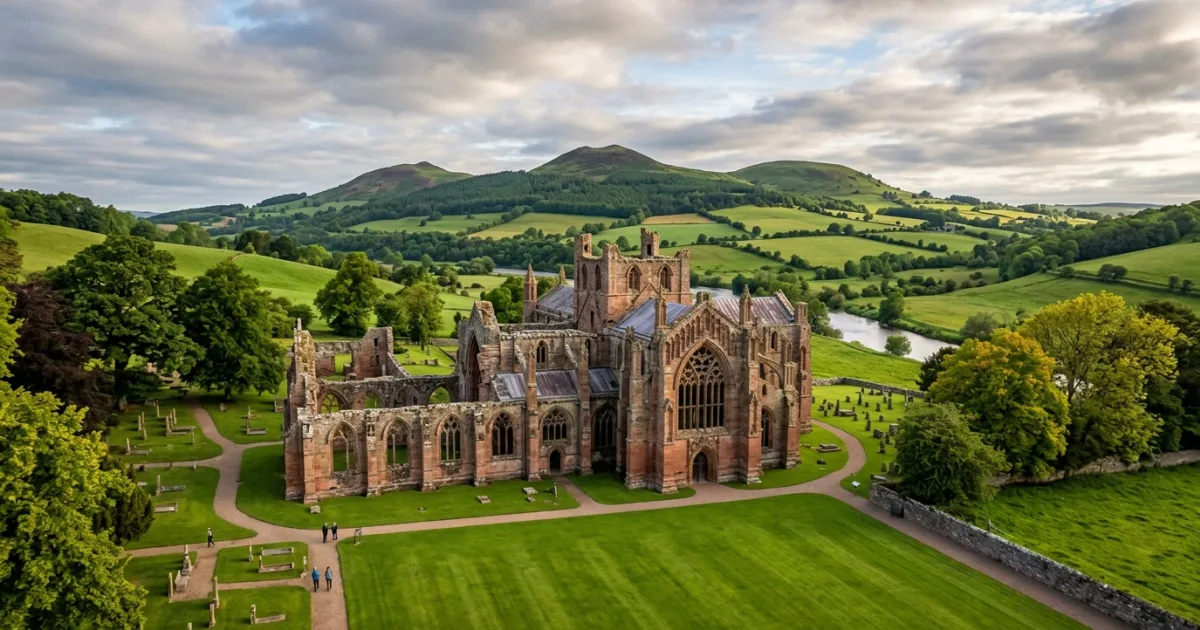
- Explore the haunting ruins of the four medieval Border Abbeys, including the burial place of Robert the Bruce's heart at Melrose Abbey.
- Tour Abbotsford House, the whimsical Gothic revival estate designed and lived in by famed writer Sir Walter Scott.
- Ride world-ranked singletrack downhill trails at the Glentress Forest 7stanes mountain biking center.
- Witness the vibrant spectacles of town Common Ridings, held across local communities every June and July.
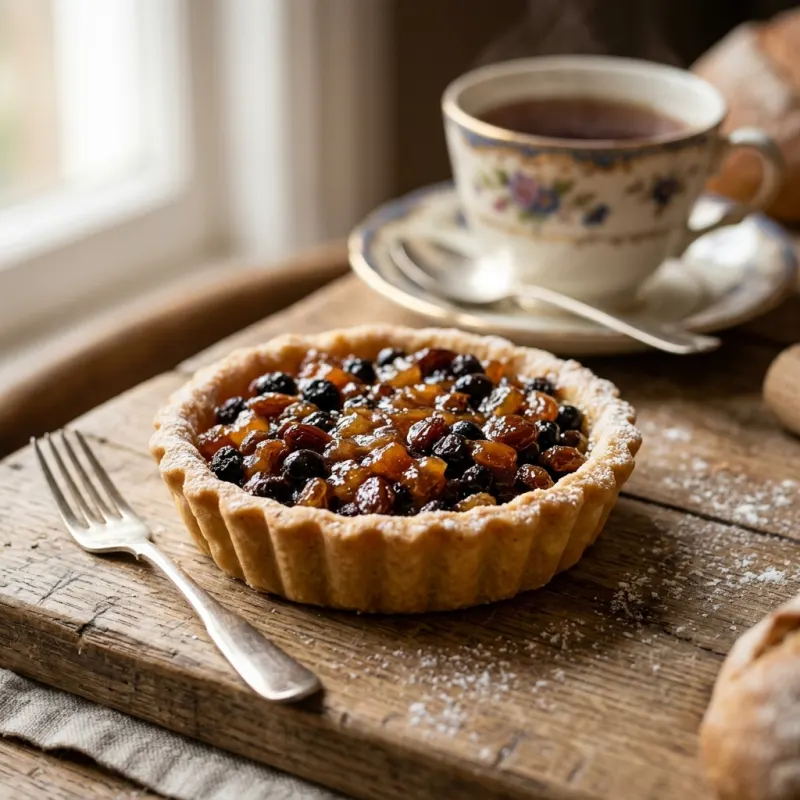
- Sample authentic local culinary staples such as genuine Selkirk Bannock and fresh River Tweed salmon.
Things to Avoid
- Avoid driving quickly down narrow rural roads, as oncoming farm vehicles, sheep, and cyclists frequently appear around blind corners.
- Avoid planning trips without checking seasonal opening hours, as smaller castles and heritage sites often close between November and March.
- Do not trespass on private farm estates or leave trail gates open; always follow the Scottish Outdoor Access Code.
- Avoid relying solely on mobile data networks, as cellular signals can drop in remote river valleys and Southern Upland passes.
Local Transportation Tips
Public transportation in the Scottish Borders is anchored by the Borders Railway, which runs frequent ScotRail passenger trains connecting Edinburgh Waverley with Galashiels and Tweedbank. Regional bus operators, primarily Borders Buses, connect major settlements like Kelso, Hawick, Peebles, and Jedburgh. However, service frequencies in rural valleys are limited, especially on Sundays. Renting a car at Edinburgh Airport or in Galashiels provides the optimal balance of autonomy and flexibility to explore secluded abbey ruins, upland estates, and coastal paths at your own pace.
Travel Etiquette
- Adhere strictly to the Scottish Outdoor Access Code by keeping dogs on leads near farm livestock and closing every gate behind you.
- Greet fellow walkers along countryside trails with a polite nod or a friendly 'Good morning'.
- Queue patiently in local village post offices, bakeries, and bus stops.
- Tipping in restaurants is customary around 10% to 12% for good service, though not legally mandatory.
Recommended Age Group
The Scottish Borders is an extraordinarily versatile rural destination catering wonderfully to curious travelers of nearly all ages.
- Babies (0-2 years): Neutral. While towns and country hotels are family-friendly, historic ruined abbeys and rolling trails often feature gravel paths, steps, and uneven lawns challenging for standard strollers.
- Kids (3-12 years): Recommended. Expansive castle grounds, woodland nature trails, and hands-on outdoor adventure parks provide memorable, active spaces for young children.
- Teens (13-19 years): Recommended. Thrill-seekers will enjoy premier mountain biking at Glentress, gravel cycling, and river paddleboarding in the Tweed Valley.
- Adults (20-64 years): Recommended. Outstanding combination of historic manor homes, boutique whisky and gin distilleries, walking paths, and peaceful luxury country estates.
- Seniors (65+ years): Recommended. Gentle riverside strolls, scenic driving circuits, accessible abbey visitor centers, and quiet tearooms make it exceptionally welcoming for mature travelers.
Accessibility Level: Medium
- Major heritage sites like Abbotsford House and the Melrose Abbey Visitor Centre feature level tarmac paths, wheelchair ramps, and accessible restroom facilities.
- Historic ruined sites include protected grassy lawns, uneven flagstones, and narrow medieval turnpike stairs that limit access to upper towers.
- Borders Railway stations at Galashiels and Tweedbank feature step-free platform access and designated wheelchair spaces.
- Tweed Valley forest centers offer designated accessible parking, gentle all-ability loop trails, and wheelchair-accessible cafe amenities.
Did You Know?
Melrose Abbey is historically recorded as the resting place for the embalmed heart of King Robert the Bruce, which was returned to Scotland after an unsuccessful medieval crusade to the Holy Land.
Cool Statistics
- 4 major 12th-century ruined abbeys lie within a 20-mile radius across the region.
- Over 55 miles of world-renowned mountain bike trails are maintained within Glentress Forest.
- The River Tweed runs for 97 miles and ranks as one of the premier Atlantic salmon rivers in Europe.






Buy a compatible power adapter for your trip