Ross and Cromarty is one of Scotland's most dramatic historic counties, slicing clean through the northern Highlands from the Beauly Firth in the east to the Minch in the west. The area encompasses an astounding range of geography: fertile farmlands and sandspits along the Black Isle, dense Caledonian woodlands, and the colossal, pre-Cambrian Torridonian sandstone peaks that rise like ancient castles out of glacial valleys. For generations, this region was defined by clan rivalries, Norse seafaring routes, and Highland clearances, leaving behind evocative castles, ruined settlements, and an enduring Gaelic cultural thread.
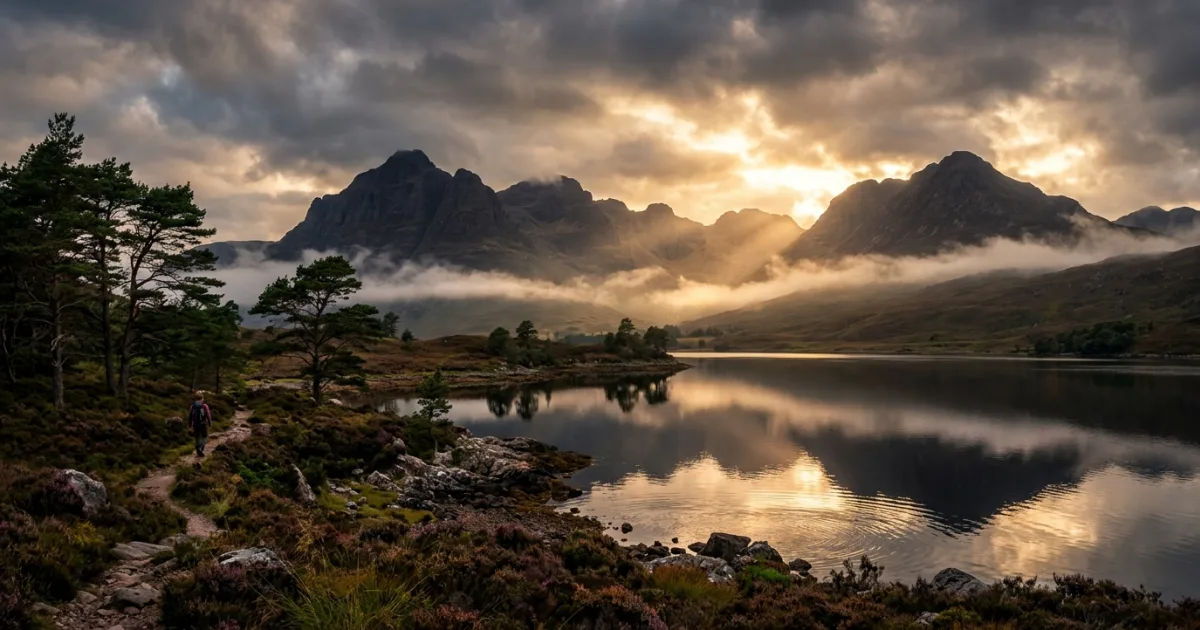
Today, Ross and Cromarty is celebrated as an outdoor paradise. The western portion contains some of the United Kingdom's most challenging and majestic mountain ridges, including Liathach, Beinn Eighe, and Slioch, encircling the pristine waters of Loch Maree. On the eastern shore, 18th-century stone architecture characterizes towns like Cromarty, where conservation areas showcase intact Georgian merchant houses. The integration of modern sustainable tourism with rural crofting communities provides travelers with a balanced journey through wild landscapes, artisanal smokehouses, wildlife safaris, and secluded sea-view retreats.
Reasons to Visit
- Dramatic Alpine Landscapes: Hike through the ancient Torridon mountains and explore Britain's oldest National Nature Reserve at Beinn Eighe.
- World-Class Coastal Road Trips: Traverse thrilling coastal roads including the legendary Bealach na Bà mountain pass to the Applecross Peninsula.
- Abundant Marine Wildlife: Spot bottlenose dolphins in the Moray Firth, minke whales off Gairloch, and seals basking on coastal skerries.
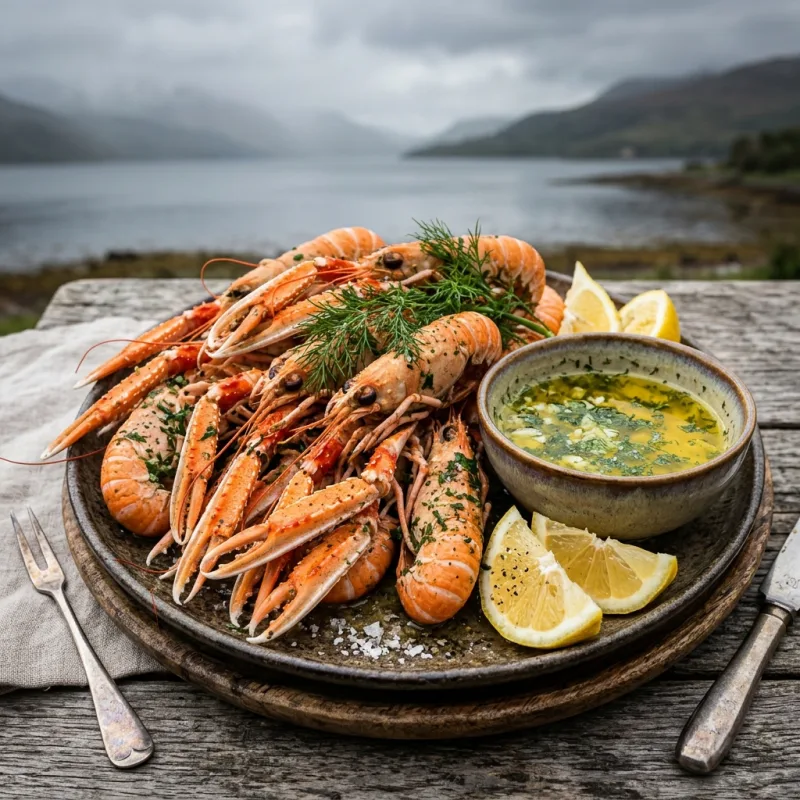
- Vibrant Fishing Villages: Experience maritime culture, fresh seafood sheds, and traditional live folk music in coastal hubs like Ullapool and Plockton.
- Rich Pictish & Clan Heritage: Follow the Pictish Trail across Easter Ross to discover intricately carved standing stones and ancient hillforts.
Things to Avoid
- Do not tailgate on single-track roads: Allow vehicles behind you to overtake by indicating and pulling into a passing place on the left.
- Do not ignore hillwalking preparations: Never head into the Torridon or Fannich peaks without foul-weather gear, map, compass, and emergency rations.
- Avoid driving without fuel awareness: Fuel stations are sparse on the west coast and frequently close early in the evening or on Sundays.
- Do not camp on fragile machair or farmland: Always adhere to the Scottish Outdoor Access Code and leave livestock pastures undisturbed.
Local Transportation Tips
Personal vehicle transport offers the highest degree of autonomy in Ross and Cromarty. The A835 links Inverness to Ullapool, serving as the primary trunk route to the northwest. The Kyle Line railway departs Inverness and cuts across the southern portion of the region through Dingwall, Strathcarron, and Plockton to Kyle of Lochalsh, offering one of the world's most scenic rail journeys. Regional bus services run by Stagecoach Highlands and local community minibuses connect major settlements, but schedules are infrequent in remote glens. Ferry crossings operated by Caledonian MacBrayne run regularly from Ullapool to Stornoway on the Isle of Lewis.
Travel Etiquette
- Respect Passing Places: Use passing places only for allowing approaching or overtaking vehicles to pass; never park in them for photos.
- Wave in Acknowledgment: A small wave or hand raise is customary etiquette when another driver waits for you at a road passing place.
- Leave Gates as Found: If a gate across a hill track is closed, close it securely behind you; if it is open, leave it open.
- Keep Dogs on Leash: During spring lambing season (April to June) and ground-nesting bird periods, dogs must be kept on a lead around crofts and hills.
Recommended Age Group
Ross and Cromarty provides rich rewards across different age profiles, with terrain and activities strongly favoring outdoors-oriented travelers.
- Babies (0-2 years): Neutral. Long road transit on winding mountain roads, changeable wet weather, and lack of pushchair-accessible tracks in wild reserves can make logistics challenging.
- Kids (3-12 years): Recommended. Excellent for outdoor-loving children interested in wildlife boat cruises, rock pooling on Atlantic beaches, castle ruins, and seal-spotting safaris.
- Teens (13-19 years): Recommended. Fantastic for active teenagers keen on sea kayaking, mountain biking, hill bagging, wild camping, and exploring rugged coastal landscapes.
- Adults (20-64 years): Recommended. Ideal demographic for road trips, remote hiking, distillery exploration, photography, and high-end culinary experiences in secluded retreats.
- Seniors (65+ years): Recommended. Highly rewarding for scenic motoring tours, coastal heritage strolls, dolphin cruises, and visiting historic gardens such as Inverewe Garden.
Accessibility Level: Medium
- Town centers like Dingwall and Cromarty have generally level pedestrian streets, though historic stone cobbles and narrow pavements exist in older quarters.
- Inverewe Garden in Poolewe offers dedicated wheelchair-accessible gravel routes through exotic plant collections, complete with loaner mobility scooters.
- Accessible toilet facilities are located in major hub public conveniences (Ullapool, Dingwall, Strathpeffer) accessible via standard UK RADAR keys.
- Most mountain tracks, lochside trails, and coastal paths consist of uneven, rocky, and boggy terrain unsuited for standard wheelchairs.
Did You Know?
Loch Maree, located in Wester Ross, contains over 60 islands, some of which hold the only completely undisturbed remnants of ancient Caledonian pinewood forest in Britain. On the tiny isle of Eilean Subhainn, there is even a freshwater loch with its own miniature island—making it an island inside a lake on an island inside an island.
Cool Statistics
- 3,000+ Million Years: The age of Lewisian Gneiss rocks found in Wester Ross, among the oldest exposed rocks on planet Earth.
- 2,053 Feet (626 m): The summit elevation of the Bealach na Bà, featuring the steepest road ascent of any paved route in the UK.
- Over 30 Munros: Independent peaks exceeding 3,000 feet located across the historic county boundaries.






Buy a compatible power adapter for your trip