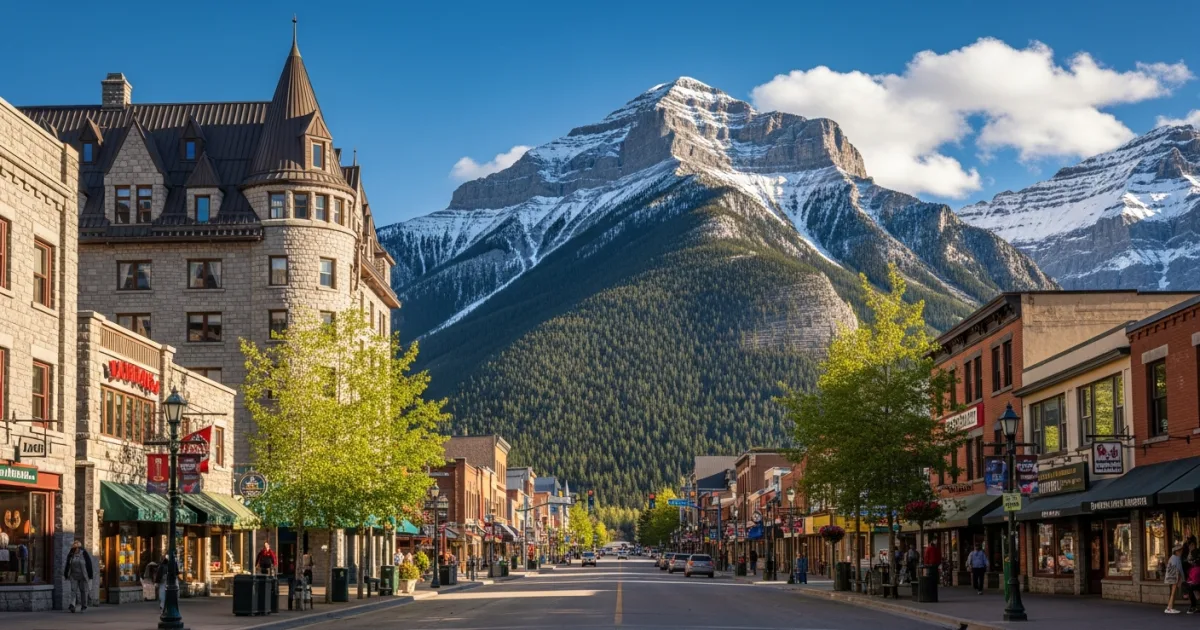
Downtown Banff is a masterclass in balancing rugged wilderness with refined luxury. Situated at an elevation of 1,383 meters (4,537 feet), it is the highest town in Canada. The main thoroughfare, Banff Avenue, is meticulously designed to frame the imposing Cascade Mountain, creating one of the most photographed streetscapes in the world. Here, heritage buildings constructed from local Rundle rock house contemporary art galleries, indigenous craft stores, and high-end boutiques.
Beyond shopping and dining, the downtown area is a hub of activity and history. The Whyte Museum of the Canadian Rockies offers deep dives into the region's mountaineering past, while the nearby Bow River provides a tranquil escape just one block away from the bustling center. Whether you are gearing up for a multi-day backcountry trek or winding down with a craft beer after a day on the slopes, Downtown Banff delivers an unparalleled alpine atmosphere.
Reasons to Visit
- Unbeatable access to world-class hiking, skiing, and outdoor adventures right from your hotel doorstep.
- A vibrant culinary scene featuring local Alberta beef, wild game, and international cuisine.
- Stunning, highly photogenic streetscapes with Cascade Mountain looming in the background.
- Excellent boutique shopping, ranging from technical outdoor gear to luxury fashion and local art.
- A lively nightlife and après-ski culture with numerous pubs, breweries, and lounges.
Things to Avoid
- Avoid driving downtown during peak summer months; traffic congestion is heavy and parking is scarce.
- Never approach or feed the wildlife, no matter how tame they may appear.
- Avoid hiking on nearby trails without bear spray, even on popular routes close to town.
- Do not forget to purchase your National Park Pass; fines are issued for vehicles without one.
Local Transportation Tips
The best way to navigate Downtown Banff is on foot, as the core is highly compact and pedestrian-friendly. For reaching attractions slightly further out, such as the Banff Gondola, Upper Hot Springs, or Lake Minnewanka, the Roam Public Transit system is exceptional. These hybrid buses are affordable, frequent, and environmentally friendly. Biking is also incredibly popular, with numerous rental shops and dedicated bike lanes available throughout the town.
Travel Etiquette
- Tipping is customary in Canada; leave 15-20% at restaurants and bars for good service.
- Respect the environment by disposing of all trash in the designated bear-proof bins.
- Yield to pedestrians at crosswalks, which are strictly enforced in the downtown area.
- Keep noise levels down in residential areas bordering the downtown core, especially late at night.
Recommended Age Group
Downtown Banff is a highly versatile destination that caters to visitors of all ages, offering a mix of accessible amenities and thrilling adventures.
- Babies (0-2 years): Recommended. The downtown core features paved, stroller-friendly sidewalks, and many restaurants are accommodating to families with infants.
- Kids (3-12 years): Recommended. Children will love the candy shops, the Banff Park Museum, and easy nearby walks like the Fenland Trail.
- Teens (13-19 years): Recommended. Teens can enjoy independent exploration, shopping for outdoor gear, and easy access to adventure activities like biking and skiing.
- Adults (20-64 years): Recommended. Adults will appreciate the diverse dining, craft breweries, vibrant nightlife, and proximity to challenging mountain hikes.
- Seniors (65+ years): Recommended. The flat downtown terrain, abundance of benches, accessible transit, and scenic viewpoints make it an excellent destination for mature travelers.
Accessibility Level: Medium
- Most sidewalks in Downtown Banff feature curb cuts and are well-maintained, making wheelchair navigation relatively easy.
- The Roam Public Transit buses are fully accessible, featuring low floors and ramps.
- Many newer or renovated hotels and restaurants comply with modern accessibility standards, though some older heritage buildings may have limited access.
- Accessible parking spaces are designated throughout the town, though they can fill up quickly in peak seasons.
Did You Know?
Banff was the first municipality in Canada to be incorporated within a national park. The town's layout and development are strictly regulated by Parks Canada to ensure that the footprint does not expand and disrupt the surrounding wildlife corridors.
Cool Statistics
- Elevation: 1,383 meters (4,537 feet), making it the highest town in Canada.
- Established: 1885, following the discovery of the Cave and Basin hot springs.
- Permanent Population: Approximately 8,000 residents, though it hosts millions of visitors annually.
- National Park Size: Banff National Park covers 6,641 square kilometers (2,564 square miles).






Buy a compatible power adapter for your trip