Disclosure: This site contains affiliate links. We may earn a commission if you make a purchase, at no extra cost to you.

Banff Overview & Key Highlights

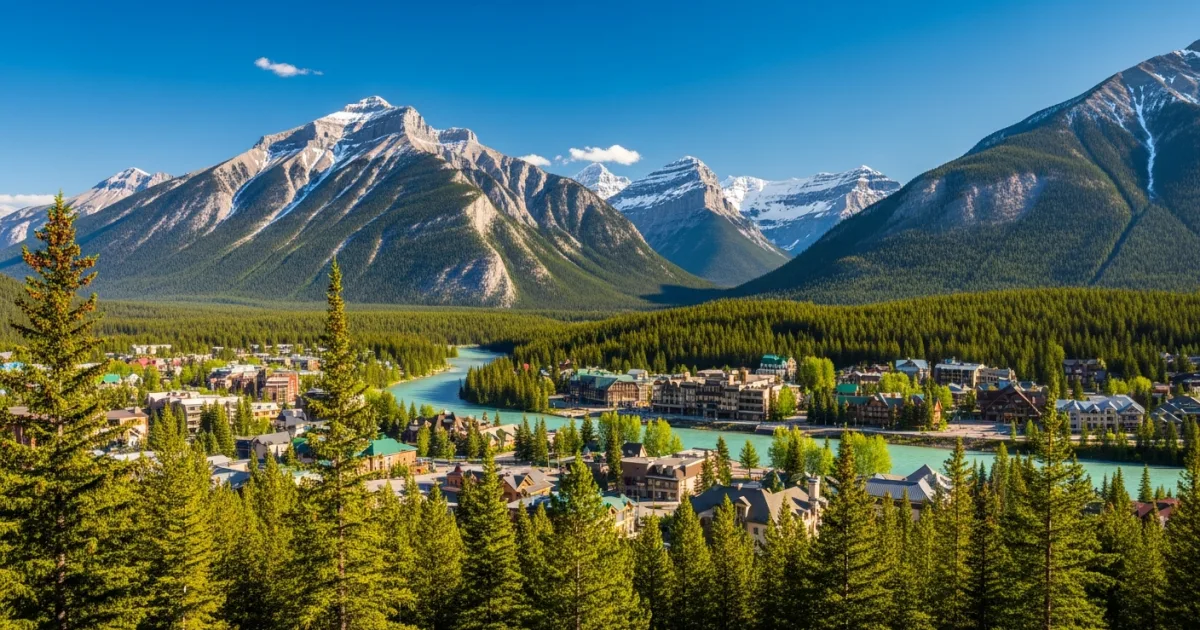
Banff is a resort town located within Banff National Park in Alberta, Canada, renowned for its mountainous surroundings and hot springs. Established in 1885, it serves as a premier destination for outdoor enthusiasts seeking hiking, skiing, and wildlife viewing in the Canadian Rockies. The town sits at an elevation of 1,383 meters, making it the highest town in Canada and offering spectacular views of Mount Rundle, Cascade Mountain, and Mount Norquay. Visitors to Banff can explore a vibrant downtown area filled with chateau-style hotels, boutique shops, and diverse dining options that highlight regional Albertan cuisine. Beyond the town limits, iconic natural attractions like Lake Louise, Moraine Lake, and the Icefields Parkway are easily accessible, providing endless opportunities for alpine adventures. Whether soaking in the Banff Upper Hot Springs or riding the Banff Gondola to the summit of Sulphur Mountain, travelers experience a seamless blend of rugged wilderness and modern comfort. A mandatory National Park Pass is required for all visitors stopping in the park, funding vital conservation efforts that keep the pristine environment intact for future generations.

Banff Travel Guide: Logistics & In-Depth Tips

Banff is more than just a picturesque town; it is the cultural and commercial hub of Canada's first national park. The town's architecture is heavily influenced by the early railway era, featuring grand, chateau-style buildings that blend seamlessly with the rugged alpine environment. Banff Avenue, the main thoroughfare, is perfectly aligned to frame Cascade Mountain, creating one of the most photographed streetscapes in the world.

Beyond the immediate townsite, Banff serves as a basecamp for exploring over 6,600 square kilometers of unparalleled wilderness. Visitors can transition from sipping artisanal coffee in a modern cafe to standing at the edge of a glacier-fed lake in under an hour. The commitment to conservation is evident everywhere, with strict zoning laws ensuring the town does not over-expand into the surrounding wildlife corridors, preserving the delicate balance between human recreation and nature.

Reasons to Visit

  • World-Class Scenery: Unobstructed views of the towering Canadian Rockies, pristine turquoise lakes, and ancient glaciers.
  • Outdoor Recreation: Endless opportunities for hiking, mountain biking, skiing, and snowboarding across diverse terrains.
  • Wildlife Viewing: High chances of spotting elk, bighorn sheep, deer, and occasionally bears in their natural habitat.
  • Hot Springs: Relax in the historic Banff Upper Hot Springs, featuring naturally heated mineral water with panoramic mountain views.
  • Vibrant Town Life: A lively downtown area offering excellent dining, boutique shopping, and a vibrant arts and culture scene.

Things to Avoid

  • Approaching Wildlife: Never approach, feed, or attempt to take selfies with wild animals. It is dangerous and illegal.
  • Underestimating the Weather: Mountain weather is highly unpredictable. Avoid hiking without extra layers and rain gear, even on sunny days.
  • Parking in Town During Peak Season: Traffic congestion is severe in summer. Avoid driving in town and use the Roam Transit system instead.
  • Hiking Without Bear Spray: Never venture onto trails without bear spray, and ensure it is easily accessible, not buried in your backpack.

Local Transportation Tips

Getting around Banff is highly convenient thanks to the Roam Public Transit system, which operates hybrid and electric buses throughout the town and to major park attractions like Lake Louise and Johnston Canyon. Fares are affordable, and buses run frequently. For those who prefer active transport, Banff is very pedestrian and bicycle-friendly, with numerous paved legacy trails connecting key areas. Renting a car is only necessary if you plan to explore remote areas of the park or drive the Icefields Parkway at your own pace.

Travel Etiquette

  • Leave No Trace: Pack out all garbage, stay on designated trails, and respect the fragile alpine ecosystem.
  • Give Wildlife Space: Adhere to Parks Canada guidelines regarding safe distances from all animals.
  • Trail Etiquette: Yield to uphill hikers, keep dogs on a leash at all times, and do not play loud music on the trails.
  • Tipping: Tipping 15-20% at restaurants and for guided services is standard practice in Canada.

Recommended Age Group

Banff offers a wide range of activities suitable for various age groups, though the rugged terrain requires some consideration for mobility.

  • Babies (0-2 years): Neutral. While the town itself is stroller-friendly, most hiking trails are not. Parents will need a sturdy baby carrier for outdoor exploration.
  • Kids (3-12 years): Recommended. Children will love the Banff Gondola, easy walks around the Cave and Basin, and the excitement of spotting wildlife from a safe distance.
  • Teens (13-19 years): Recommended. Perfect for adventurous teens, offering world-class skiing, mountain biking, and challenging day hikes.
  • Adults (20-64 years): Recommended. Ideal for adults seeking a mix of strenuous outdoor activities, fine dining, and spa relaxation.
  • Seniors (65+ years): Recommended. Seniors can enjoy scenic drives along the Bow Valley Parkway, accessible viewpoints, and relaxing in the hot springs.

Accessibility Level: Medium

  • Accessible Transit: All Roam Public Transit buses are fully accessible with low floors and ramps.
  • Attractions: Major attractions like the Banff Gondola and the Cave and Basin National Historic Site offer wheelchair accessibility.
  • Paved Trails: The Banff Legacy Trail and the Bow River Trail provide miles of paved, flat pathways suitable for wheelchairs and mobility scooters.
  • Accommodation: Most major hotels in Banff offer ADA-compliant rooms, but it is highly recommended to book these well in advance.

Did You Know?

Banff National Park was established in 1885 after railway workers stumbled upon a natural hot spring at the base of Sulphur Mountain. It was Canada's first national park and the third national park established in the world.

Cool Statistics

  • Elevation: 1,383 meters (4,537 feet), making it the highest town in Canada.
  • Park Size: Banff National Park covers 6,641 square kilometers (2,564 square miles).
  • Annual Visitors: The park receives over 4 million visitors annually.
  • Wildlife: Home to over 50 species of mammals, including grizzly bears, black bears, and cougars.

Address:

Banff, Canada

Find Nearby Accommodations

Basic Info

address icon

COUNTRY & Region

Canada,
North America

ACCESSIBILITY LEVEL​

Medium
Currency icon

LOCAL CURRENCY​

Canadian Dollar (CAD)
Price level icon
High
Safety Level icon

SAFETY LEVEL

Duration icon

Recommended Duration

• 1-7 days
• More than a week

Electricity

electricity icon

Electricity

110-120V, 
60Hz
Plug Socket icon

Plug Type

• Type A (Flat blade)
• Type B (Flat blade with grounding pin)
Plug types
Click To View Plug Types
Banff is part of our
Coolcation collection

Activities To Do In Banff

Best Time To Visit Banff

The best time to visit Banff depends entirely on your preferred activities. Summer offers peak hiking conditions, while winter transforms the town into a world-class ski destination.

  • June to August: Peak summer season. Expect warm days, fully accessible hiking trails, and vibrant turquoise lakes, but also heavy crowds and premium accommodation prices.
  • December to March: Peak winter season. Ideal for skiing, snowboarding, and ice skating. The town is beautifully decorated for the holidays, and the surrounding ski resorts boast excellent powder.
  • September to October: Shoulder season. Offers cooler temperatures, fewer crowds, and the spectacular golden larch trees in late September.

Average Temperatures Per Month

Remember to check the weather forecast a few days before the trip and before heading to the airport.

Safety Level icon

Safety Level

Banff is extremely safe regarding crime, but natural hazards require strict attention. Wildlife encounters are common; maintain a distance of at least 30 meters from elk and 100 meters from bears. Never feed wildlife. Carry bear spray on all trails and know how to use it. Weather can change rapidly in the mountains, leading to hypothermia risks even in summer. Always check avalanche reports before venturing into the backcountry during winter.

The rating is based on multi-year peace, crime, and security indices. Before you go, always verify current conditions through official government travel advisories.

Emergency Numbers

Police: 911
Ambulance: 911

No internet needed • Includes local translations • Free for TravelingWiz readers

Spoken Languages

English is the primary language spoken in Banff. Due to the international tourism workforce, you will also frequently hear French, Spanish, Japanese, and Tagalog.

Learn The Language

  • Hello, how are you?
  • Thank you very much.
  • Where is the washroom?
  • How much does this cost?
  • Can I get the bill, please?
  • Do you have a menu?
  • Excuse me.
  • I need help.
Travel Booking Partner - TravelingWiz

Trip Cost & Budgeting for Banff, 2026

Everything you need to know about money while traveling
Is Banff expensive for tourists in 2026? Yes, Banff is one of Canada's pricier destinations due to high demand and strict national park building limits. You can expect to pay around CAD 5.50 for a cappuccino, CAD 8 for a pint of beer, and CAD 35 for a mid-range restaurant meal. Featuring Human Verified prices, this resort town requires strategic planning to manage costs. Use the data table below to calculate your specific daily budget based on your travel style.
Currency icon

LOCAL CURRENCY​:

Canadian Dollar (CAD)
Price level icon
High
Credit cards and contactless mobile payments are universally accepted throughout Banff, with cash rarely required for everyday purchases.

Per person, per day – pocket cash for small purchases.

Local: 35
Canadian Dollar (CAD)
≈ 25 USD

Full daily spend estimation (accommodation, food, transportation, attractions).

Travel Style
Canadian Dollar (CAD)
≈ USD ($)
Budget
195
141
Mid-range
350
252
Comfort
770
555

The Prices, Daily costs, and calculator results are estimates for planning purposes only. Actual costs may vary based on season, booking timing, personal spending habits, and currency fluctuations. TravelingWiz cannot be held responsible for discrepancies between these estimates and your final trip expenses.

  • Use Roam Public Transit instead of renting a car or taking expensive taxis to navigate Banff, Canmore, and Lake Louise.
  • Book accommodation months in advance or stay in nearby Canmore to secure significantly lower nightly lodging rates.
  • Purchase a Parks Canada Discovery Pass if staying more than seven days to save on daily national park entrance fees.
  • Pack lunches and snacks from local grocery stores in town rather than dining out for every meal while hiking.

Pre-Order Tickets

Avoid disappointment when tickets sell out — and skip the long lines by booking online in advance. You’ll often save up to 20% too.
Save up to 20%

Travel Discounts & Coupons

Save on hotels, attractions, transport, and gear — find verified discounts for smarter travel spending.
Verified Coupons

What To Pack

  • Bear Spray: Essential for hiking on any trail in the national park.
  • Layered Clothing: Mountain weather fluctuates rapidly; pack thermal base layers, a fleece, and a waterproof shell.
  • Sturdy Hiking Boots: Required for navigating rocky and uneven alpine terrain safely.
  • Sun Protection: High altitude increases UV exposure; bring sunglasses, sunscreen, and a wide-brimmed hat.
  • Daypack: Useful for carrying water, snacks, and extra layers during full-day excursions.
We couldn't find tips for Banff.
If you got any, please share

Recommended Itineraries for Traveling to Banff

We couldn't find itineraries for Banff.
you can contact us for custom trip plan

Food & Drink Highlights

Local Food Overview

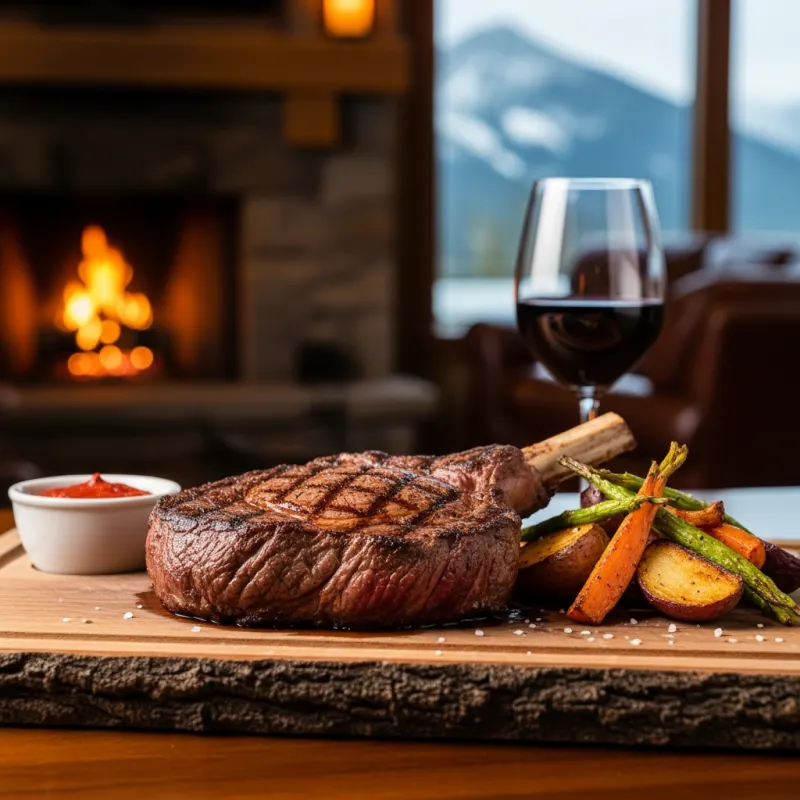
Albertan cuisine is heavily influenced by its ranching history, with a strong emphasis on high-quality, locally sourced meats. Banff's dining scene ranges from rustic mountain lodges serving hearty game meats to upscale restaurants offering refined farm-to-table experiences.
A grilled Alberta beef steak served on a wooden board with vegetables and wine

Must Try Dish

Alberta Beef Steak - Known for its exceptional tenderness and rich flavor, Alberta beef is globally recognized and locally sourced from nearby ranches. Enjoying a perfectly grilled, thick-cut ribeye at a cozy mountain lodge is a quintessential culinary experience in the Canadian Rockies.
Food Experiences Title Icon

Food
Experiences

Discover cooking classes, tastings and local food tours

No food experience found
Maya, the human travel expert at TravelingWiz, offering curated, non-AI expertise

Maya’s Final Checklist for Banff

Logistics shouldn’t be the focus of your trip—the experience should. I’ve hand-vetted these essential partners to ensure your arrival, stay, and exploration are as smooth as an Athenian breeze.

Where to Stay

From boutique hotels to local apartments—compare thousands of options and find the perfect stay in the best neighborhood.

Air Travel

Getting there should be seamless. Compare the best routes and prices across top airlines to start your journey on the right note.

Local Guides

Connect with experts who know the destination best. Get personalized advice and insider tips to help you plan your perfect trip.

Travel Protection

The “Engineer’s” rule: always have a backup. Secure your trip with a plan that covers every “what if” and unexpected change.

Car Rentals

Explore at your own pace with total freedom. Compare reliable rental options and find the right vehicle for your adventure.

Visa Services

Don’t let paperwork slow you down. Get expert assistance with your application to ensure all your entry documents are in order.

FAQs

Yes, a Parks Canada Discovery Pass or daily admission pass is required for all visitors stopping within Banff National Park.
While many popular trails are heavily trafficked, it is generally recommended to hike in groups due to bear activity. Always carry bear spray and make noise while hiking.
Yes, the Northern Lights can occasionally be seen from Banff, particularly during the winter months on clear, dark nights away from town lights.
No, the Roam Public Transit system is excellent and connects the town of Banff to major attractions like Lake Louise, Johnston Canyon, and the Banff Gondola.

Your Insights Matter

TravelingWiz grows through the stories of our community. If you’ve recently explored ,Banff share your tips and stories to help us perfect our guides for the next traveler.

Related Articles

Check out our related articles and blog posts to learn even more about the destination.

No related articles found

Don’t Travel Alone

Share with your friends and family

Where should we send your offline card?

We hate spam just as much as you do

newsletter_consent *