Disclosure: This site contains affiliate links. We may earn a commission if you make a purchase, at no extra cost to you.
Yellowknife

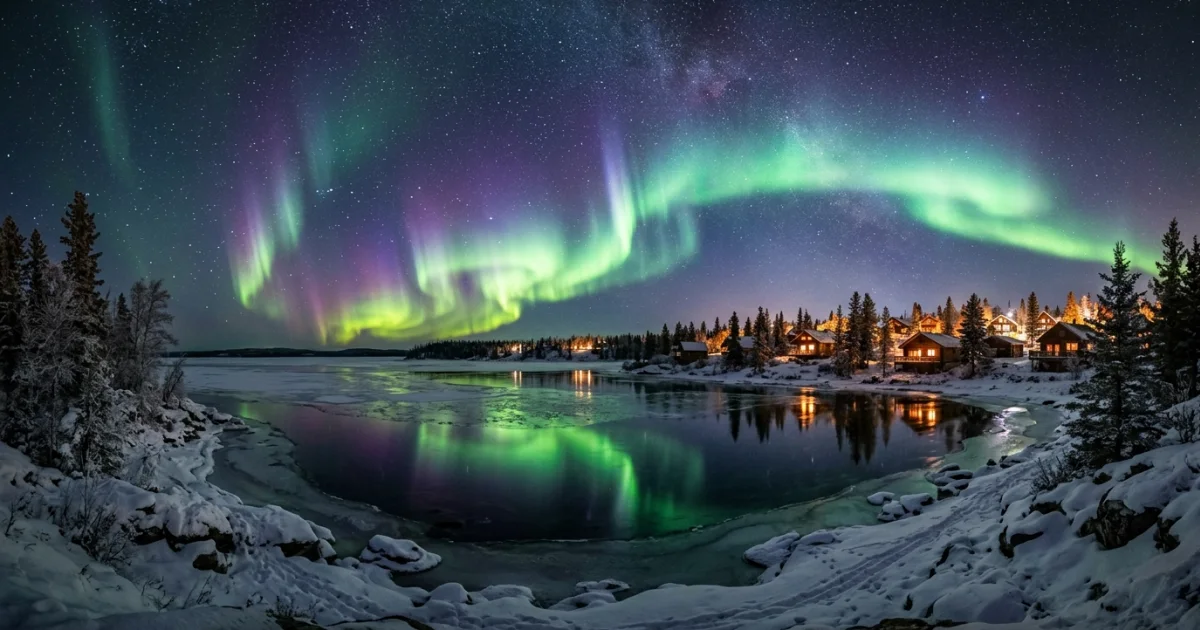
Vibrant green Northern Lights dancing over Great Slave Lake and snow-covered cabins in Yellowknife

Basic Info

COUNTRY & Region

Canada,
North America

ACCESSIBILITY LEVEL​

  • High: Widely accessible with good facilities for disabilities.
  • Medium: Some accessible options, but limitations exist.
  • Low: Limited accessibility; many barriers for disabilities.
Medium

LOCAL CURRENCY​

Canadian Dollar (CAD)

Price Level

Low – budget‑friendly basics

Medium – moderate mid‑range costs

High – pricey lodging, dining & transport

High

SAFETY LEVEL

5 shields = Excellent – very low crime or conflict.

4 shields = Safe – low risk, routine care.

3 shields = Relatively safe – use normal street smarts.

2 shields = Use caution – higher crime or periodic unrest.

1 shields = Avoid – active conflict or extreme danger.

Scores are derived from multi-year peace, homicide and security indices blended into a single 1-to-5 scale.

Recommended Duration

1-7 days

Yellowknife Overview & Key Highlights

Yellowknife sits directly beneath the auroral oval on the northern shore of Great Slave Lake, making it globally renowned as the Aurora Capital of North America. The territorial capital of the Northwest Territories combines frontier history, rich Dene and Métis heritage, and rugged subarctic landscapes carved out of the ancient Canadian Shield. Visitors experience dramatic seasonal contrasts, transitioning from the 24-hour daylight of the summer Midnight Sun to crystal-clear sub-zero winter nights illuminated by ribboning green and magenta auroras. Beyond skywatching, the city offers distinct heritage neighborhoods like historic Old Town, where colorful shacks and houseboats balance on granite outcrops beside bush plane float bases. Outdoor recreation anchors daily life year-round, ranging from snowmobiling, dogsledding, and traversing seasonal ice roads across frozen bays in winter to paddling, angling for trophy pike, and hiking rugged lichen trails during the cool summer months.

Yellowknife Travel Guide: Logistics & In-Depth Tips

Yellowknife functions as both the cosmopolitan capital of the Northwest Territories and a gateway to the vast subarctic wilderness. Established during the gold rush era of the 1930s on Chief Drygeese Territory, the settlement grew rapidly through mining before evolving into a modern administrative, artistic, and diamond-sorting center. The city's geography is defined by Precambrian granite outcroppings, tranquil bays, and the expansive blue horizon of Great Slave Lake, the deepest freshwater lake in North America.

Today, visitors navigate a dual-personality town: the modern downtown with government offices, craft breweries, and Indigenous art galleries, juxtaposed against historic Old Town. In Old Town, wooden stairs climb to Bush Pilots Monument, offering 360-degree vistas over floatplane docks, wood-heated shacks, and houseboats anchored in Yellowknife Bay. Whether watching auroras dance across the sky from a heated wilderness wall tent or canoeing the nearby Ingraham Trail lake chains, the city delivers authentic northern immersion.

Reasons to Visit

  • World-Class Aurora Borealis: Positioned squarely under the auroral oval with flat terrain and low precipitation, Yellowknife offers over 200 aurora-viewing nights per year.
  • Old Town Character: Historic pioneer cabins, floating houseboat communities, and working bush plane bases create an unforgettable northern atmosphere.
  • Great Slave Lake Recreation: Exceptional fishing, paddling, sailing in summer, and ice fishing, snowkiting, and ice road driving in winter.
  • Indigenous Culture & Art: Rich Dene, Inuvialuit, and Métis craft traditions, visible in authentic beadwork, birchbark crafts, and native fine art galleries.
  • The Daring Ice Roads: Experience driving across thick, engineered lake ice highways connecting remote northern communities each winter.

Things to Avoid

  • Don't venture onto lake ice without checking conditions: Never assume ice is safe early or late in the season; always adhere to official territorial transport guidelines.
  • Don't skimp on winter footwear: Standard city winter boots will fail in sub-zero subarctic conditions; choose boots specifically rated to -30°C or colder.
  • Don't overlook camera battery preservation: Extreme cold drains batteries within minutes; keep spares inside interior jacket pockets close to body heat.
  • Don't attempt aurora photography by handheld shooting: Long exposures require a sturdy tripod and manual focus settings to capture the lights cleanly.

Local Transportation Tips

Downtown Yellowknife and Old Town are connected by city transit buses (Yellowknife Transit) running regular daytime routes, though service is limited on Sundays. Taxis are plentiful, affordable, and readily dispatched across the city. For aurora chasing and visiting recreation sites along the 70-kilometer Ingraham Trail, renting a vehicle equipped with block heaters and winter tires is recommended, though guided tour packages typically provide direct hotel pickups.

Travel Etiquette

  • Respect Indigenous communities and cultural spaces: Ask permission before photographing cultural drumming, ceremonies, or individual craftspeople.
  • Practice leave-no-trace outdoors: The subarctic ecosystem and fragile tundra lichens take decades to recover from damage and litter.
  • Plug in vehicle block heaters when parking outdoors during winter if temperatures drop below -15°C.
  • Support local artisans directly by looking for the official 'NWT Arts' certified dahlia logo on handmade crafts.

Recommended Age Group

Yellowknife offers extraordinary visual and outdoor adventures, but extreme subarctic winter conditions require thoughtful age-based preparation.

  • Babies (0-2 years): Not Recommended. Intense winter cold (-30°C to -40°C) poses hypothermia risks for infants, and specialized extreme-cold gear for toddlers is difficult to source.
  • Kids (3-12 years): Neutral. Summer brings midnight sun camping and boat trips, but sub-zero winter temperatures can limit outdoor time for younger children to brief intervals.
  • Teens (13-19 years): Recommended. Older youth thrive with dogsledding excursions, snowmobiling, Indigenous storytelling, and late-night aurora photography.
  • Adults (20-64 years): Recommended. Perfect for adventurous travelers, photographers, and nature enthusiasts seeking rugged landscapes and world-class skywatching.
  • Seniors (65+ years): Recommended. Well-organized heated aurora-viewing facilities and lodges cater comfortably to mature travelers who prefer accessible indoor-outdoor viewing.

Accessibility Level: Medium

  • Downtown city facilities, the Prince of Wales Northern Heritage Centre, and the Legislative Assembly offer level entrances, power-assisted doors, and elevators.
  • Winter sidewalks and Old Town wooden boardwalks frequently accumulate packed snow and ice, presenting mobility challenges for manual wheelchair users.
  • Specialized aurora tour companies operate accessible heated viewing lounges and cabins, though prior booking is required to arrange adapted transport.
  • Yellowknife Airport (YZF) is single-level and fully barrier-free, with accessible washrooms and curb-to-gate assistance.

Did You Know?

Because Yellowknife sits on solid Canadian Shield granite, many homes in Old Town cannot have underground plumbing; instead, they rely on specialized delivery trucks that pump fresh water in and haul sewage out throughout the subarctic winter.

Cool Statistics

  • Yellowknife boasts an average of 240 days of visible auroral activity per year.
  • Great Slave Lake reaches maximum depths of 614 meters (2,014 feet), making it the deepest lake in North America.
  • During the summer solstice in June, the city enjoys approximately 20 hours of bright daylight and 4 hours of twilight without true night.

Address:

Yellowknife, Canada

Find Nearby Accommodations

Electricity

110-120V, 
60Hz

Plug Type

Type A (Flat blade), Type B (Flat blade with grounding pin)
Plug types
Click To View Plug Types
Yellowknife is part of our
Coolcation collection

Activities To Do In Yellowknife

Best Time To Visit Yellowknife

Yellowknife offers two distinct peak tourist windows focused on the Northern Lights, alongside a short summer season.

  • Winter Aurora Season (December to mid-April): The prime window for vibrant auroras, ice roads, dogsledding, and the Snowking's Winter Festival. Sub-zero temperatures range from -20°C to -40°C.
  • Autumn Aurora Season (Mid-August to late September): Open-water aurora viewing where lights reflect off ice-free lakes, paired with mild temperatures and autumn tundra foliage.
  • Midnight Sun Summer (June to July): Near-endless daylight, excellent pike and lake trout fishing, hiking, and patio dining, though the sky remains too bright for auroras.

Average Temperatures Per Month

Average monthly temperaturesMonthly source values, with Celsius and Fahrenheit equivalents in the following data table.-30°-22°-16°3°-3°28°11°52°25°77°JanJan: -24°C / -11°FFebFeb: -25°C / -13°FMarMar: -18°C / -0°FAprApr: -6°C / 21°FMayMay: 6°C / 43°FJunJun: 14°C / 57°FJulJul: 18°C / 64°FAugAug: 16°C / 61°FSepSep: 10°C / 50°FOctOct: 1°C / 34°FNovNov: -11°C / 12°FDecDec: -21°C / -6°F
View temperature data
Average monthly temperatures
Month°C°F
Jan-24-11
Feb-25-13
Mar-18-0
Apr-621
May643
Jun1457
Jul1864
Aug1661
Sep1050
Oct134
Nov-1112
Dec-21-6

Remember to check the weather forecast a few days before the trip and before heading to the airport.

Safety Level

5 shields = Excellent – very low crime or conflict.

4 shields = Safe – low risk, routine care.

3 shields = Relatively safe – use normal street smarts.

2 shields = Use caution – higher crime or periodic unrest.

1 shields = Avoid – active conflict or extreme danger.

Scores are derived from multi-year peace, homicide and security indices blended into a single 1-to-5 scale.

Yellowknife is safe for independent travelers, though extreme subarctic winter weather represents the primary hazard. Frostbite can occur within minutes during deep cold snaps; dress in tested thermal layers and never venture onto unmonitored lake ice without local guidance. In the downtown commercial core, exercise standard personal awareness at night regarding occasional alcohol-related disturbances. If driving on highways outside city limits, maintain emergency roadside supplies, fuel up regularly, and watch for crossing wildlife like bison and moose.

The rating is based on multi-year peace, crime, and security indices. Before you go, always verify current conditions through official government travel advisories.

Emergency Numbers

Police: 911
Ambulance: 911

No internet needed • Includes local translations • Free for TravelingWiz readers

Spoken Languages

English is the primary working language. Official territorial languages also include Tłı̨chǫ (Dogrib), Chipewyan (Dënesųłıné), Inuktitut, and French.
Travel Booking Partner - TravelingWiz

Learn The Language

  • Hello: Tânisi (Cree greeting commonly heard)
  • Thank you: Màhsi (Dene / Tłı̨chǫ)
  • Good day: Dą́ą́t’e (Tłı̨chǫ)
  • See you later: Nànde wèet’ı̨̀ (Tłı̨chǫ)
  • Yes: Èe (Tłı̨chǫ)
  • No: Ìle (Tłı̨chǫ)
  • Water: Tı (Tłı̨chǫ)
  • Cheers / Good health: Cheers (Standard English)

Trip Cost & Budgeting for Yellowknife, 2026

Everything you need to know about money while traveling
Is Yellowknife expensive for tourists in 2026? Yes, due to its remote subarctic location, travel costs are quite high. Expect to pay around 6 CAD for a cappuccino, 9 CAD for a pint of local beer, and 35 CAD for a standard restaurant main meal. Based on Human Verified prices, accommodation and dining carry remote-region premiums. Use the data table below to calculate your specific daily budget based on your travel style.

LOCAL CURRENCY​:

Canadian Dollar (CAD)

Price Level:

Low – budget‑friendly basics

Medium – moderate mid‑range costs

High – pricey lodging, dining & transport

High

Cards Vs. Cash

Credit cards and contactless payments are accepted almost everywhere in Yellowknife, though carrying minimal cash is useful for small tips.

How Much Cash to Carry (on you)

Per person, per day – pocket cash for small purchases.

Local: 35
Canadian Dollar (CAD)
≈ 24 USD

Average Daily Costs (per person)

Full daily spend estimation (accommodation, food, transportation, attractions).

Travel Style
Canadian Dollar (CAD)
≈ USD ($)
Budget
180
126
Mid-range
330
230
Comfort
730
509
Note

The Prices, Daily costs, and calculator results are estimates for planning purposes only. Actual costs may vary based on season, booking timing, personal spending habits, and currency fluctuations. TravelingWiz cannot be held responsible for discrepancies between these estimates and your final trip expenses.

Best Value Tips

  • • Enjoy free self-guided sights like the NWT Legislative Assembly, Prince of Wales Northern Heritage Centre, and Bush Pilots Monument.
  • • Visit during shoulder season in late April or September to save on hotel rates while still having a chance to spot auroras.
  • • Grab fresh local whitefish from fish markets or casual spots in Old Town rather than expensive hotel fine-dining venues.
  • • Book accommodation and northern lights tours well in advance to avoid peak-season surge prices.

Tours & Tickets

Explore tours, attractions, and ticket options to plan your visit.
Plan ahead

Travel Offers & Coupons

Browse travel offers and coupons from our affiliate partners.
Affiliate partner offers

What To Pack

  • Rated extreme-cold winter parka, snow pants, and thermal insulated boots rated to -40°C for visits between November and April.
  • Merino wool base layers, moisture-wicking mid-layers, and fleece sweaters for breathable layering.
  • Windproof balaclava, insulated mittens (warmer than gloves), and chemical hand/foot warmers.
  • Sturdy DSLR or mirrorless camera with extra batteries (cold drains lithium rapidly) and a robust tripod for aurora photography.
  • UV-rated sunglasses and high-SPF sunscreen to counteract intense snow glare or summer midnight daylight.
  • Bug jacket and DEET insect repellent if hiking or paddling between June and August.
Only the good stuff!
Browse recommended travel gear
Check out our free packing list tool

Recommended Itineraries for Traveling to Yellowknife

Take your itinerary with you

Choose a ready-made itinerary, plan your own trip, and keep TravelingWiz by your side while you travel.

Get the TravelingWiz app

Food & Drink Highlights

Local Food Overview

Culinary traditions in Yellowknife reflect northern wilderness harvesting alongside diverse global flavors introduced by mining and aviation transplants. Fresh cold-water fish caught directly from Great Slave Lake—notably lake trout, whitefish, and Arctic char—headline local menus, prepared either pan-seared or lightly battered. Traditional northern proteins like bison, muskox, and caribou feature prominently in stews, sausages, and burgers, accompanied by local bannock bread and birch syrup reductions.

Must Try Dish

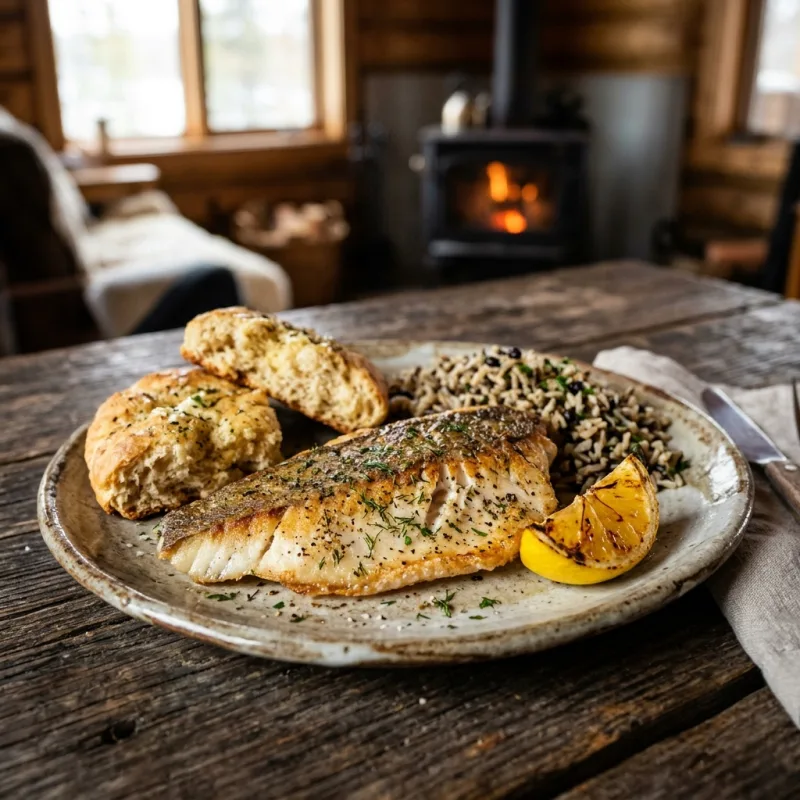
Pan-Fried Great Slave Lake Whitefish - Flaky, delicate freshwater whitefish fillets lightly dusted and crisped on a skillet, served alongside wild rice and traditional golden bannock.
Golden pan-fried Great Slave Lake whitefish served with traditional bannock bread and wild rice

Maya’s Final Checklist for Yellowknife

Logistics shouldn’t be the focus of your trip—the experience should. I’ve hand-vetted these essential partners to ensure your arrival, stay, and exploration are as smooth as an Athenian breeze.

Maya, the human travel expert at TravelingWiz, offering curated, non-AI expertise

Where to Stay

Compare accommodation options and choose a stay that suits your plans and budget.

Air Travel

Compare flight options and find a route that fits your plans.

Local Guides

Connect with local guides for personalized help planning and exploring.

Travel Protection

The “Engineer’s” rule: always have a backup. Secure your trip with a plan that covers every “what if” and unexpected change.

Car Rentals

Compare rental options and choose a car that suits your trip.

Visa Information

Don’t let paperwork slow you down. Get expert assistance with your application to ensure all your entry documents are in order.

FAQs

The peak aurora seasons run from mid-August to late September for reflection views over open water, and from December through early April for crisp, dark skies and snowy landscapes.
A rental car provides excellent flexibility for self-guided aurora hunting along the Ingraham Trail, though guided tour operators offer door-to-door transportation to remote heated viewing lodges and teepees.
Winter temperatures regularly range between -25°C and -40°C (-13°F to -40°F) from December to February, requiring specialized thermal outerwear, face protection, and insulated footwear.

Your Insights Matter

TravelingWiz grows through the stories of our community. If you’ve recently explored ,Yellowknife share your tips and stories to help us perfect our guides for the next traveler.

Where should we send your offline card?

We hate spam just as much as you do

newsletter_consent *