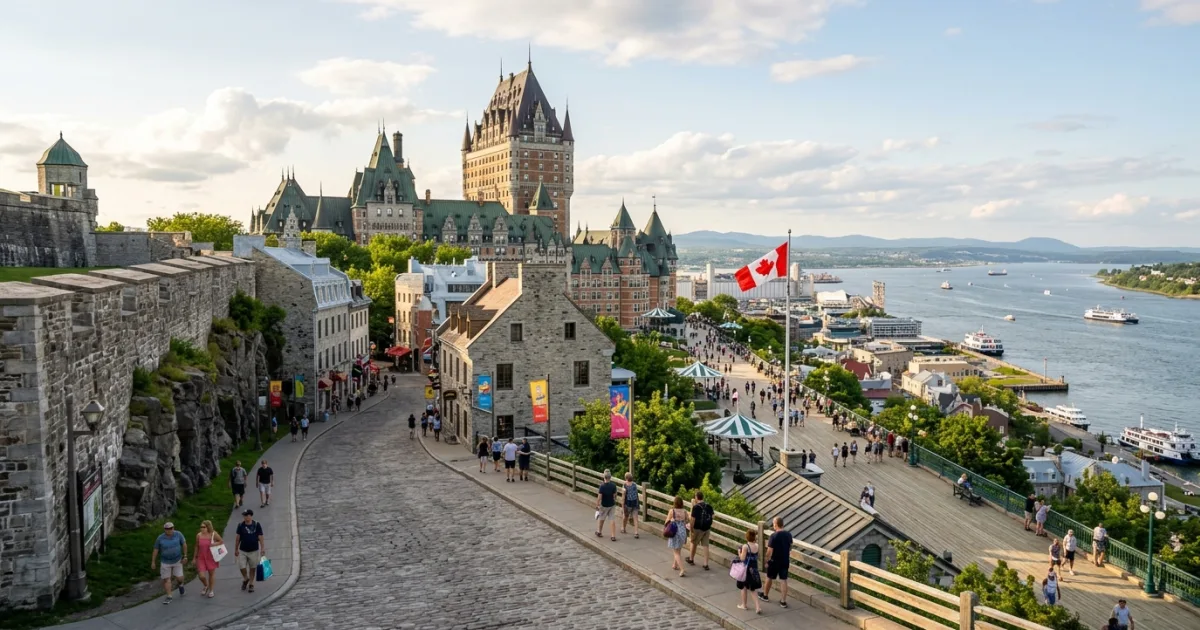
Old Quebec is a living museum and the historical soul of French North America. Situated strategically on Cap Diamant, it was fortified by both French and British military engineers across the 17th, 18th, and 19th centuries. Today, the district encompasses stone ramparts, historic artillery batteries, narrow alleys, and centuries-old religious foundations.
Divided into Upper Town (Haute-Ville) and Lower Town (Basse-Ville), the neighborhood blends preserved military architecture with vibrant civic life. Visitors can walk along fortified stone walls, explore bustling public squares like Place d'Armes and Place Royale, and admire panoramic river views along Dufferin Terrace. With a thriving culinary landscape, boutique accommodations, and rich historical exhibits, Old Quebec remains one of the world's most evocative cultural destinations.
Reasons to Visit
- Explore the only preserved fortified city ramparts in North America north of Mexico.
- Photograph the world-renowned Fairmont Le Château Frontenac towering over the Saint Lawrence River.
- Wander through Quartier Petit Champlain, one of the oldest commercial pedestrian districts on the continent.
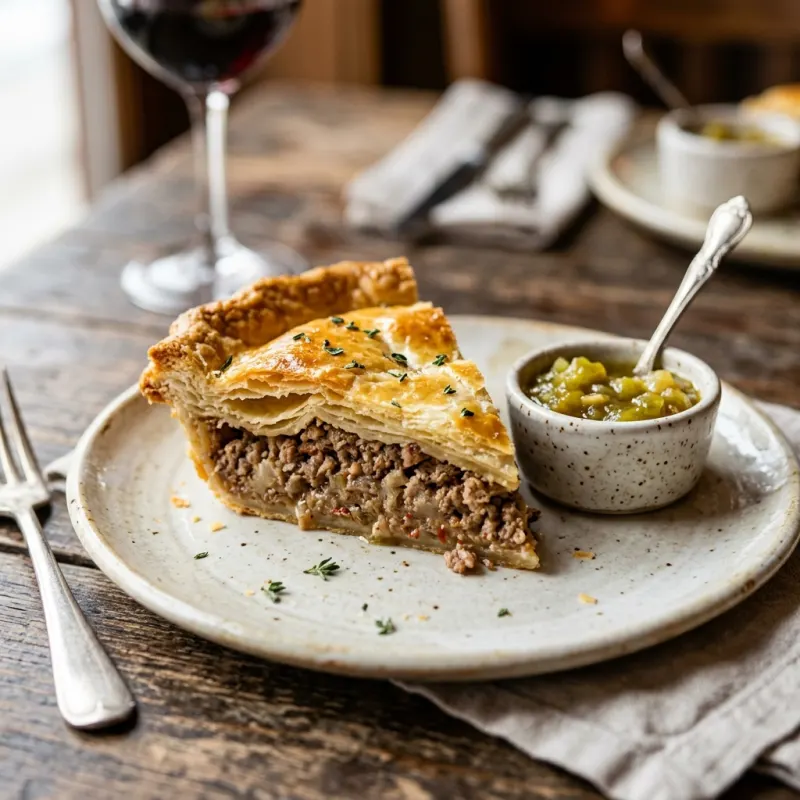
- Immerse yourself in French-Canadian culture, architecture, language, and distinct regional gastronomy.
- Experience world-class winter events, including the historic Quebec Winter Carnival and vibrant holiday markets.
Things to Avoid
- Avoid wearing smooth-soled or high-heeled shoes; cobblestones and steep stairways require supportive footwear.
- Avoid taking private vehicles into the core district; parking is scarce and street navigation is tight and restricted.
- Avoid eating exclusively on the main tourist plazas; venture down side lanes like Rue Saint-Jean or Rue Saint-Louis for better culinary value.
- Avoid visiting in winter without thermal windproof outerwear, as river winds along Dufferin Terrace can be severe.
Local Transportation Tips
Old Quebec is best navigated on foot. To transition between Upper Town and Lower Town, travelers can utilize the Breakneck Stairs (Escalier Casse-Cou) or the historic Old Quebec Funicular, which operates daily. The local public transit network, RTC (Réseau de transport de la Capitale), operates reliable bus routes connecting the historic core to outer neighborhoods and transport hubs. Regional ferries run regularly between Old Quebec's port and Lévis, offering affordable skyline views.
Travel Etiquette
- Greet shopkeepers and restaurant staff with a polite 'Bonjour' upon entering and 'Merci' when leaving.
- Follow standard North American tipping customs: 15% to 20% on restaurant bills and bar tabs.
- Keep right on narrow sidewalks and stairways to facilitate pedestrian traffic.
- Maintain quiet voices when visiting active religious spaces like the Cathedral-Basilica or the Ursulines Chapel.
Recommended Age Group
Old Quebec offers engaging historical sights, culinary exploration, and visual charm for travelers across all life stages, though steep inclines require consideration for specific groups.
- Babies (0-2 years): Neutral. Cobblestones and frequent staircases can make standard stroller travel challenging; baby carriers are strongly recommended.
- Kids (3-12 years): Recommended. Children enjoy the fortified cannons, the funicular ride, street entertainers, and winter toboggan runs.
- Teens (13-19 years): Recommended. Highly walkable, vibrant artisan shops, photography viewpoints, and accessible ghost tours offer strong appeal.
- Adults (20-64 years): Recommended. Exceptional bistros, historic architecture, wine bars, and cultural museums cater perfectly to adult travelers.
- Seniors (65+ years): Recommended. Rich history and scenic beauty provide high satisfaction, though travelers with limited mobility should take advantage of taxis and the funicular to bypass steep slopes.
Accessibility Level: Medium
- Uneven historic cobblestones, steep gradients, and historic stairways present mobility challenges in certain sectors of Lower and Upper Town.
- The Old Quebec Funicular provides wheelchair-accessible transport between Upper and Lower Town.
- Major attractions, including the Château Frontenac and Musée de la civilisation, feature full elevator access and accessible restrooms.
- RTC city buses serving the periphery of the historic district are low-floor and equipped with wheelchair access ramps.
Did You Know?
The Breakneck Stairs (Escalier Casse-Cou) earned their dramatic name not from fatal accidents, but because of their exceptionally steep pitch, constructed originally in 1635 to connect Upper and Lower Town.
Cool Statistics
- Features 4.6 kilometers of preserved historic military defensive ramparts.
- Founded over 400 years ago in 1608 by Samuel de Champlain.
- Château Frontenac holds the Guinness World Record as the world's most photographed hotel.






Buy a compatible power adapter for your trip