Interior Alaska is a land of extremes, offering a profound sense of isolation and natural beauty. The region is anchored by Fairbanks, a city born of the gold rush that now serves as the cultural and logistical hub for the interior. From here, the landscape stretches out into vast boreal forests, winding river valleys, and the towering peaks of the Alaska Range. The environment dictates the lifestyle here; summer brings a frantic energy as locals and visitors alike take advantage of 24-hour daylight to hike, fish, and explore. Conversely, winter blankets the region in snow and sub-zero temperatures, transforming it into a quiet, frozen wonderland perfect for dog mushing, ice fishing, and aurora chasing.
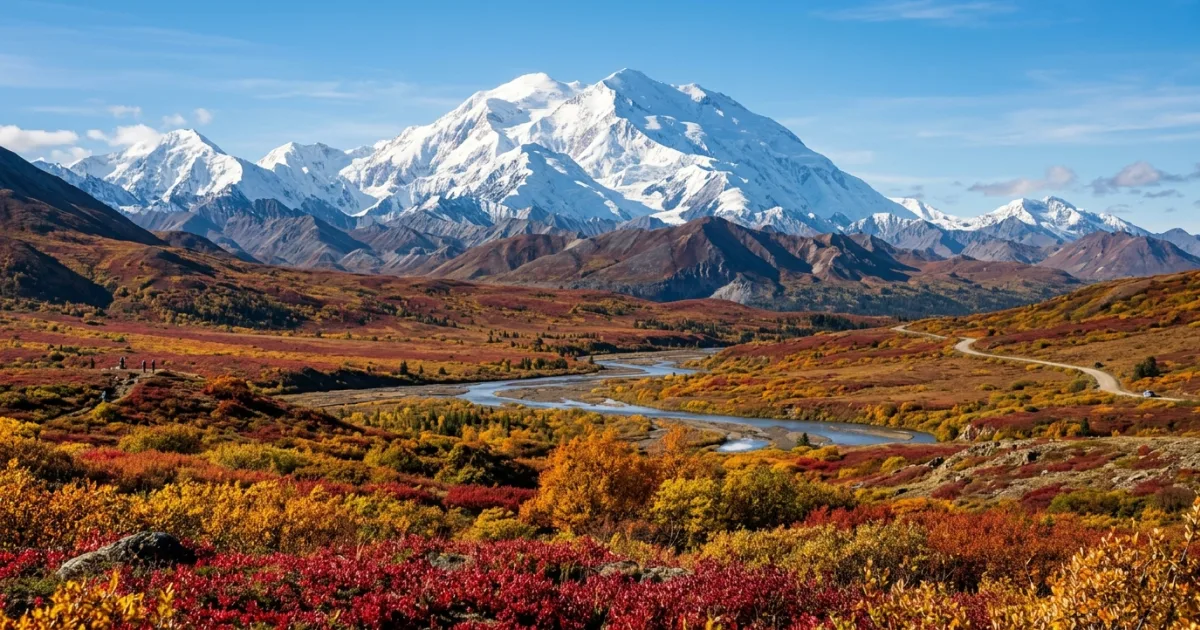
The crown jewel of the region is undoubtedly Denali National Park and Preserve. Spanning over six million acres, it is a sanctuary for grizzly bears, wolves, moose, caribou, and Dall sheep. The park's single road offers a cross-section of taiga and tundra ecosystems, culminating in views of Denali, North America's highest peak. Beyond the national park, the interior offers countless opportunities for off-the-beaten-path exploration, from soaking in the geothermal waters of Chena Hot Springs to driving the remote and rugged Dalton Highway toward the Arctic Circle.
Reasons to Visit
- Denali National Park: Experience one of the world's most pristine wilderness areas and view North America's tallest mountain.
- Northern Lights: Fairbanks is geographically situated under the 'Auroral Oval,' making it one of the best places on Earth for Astrotourism.
- Midnight Sun: Experience the surreal phenomenon of 24-hour daylight during the summer solstice.
- Wildlife Viewing: Unparalleled opportunities to see bears, moose, caribou, and wolves in their natural habitats.
- Hot Springs: Soak in natural geothermal pools surrounded by snow and ice at Chena Hot Springs.
Things to Avoid
- Underestimating Distances: Alaska is massive. Do not plan an itinerary that requires driving too many hours in a single day, as fatigue and wildlife on roads are real hazards.
- Approaching Wildlife: Never approach or feed wild animals. Moose can be just as dangerous as bears if provoked.
- Ignoring the Weather: Conditions can change rapidly. Never venture out without appropriate layers, even if the day starts sunny and warm.
- Relying on Cell Service: Outside of Fairbanks and major highway corridors, cell service is virtually nonexistent. Download offline maps and carry a satellite communicator.
Local Transportation Tips
Getting around Interior Alaska requires planning. Renting a car or RV is the most popular and flexible way to explore the region, particularly along the Parks and Richardson Highways. The Alaska Railroad offers a highly scenic, comfortable alternative, connecting Fairbanks to Denali and Anchorage. Within Denali National Park, private vehicles are restricted, and visitors must rely on the park's extensive transit and tour bus system. In the winter, specialized transport like snowmachines (snowmobiles) and dog sleds become practical modes of travel in remote areas.
Travel Etiquette
- Respect Indigenous Culture: When visiting Native communities or cultural centers, ask permission before taking photographs of people or ceremonies.
- Leave No Trace: The tundra is a fragile ecosystem. Stick to established trails where possible, pack out all trash, and respect wilderness boundaries.
- Road Courtesy: If you are driving an RV or driving slowly to view scenery, pull over at designated turnouts to let faster traffic pass.
- Tipping: Standard US tipping customs apply; 15-20% at restaurants and a few dollars for tour guides and bus drivers.
Recommended Age Group
Interior Alaska offers diverse experiences, but its rugged nature requires careful consideration for different age groups.
- Babies (0-2 years): Not Recommended. Extreme weather, long travel distances, and limited medical facilities in remote areas make it challenging for infants.
- Kids (3-12 years): Recommended. Wildlife viewing in Denali, gold panning in Fairbanks, and visiting the Museum of the North offer engaging, educational experiences.
- Teens (13-19 years): Recommended. Active adventures like hiking, dog sledding, and kayaking appeal strongly to older children and teenagers.
- Adults (20-64 years): Recommended. The region is ideal for road trips, backcountry exploration, and cultural immersion.
- Seniors (65+ years): Recommended. Accessible bus tours in Denali, scenic train rides on the Alaska Railroad, and comfortable lodges cater well to mature travelers.
Accessibility Level: Medium
- Denali National Park: The park offers accessible bus tours with wheelchair lifts (must be requested in advance), and the visitor centers are fully accessible.
- Fairbanks: Major attractions like the Museum of the North and Riverboat Discovery are wheelchair friendly.
- Accommodation: Most large hotels in Fairbanks and near the Denali park entrance offer ADA-compliant rooms, but remote lodges may have limited accessibility.
- Terrain: Outside of paved urban areas, terrain can be uneven, gravelly, or snow-covered, making mobility devices challenging to use.
Did You Know?
Fairbanks experiences some of the most extreme temperature swings on Earth, with summer highs occasionally reaching 90°F (32°C) and winter lows plummeting to -50°F (-45°C) or colder.
Cool Statistics
- Peak Elevation: Denali stands at 20,310 feet (6,190 meters) above sea level.
- Park Size: Denali National Park is larger than the state of New Hampshire.
- Daylight: Fairbanks experiences over 70 straight days of continuous daylight in the summer.
- Aurora Frequency: The Northern Lights are visible in Fairbanks an average of 240 nights a year (when skies are clear and dark).









Buy a compatible power adapter for your trip