Disclosure: This site contains affiliate links. We may earn a commission if you make a purchase, at no extra cost to you.

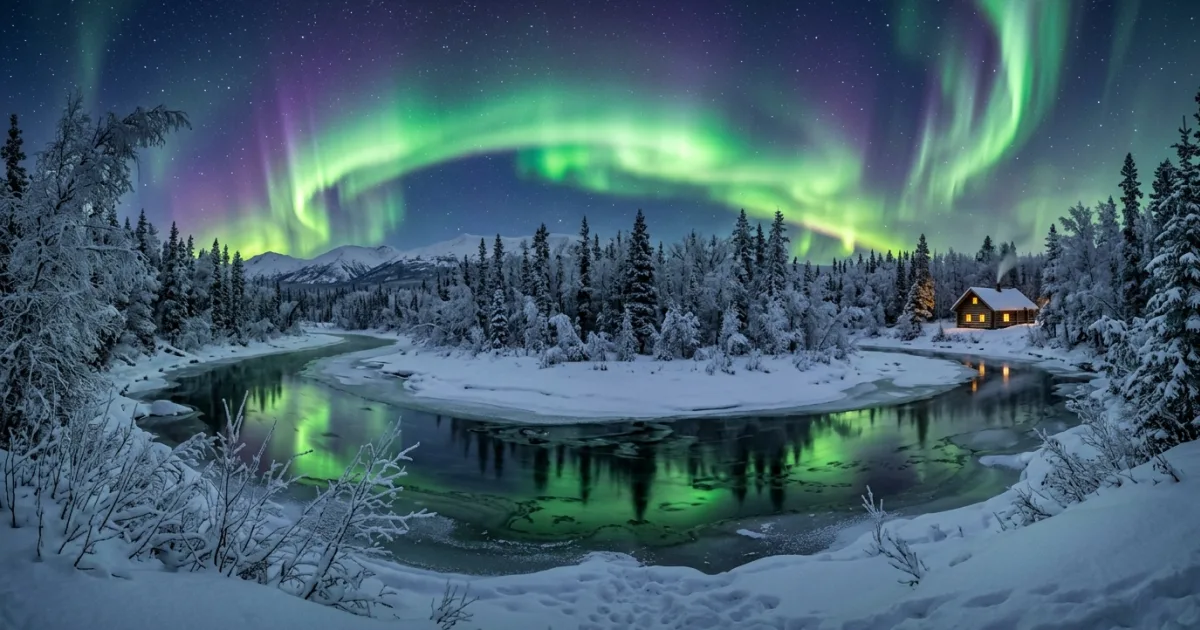
Vibrant green Northern Lights dancing over snow-covered boreal forest in Fairbanks Alaska

Fairbanks Overview & Key Highlights

Fairbanks sits in the Tanana Valley of Interior Alaska, offering one of the most reliable locations in North America for viewing the Northern Lights. The city bridges modern amenities with raw subarctic wilderness, serving as the transit point for adventures along the Dalton Highway, visits to the Arctic Circle, and access to Chena Hot Springs. Historically anchored by gold discovery in 1902 and the construction of the Trans-Alaska Pipeline, Fairbanks showcases northern resilience through world-class institutions like the University of Alaska Museum of the North and the Morris Thompson Cultural and Visitors Center. Visitors navigate stark seasonal shifts, ranging from subzero winter conditions alive with dog mushing and ice sculpting to temperate summers featuring 24-hour daylight. Outdoor pursuits dominate the local culture, with opportunities for river paddling on the Chena, hiking boreal forest trails, and cross-country skiing across pristine snowfields. Fairbanks provides travelers with authentic frontier hospitality alongside direct exposure to subarctic ecology and Indigenous Alaskan cultures.

Fairbanks Travel Guide: Logistics & In-Depth Tips

Fairbanks is the cultural, medical, and transit nexus of Alaska's massive interior basin. Founded in 1902 following Felix Pedro's gold strike along the Pedro Creek drainage, the settlement rapidly industrialized and secured permanence with the arrival of the Alaska Railroad and the trans-Alaska aviation corridor. Today, Fairbanks harmonizes university research, military aviation, and rugged wilderness lifestyles beneath expansive northern skies.

Its geographic position roughly two degrees beneath the Arctic Circle places Fairbanks directly within the auroral ring, delivering over 200 nights of visible aurora borealis displays each year. The contrast between winter's twilight stillness and summer's golden-hour radiance defines everyday life, welcoming travelers seeking untamed landscapes and frontier self-reliance.

Reasons to Visit

  • Prime viewing position directly under the auroral oval for world-class Northern Lights photography.
  • Direct proximity to geothermal soaking pools and ice museum sculptures at Chena Hot Springs.
  • Deep cultural insight into northern Athabascan traditions and frontier life at the University of Alaska Museum of the North.
  • Authentic winter adventures including championship dog sledding, snowmobiling, and ice fishing.
  • Gateway access to northern transit routes, including the Dalton Highway, Denali National Park, and the Arctic Circle.

Things to Avoid

  • Avoid using flash photography or white headlamps when viewing the aurora at shared viewing locations.
  • Do not leave running car engines unplugged without a block heater cord when ambient temperatures dip below -20°F (-29°C).
  • Never touch wild moose, approach calves, or corner animals resting near urban trails and residential roads.
  • Avoid booking accommodations solely inside downtown if your exclusive goal is aurora viewing, due to local light pollution.
  • Do not rely on standard smartphone batteries in subzero cold without keeping them in an insulated, body-warmed inner pocket.

Local Transportation Tips

Public transportation is provided by the Macon Transit System, operating bus routes across central Fairbanks, North Pole, and the university campus. However, renting a car is strongly advised for visitors wanting the flexibility to chase the aurora borealis, access trailheads, and visit outer landmarks like Chena Hot Springs or the Trans-Alaska Pipeline viewpoint. Rideshare services like Uber and Lyft operate throughout municipal limits, while regional shuttle operators service rural remote corridors.

Travel Etiquette

  • Remove heavy, studded winter traction cleats (crampons/ice spikes) before entering homes, shops, and historical buildings.
  • Always ask permission before taking close-up portraits of Alaska Native artisans and their handcrafted regalia.
  • Keep headlights dimmed and switch off idling car lights at designated northern lights viewing pullouts.
  • Tip tour guides, wilderness drivers, and dog mushers 15% to 20% for specialized equipment support and safety oversight.

Recommended Age Group

Fairbanks delivers diverse outdoor experiences across seasons, though cold-weather logistics dictate specific travel recommendations.

  • Babies (0-2 years): Not Recommended. Extreme subzero winter conditions present severe temperature regulation risks for infants.
  • Kids (3-12 years): Recommended. Children enjoy interactive exhibits at Pioneer Park, Santa Claus House in nearby North Pole, and accessible dog mushing demonstrations.
  • Teens (13-19 years): Recommended. Excellent destination for active adventures, snowmobiling, cross-country skiing, and photography under the aurora.
  • Adults (20-64 years): Recommended. Ideal for wilderness explorers, hot spring visitors, aurora hunters, and road-trippers seeking untamed frontier routes.
  • Seniors (65+ years): Recommended. Comfortable lodges with on-site aurora viewing, flat museum pathways, and scenic rail options cater seamlessly to older travelers.

Accessibility Level: Medium

  • Major cultural centers including the Museum of the North and Morris Thompson Center feature step-free entrances and accessible restrooms.
  • The Alaska Railroad depot provides mechanical wheelchair lifts and ADA-compliant passenger railcars.
  • Winter travel creates mobility challenges due to ice-packed parking lots, packed snow berms, and subzero conditions requiring extra caution.
  • Chena Hot Springs resort offers paved access to locker rooms, but outdoor rock spring perimeters require personal stability and caution.

Did You Know?

Fairbanks experiences an annual temperature swing of over 150 degrees Fahrenheit, with recorded record lows plummeting to -66°F (-54.4°C) and summer record highs climbing to 99°F (37.2°C).

Cool Statistics

  • 200+ nights of aurora visibility on average per year
  • 21 hours and 49 minutes of direct sunlight during the Summer Solstice
  • 1902: The year Fairbanks was established during the gold rush
  • 64.8° North: Exact latitude placing it right under the auroral oval

Address:

Fairbanks, United States

Find Nearby Accommodations

Basic Info

address icon

COUNTRY & Region

United States,
North America

ACCESSIBILITY LEVEL​

Medium
Currency icon

LOCAL CURRENCY​

US Dollar (USD)
Price level icon
High
Safety Level icon

SAFETY LEVEL

Duration icon

Recommended Duration

• 1-7 days
• More than a week

Electricity

electricity icon

Electricity

110-120V, 
60Hz
Plug Socket icon

Plug Type

• Type A (Flat blade)
• Type B (Flat blade with grounding pin)
Plug types
Click To View Plug Types
Fairbanks is part of our
Coolcation collection

Activities To Do In Fairbanks

Best Time To Visit Fairbanks

Fairbanks experiences extreme subarctic seasonality, divided distinctly between the aurora season and the summer midnight sun season.

  • Mid-August to Mid-April (Aurora Season): Prime window for Northern Lights viewing, dog mushing, snowmobiling, and the World Ice Art Championships in February and March. Temperatures can plunge below -30°F (-34°C).
  • May to Mid-August (Summer Season): Continuous daylight, lush boreal landscapes, open river navigation, and warm temperatures reaching 70°F to 80°F (21°C to 27°C). Ideal for road tripping, hiking, and exploring historical parks.
  • Late August to September (Autumn): Golden foliage transforms the valley alongside early aurora activity, offering crisp air and fewer crowds before heavy snowfall begins.

Average Temperatures Per Month

Remember to check the weather forecast a few days before the trip and before heading to the airport.

Safety Level icon

Safety Level

Extreme cold is the predominant hazard; frostbite can occur within minutes at -20°F (-29°C), necessitating proper multi-layer winter gear. When driving in winter, ensure vehicles are plugged into engine block heaters at sub-zero temperatures and keep an emergency cold-weather kit in the vehicle. Moose encounters are common in residential and wooded areas; always maintain at least 50 feet of distance and never get between a cow and her calf.

The rating is based on multi-year peace, crime, and security indices. Before you go, always verify current conditions through official government travel advisories.

Emergency Numbers

Police: 911
Ambulance: 911

No internet needed • Includes local translations • Free for TravelingWiz readers

Spoken Languages

English is the primary language spoken throughout Fairbanks, alongside heritage indigenous languages including Koyukon and lower Tanana Athabascan.

Learn The Language

  • Hello: Hello
  • Thank you: Thank you
  • Aurora: Northern Lights
  • Dog Sled: Mushing rig
  • Winter Boots: Bunny boots
  • Deep Winter: Forty below
  • Goodbye: See you later
  • Excuse me: Pardon me
Travel Booking Partner - TravelingWiz

Trip Cost & Budgeting for Fairbanks, 2026

Everything you need to know about money while traveling
Is Fairbanks expensive for tourists in 2026? Yes, visiting Fairbanks tends to be quite expensive due to Alaska's remote location and high freight costs. For everyday spending, expect to pay around $5.50 for a cappuccino, $7.50 for a pint of domestic beer, and $38 for a mid-range restaurant meal. Our research includes Human Verified prices to help you plan accurately. Use the data table below to calculate your specific daily budget based on your travel style.
Currency icon

LOCAL CURRENCY​:

US Dollar (USD)
Price level icon
High
Credit cards are accepted nearly everywhere in Fairbanks, though small tips and rural vendors appreciate cash.

Per person, per day – pocket cash for small purchases.

Local: 25
US Dollar (USD)
≈ 25 USD

Full daily spend estimation (accommodation, food, transportation, attractions).

Travel Style
US Dollar (USD)
≈ USD ($)
Budget
140
140
Mid-range
250
250
Comfort
550
550

The Prices, Daily costs, and calculator results are estimates for planning purposes only. Actual costs may vary based on season, booking timing, personal spending habits, and currency fluctuations. TravelingWiz cannot be held responsible for discrepancies between these estimates and your final trip expenses.

  • • Travel during shoulder seasons like May or September for lower lodging rates.
  • • Rent a car instead of relying on taxis to explore the area affordably.
  • • Enjoy free outdoor experiences like hiking trails and viewing the northern lights independently.
  • • Dine at local casual spots, food trucks, or grocery delis to reduce restaurant expenses.

Pre-Order Tickets

Avoid disappointment when tickets sell out — and skip the long lines by booking online in advance. You’ll often save up to 20% too.
Save up to 20%

Travel Discounts & Coupons

Save on hotels, attractions, transport, and gear — find verified discounts for smarter travel spending.
Verified Coupons

What To Pack

  • Heavyweight merino wool base layers and fleece mid-layers (essential September through April)
  • Rated sub-zero winter parka and insulated snow pants for winter visits
  • Sturdy, waterproof insulated boots (rated to -20°F/-29°C or lower for winter)
  • Sturdy tripod and spare camera batteries (cold drains lithium-ion cells rapidly)
  • Sleep mask for summer travel to counter 24-hour daylight
  • EPA-registered insect repellent for summer hiking along tundra and river trails
  • Neoprene gloves or convertible mittens with hand warmers
  • Windproof balaclava and UV-blocking polar sunglasses
We couldn't find tips for Fairbanks.
If you got any, please share

Recommended Itineraries for Traveling to Fairbanks

We couldn't find itineraries for Fairbanks.
you can contact us for custom trip plan

Food & Drink Highlights

Local Food Overview

Fairbanks cuisine is characterized by hearty subarctic staples, wild Alaskan seafood, and game meats such as reindeer sausage and elk. Surprisingly, Fairbanks also boasts an exceptionally vibrant Thai restaurant scene, established by Southeast Asian immigrants in the late 20th century. Fresh wild-caught Pacific salmon, Alaskan halibut, and local root vegetables feature prominently alongside craft beers produced by local interior microbreweries using glacial meltwater.
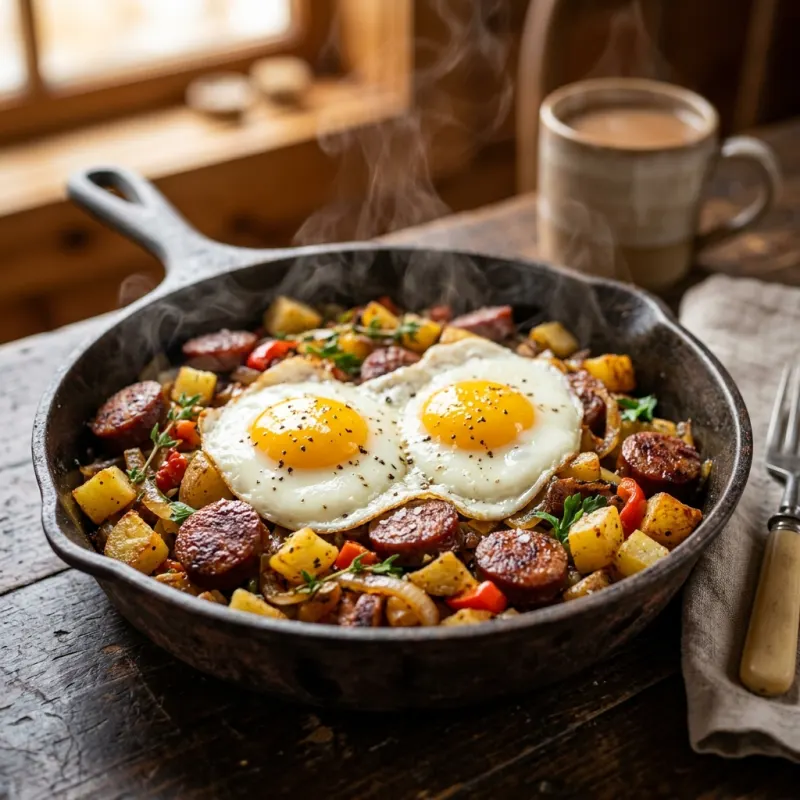
Sizzling Alaskan reindeer sausage breakfast skillet with potatoes and fried eggs

Must Try Dish

Reindeer Sausage Skillet - A hearty breakfast pan sautéed with spiced Alaskan reindeer sausage, crispy diced Yukon Gold potatoes, bell peppers, onions, and topped with two sunny-side farm eggs.
Food Experiences Title Icon

Food
Experiences

Discover cooking classes, tastings and local food tours

No food experience found

Related Tour Guides

Dave Gardner - Tour Guide
Dave Gardner
United States Expert
Monia Bonaldo- tour-guide
Monia Bonaldo
United States Expert
Valentin Borriello - tour guide
Valentin Borriello
United States Expert
Cary Gibbs
Cary Gibbs
United States Expert
Maya, the human travel expert at TravelingWiz, offering curated, non-AI expertise

Maya’s Final Checklist for Fairbanks

Logistics shouldn’t be the focus of your trip—the experience should. I’ve hand-vetted these essential partners to ensure your arrival, stay, and exploration are as smooth as an Athenian breeze.

Where to Stay

From boutique hotels to local apartments—compare thousands of options and find the perfect stay in the best neighborhood.

Air Travel

Getting there should be seamless. Compare the best routes and prices across top airlines to start your journey on the right note.

Local Guides

Connect with experts who know the destination best. Get personalized advice and insider tips to help you plan your perfect trip.

Travel Protection

The “Engineer’s” rule: always have a backup. Secure your trip with a plan that covers every “what if” and unexpected change.

Car Rentals

Explore at your own pace with total freedom. Compare reliable rental options and find the right vehicle for your adventure.

Visa Services

Don’t let paperwork slow you down. Get expert assistance with your application to ensure all your entry documents are in order.

FAQs

The peak window for viewing the aurora borealis runs from late September through March, when night skies are darkest and solar particle activity aligns with clear interior weather patterns.
A front-wheel-drive or all-wheel-drive car with good winter tires is sufficient for paved city roads, but four-wheel-drive with high clearance is strongly recommended from October to April if venturing onto mountain roads or rural highways.
Yes, guided van tours and small plane flightseeing excursions operate daily from Fairbanks to the Arctic Circle sign along the Dalton Highway, spanning 12 to 14 hours round-trip.
Winter temperatures commonly drop between -10°F and -30°F (-23°C to -34°C), occasionally reaching -40°F (-40°C) or colder during cold snaps between December and February.
Mosquitoes are prevalent in boggy areas and dense spruce forests from late May through early July, requiring long sleeves and insect repellent during hikes.

Your Insights Matter

TravelingWiz grows through the stories of our community. If you’ve recently explored ,Fairbanks share your tips and stories to help us perfect our guides for the next traveler.

Related Articles

Check out our related articles and blog posts to learn even more about the destination.

No related articles found

Don’t Travel Alone

Share with your friends and family

Where should we send your offline card?

We hate spam just as much as you do

newsletter_consent *