Disclosure: This site contains affiliate links. We may earn a commission if you make a purchase, at no extra cost to you.
Ketchikan

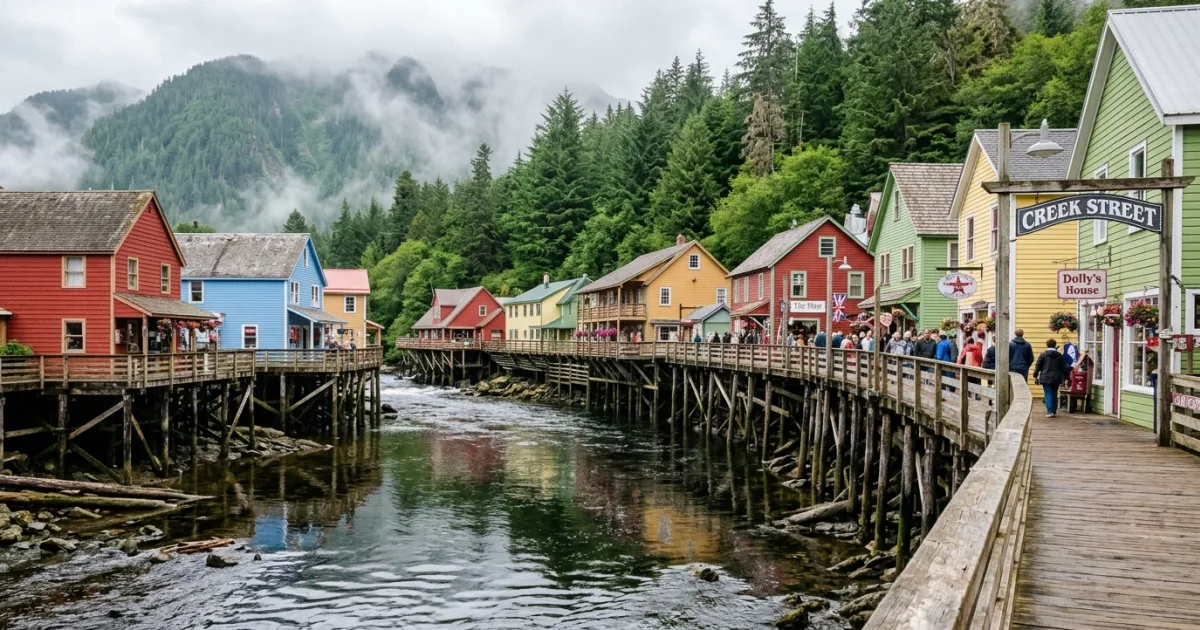
Scenic view of historic wooden houses on Creek Street over tidal water in Ketchikan Alaska

Basic Info

COUNTRY & Region

United States,
North America

ACCESSIBILITY LEVEL​

  • High: Widely accessible with good facilities for disabilities.
  • Medium: Some accessible options, but limitations exist.
  • Low: Limited accessibility; many barriers for disabilities.
Medium

LOCAL CURRENCY​

United States Dollar (USD)

Price Level

Low – budget‑friendly basics

Medium – moderate mid‑range costs

High – pricey lodging, dining & transport

High

SAFETY LEVEL

5 shields = Excellent – very low crime or conflict.

4 shields = Safe – low risk, routine care.

3 shields = Relatively safe – use normal street smarts.

2 shields = Use caution – higher crime or periodic unrest.

1 shields = Avoid – active conflict or extreme danger.

Scores are derived from multi-year peace, homicide and security indices blended into a single 1-to-5 scale.

Recommended Duration

Full day, 1-7 days

Ketchikan Overview & Key Highlights

Ketchikan sits on Revillagigedo Island at the southernmost entrance to Alaska's Inside Passage. Known universally as the 'Salmon Capital of the World' and housing the globe's largest standing collection of Native totem poles, this vibrant coastal community serves as a primary gateway to the Tongass National Forest. The town unfolds along steep, lush hillsides and granite cliffs, featuring wooden boardwalks built over the tidal waters of Ketchikan Creek. Visitors experience a rare convergence of rich Indigenous culture, commercial fishing heritage, and rugged coastal wilderness. Outdoor adventure and maritime history define daily life in Ketchikan. Visitors explore historic Creek Street, once a bustling red-light district during the Gold Rush era, which now houses artisan shops and galleries elevated on wooden pilings. Excursions depart regularly for the dramatic granite cliffs of Misty Fjords National Monument, accessible primarily by floatplane or high-speed catamaran. Whether observing black bears catching migrating salmon in Herring Cove or admiring intricately carved masterworks by Tlingit, Haida, and Tsimshian carvers, Ketchikan provides an authentic and deeply memorable Alaskan immersion.

Ketchikan Travel Guide: Logistics & In-Depth Tips

Ketchikan stands on the southwestern shore of Revillagigedo Island, framed by the deep saltwater channel of the Tongass Narrows and the steep, hemlock-carpeted slopes of Deer Mountain. Established initially as a Tlingit summer fish camp, the settlement expanded rapidly in the late 19th century with the discovery of gold and copper, evolving into a premier canning and timber hub. Today, Ketchikan thrives as an essential port of call in Southeast Alaska, retaining its gritty maritime authenticity alongside world-class cultural institutions.

The town's visual identity is deeply tied to the heritage of the Tlingit, Haida, and Tsimshian Nations. Ketchikan holds the largest collection of authentic standing totem poles on earth, scattered throughout locations such as the Totem Heritage Center, Saxman Native Village, and Totem Bight State Historical Park. Beyond town borders, the untouched 2.3-million-acre wilderness of Misty Fjords National Monument reveals glacial valleys, towering sea cliffs, and cascading waterfalls that embody Alaska's dramatic majesty.

Reasons to Visit

  • Unmatched Native Heritage: Home to the world's most extensive collections of authentic 19th-century and contemporary hand-carved totem poles.
  • Misty Fjords National Monument: Dramatic 3,000-foot granite sea walls, pristine glacial fjords, and secluded alpine lakes accessible by floatplane.
  • Creek Street Boardwalk: A historic stilted boardwalk district built above tidal waters, rich with frontier history and active salmon viewing.
  • Abundant Wildlife: Exceptional opportunities to witness bald eagles soaring overhead, humpback whales breaching in channels, and black bears hunting salmon.
  • World-Class Sportfishing: Prime saltwater and freshwater fishing charters targeting king salmon, silver salmon, and massive Pacific halibut.

Things to Avoid

  • Avoid cheap plastic ponchos: Ketchikan's maritime winds tear flimsy ponchos immediately; invest in proper waterproof outerwear with a sealed hood.
  • Do not touch historical totem poles: Authentic historic totems are preserved cultural monuments; natural cedar oils degrade when touched by human hands.
  • Avoid packing only warm-weather clothing: Even midsummer days can plummet to 50°F during rain showers, making cotton jeans cold and uncomfortable.
  • Do not crowd spawning salmon or bears: Maintain a respectful distance on creek walkways; never lean over railings to touch wildlife.

Local Transportation Tips

Downtown Ketchikan is exceptionally pedestrian-friendly, with Creek Street, the waterfront cruise berths, and museums situated within comfortable walking distance. The local 'Borough Transit' system operates regular bus routes, including a free downtown shuttle loop during cruise season. Taxis and rideshare services are available, while independent exploration along the limited 30-mile road network can be accomplished with local car rentals. Remote adventures to Misty Fjords or secluded fishing lodges depend exclusively on floatplanes and boat charters.

Travel Etiquette

  • Respect Indigenous Art: Totem poles tell specific clan lineage stories and memorialize events; respect carving demonstrations and ask permission before photographing tribal artists.
  • Embrace the Rain: Ketchikan locals pride themselves on outdoor living regardless of precipitation; avoid complaining about the weather and join in the wet-weather camaraderie.
  • Practice Waterfront Safety: Docks and ramp gangways are busy industrial working areas; give way to commercial fishermen carrying gear and watch for slippery algae.

Recommended Age Group

Ketchikan offers rewarding experiences across all generations, provided travelers are equipped with proper weather protection.

  • Babies (0-2 years): Neutral. Rain, steep stairways along hillside roads, and wooden boardwalks can present challenges for strollers, requiring baby carriers.
  • Kids (3-12 years): Recommended. Children love spotting bald eagles, watching thousands of salmon leap up fish ladders, and exploring Great Alaskan Lumberjack Shows.
  • Teens (13-19 years): Recommended. High-adrenaline activities like sea kayaking, zip-lining through old-growth canopy, and floatplane flightseeing capture teen engagement.
  • Adults (20-64 years): Recommended. Ideal for cultural exploration, wilderness trekking, craft brewery visits, and premier salmon and halibut fishing charters.
  • Seniors (65+ years): Recommended. Flat downtown boardwalks, accessible harbor cruise catamarans, and rich heritage museums make Ketchikan an easy, fulfilling stop.

Accessibility Level: Medium

  • Downtown wooden boardwalks and main sidewalks are mostly wide, well-maintained, and wheelchair-accessible with curb ramps.
  • The Totem Heritage Center and Totem Bight State Historical Park feature ADA-compliant paved pathways, ramps, and accessible visitor facilities.
  • Tour catamarans operating in the Tongass Narrows and Misty Fjords feature accessible enclosed main decks and boarding ramps, though floatplane flightseeing requires stepping up small cabin ladders.

Did You Know?

Ketchikan receives an average of roughly 153 inches (3,880 mm) of rain each year, earning it the reputation as one of the wettest inhabited places in North America. To celebrate this precipitation, downtown Ketchikan proudly displays a giant outdoor 'Rain Gauge' monument measuring annual rainfall records.

Cool Statistics

  • Averaging over 150 inches of precipitation annually across approximately 230 rainy days.
  • Preserves over 80 authentic historic and restored Native totem poles across municipal parks and museums.
  • Surrounded by the Tongass National Forest, which at 16.7 million acres is the largest national forest in the United States.

Address:

Ketchikan, United States

Find Nearby Accommodations

Electricity

110-120V, 
60Hz

Plug Type

Type A (Flat blade), Type B (Flat blade with grounding pin)
Plug types
Click To View Plug Types
Ketchikan is part of our
Coolcation collection

Activities To Do In Ketchikan

Best Time To Visit Ketchikan

The optimal time to visit Ketchikan is during the summer months between June and August when wildlife activity peaks and excursion operators run at full capacity.

  • June to August: Peak season offering the warmest temperatures (55°F–65°F), prime salmon runs, active black bears, and optimal floatplane flightseeing conditions.
  • May and September: Shoulder season featuring fewer cruise crowds, crisp air, and lower accommodation rates, though rainfall increases notably in September.
  • October to April: Quiet winter months characterized by heavy precipitation, reduced tourism services, and quiet small-town community life.

Average Temperatures Per Month

Average monthly temperaturesMonthly source values, with Celsius and Fahrenheit equivalents in the following data table.-5°23°3°37°10°50°18°64°25°77°JanJan: 1°C / 34°FFebFeb: 1°C / 34°FMarMar: 2°C / 36°FAprApr: 5°C / 41°FMayMay: 10°C / 50°FJunJun: 13°C / 55°FJulJul: 15°C / 59°FAugAug: 16°C / 61°FSepSep: 12°C / 54°FOctOct: 8°C / 46°FNovNov: 3°C / 37°FDecDec: 1°C / 34°F
View temperature data
Average monthly temperatures
Month°C°F
Jan134
Feb134
Mar236
Apr541
May1050
Jun1355
Jul1559
Aug1661
Sep1254
Oct846
Nov337
Dec134

Remember to check the weather forecast a few days before the trip and before heading to the airport.

Safety Level

5 shields = Excellent – very low crime or conflict.

4 shields = Safe – low risk, routine care.

3 shields = Relatively safe – use normal street smarts.

2 shields = Use caution – higher crime or periodic unrest.

1 shields = Avoid – active conflict or extreme danger.

Scores are derived from multi-year peace, homicide and security indices blended into a single 1-to-5 scale.

Ketchikan boasts a very low crime rate and a safe, welcoming downtown core. The primary hazards stem from wet, slippery boardwalks and maritime weather; wear shoes with good tread. When visiting creeks, streams, or hiking trails outside downtown, practice strict bear awareness: stay in groups, make noise, and never carry unsealed food or approach feeding bears.

The rating is based on multi-year peace, crime, and security indices. Before you go, always verify current conditions through official government travel advisories.

Emergency Numbers

Police: 911
Ambulance: 911

No internet needed • Includes local translations • Free for TravelingWiz readers

Spoken Languages

English is universally spoken. Indigenous languages including Tlingit, Haida, and Tsimshian are preserved and celebrated across community cultural centers.
Travel Booking Partner - TravelingWiz

Learn The Language

  • Gunalchéesh: Thank you (Tlingit)
  • Háw’aa: Thank you (Haida)
  • Wayi Wah: Let’s go! (Tsimshian)
  • The Creek: Ketchikan Creek running through town
  • Liquid Sunshine: Ketchikan’s humorous term for frequent rain
  • Southeast: Southeast Alaska / The Panhandle
  • Skookum: Strong, good, or impressive (Chinook Jargon)
  • Spawn: The seasonal migration of salmon upstream

Trip Cost & Budgeting for Ketchikan, 2026

Everything you need to know about money while traveling
Is Ketchikan expensive for tourists in 2026? Yes, Ketchikan is considered expensive for visitors due to its isolated location in Southeast Alaska. Expect to pay around $6 for a cappuccino, $8 for a pint of draft beer, and $35 for a standard main meal at a casual seafood restaurant. These Human Verified prices reflect high local shipping costs and peak summer demand. Use the data table below to calculate your specific daily budget based on your travel style.

LOCAL CURRENCY​:

United States Dollar (USD)

Price Level:

Low – budget‑friendly basics

Medium – moderate mid‑range costs

High – pricey lodging, dining & transport

High

Cards Vs. Cash

Major credit cards are universally accepted, but small cash tips and local market stalls often require US dollars.

How Much Cash to Carry (on you)

Per person, per day – pocket cash for small purchases.

Local: 25
United States Dollar (USD)
≈ 25 USD

Average Daily Costs (per person)

Full daily spend estimation (accommodation, food, transportation, attractions).

Travel Style
United States Dollar (USD)
≈ USD ($)
Budget
145
145
Mid-range
260
260
Comfort
570
570
Note

The Prices, Daily costs, and calculator results are estimates for planning purposes only. Actual costs may vary based on season, booking timing, personal spending habits, and currency fluctuations. TravelingWiz cannot be held responsible for discrepancies between these estimates and your final trip expenses.

Best Value Tips

  • • Take the public bus along Tongass Avenue or walk Creek Street to explore historic sites without paying for tour shuttles.
  • • Visit free public attractions like Totem Bight State Historical Park or the Totem Heritage Center's outdoor grounds.
  • • Buy fresh local seafood or snacks at local grocery stores rather than dining exclusively at waterfront tourist spots.
  • • Visit during the shoulder months of May or September for lower hotel rates and fewer cruise ship crowds.

Tours & Tickets

Explore tours, attractions, and ticket options to plan your visit.
Plan ahead

Travel Offers & Coupons

Browse travel offers and coupons from our affiliate partners.
Affiliate partner offers

What To Pack

  • High-quality waterproof rain jacket with taped seams (Ketchikan averages over 150 inches of rain annually)
  • Waterproof hiking boots or sturdy rain boots with aggressive traction
  • Moisture-wicking base layers and insulating fleece garments
  • Compact binoculars for spotting bald eagles, harbor seals, and humpback whales
  • Waterproof dry bag or rain covers for backpacks and photography gear
  • Brimmed rain hat or hood to keep rain off eyeglasses and face
Only the good stuff!
Browse recommended travel gear
Check out our free packing list tool

Recommended Itineraries for Traveling to Ketchikan

Take your itinerary with you

Choose a ready-made itinerary, plan your own trip, and keep TravelingWiz by your side while you travel.

Get the TravelingWiz app

Food & Drink Highlights

Local Food Overview

Ketchikan's culinary identity revolves directly around the icy waters of the Pacific Northwest and the Tongass coastal shelf. Wild Alaskan salmon—king, coho, sockeye, and pink—leads every local menu, prepared hot-smoked over alder wood, pan-seared with wild berries, or cured into candy. Wild Dungeness crab, sweet spot prawns, and giant Pacific halibut complement coastal staples, frequently paired with locally harvested bull kelp pickles and locally brewed spruce-tip craft ales.

Must Try Dish

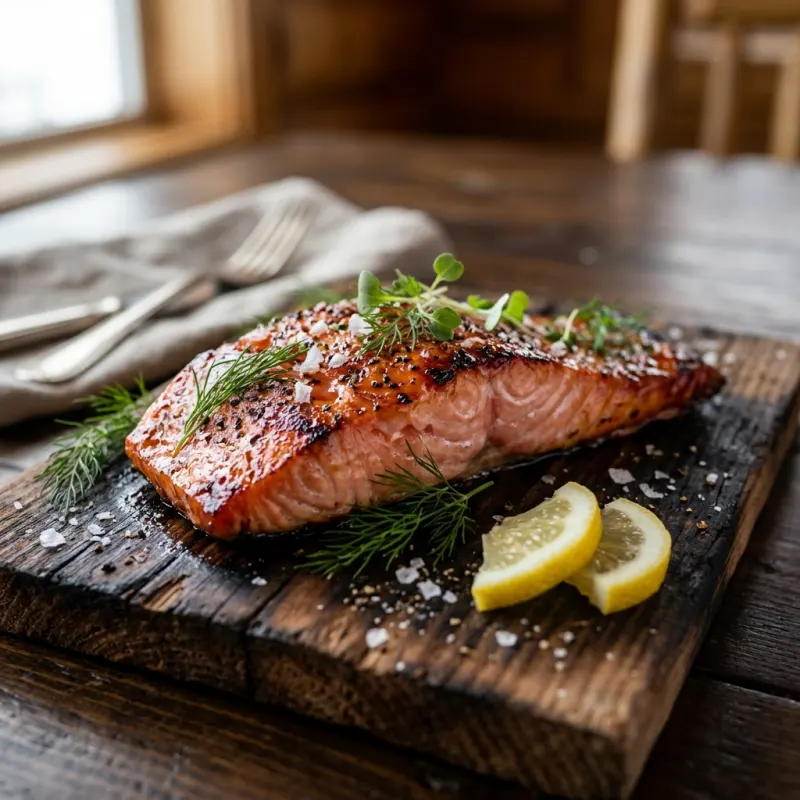
Cedar Plank Wild King Salmon - Thick, ruby-red fillets of wild-caught Alaskan king salmon are slow-roasted over aromatic western red cedar planks until flaky and succulent. Glazed lightly with pure birch syrup and served alongside wild fiddlehead ferns, it captures the elemental flavors of the Tongass rain forest.
Cedar plank roasted wild Alaskan king salmon fillet with fresh dill and lemon

Maya’s Final Checklist for Ketchikan

Logistics shouldn’t be the focus of your trip—the experience should. I’ve hand-vetted these essential partners to ensure your arrival, stay, and exploration are as smooth as an Athenian breeze.

Maya, the human travel expert at TravelingWiz, offering curated, non-AI expertise

Where to Stay

Compare accommodation options and choose a stay that suits your plans and budget.

Air Travel

Compare flight options and find a route that fits your plans.

Local Guides

Connect with local guides for personalized help planning and exploring.

Travel Protection

The “Engineer’s” rule: always have a backup. Secure your trip with a plan that covers every “what if” and unexpected change.

Car Rentals

Compare rental options and choose a car that suits your trip.

Visa Information

Don’t let paperwork slow you down. Get expert assistance with your application to ensure all your entry documents are in order.

FAQs

Ketchikan earned this title historically due to the millions of wild salmon migrating through Ketchikan Creek and surrounding inlets each summer, supporting massive commercial canning operations in the early 20th century and world-renowned sportfishing today.
Yes, black bears are frequently observed between mid-July and September feeding on spawning salmon at locations such as Herring Cove, Whitman Creek, and the Neets Bay wildlife sanctuary, accessible via guided tours.
Misty Fjords lies approximately 22 miles east of Ketchikan and has no road access; it is reached exclusively via de Havilland floatplane flightseeing tours or high-speed catamaran boat excursions departing from the downtown harbor.

Your Insights Matter

TravelingWiz grows through the stories of our community. If you’ve recently explored ,Ketchikan share your tips and stories to help us perfect our guides for the next traveler.

Where should we send your offline card?

We hate spam just as much as you do

newsletter_consent *