Aspen's history is as rich as its modern-day luxury. Founded as a silver mining camp in the late 19th century, the town experienced a massive boom before the silver market crashed. It wasn't until the mid-20th century, with the development of Aspen Mountain as a ski resort and the founding of the Aspen Institute, that the town was reborn as a cultural and recreational mecca. Today, the 'Aspen Idea'—the nurturing of mind, body, and spirit—permeates the local culture.
The destination is unique in its offering of four distinct mountains on one lift ticket: Aspen Mountain (Ajax) for steep, expert terrain right in town; Aspen Highlands for local flavor and the hike-to Highland Bowl; Buttermilk for beginners and the X Games; and Snowmass for massive, family-friendly acreage. Off the slopes, the town boasts high-end boutiques, contemporary art galleries like the Aspen Art Museum, and a culinary scene that rivals major metropolitan cities.
Reasons to Visit
- World-Class Skiing: Four distinct mountains offering diverse terrain for every skill level, famous for light, dry Colorado powder.
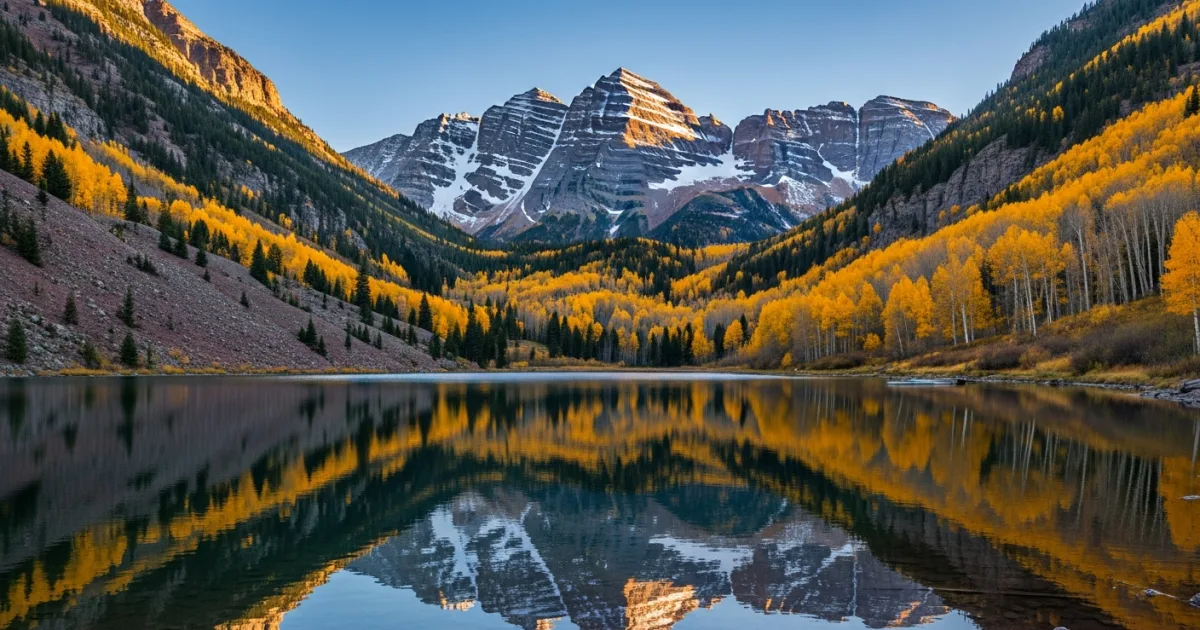
- The Maroon Bells: The most photographed peaks in North America, offering breathtaking scenery and excellent hiking.
- Cultural Events: Home to the Aspen Music Festival, Aspen Ideas Festival, and Food & Wine Classic.
- Luxury & Shopping: Downtown Aspen features designer boutiques, high-end art galleries, and luxurious spas.
- Year-Round Adventure: Exceptional mountain biking, fly fishing, and whitewater rafting in the summer months.
Things to Avoid
- Underestimating the Altitude: Don't push yourself too hard on the first day; altitude sickness can ruin a trip. Drink plenty of water and limit alcohol initially.
- Driving to the Maroon Bells in Summer: Avoid trying to drive your own car during peak hours; reservations for the shuttle are required and much more efficient.
- Ignoring Wildlife Safety: Never approach or feed bears, moose, or elk. Keep a safe distance and secure all trash.
- Skipping Sunscreen: The sun is significantly stronger at high altitudes, even on cloudy winter days.
Local Transportation Tips
Aspen is incredibly easy to navigate without a personal vehicle. The Roaring Fork Transportation Authority (RFTA) provides extensive, free bus service throughout Aspen and to the neighboring ski areas of Snowmass, Buttermilk, and Aspen Highlands. The downtown core is compact, flat, and highly pedestrian-friendly. For airport transfers or trips further down the valley, paid RFTA buses, taxis, and ride-share services are readily available. During the summer, biking is a popular and scenic way to get around town.
Travel Etiquette
- Trail Etiquette: Yield to uphill hikers and bikers. Leave no trace by packing out all trash.
- Ski Slope Rules: Always stay in control, yield to people downhill, and observe all posted signs and closures.
- Dress Code: Aspen embraces 'mountain casual.' While dining can be upscale, a nice sweater, jeans, and stylish boots are acceptable almost everywhere.
- Tipping: Standard US tipping customs apply; 18-22% at restaurants and a few dollars for valets, bellhops, and housekeeping.
Recommended Age Group
Aspen offers a diverse range of activities making it an excellent destination for various age groups, though the high altitude requires consideration for the very young and elderly.
- Babies (0-2 years): Neutral. While the town is stroller-friendly and beautiful, the high altitude can be difficult for infants to acclimate to, and childcare for skiing parents can be expensive.
- Kids (3-12 years): Recommended. Snowmass and Buttermilk offer world-class ski schools. Summer brings nature camps, easy hikes, and the Treehouse Kids' Adventure Center.
- Teens (13-19 years): Recommended. Excellent terrain parks for snowboarding, thrilling summer activities like whitewater rafting, and a safe, walkable downtown area.
- Adults (20-64 years): Recommended. Perfect for challenging outdoor sports, luxury shopping, fine dining, and vibrant après-ski nightlife.
- Seniors (65+ years): Recommended. Accessible gondola rides for stunning views, paved walking trails like the Rio Grande Trail, and world-class cultural events and classical music concerts.
Accessibility Level: Medium
- Public Transit: All RFTA buses are wheelchair accessible and equipped with ramps or lifts.
- Skiing: Challenge Aspen provides adaptive recreational and cultural experiences, including adaptive ski lessons and equipment.
- Attractions: The Silver Queen Gondola and Elk Camp Gondola are wheelchair accessible, allowing everyone to enjoy mountaintop views.
- Downtown: The downtown core features paved, flat sidewalks with curb cuts, though snow and ice in winter can occasionally pose challenges.
Did You Know?
Aspen was originally named Ute City after the Ute Indians who inhabited the area. It was renamed Aspen in 1880 due to the abundance of aspen trees in the region. Furthermore, Aspen Mountain is unique because it has no beginner runs—it is entirely composed of intermediate, advanced, and expert terrain.
Cool Statistics
- Elevation: 7,908 feet (2,410 meters) at the town level, with ski summits reaching over 11,000 feet.
- Skiable Acres: Over 5,500 acres across the four Aspen Snowmass mountains.
- Silver Boom: In the early 1890s, Aspen was the most productive silver-mining district in the United States.
- The Maroon Bells: Towering at over 14,000 feet, they are widely considered the most photographed mountains in North America.








Buy a compatible power adapter for your trip