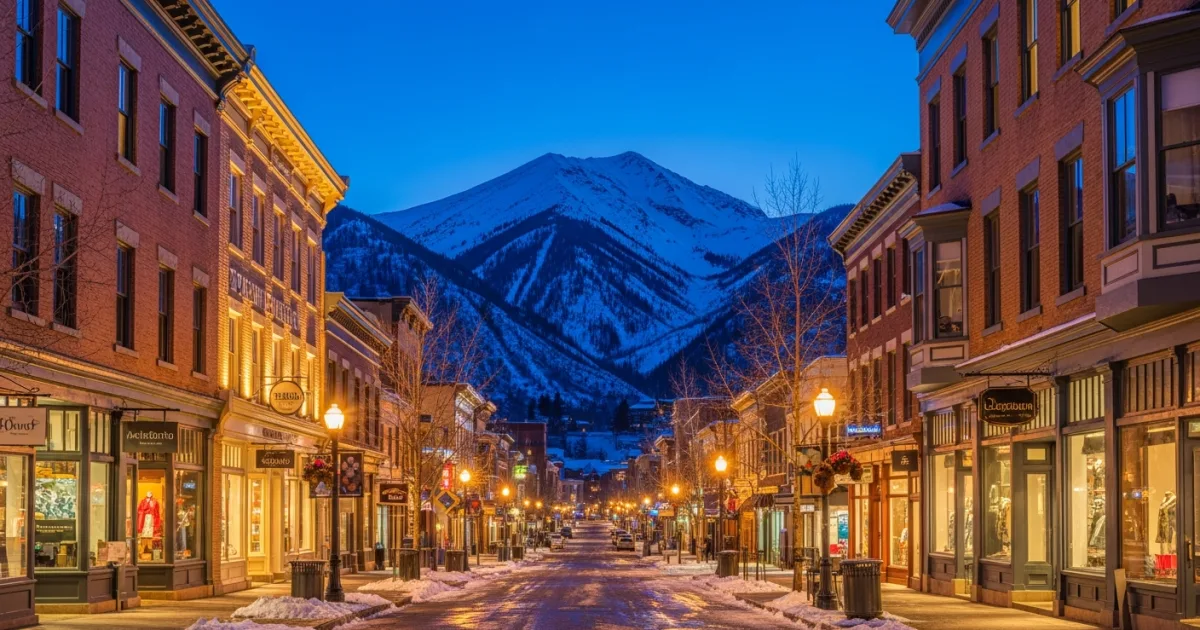
Downtown Aspen is a masterclass in preserving history while embracing modern luxury. Originally founded as a silver mining camp in the late 19th century, the town's grid layout is still defined by beautifully restored Victorian buildings, such as the iconic Wheeler Opera House and the Hotel Jerome. Today, these historic brick facades house some of the world's most exclusive designer boutiques, contemporary art galleries, and high-end real estate offices.
The neighborhood's energy is palpable, driven by a unique mix of hardcore outdoor enthusiasts and luxury-seeking jet-setters. In winter, the streets are filled with skiers carrying their gear to the Silver Queen Gondola, while summer brings a relaxed, culturally rich atmosphere highlighted by outdoor concerts, farmers' markets, and al fresco dining. Despite its global fame and wealth, Downtown Aspen retains a tight-knit community feel, anchored by its beautiful public parks and a shared reverence for the surrounding Rocky Mountain wilderness.
Reasons to Visit
- World-Class Skiing: Immediate access to Aspen Mountain, offering premier downhill skiing right from the town center.
- Luxury Shopping: A dense concentration of high-end designer boutiques, bespoke jewelers, and premium outdoor gear shops.
- Culinary Excellence: An extraordinary dining scene featuring everything from cozy mountain taverns to Michelin-recognized fine dining.
- Vibrant Arts & Culture: Home to the Aspen Art Museum, Wheeler Opera House, and numerous high-end galleries.
- Year-Round Recreation: Exceptional hiking, mountain biking, and fly-fishing in the summer months.
Things to Avoid
- Driving Downtown: Parking is expensive and limited. Rely on walking or the free public transit system instead.
- Underestimating the Altitude: Don't push yourself too hard on the first day; altitude sickness can ruin a trip.
- Visiting During Mud Season: Unless you are seeking extreme solitude and don't mind closed restaurants, avoid April, May, October, and November.
- Ignoring Wildlife Rules: Never leave food in your car or trash outside unsecured; bears are highly active in the area.
Local Transportation Tips
Downtown Aspen is incredibly pedestrian-friendly, with wide sidewalks, brick-paved pedestrian malls, and crosswalks at every corner. For traveling beyond the immediate downtown area, the Roaring Fork Transportation Authority (RFTA) provides an exemplary, free bus service that connects downtown to the Aspen Highlands, Buttermilk, and Snowmass ski areas, as well as the airport. Taxis and rideshares are available but can be scarce during peak times or late at night.
Travel Etiquette
- Dress Code: Embrace 'Aspen Casual'—stylish, high-quality clothing that is also practical for mountain weather. Leave the formal suits and stilettos at home.
- Tipping: Tipping 20% at restaurants and bars is standard and expected. Don't forget to tip ski instructors, valets, and housekeeping.
- Trail Etiquette: Yield to uphill hikers and bikers, and always pack out your trash to protect the pristine environment.
- Respect the Locals: Aspen has a strong local community; treat service workers and residents with respect and patience during busy peak seasons.
Recommended Age Group
Downtown Aspen offers a diverse range of activities that cater to almost every age group, though the high altitude and premium pricing are factors to consider.
- Babies (0-2 years): Neutral. The downtown area is stroller-friendly with paved sidewalks, but the high altitude can be difficult for infants to acclimate to.
- Kids (3-12 years): Recommended. Excellent ski schools, family-friendly parks like the John Denver Sanctuary, and interactive fountains in the pedestrian mall make it great for children.
- Teens (13-19 years): Recommended. Teens will love the world-class skiing, snowboarding, mountain biking, and the trendy shopping and café culture.
- Adults (20-64 years): Recommended. The ultimate playground for adults, offering luxury shopping, fine dining, vibrant nightlife, and challenging outdoor sports.
- Seniors (65+ years): Recommended. Highly suited for 'Silver Nomads' due to its flat, walkable downtown, luxury accommodations, accessible cultural events, and premium concierge services.
Accessibility Level: Medium
- Sidewalks: Downtown Aspen features wide, flat, and well-maintained sidewalks with curb cuts at almost every intersection, making it highly wheelchair accessible.
- Public Transit: All RFTA buses are equipped with wheelchair lifts or ramps and offer priority seating.
- Attractions: Major cultural sites like the Aspen Art Museum and the Wheeler Opera House are fully ADA compliant with elevators and accessible restrooms.
- Gondola Access: The Silver Queen Gondola can accommodate wheelchairs, allowing everyone to enjoy the summit views.
Did You Know?
Aspen was originally named 'Ute City' after the indigenous Ute people who inhabited the area. During the silver boom of the 1880s, Aspen became the largest silver-producing district in the United States, producing one-sixth of the nation's silver before the market crashed in 1893.
Cool Statistics
- Elevation: 7,908 feet (2,410 meters) above sea level.
- Dining Density: Downtown Aspen boasts over 100 restaurants and bars within a compact, walkable radius.
- Gondola Speed: The Silver Queen Gondola takes passengers from downtown to the 11,212-foot summit of Aspen Mountain in just 14 minutes.
- Historic Roots: The Hotel Jerome, located downtown, was built in 1889 and was one of the first buildings west of the Mississippi to have full electric lighting.








Buy a compatible power adapter for your trip