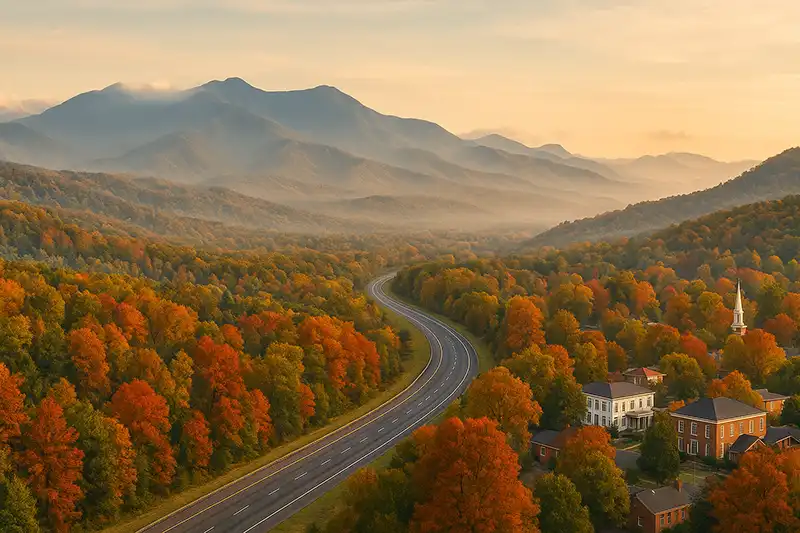
Tennessee's cultural legacy spans from Appalachian roots to world-renowned musical innovations. Nashville, while a cultural hub, is just one part of the state's story. Memphis honors blues and civil rights history, while the eastern region offers scenic drives, waterfalls, and mountain getaways. Chattanooga shines with its riverfront beauty and outdoor pursuits, and Knoxville combines historic preservation with youthful energy. Beyond cities, Tennessee’s small towns offer Civil War heritage, folk art, and local food experiences worth the detour. as "Music City," home to the Grand Ole Opry and the Country Music Hall of Fame. Memphis offers a deep dive into blues and rock 'n' roll history, with landmarks like Beale Street and Graceland. The state's natural attractions include the Great Smoky Mountains National Park, offering hiking, wildlife viewing, and breathtaking vistas. Culinary enthusiasts can savor authentic Southern cuisine, from Memphis barbecue to Nashville hot chicken.
Visitors can also explore Chattanooga’s scenic riverfront and Knoxville’s blend of urban culture and Appalachian charm. Festivals abound, including Bonnaroo Music & Arts Festival and the CMA Music Festival. Tennessee’s rich Civil War history, historic mansions, and artisan craft communities round out a multifaceted travel experience.
Reasons to Visit
- Explore iconic music landmarks in Nashville and Memphis.
- Experience the natural beauty of the Smoky Mountains.
- Enjoy diverse culinary delights unique to the South.
- Participate in vibrant festivals and cultural events year-round.
- Discover historical sites and museums detailing America's rich past.
Things to Avoid
- Underestimating summer humidity; stay hydrated and plan indoor activities during peak heat.
- Ignoring local traffic laws; always adhere to speed limits and road signs.
- Overlooking smaller towns; they often offer unique experiences and local charm.
Did You Know?
Tennessee is home to the most visited national park in the United States—the Great Smoky Mountains National Park—drawing millions of visitors annually.
Cool Tennessee Stats
- Music Heritage: Nashville hosts over 180 live music venues, solidifying its nickname "Music City."
- Tourism Impact: In 2024, Tennessee welcomed 147 million visitors, generating 31.7 billion dollars in direct visitor spending.
- Culinary Scene: Memphis boasts more than 100 barbecue restaurants, showcasing its rich food culture.
Accessibility Level: Medium
While major cities like Nashville and Memphis offer accessible public transport, accommodations, and attractions, rural areas and some natural parks may lack full accessibility.
Recommended Age Group
Tennessee is most suitable for Adults and Teens due to its vibrant music scene, outdoor adventures, and rich cultural heritage.
- Babies (0-2 years): Not recommended due to limited infant-specific attractions and the state's active, outdoor-oriented experiences.
- Kids (3-12 years): Recommended with supervision; attractions like Dollywood and aquariums offer family-friendly fun.
- Teens (13-19 years): Highly recommended; music venues, hiking trails, and interactive museums cater to this age group.
- Adults (20-64 years): Highly recommended; diverse activities from nightlife to historical sites suit varied interests.
- Seniors (65+ years): Recommended; scenic drives and cultural attractions provide enjoyable experiences, though some activities may require mobility considerations.
Getting Around
Tennessee spans nearly 500 miles east to west, so travel planning is essential. Major airports include Nashville International Airport (BNA) and Memphis International Airport (MEM), which serve as key entry points. Driving is the most practical way to explore, with interstates like I-40, I-65, I-75, and I-24 connecting cities and towns. Amtrak has limited service, with stops in Memphis and Newbern-Dyersburg via the City of New Orleans route.










Buy a compatible power adapter for your trip