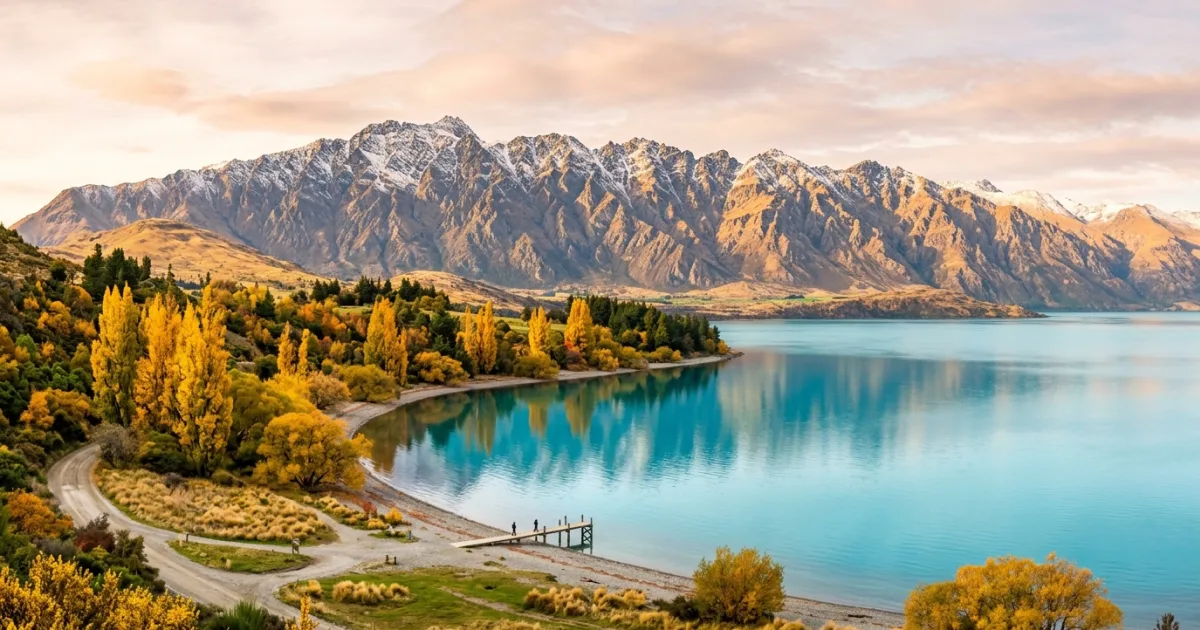
Otago occupies a premier position in New Zealand's geographic and cultural identity, covering 31,241 square kilometers of contrasting terrain in the southeastern South Island. From the Pacific shores of Dunedin through the arid, golden tussock country of the Maniototo to the soaring glaciated peaks of Mount Aspiring National Park, the region encompasses extreme shifts in geology, climate, and lifestyle within short driving distances.
Historically shaped by the Central Otago Gold Rush of the 1860s, the region retains preserved boomtown architecture in communities like Arrowtown, Lawrence, and Cromwell. Today, the economy thrives on world-class agriculture, boutique wine production, year-round eco-tourism, and outdoor recreation. The region's infrastructure seamlessly caters to adrenaline seekers, wine connoisseurs, cycle tourers, and wildlife photographers alike.
Reasons to Visit
- Diverse Alpine & Coastal Scenery: Transition from rugged ocean cliffs and rare seabird colonies on the coast to towering alpine peaks and fjord-like lakes in the west.
- World-Class Wine Region: Central Otago is internationally celebrated for exceptional cool-climate Pinot Noir produced across the Bannockburn, Gibbston, and Bendigo sub-regions.
- Unmatched Outdoor Adventure: Access premier multi-day hikes, bungy jumping, jet boating, mountain biking, and premier ski fields across the Southern Alps.
- Historic Rail Trails: Cycle the 152-kilometer Otago Central Rail Trail, traversing stone viaducts, old tunnels, and historic gold-mining settlements.
- Unique Native Wildlife: Encounter rare northern royal albatrosses, little blue penguins, and New Zealand fur seals on the Otago Peninsula.
Things to Avoid
- Avoid driving over high mountain passes (like the Crown Range) in winter without carrying chains and knowing how to fit them.
- Do not approach wildlife on Otago Peninsula beaches; keep at least a 20-meter distance from sleeping sea lions and nesting penguins.
- Avoid underestimating backcountry weather changes; even in mid-summer, temperatures in the alpine zones can plunge below freezing in hours.
- Do not light open campfires in Central Otago tussock lands, where high fire danger ratings persist throughout dry summer months.
Local Transportation Tips
Personal transport via rental vehicle or campervan offers maximum freedom across Otago's rural landscapes. State Highways 1, 6, and 8 connect the primary centers, though mountain passes require cautious driving. Dunedin and Queenstown operate localized public bus systems (Orbus), and commercial coaches like InterCity connect major regional towns. Dedicated shuttle companies service the Otago Central Rail Trail and mountain trailheads.
Travel Etiquette
- Tiaki Promise: Honor New Zealand's national commitment to care for land, ocean, and nature by taking all litter with you and respecting sacred Māori sites.
- Freedom Camping: Camp only in designated Department of Conservation (DOC) campsites or official holiday parks unless your vehicle is fully certified self-contained.
- Drone Regulations: Flying drones over conservation land, DOC reserves, and near wildlife colonies requires prior Department of Conservation permits.
- Tipping: Tipping is not customary in New Zealand hospitality; exceptional service may be rewarded at your discretion, but it is never expected.
Recommended Age Group
Otago provides expansive attractions across every generation, though the physical nature of many highlights influences suitability.
- Babies (0-2 years): Neutral. Long drives between regional towns and winding alpine roads can be tiring for infants, though major lakeside hubs provide full modern amenities.
- Kids (3-12 years): Recommended. Families love the Queenstown Skyline Gondola, steamship cruises on the TSS Earnslaw, wildlife encounters on the Otago Peninsula, and safe cycle tracks.
- Teens (13-19 years): Recommended. World-class action sports including jet boating, bungy jumping, skiing, and downhill mountain biking make Otago an unmatched destination for teens.
- Adults (20-64 years): Recommended. Perfect balance of boutique vineyard tastings, multi-day alpine tramping, craft gastronomy, luxury lodges, and scenic road journeys.
- Seniors (65+ years): Recommended. Scenic driving routes, historic gold rush architecture, gentle boat cruises, botanical gardens, and world-class wine touring offer accessible comfort.
Accessibility Level: Medium
- Major tourist attractions such as the Queenstown Gondola, TSS Earnslaw, and Dunedin's Toitū Otago Settlers Museum feature step-free wheelchair access and accessible facilities.
- Town centers like Queenstown, Wanaka, and Dunedin have paved pedestrian zones, though Dunedin's steep residential topography (including Baldwin Street) can present mobility challenges.
- Public transport buses in Dunedin and Queenstown are equipped with low-floor kneeling mechanisms and wheelchair boarding ramps.
- Accessible Department of Conservation short walks, such as the Lake Matheson and Queenstown Gardens loops, provide paved or hard-packed gravel trails suitable for wheelchairs and strollers.
Did You Know?
Taiaroa Head on the tip of the Otago Peninsula is home to the world's only mainland breeding colony of northern royal albatross, birds boasting a massive wingspan exceeding three meters.
Cool Statistics
- Area: 31,241 square kilometers
- Southernmost commercial wine region on Earth (Central Otago, 45° South)
- Contains the deepest lake in New Zealand (Lake Hauroko nearby, with Lake Wakatipu reaching 380 meters deep)
- Annual sunshine hours in Central Otago exceed 2,000 hours per year






Buy a compatible power adapter for your trip