Disclosure: This site contains affiliate links. We may earn a commission if you make a purchase, at no extra cost to you.

>
>
>
>
>
Villarrica Volcano

Villarrica Volcano

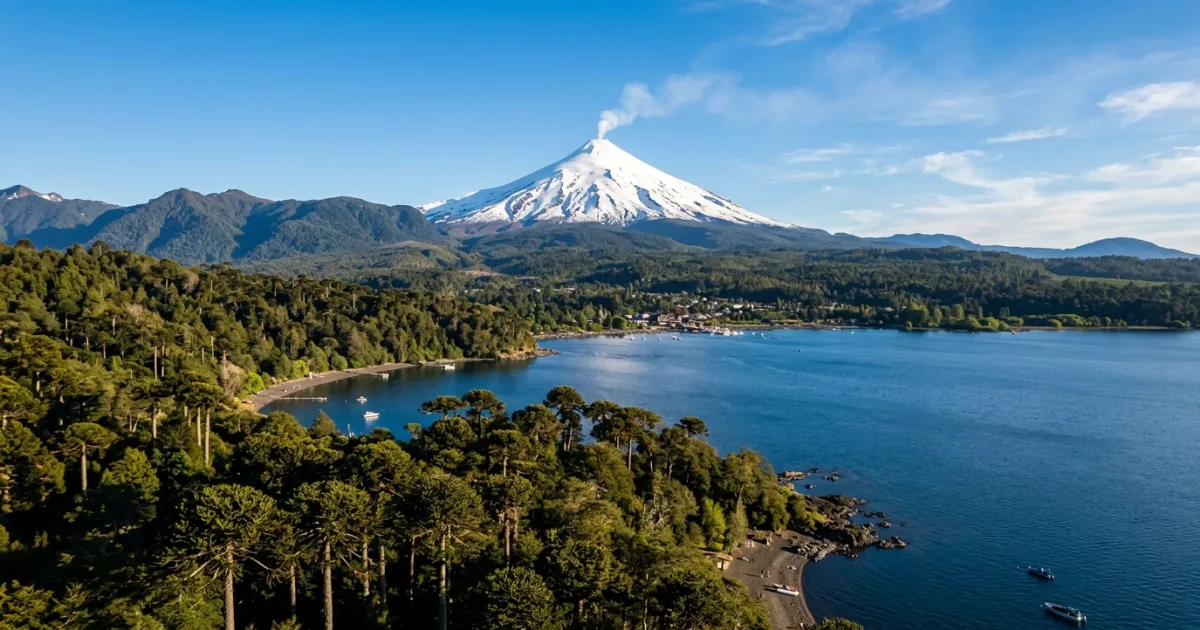
Snow-capped Villarrica Volcano towering over a blue lake and green forests

Villarrica Volcano Overview & Key Highlights

Villarrica Volcano is one of Chile's most active and prominent volcanoes, towering 2,860 meters above the lake and town of Pucón. Known locally by its Mapuche name, Rucapillán (House of the Spirit), it offers adventurers the rare opportunity to peer into an open crater containing a bubbling lava lake. The ascent requires physical stamina and proper mountaineering gear, typically undertaken with certified local guides who provide crampons, ice axes, and comprehensive safety briefings before the climb begins. Reaching the summit rewards climbers with panoramic views of the surrounding Andean lakes, lush national parks, and neighboring volcanic peaks like Quetrupillán and Lanín. During the winter months, the lower slopes transform into a popular ski center, while summer attracts thousands of trekkers seeking the thrill of the climb. Whether you are sliding down the snow-covered slopes on a plastic toboggan after a grueling hike or photographing its perfectly conical, snow-capped peak from the shores of Villarrica Lake, this destination is a cornerstone of the Chilean Lake District experience.

Villarrica Volcano Travel Guide: Logistics & In-Depth Tips

The Villarrica Volcano, standing at 2,860 meters (9,380 feet), is a stratovolcano located in the Andes of southern Chile. It is one of the few volcanoes worldwide known to have an active lava lake within its crater. The surrounding Villarrica National Park protects a diverse ecosystem, including ancient Araucaria (monkey puzzle) forests and native wildlife such as pumas and Andean foxes.

For adventure travelers, the guided ascent is a rite of passage. The journey begins before dawn, with climbers navigating scree, snow, and glacial ice. The descent is often the highlight for many, as climbers use small plastic sleds to slide down the snow-covered slopes, turning a grueling descent into an exhilarating ride. Beyond climbing, the volcano's lower reaches offer volcanic caves to explore and thermal hot springs nearby to soothe aching muscles post-trek.

Reasons to Visit

  • Experience the rare thrill of peering into the crater of an active volcano.
  • Enjoy unparalleled panoramic views of the Chilean Lake District, including multiple lakes and neighboring peaks.
  • Participate in a challenging but accessible mountaineering experience with professional guides.
  • Slide down the snowy slopes on a toboggan for a fun and fast descent.
  • Explore the surrounding Villarrica National Park, rich in endemic flora and fauna.

Things to Avoid

  • Avoid booking with unregistered or unusually cheap tour operators; safety and quality gear are paramount.
  • Do not attempt the climb if you are feeling unwell or lack basic physical fitness.
  • Avoid ignoring the guide's instructions, especially regarding pacing and safety protocols on the ice.
  • Do not leave any trash on the mountain; practice strict Leave No Trace principles.

Local Transportation Tips

Pucón serves as the basecamp for Villarrica Volcano. Most tour agencies include round-trip transportation from their offices in Pucón to the base of the volcano (the ski center) in their package prices. If you are visiting the national park independently for lower-elevation hikes or the ski resort, you can rent a car or hire a local taxi, though a 4x4 vehicle is recommended during the winter months due to snowy and muddy roads.

Travel Etiquette

  • Respect the mountain and local Mapuche culture, which considers the volcano (Rucapillán) a sacred site.
  • Listen attentively to your guides and do not wander away from your group.
  • Yield to climbers ascending if you are on your way down, though guides will manage trail etiquette.
  • Tip your guides; it is customary and highly appreciated for their hard work in keeping you safe.

Recommended Age Group

Climbing Villarrica Volcano is a strenuous, high-altitude physical activity that requires stamina and resilience.

  • Babies (0-2 years): Not Recommended. Extreme altitude, freezing temperatures, and physical exertion make it impossible.
  • Kids (3-12 years): Not Recommended. The climb is strenuous, requires technical gear, and is unsafe for young children.
  • Teens (13-19 years): Recommended. Older, physically fit teens can manage the guided ascent, provided they have the stamina and maturity to follow safety instructions.
  • Adults (20-64 years): Recommended. This is the prime demographic for this physically demanding adventure.
  • Seniors (65+ years): Not Recommended. The high physical strain, steep inclines, and icy terrain make it unsuitable for most seniors, though exceptionally fit individuals with mountaineering experience might be exceptions.

Accessibility Level: Medium

  • The summit climb is not wheelchair accessible and is unsuitable for individuals with mobility impairments.
  • The base of the volcano and the ski center have limited accessibility, with uneven terrain and snow.
  • Some lower-elevation trails in Villarrica National Park may be manageable for those with mild mobility issues, but specialized accessible infrastructure is lacking.
  • Travelers with respiratory or heart conditions should consult a doctor before attempting the high-altitude ascent.

Did You Know?

Villarrica is known in the indigenous Mapuche language as 'Rucapillán', which translates to 'House of the Spirit' or 'House of the Demon'. The Mapuche people believed that the volcano was inhabited by powerful spirits that controlled the weather and volcanic eruptions.

Cool Statistics

  • Elevation: 2,860 meters (9,380 feet) above sea level.
  • Last major eruption: March 3, 2015, which forced the evacuation of thousands of nearby residents.
  • Crater diameter: Approximately 200 meters across.
  • Annual visitors: Over 15,000 people attempt the summit climb each year during the summer season.

Address:

Villarrica Volcano, Pucón, Chile

Find Nearby Accommodations

Basic Info

address icon

COUNTRY & Region

Chile,
South America

ACCESSIBILITY LEVEL​

Medium
Currency icon

LOCAL CURRENCY​

Chilean Peso (CLP)
Price level icon
Medium
Safety Level icon

SAFETY LEVEL

Duration icon

Recommended Duration

• Full day
• 1-7 days

Electricity

electricity icon

Electricity

220-240V, 
50Hz
Plug Socket icon

Plug Type

• Type C (Round pin)
• Type L (Three round pins in line)
Plug types
Click To View Plug Types
Villarrica Volcano is part of our
Conscious Travel collection

Activities To Do In Villarrica Volcano

Best Time To Visit Villarrica Volcano

The best time to climb Villarrica Volcano is during the Southern Hemisphere's summer months, from December to March, when the weather is most stable and the skies are clear.

  • December - March: Peak climbing season with warmer base temperatures and clearer summit visibility.
  • July - September: Ideal for winter sports enthusiasts looking to ski or snowboard on the lower slopes.
  • April - June & October - November: Shoulder seasons with unpredictable weather; climbs are frequently canceled due to high winds or storms.

Average Temperatures Per Month

Remember to check the weather forecast a few days before the trip and before heading to the airport.

Safety Level icon

Safety Level

Villarrica is an active volcano, and ascents are strictly regulated by CONAF (National Forestry Corporation). Always climb with a certified, registered guide. Weather conditions can change rapidly, leading to sudden drops in temperature and whiteout conditions; listen to your guide and turn back if instructed. Pay attention to volcanic activity alerts, as the crater occasionally emits toxic gases or experiences increased seismic activity, which can lead to park closures.

The rating is based on multi-year peace, crime, and security indices. Before you go, always verify current conditions through official government travel advisories.

Emergency Numbers

Police: 133
Ambulance: 131

No internet needed • Includes local translations • Free for TravelingWiz readers

Spoken Languages

Spanish is the primary language. Many tour guides and agency staff in Pucón speak English, but locals outside the tourism sector may only speak Spanish.

Learn The Language

  • Hola (Hello)
  • Gracias (Thank you)
  • ¿Cuánto cuesta? (How much does it cost?)
  • ¿Dónde está el baño? (Where is the bathroom?)
  • Necesito ayuda (I need help)
  • Una mesa para dos, por favor (A table for two, please)
  • La cuenta, por favor (The bill, please)
  • ¿Habla inglés? (Do you speak English?)
Travel Booking Partner - TravelingWiz

Trip Cost & Budgeting for Villarrica Volcano, 2026

Everything you need to know about money while traveling
Is Villarrica Volcano expensive for tourists in 2026? It is moderately priced for South America, though affordable compared to North America or Europe. Based on our Human Verified prices, expect to pay around 2,500 CLP for a cappuccino, 3,800 CLP for a domestic beer, and 16,000 CLP for a main meal at a mid-range restaurant in Pucón or Villarrica. Use the data table below to calculate your specific daily budget based on your travel style.
Currency icon

LOCAL CURRENCY​:

Chilean Peso (CLP)
Price level icon
Medium
Credit cards are widely accepted across Pucón and Villarrica, but small local vendors, taxis, and park entrances require cash.

Per person, per day – pocket cash for small purchases.

Local: 11500
Chilean Peso (CLP)
≈ 12 USD

Full daily spend estimation (accommodation, food, transportation, attractions).

Travel Style
Chilean Peso (CLP)
≈ USD ($)
Budget
63250
69
Mid-range
115000
125
Comfort
253000
274

The Prices, Daily costs, and calculator results are estimates for planning purposes only. Actual costs may vary based on season, booking timing, personal spending habits, and currency fluctuations. TravelingWiz cannot be held responsible for discrepancies between these estimates and your final trip expenses.

  • • Take local colectivo shared taxis or regional buses between Pucón and Villarrica instead of private transfers to save on transport.
  • • Eat at traditional local eateries or opt for the fixed-price daily lunch menu (menú del día) for authentic, cheap meals.
  • • Book volcano climbing tours and rental gear directly with registered local agencies in town rather than via high-commission hotel desks.
  • • Visit free public beaches on Lake Villarrica and take public buses to self-organize hikes in Huerquehue National Park rather than buying organized tours.

Pre-Order Tickets

Avoid disappointment when tickets sell out — and skip the long lines by booking online in advance. You’ll often save up to 20% too.
Save up to 20%

Travel Discounts & Coupons

Save on hotels, attractions, transport, and gear — find verified discounts for smarter travel spending.
Verified Coupons

What To Pack

  • Sturdy, waterproof hiking boots with good ankle support.
  • Layered clothing, including a moisture-wicking base layer, insulating fleece, and a windproof/waterproof jacket.
  • High-SPF sunscreen, sunglasses, and lip balm to protect against intense high-altitude UV rays.
  • A comfortable daypack to carry water, high-energy snacks, and extra layers.
  • Warm gloves and a beanie, as temperatures at the summit are freezing year-round.
We couldn't find tips for Villarrica Volcano.
If you got any, please share

Recommended Itineraries for Traveling to Villarrica Volcano

We couldn't find itineraries for Villarrica Volcano.
you can contact us for custom trip plan

Food & Drink Highlights

Local Food Overview

The Lake District is famous for its hearty, comforting cuisine that blends indigenous Mapuche traditions with German settler influences. After a grueling volcano climb, local dishes provide the perfect high-calorie replenishment.
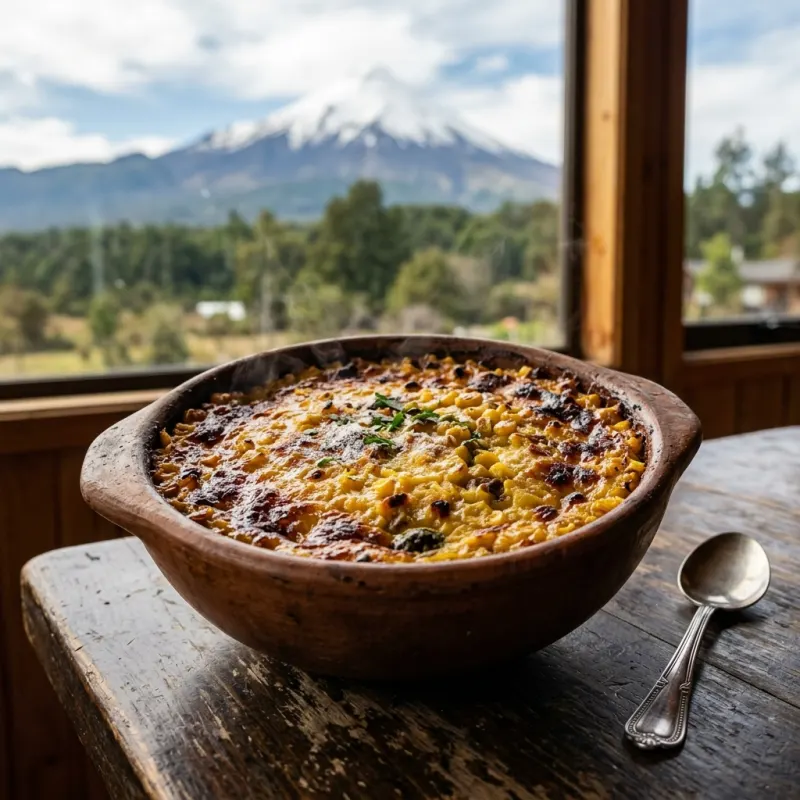
A traditional clay bowl of baked Pastel de Choclo

Must Try Dish

Pastel de Choclo - A traditional Chilean dish made of sweetcorn paste baked over a mixture of ground beef, chicken, onions, black olives, and hard-boiled eggs. It offers a perfect balance of sweet and savory flavors, ideal for refueling after a strenuous volcano hike.
Food Experiences Title Icon

Food
Experiences

Discover cooking classes, tastings and local food tours

No food experience found
Maya, the human travel expert at TravelingWiz, offering curated, non-AI expertise

Maya’s Final Checklist for Villarrica Volcano

Logistics shouldn’t be the focus of your trip—the experience should. I’ve hand-vetted these essential partners to ensure your arrival, stay, and exploration are as smooth as an Athenian breeze.

Where to Stay

From boutique hotels to local apartments—compare thousands of options and find the perfect stay in the best neighborhood.

Air Travel

Getting there should be seamless. Compare the best routes and prices across top airlines to start your journey on the right note.

Local Guides

Connect with experts who know the destination best. Get personalized advice and insider tips to help you plan your perfect trip.

Travel Protection

The “Engineer’s” rule: always have a backup. Secure your trip with a plan that covers every “what if” and unexpected change.

Car Rentals

Explore at your own pace with total freedom. Compare reliable rental options and find the right vehicle for your adventure.

Visa Services

Don’t let paperwork slow you down. Get expert assistance with your application to ensure all your entry documents are in order.

FAQs

No prior technical mountaineering experience is required, but you must be in excellent physical condition. The guides will teach you how to use crampons and an ice ax.
No, CONAF regulations require all climbers to be accompanied by certified local guides due to the active nature of the volcano and the technical terrain.
The ascent typically takes 4 to 6 hours depending on the group’s pace and snow conditions, while the descent takes about 2 to 3 hours.
Seeing lava is not guaranteed. The magma level fluctuates, and while you will see the smoking crater and smell sulfur, visible lava depends on current volcanic activity.

Your Insights Matter

TravelingWiz grows through the stories of our community. If you’ve recently explored ,Villarrica Volcano share your tips and stories to help us perfect our guides for the next traveler.

Related Articles

Check out our related articles and blog posts to learn even more about the destination.

No related articles found

Don’t Travel Alone

Share with your friends and family

Where should we send your offline card?

We hate spam just as much as you do

newsletter_consent *