Disclosure: This site contains affiliate links. We may earn a commission if you make a purchase, at no extra cost to you.
Saint-Elie

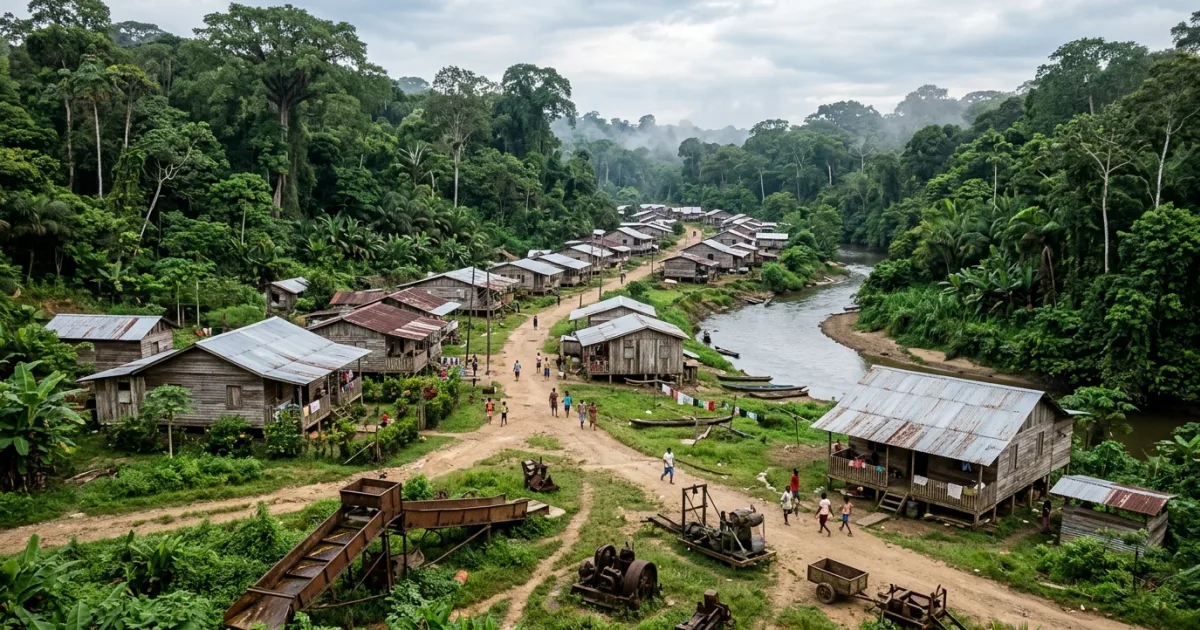
Panoramic view of Saint-Elie village surrounded by primary Amazonian rainforest in French Guiana

Basic Info

COUNTRY & Region

French Guiana,
South America

ACCESSIBILITY LEVEL​

  • High: Widely accessible with good facilities for disabilities.
  • Medium: Some accessible options, but limitations exist.
  • Low: Limited accessibility; many barriers for disabilities.

LOCAL CURRENCY​

Euro (EUR)

Price Level

Low – budget‑friendly basics

Medium – moderate mid‑range costs

High – pricey lodging, dining & transport

High

SAFETY LEVEL

5 shields = Excellent – very low crime or conflict.

4 shields = Safe – low risk, routine care.

3 shields = Relatively safe – use normal street smarts.

2 shields = Use caution – higher crime or periodic unrest.

1 shields = Avoid – active conflict or extreme danger.

Scores are derived from multi-year peace, homicide and security indices blended into a single 1-to-5 scale.

Recommended Duration

1-7 days, Full day

Saint-Elie Overview & Key Highlights

Saint-Elie is a historic gold-mining settlement situated deep within the equatorial rainforest of French Guiana, accessible primarily via watercraft across the Petit-Saut hydroelectric reservoir lake. Established during the 19th-century gold rush, the commune preserves artifacts and remnants of early mining attempts, including the disused tracks of the Decauville industrial railway that once threaded the dense jungle canopy. Modern visitors travel to Saint-Elie to experience raw Amazonian biodiversity, exceptional sport fishing on the Sinnamary River system, and off-grid wilderness immersion. A journey here demands self-sufficiency, logistical preparation with licensed river transporters, and an appetite for expeditions far removed from standard tourist infrastructure.

Saint-Elie Travel Guide: Logistics & In-Depth Tips

Saint-Elie stands as one of the most secluded inhabited communities in French Guiana, nestled in the heart of the Guiana Shield rainforest. Originally developed during the 19th century after substantial alluvial gold deposits were discovered along local creeks, it became the epicentre of an inland gold rush that prompted the construction of early transport networks, including a specialized Decauville industrial tramway. Today, the town offers a distinct window into equatorial frontier life, balancing its mining heritage with pristine rainforest ecology and conservation initiatives around the Sinnamary River basin.

Reasons to Visit

  • Explore historical relics, engines, and tracks from the historic 19th-century gold rush era.
  • Navigate the eerie, surreal flooded forests of the Petit-Saut hydroelectric reservoir lake.
  • Encounter untouched Amazonian biodiversity, including diverse birdlife, primates, and giant river otters.
  • Experience authentic French Guianese interior Creole culture far removed from the coastal towns.

Things to Avoid

  • Do not attempt to cross Lake Petit-Saut without a licensed boat operator who understands the submerged tree hazards.
  • Do not wander off marked trails into uncharted jungle, which risks encounters with illegal mining camps.
  • Avoid traveling without confirmed return boat arrangements, as pirogue schedules can be infrequent.
  • Do not drink untreated river or tap water without boiling or using fine-particle filtration.

Local Transportation Tips

Transportation is exclusively waterborne and off-road. Access from the coastal highway system ends at Dégrad Saramaca, from which travelers charter a motorized wooden pirogue across the Petit-Saut lake. Once at the Saint-Elie landing, local 4x4 tracks or walking trails connect to the village center.

Travel Etiquette

  • Always greet residents with a polite 'Bonjour' before asking for directions or services.
  • Ask permission before photographing local gold miners, river boatmen, or private dwellings.
  • Adhere to a strict 'pack it in, pack it out' waste policy to protect fragile rainforest ecosystems.

Recommended Age Group

Saint-Elie is an intense wilderness destination demanding physical stamina, logistical resilience, and health precautions that make it suitable primarily for self-reliant travelers.

  • Babies (0-2 years): Not Recommended. Extreme isolation, medical distance, high heat, and endemic mosquito-borne diseases make it unsuitable for infants.
  • Kids (3-12 years): Not Recommended. Lengthy open boat journeys across reservoir waters and primitive trail infrastructure pose significant safety concerns.
  • Teens (13-19 years): Neutral. Adventurous older teens with outdoor survival skills and strong swimming abilities may appreciate the expedition nature of the trip.
  • Adults (20-64 years): Recommended. Ideal for hikers, nature photographers, researchers, and history enthusiasts accustomed to tropical backcountry travel.
  • Seniors (65+ years): Not Recommended. Uneven terrain, boat boarding requirements without docks, and absence of prompt emergency medical care present severe risks.

Accessibility Level: undefined

  • Boat embarkation points at Dégrad Saramaca feature natural clay ramps without handrails or docks, making wheelchair access impossible.
  • Village roads consist of dirt tracks and crushed laterite that become deep mud during rain.
  • No barrier-free facilities, ramps, or accessible public transport exist in the commune.

Did You Know?

The construction of the Petit-Saut hydroelectric dam in the 1990s permanently altered access to Saint-Elie, flooding thousands of hectares of forest and cutting off former overland roads, transforming the settlement into an island-like jungle outpost.

Cool Statistics

  • Established in 1878 following the discovery of the Saint-Elie gold vein.
  • Located roughly 150 kilometers west-northwest of Cayenne in the interior.
  • Encompasses over 5,600 square kilometers of mostly uninhabited tropical rainforest.

Address:

Saint-Elie, French Guiana

Find Nearby Accommodations

Electricity

220-240V, 
50Hz

Plug Type

Type C (Round pin), Type E (Two round pins with earth pin)
Plug types
Click To View Plug Types
Saint-Elie is part of our
Astrotourism collection

Activities To Do In Saint-Elie

Best Time To Visit Saint-Elie

Travel to Saint-Elie is best planned around French Guiana's equatorial precipitation cycles, prioritizing drier months for safer river navigation and less muddy jungle trails.

  • Dry Season (August to November): The most favorable window with reduced rainfall, firmer trails, and predictable boat operations across Lake Petit-Saut.
  • Little Summer of March (Mid-February to March): A brief interlude of sunny weather offering favorable trekking conditions during the wider wet season.
  • Major Rainy Season (April to July): Characterized by torrential downpours, flooded tracks, and challenging lake navigation; recommended only for experienced expedition travelers.

Average Temperatures Per Month

Average monthly temperaturesMonthly source values, with Celsius and Fahrenheit equivalents in the following data table.15°59°20°68°25°77°30°86°35°95°JanJan: 24°C / 75°FFebFeb: 24°C / 75°FMarMar: 25°C / 77°FAprApr: 25°C / 77°FMayMay: 24°C / 75°FJunJun: 24°C / 75°FJulJul: 25°C / 77°FAugAug: 25°C / 77°FSepSep: 26°C / 79°FOctOct: 27°C / 81°FNovNov: 25°C / 77°FDecDec: 24°C / 75°F
View temperature data
Average monthly temperatures
Month°C°F
Jan2475
Feb2475
Mar2577
Apr2577
May2475
Jun2475
Jul2577
Aug2577
Sep2679
Oct2781
Nov2577
Dec2475

Remember to check the weather forecast a few days before the trip and before heading to the airport.

Safety Level

5 shields = Excellent – very low crime or conflict.

4 shields = Safe – low risk, routine care.

3 shields = Relatively safe – use normal street smarts.

2 shields = Use caution – higher crime or periodic unrest.

1 shields = Avoid – active conflict or extreme danger.

Scores are derived from multi-year peace, homicide and security indices blended into a single 1-to-5 scale.

Remain exclusively on verified trails and travel with certified local guides; unlicensed gold prospectors (garimpeiros) operate in clandestine sections of the surrounding rainforest. Wear life vests during the open-water pirogue crossing over Lake Petit-Saut, where submerged dead tree trunks present navigational hazards. Verify yellow fever immunization and take recommended malaria precautions prior to departure.

The rating is based on multi-year peace, crime, and security indices. Before you go, always verify current conditions through official government travel advisories.

Emergency Numbers

Police: 17
Ambulance: 15

No internet needed • Includes local translations • Free for TravelingWiz readers

Spoken Languages

French (official), Guianese Creole, Wayana/Teko indigenous dialects, and Brazilian Portuguese among miners.
Travel Booking Partner - TravelingWiz

Learn The Language

  • Bonjour: Hello
  • Merci: Thank you
  • S’il vous plaît: Please
  • Où est le dégrad?: Where is the boat launch?
  • À quelle heure part la pirogue?: What time does the boat leave?
  • De l’eau potable: Drinking water
  • Aidez-moi: Help me
  • Au revoir: Goodbye

Trip Cost & Budgeting for Saint-Elie, 2026

Everything you need to know about money while traveling
Is Saint-Elie expensive for tourists in 2026? Yes, visiting Saint-Elie and French Guiana is surprisingly costly due to imported French goods and high remote transit fees. With Human Verified prices, expect to pay around €3.50 for a coffee, €6.00 for a local pint of beer, and €22.00 for a standard restaurant meal. Deep jungle transfers further increase overall expenses. Use the data table below to calculate your specific daily budget based on your travel style.

LOCAL CURRENCY​:

Euro (EUR)

Price Level:

Low – budget‑friendly basics

Medium – moderate mid‑range costs

High – pricey lodging, dining & transport

High

Cards Vs. Cash

In Saint-Elie, cash is mandatory for all daily purchases as card readers and bank ATMs are absent.

How Much Cash to Carry (on you)

Per person, per day – pocket cash for small purchases.

Local: 14
Euro (EUR)
≈ 15 USD

Average Daily Costs (per person)

Full daily spend estimation (accommodation, food, transportation, attractions).

Travel Style
Euro (EUR)
≈ USD ($)
Budget
75
82
Mid-range
140
154
Comfort
310
340
Note

The Prices, Daily costs, and calculator results are estimates for planning purposes only. Actual costs may vary based on season, booking timing, personal spending habits, and currency fluctuations. TravelingWiz cannot be held responsible for discrepancies between these estimates and your final trip expenses.

Best Value Tips

  • • Withdraw plenty of cash in Cayenne or Kourou before traveling inland, as there are no ATMs in Saint-Elie.
  • • Rent a hammock with a mosquito net and stay in local open-air carbets rather than searching for costly private lodges.
  • • Buy food and supplies at coastal supermarkets in Kourou or Cayenne to avoid high prices on remote jungle goods.
  • • Share pirogue river transport costs with other travelers heading along the Petit-Saut lake and river routes.

Tours & Tickets

Explore tours, attractions, and ticket options to plan your visit.
Plan ahead

Travel Offers & Coupons

Browse travel offers and coupons from our affiliate partners.
Affiliate partner offers

What To Pack

  • High-concentration DEET or picaridin insect repellent
  • Waterproof dry bags for boat crossings on Lake Petit-Saut
  • Lightweight, quick-drying long-sleeve shirts and trousers
  • Sturdy, water-resistant hiking boots with aggressive tread
  • Personal water purification filter or chlorine dioxide tablets
  • Compact LED headlamp with spare batteries or solar bank
  • Yellow fever vaccination certificate and malaria prophylaxis
Only the good stuff!
Browse recommended travel gear
Check out our free packing list tool

Recommended Itineraries for Traveling to Saint-Elie

Take your itinerary with you

Choose a ready-made itinerary, plan your own trip, and keep TravelingWiz by your side while you travel.

Get the TravelingWiz app

Food & Drink Highlights

Local Food Overview

Dining in Saint-Elie reflects Guianese Creole traditions fused with subsistence river provisions. Dishes feature local freshwater catches such as aïmara or coumarou, wild game prepared in spicy sauces, cassava meal (couac), and hearty Creole stews designed to fuel demanding outdoor labor.

Must Try Dish

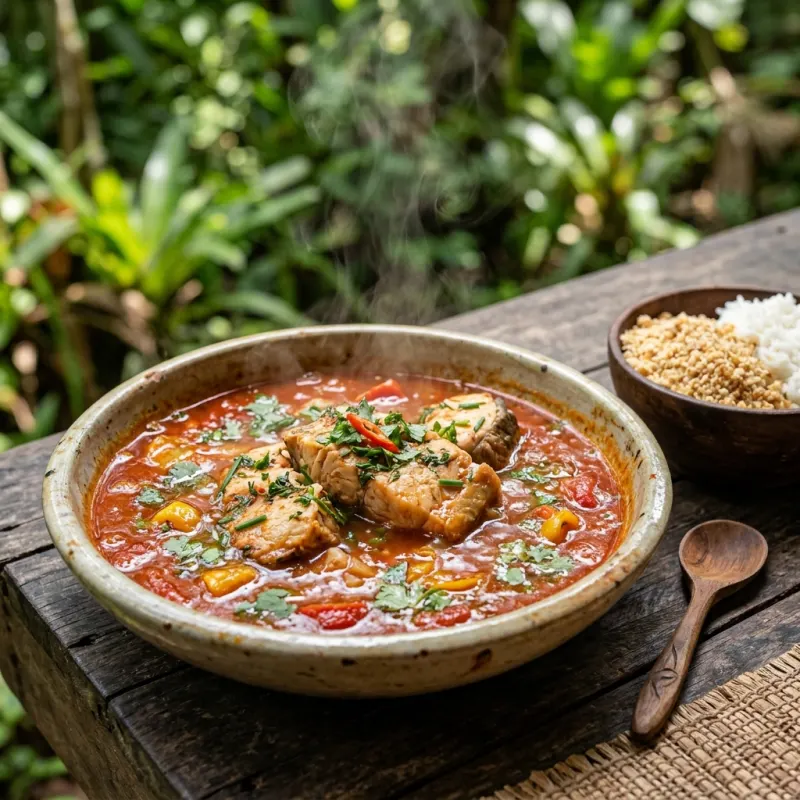
Pimentade d'Aïmara - A spicy, tomato-based Creole fish court-bouillon made with freshly caught local river fish, scotch bonnet peppers, lime, and garlic, served over fragrant white rice and toasted couac cassava meal.
Pimentade d'Aimara traditional Guianese spicy river fish stew

Maya’s Final Checklist for Saint-Elie

Logistics shouldn’t be the focus of your trip—the experience should. I’ve hand-vetted these essential partners to ensure your arrival, stay, and exploration are as smooth as an Athenian breeze.

Maya, the human travel expert at TravelingWiz, offering curated, non-AI expertise

Where to Stay

Compare accommodation options and choose a stay that suits your plans and budget.

Air Travel

Compare flight options and find a route that fits your plans.

Local Guides

Connect with local guides for personalized help planning and exploring.

Travel Protection

The “Engineer’s” rule: always have a backup. Secure your trip with a plan that covers every “what if” and unexpected change.

Car Rentals

Compare rental options and choose a car that suits your trip.

Visa Information

Don’t let paperwork slow you down. Get expert assistance with your application to ensure all your entry documents are in order.

FAQs

Travelers drive from Kourou or Cayenne along the RN1 and route de Petit-Saut to Dégrad Saramaca, followed by a 2 to 3-hour motorized pirogue journey across the Petit-Saut reservoir lake to reach the Saint-Elie landing track.
Cellular connectivity is very limited and frequently non-existent away from the village center. A satellite communicator or offline navigation map is strongly advised.
Travel is secure if visitors stick to the village center, use recognized boat captains, and avoid unguided bushwhacking into areas where illegal gold mining occurs.

Your Insights Matter

TravelingWiz grows through the stories of our community. If you’ve recently explored ,Saint-Elie share your tips and stories to help us perfect our guides for the next traveler.

Where should we send your offline card?

We hate spam just as much as you do

newsletter_consent *