Elevation plays a critical role in the region's geography, with the capital city situated at 2,328 meters above sea level. The tectonic activity of the Andes has shaped the landscape, resulting in over 80 volcanoes in the broader southern volcanic zone, including the active Sabancaya volcano. The region's climate is predominantly arid, receiving over 300 days of sunshine annually, which heavily influences both the agricultural cycles in the terraced valleys and the preservation of colonial architecture in the urban centers.
The historical trajectory of Arequipa is deeply tied to its indigenous roots and subsequent Spanish colonization. Founded in 1540 by Garcí Manuel de Carbajal, the city quickly became a crucial commercial hub between the silver mines of Potosí and the coastal ports. The frequent seismic activity in the region forced architects to develop a unique building style utilizing sillar, a porous volcanic rock that absorbs shock waves. This architectural adaptation is most visible in the historic center, where thick walls, vaulted ceilings, and intricate baroque facades dominate the urban landscape.
Reasons to Visit
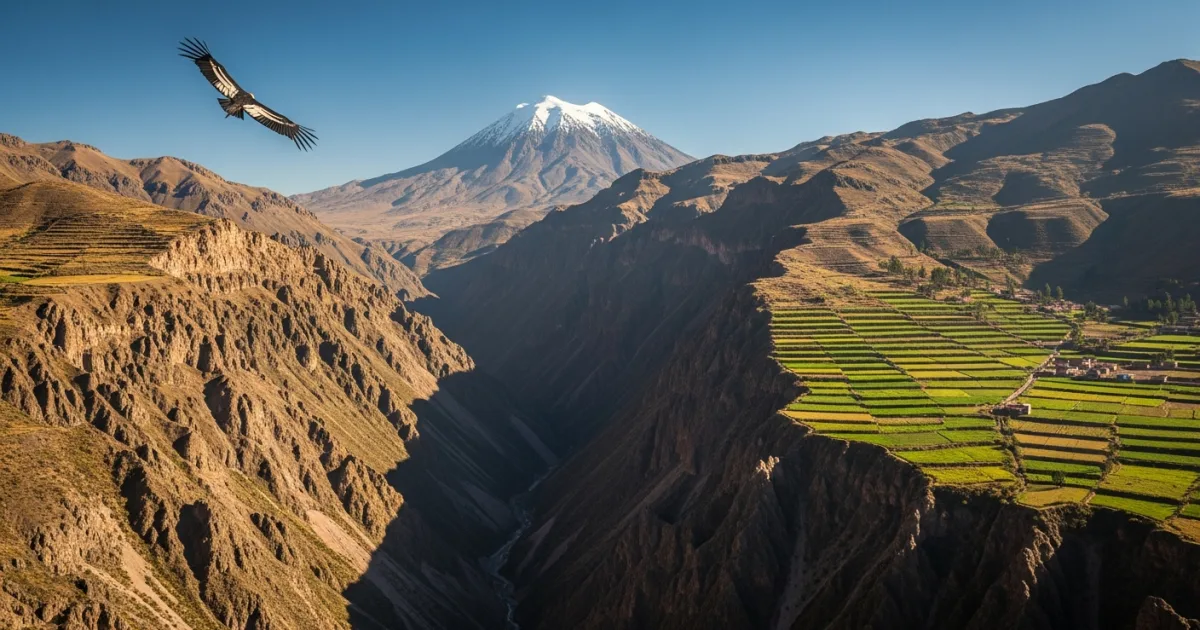
- Colca Canyon reaches a depth of 3,270 meters, providing prime habitat for the Andean condor and offering extensive trekking networks.
- The Historic Centre of Arequipa, a UNESCO World Heritage site, features over 500 colonial-era buildings constructed from white volcanic sillar stone.
- Santa Catalina Monastery covers 20,000 square meters and operated in complete seclusion for nearly 400 years, offering a preserved look at 16th-century monastic life.
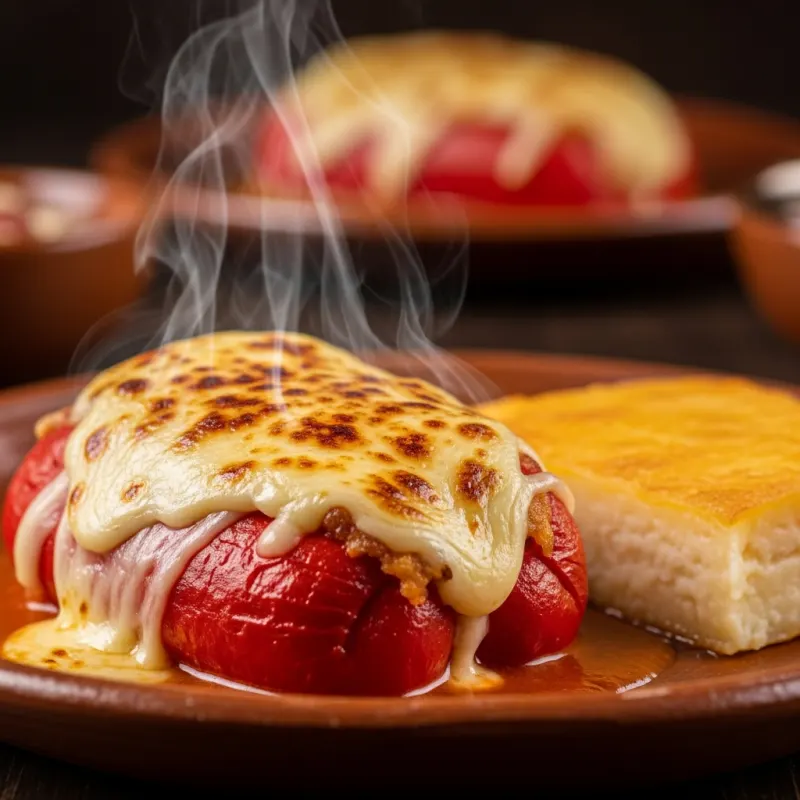
- The region serves as the culinary epicenter of Peru, housing traditional picanterías that preserve centuries-old recipes like Chupe de Camarones.
- High-altitude mountaineering opportunities abound, with accessible ascents of the 5,822-meter Misti Volcano and the 6,057-meter Chachani.
Things to Avoid
- Unacclimatized ascents above 3,000 meters increase the risk of altitude sickness (soroche); rapid elevation gain should be avoided.
- Unlicensed taxis pose security risks; travelers should use dispatch services or rideshare applications rather than hailing cabs off the street.
- Drinking tap water can lead to severe gastrointestinal issues; consumption should be strictly limited to bottled or purified water.
- Trekking the Colca Canyon without adequate water and sun protection is dangerous due to extreme midday heat and lack of shade.
- Photographing local indigenous people without explicit permission is considered disrespectful; always ask and be prepared to offer a small tip if requested.
Local Transportation Tips
Transportation within Arequipa city relies heavily on a network of taxis and public buses known as 'combis'. Taxis are inexpensive and ubiquitous, though it is imperative to use registered companies (identifiable by a lighted roof sign and municipal sticker) or apps like Uber and InDrive for safety. For intercity travel to destinations like Chivay or Cabanaconde in the Colca Canyon, travelers utilize 'colectivos' (shared minivans) or larger coach buses departing from the Terminal Terrestre. The regional airport, Rodríguez Ballón (AQP), connects Arequipa to Lima and Cusco with multiple daily flights, serving as the primary entry point for international tourists.
Travel Etiquette
- Greet shopkeepers and service staff with a polite 'Buenos días' or 'Buenas tardes' before initiating a transaction or asking a question.
- Leave a 10% tip in restaurants if a service charge is not already included in the bill, though tipping in small local eateries is not strictly expected.
- Dress modestly when visiting religious sites like the Cathedral or monasteries; shoulders and knees should be covered.
- Haggle respectfully in artisan markets, understanding that initial prices are often inflated for tourists, but avoid aggressive bargaining over small amounts.
- Dispose of toilet paper in the provided waste bins rather than flushing it, as the local plumbing infrastructure cannot handle paper products.
Recommended Age Group
The Arequipa Region offers diverse experiences, but its high altitude and rugged terrain require careful consideration for certain age groups.
- Babies (0-2 years): Not Recommended. The high altitude (starting at 2,328m and exceeding 4,000m on tours) poses significant health risks for infants who cannot communicate symptoms of altitude sickness.
- Kids (3-12 years): Neutral. While the city center and museums are accessible, the long, winding bus rides to the Colca Canyon and the physical demands of trekking may be exhausting for younger children.
- Teens (13-19 years): Recommended. The region offers excellent adventure activities, including hiking, mountain biking, and exploring historical sites, which appeal to active teenagers.
- Adults (20-64 years): Recommended. Adults are best suited to handle the physical demands of high-altitude trekking, appreciate the complex history, and enjoy the region's renowned culinary scene.
- Seniors (65+ years): Neutral. The city of Arequipa is highly walkable and culturally rich for seniors, but the extreme altitudes and steep, uneven terrain of the canyons require excellent cardiovascular health and mobility.
Accessibility Level: Medium
- The historic center of Arequipa features cobblestone streets and narrow sidewalks, which can present challenges for wheelchair users.
- Major attractions like the Santa Catalina Monastery have made efforts to improve accessibility, but many areas still contain steps and uneven stone pathways.
- Public transportation (combis) is not wheelchair accessible; travelers with mobility issues must rely on private taxis or specialized tour operators.
- Trekking routes in the Colca Canyon are entirely inaccessible for individuals with severe mobility impairments due to steep, rocky, and unpaved trails.
- High-end hotels and modern shopping centers in Arequipa generally comply with modern accessibility standards, offering ramps and elevators.
Did You Know?
The Juanita Mummy, discovered on Mount Ampato in 1995, is one of the best-preserved Inca ice mummies in the world. The freezing temperatures at 6,309 meters preserved her skin, internal organs, and clothing for over 500 years, providing unprecedented insights into Inca sacrificial rituals known as Capacocha. She is currently housed in a specialized climate-controlled display at the Museo Santuarios Andinos in Arequipa.
Cool Statistics
- The Colca Canyon is approximately 3,270 meters (10,730 feet) deep, making it nearly twice as deep as the Grand Canyon in the United States.
- Arequipa experiences an average of 300 days of sunshine per year, contributing to its arid, desert-like climate.
- The Santa Catalina Monastery was founded in 1579 and remained closed to the outside world until 1970.
- The Misti Volcano, which looms over the city, stands at an elevation of 5,822 meters (19,101 feet).
- The historic center of Arequipa was inscribed as a UNESCO World Heritage site in the year 2000.






Buy a compatible power adapter for your trip