Disclosure: This site contains affiliate links. We may earn a commission if you make a purchase, at no extra cost to you.

>
>
>
>
Arequipa Province

Arequipa Province

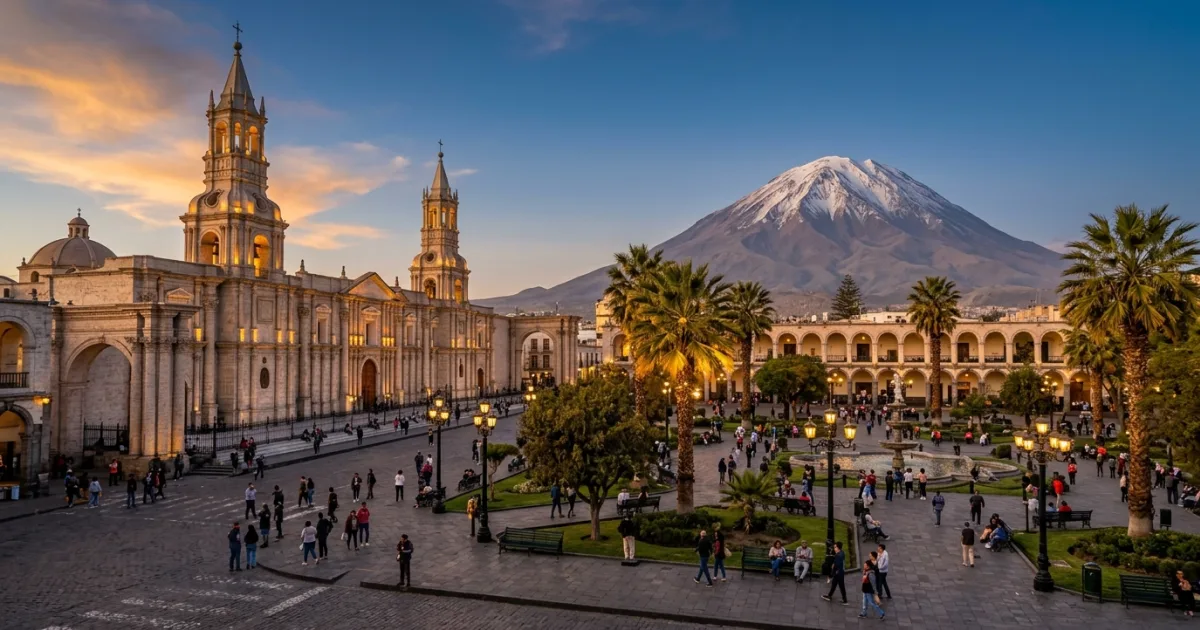
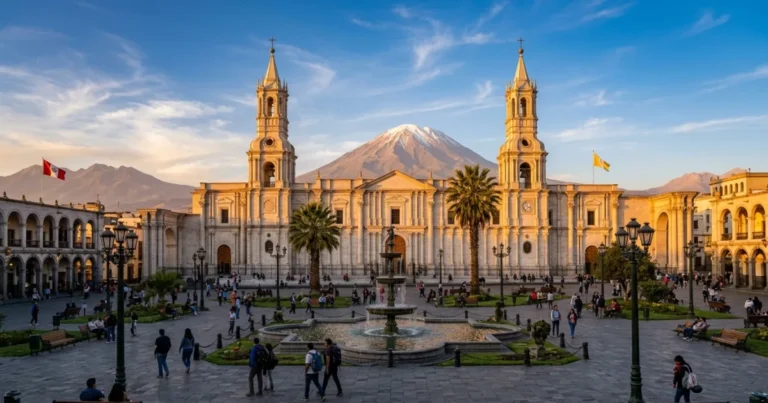
Arequipa Plaza de Armas and Cathedral with El Misti volcano in the background

Arequipa Province Overview & Key Highlights

Arequipa Province sits in the high desert of southern Peru, dominated by the dramatic silhouettes of Misti, Chachani, and Pichu Pichu volcanoes. Known historically as the White City due to its distinctive sillar volcanic stone architecture, the provincial capital boasts an expansive UNESCO-listed historic center filled with ornate baroque cloisters, vibrant plazas, and the sprawling Santa Catalina Monastery complex. Beyond urban colonial grandeur, the province unfolds into terraced agricultural valleys, deep arid ravines, and high-altitude pre-Inca cultural landscapes. Culinary heritage defines the province, making it one of South America's most celebrated gastronomic centers anchored by traditional picanterías serving dishes scented with native rocoto peppers and local chicha de jora. Traveling across the province offers seamless access to active outdoor expeditions, ranging from volcano trekking to white-water rafting along the Chili River. A mild, perpetually sunny climate combined with high elevation requires acclimatization, but the balance of rich history, deep-rooted regional pride, and Andean wilderness makes the province a quintessential Peruvian destination.

Arequipa Province Travel Guide: Logistics & In-Depth Tips

Arequipa Province is the vibrant cultural and economic powerhouse of Peru's southern Andes. Framed majestically by three towering volcanoes—El Misti, Chachani, and Pichu Pichu—the province blends dramatic natural geography with five centuries of colonial and indigenous architecture. The regional white volcanic stone, sillar, provides the buildings of its urban core with an unmistakable pearlescent glow, earning the provincial capital its nickname as the 'White City'. Beyond its urban historic center, designated a UNESCO World Heritage site in 2000, the province stretches out into tranquil countryside characterized by ancient Incan agricultural terraces, dramatic river canyons, and traditional rural hamlets.

Culturally, Arequipa Province maintains an independent spirit reflected in its distinct literary legacy, lively folkloric traditions, and legendary culinary institutions known as picanterías. Here, centuries-old recipes are kept alive over wood-burning hearths, creating communal spaces where locals gather over clay bowls of rocoto relleno and glasses of chicha de jora. For adventurous travelers, the province serves as an elite launchpad for high-altitude ascents, white-water kayaking, and archaeological explorations, delivering an authentic Andean experience that balances urban refinement with wild topography.

Reasons to Visit

  • Masterpieces of Sillar Architecture: Explore intricate Spanish baroque facades and quiet courtyards carved from white volcanic ignimbrite stone.
  • Santa Catalina Monastery: Wander through a vibrant, self-contained 20,000-square-meter citadel of blue and terracotta cloisters dating back to 1579.
  • World-Class Picantería Gastronomy: Experience UNESCO-recognized culinary traditions featuring spicy, complex dishes unique to the southern Andean highlands.
  • Stunning Volcano Backdrops: Take in panoramic vistas of snow-capped El Misti and Chachani from scenic vantage points like the Yanahuara Mirador.
  • Thrilling Outdoor Sports: Tackle Grade II-IV white-water rafting on the Chili River or embark on challenging high-altitude mountaineering treks.

Things to Avoid

  • Do not push through physical exhaustion on your first day; allow time for your body to adapt to the 2,325-meter elevation.
  • Avoid hailing unmarked street cabs; rely instead on authorized radio taxis or mobile rideshare apps for safe travel.
  • Do not drink tap water; always consume filtered, boiled, or bottled water to prevent gastrointestinal illness.
  • Avoid planning heavy excursions on Sunday afternoons when many traditional picanterías and local businesses close early.

Local Transportation Tips

Navigating the urban center of Arequipa Province is best done on foot, as most major sights, museums, and colonial churches lie within easy walking distance of the central Plaza de Armas. For suburban districts such as Yanahuara, Cayma, and Sachaca, authorized yellow taxis are inexpensive and plentiful, with typical one-way fares ranging from 7 to 15 PEN. App-based services like Uber operate reliably within metropolitan boundaries. Public combis (minibuses) cover extensive provincial routes and offer ultra-low fares, but they can be crowded, fast-paced, and confusing for first-time visitors with heavy luggage.

Travel Etiquette

  • Greet shopkeepers and restaurant staff politely with 'Buenos días' or 'Buenas tardes' before requesting service.
  • Ask for permission before taking photographs of local indigenous people, street vendors, or their artisanal goods.
  • Dress modestly when entering operating Catholic cathedrals, basilicas, and historic chapels.
  • Tipping around 10% is customary and appreciated in sit-down restaurants, though not obligatory in casual market stalls.

Recommended Age Group

Arequipa Province provides cultural immersion and outdoor adventures suited to a wide demographic, though its altitude requires minor preparation for sensitive age groups.

  • Babies (0-2 years): Neutral. Cobblestone pavements make strollers impractical, and sudden altitude shifts require careful pediatric monitoring.
  • Kids (3-12 years): Recommended. Children enjoy open cloisters, chocolate-making workshops, raft floats, and volcano landscapes.
  • Teens (13-19 years): Recommended. High engagement through active river sports, historic citadels, photography spots, and dynamic street scenes.
  • Adults (20-64 years): Recommended. Ideal demographic for walking tours, high-end dining, boutique hotels, and mountain expeditions.
  • Seniors (65+ years): Recommended. The flat historic center and mild sunny weather offer comfortable leisure, provided travelers pace themselves against the elevation.

Accessibility Level: Medium

  • Cobblestone streets and high curbstones throughout the historical center present navigational obstacles for manual wheelchair users.
  • Santa Catalina Monastery features largely flat stone avenues with selected ramped areas, though certain historical cells contain steps.
  • Modern upscale hotels in central Arequipa offer step-free access and elevator facilities, but advance verification is strongly advised.
  • Most public combis and regional buses lack wheelchair accessibility lifts or dedicated tie-downs.

Did You Know?

The distinct white building blocks that define Arequipa's architecture are carved from sillar, a porous volcanic stone formed by pyroclastic flows from the prehistoric eruptions of nearby volcanoes millions of years ago.

Cool Statistics

  • 2,325 meters: Average elevation of the provincial capital above sea level.
  • 300+ days: Average number of sunny days experienced across the province each year.
  • 5,822 meters: The summit elevation of El Misti volcano towering directly above the provincial valley.


Address:

Arequipa Province, Peru

Find Nearby Accommodations

Basic Info

address icon

COUNTRY & Region

Peru,
South America

ACCESSIBILITY LEVEL​

Medium
Currency icon

LOCAL CURRENCY​

Peruvian Sol (PEN)
Price level icon
Medium
Safety Level icon

SAFETY LEVEL

Duration icon

Recommended Duration

• 1-7 days

Electricity

electricity icon

Electricity

220-240V, 
60Hz
Plug Socket icon

Plug Type

• Type A (Flat blade)
• Type C (Round pin)
Plug types
Click To View Plug Types
Arequipa Province is part of our
Coolcation collection

Things To Do In Arequipa Province

Total: 1

Panoramic view of Arequipa Plaza de Armas with the white sillar cathedral and El Misti volcano in Peru
Arequipa (City) sits at 2,325m altitude, famed for volcanic sillar stone. Plan your 2026 trip with this verified guide.

Activities To Do In Arequipa Province

Best Time To Visit Arequipa Province

Arequipa Province experiences high Andean sun with marked dry and wet seasons:

  • May to October (Dry Season / Best Time): Clear blue skies, crisp nights, and virtually zero rainfall provide optimal conditions for architectural photography, city walks, and trekking.
  • November to December (Shoulder Season): Moderate temperatures with low tourist numbers, offering great value before afternoon showers begin.
  • January to March (Rainy Season): Frequent afternoon downpours can occasionally cause road washouts and obscure volcano views, though surrounding countryside turns lush green.
  • August (Anniversary of Arequipa): Week-long civic festivities, folkloric dances, and street parades fill the provincial capital.

Average Temperatures Per Month

Remember to check the weather forecast a few days before the trip and before heading to the airport.

Safety Level icon

Safety Level

Arequipa Province is generally safe for travelers, though opportunistic petty theft and pickpocketing can occur in crowded transit hubs and around Mercado San Camilo. Only hail official yellow taxis with roof lanterns and lateral license decals, or utilize app-based transportation to prevent overcharging. Stay hydrated and avoid heavy exertion on day one to mitigate altitude sickness.

The rating is based on multi-year peace, crime, and security indices. Before you go, always verify current conditions through official government travel advisories.

Emergency Numbers

Police: 105
Ambulance: 106

No internet needed • Includes local translations • Free for TravelingWiz readers

Spoken Languages

Spanish, Southern Quechua

Learn The Language

  • Buenos días – Good morning
  • Por favor – Please
  • Muchas gracias – Thank you very much
  • ¿Cuánto cuesta esto? – How much does this cost?
  • La cuenta, por favor – The bill, please
  • ¿Dónde está el baño? – Where is the restroom?
  • Una mesa para dos – A table for two
  • Ayuda, por favor – Help, please
Travel Booking Partner - TravelingWiz

Trip Cost & Budgeting for Arequipa Province, 2026

Everything you need to know about money while traveling
Is Arequipa Province expensive for tourists in 2026? Not particularly, as Arequipa offers excellent value compared to Lima or Cusco. Expect to pay around PEN 8.60 for a cappuccino, PEN 7.25 for a domestic beer, and PEN 47.50 for a mid-range restaurant meal. Our team relies on Human Verified prices to give you reliable budget estimates. Use the data table below to calculate your specific daily budget based on your travel style.
Currency icon

LOCAL CURRENCY​:

Peruvian Sol (PEN)
Price level icon
Medium
Cards are accepted at major hotels and restaurants, but cash in Soles is essential for taxis, markets, and smaller eateries.

Per person, per day – pocket cash for small purchases.

Local: 25
Peruvian Sol (PEN)
≈ 40 USD

Full daily spend estimation (accommodation, food, transportation, attractions).

Travel Style
Peruvian Sol (PEN)
≈ USD ($)
Budget
125
30
Mid-range
230
65
Comfort
510
150

The Prices, Daily costs, and calculator results are estimates for planning purposes only. Actual costs may vary based on season, booking timing, personal spending habits, and currency fluctuations. TravelingWiz cannot be held responsible for discrepancies between these estimates and your final trip expenses.

  • • Eat lunch at local picanterías or opt for a fixed-price menú del día for fantastic local food at low prices.
  • • Negotiate taxi fares in advance since city taxis do not use meters, or use ride-hailing apps like Cabify.
  • • Enjoy free attractions like walking around the historic sillar center, Plaza de Armas, and Yanahuara viewpoint.
  • • Keep small bills and coins handy because street vendors and small shops rarely have change for 50 or 100 Sol notes.

Pre-Order Tickets

Avoid disappointment when tickets sell out — and skip the long lines by booking online in advance. You’ll often save up to 20% too.
Save up to 20%

Travel Discounts & Coupons

Save on hotels, attractions, transport, and gear — find verified discounts for smarter travel spending.
Verified Coupons

What To Pack

  • High-SPF mineral sunscreen and UV-blocking sunglasses for intense high-altitude sunlight
  • Wide-brimmed sun hat or cap
  • Sturdy, broken-in hiking boots or supportive walking shoes for cobblestones and trails
  • Layered clothing including fleece jackets and windbreakers for sharp diurnal temperature drops
  • Hydration reservoir or refillable insulated water bottle
  • Altitude sickness medication (acetazolamide) or coca leaf lozenges
  • Universal electrical adapter for Type A and C wall outlets
  • Small crossbody bag with secure zippers for urban navigation
We couldn't find tips for Arequipa Province.
If you got any, please share

Recommended Itineraries for Traveling to Arequipa Province

We couldn't find itineraries for Arequipa Province.
you can contact us for custom trip plan

Food & Drink Highlights

Local Food Overview

Arequipa boasts one of Peru's most distinct regional culinary cultures, recognized globally for its complex spice balances and indigenous cooking traditions. Meals center around picanterías—heritage eateries traditionally open for midday dining where open wood fires stew clay pots of adobo, chupe de camarones (river prawn chowder), and solterito salad. Native rocoto chilis, purple corn chicha, and Andean herbs like huacatay drive flavors that remain fierce, hearty, and uncompromisingly local.
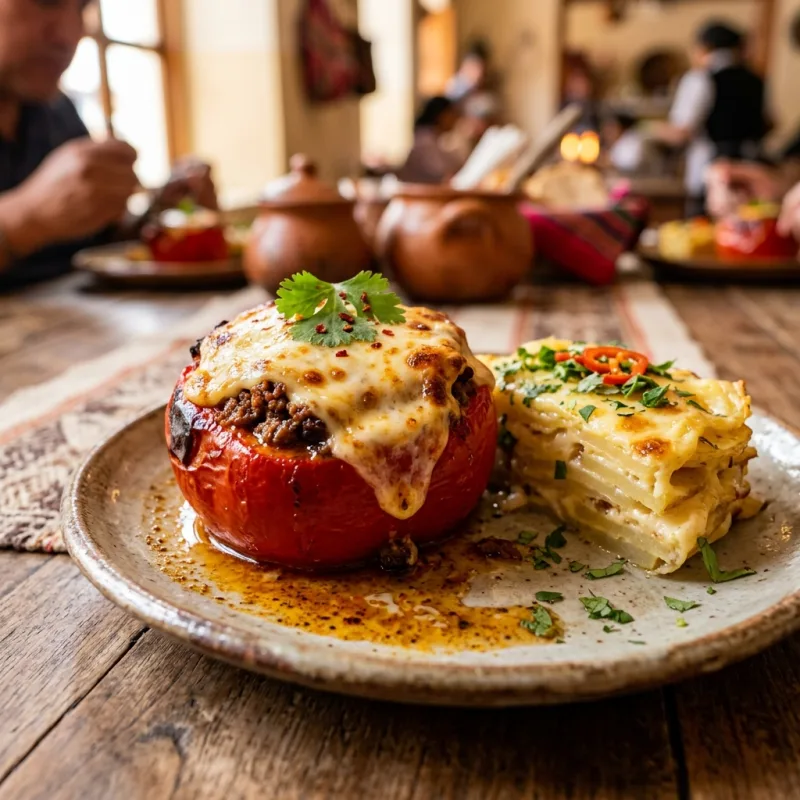
Authentic Peruvian Rocoto Relleno served with golden potato cake

Must Try Dish

Rocoto Relleno - A fiery rocoto chili stuffed with minced spiced beef, raisins, and olives, capped with melted cheese and served beside pastel de papa. This quintessential Arequipeño specialty blends fiery capsicum heat with savory richness in every bite.
Food Experiences Title Icon

Food
Experiences

Discover cooking classes, tastings and local food tours

No food experience found
Maya, the human travel expert at TravelingWiz, offering curated, non-AI expertise

Maya’s Final Checklist for Arequipa Province

Logistics shouldn’t be the focus of your trip—the experience should. I’ve hand-vetted these essential partners to ensure your arrival, stay, and exploration are as smooth as an Athenian breeze.

Where to Stay

From boutique hotels to local apartments—compare thousands of options and find the perfect stay in the best neighborhood.

Air Travel

Getting there should be seamless. Compare the best routes and prices across top airlines to start your journey on the right note.

Local Guides

Connect with experts who know the destination best. Get personalized advice and insider tips to help you plan your perfect trip.

Travel Protection

The “Engineer’s” rule: always have a backup. Secure your trip with a plan that covers every “what if” and unexpected change.

Car Rentals

Explore at your own pace with total freedom. Compare reliable rental options and find the right vehicle for your adventure.

Visa Services

Don’t let paperwork slow you down. Get expert assistance with your application to ensure all your entry documents are in order.

FAQs

Arequipa sits at approximately 2,325 meters (7,628 feet) above sea level. Spend your first afternoon resting, hydrate frequently, eat lighter meals, and drink traditional muña or coca tea to adjust comfortably before embarking on high-altitude excursions.
A stay of 3 to 4 days allows sufficient time to thoroughly explore the UNESCO historic center, Santa Catalina Monastery, and rural countryside miradors, while acclimating before departing toward Colca Canyon or Lake Titicaca.
The central district around Plaza de Armas, Santa Catalina, and Calle San Francisco is heavily patrolled and safe for evening strolls. Take standard precautions and avoid walking alone late at night through dark outskirts or near terminal areas.

Your Insights Matter

TravelingWiz grows through the stories of our community. If you’ve recently explored ,Arequipa Province share your tips and stories to help us perfect our guides for the next traveler.

Related Articles

Check out our related articles and blog posts to learn even more about the destination.

No related articles found

Don’t Travel Alone

Share with your friends and family

Where should we send your offline card?

We hate spam just as much as you do

newsletter_consent *