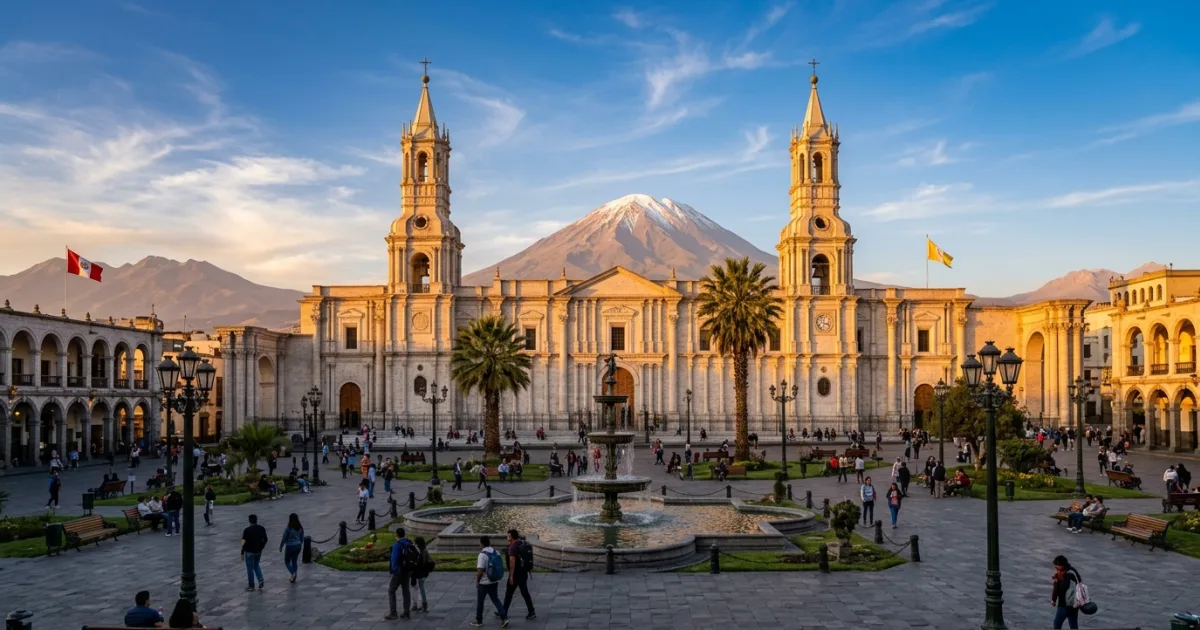
Arequipa balances the dynamic energy of Peru's second-largest city with the preserved elegance of a Spanish colonial gem. Nestled in a fertile valley bordered by three towering volcanoes—El Misti, Chachani, and Pichu Pichu—the city enjoys an arid climate with constant blue skies. The historic core, built predominantly from white volcanic sillar, boasts dramatic arched arcades, ornate baroque facades, and peaceful courtyards draped in flowering bougainvillea.
The cultural anchor of the city is the Santa Catalina Monastery, a massive 20,000-square-meter convent complex that operated in absolute isolation for four centuries. Today, visitors wander its vibrant cobalt blue and burnt orange streets, courtyards, and cells. Beyond heritage sights, Arequipa is famous for its fierce regional pride, its distinct dialect and traditions, and an internationally celebrated culinary scene rooted in traditional picanterías where hearty, slow-cooked lunches are accompanied by local chicha.
Reasons to Visit
- UNESCO World Heritage historic center built from volcanic sillar stone with exceptional colonial and baroque architecture.
- The Santa Catalina Monastery, an enchanting city-within-a-city featuring vivid painted cloisters and serene courtyards.
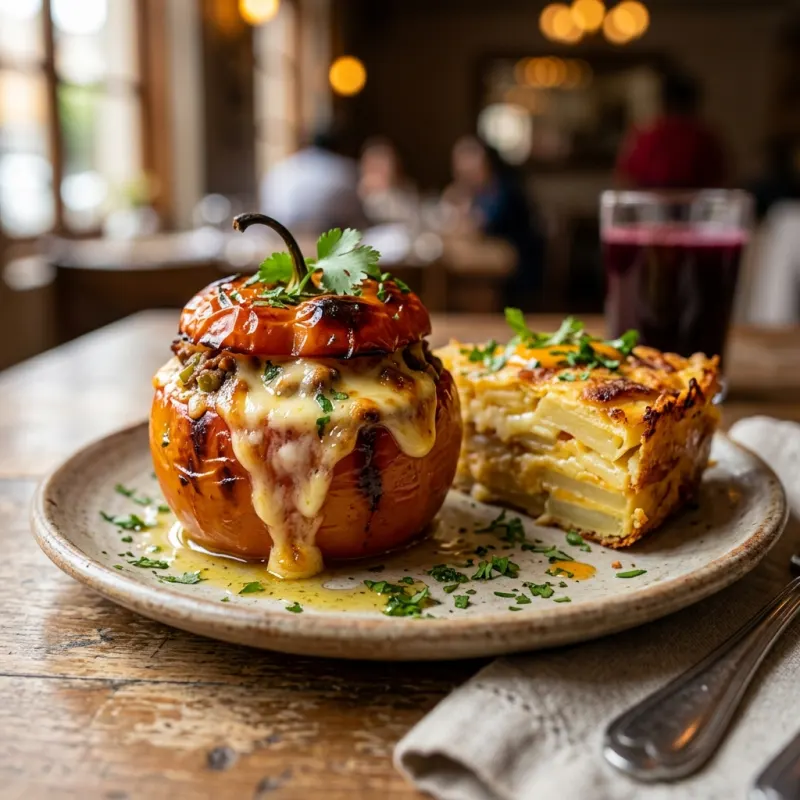
- Peru's regional food capital with traditional picanterías serving unique local dishes like rocoto relleno and chupe de camarones.
- Gentle elevation (2,325 m) serving as the ideal acclimatization stop before visiting Cusco, Puno, or Colca Canyon.
- Spectacular volcanic panoramas visible from scenic viewpoints such as the Yanahuara Mirador.
Things to Avoid
- Avoid drinking tap water; always choose bottled or filtered water to prevent stomach upset.
- Do not rush strenuous physical activities immediately upon arrival; allow your body half a day to adapt to the moderate altitude.
- Avoid taking unverified street taxis at night; use reputable ridesharing applications like Uber or book taxis through your hotel.
- Do not skip sun protection even when it feels cool, as UV radiation in the high Andes is exceptionally intense.
Local Transportation Tips
Arequipa's historic center is compact and best explored on foot, with most major sights, museums, and restaurants located within a 15-minute walk of the Plaza de Armas. For destinations further afield, such as the Yanahuara viewpoint or the Sillar Route quarries, app-based taxis (Uber and Cabify) provide cheap, reliable, and trackable transportation. Traditional public minibuses (combis) crisscross the city for very low fares, though they are crowded and can be difficult for international visitors to navigate without fluent Spanish.
Travel Etiquette
- Greet shopkeepers and restaurant staff politely with 'Buenos días' or 'Buenas tardes' before asking questions.
- Always ask for permission before taking photographs of indigenous locals or market stall vendors, and offer a small tip if requested.
- Dress respectfully when entering active Catholic churches, cathedrals, and religious sanctuaries by covering shoulders and removing hats.
- Tipping around 10% is customary in sit-down tourist restaurants and appreciated in casual dining establishments.
Recommended Age Group
Arequipa caters comfortably to diverse age profiles thanks to its manageable elevation, vibrant food culture, and rich historical monuments.
- Babies (0-2 years): Neutral. Cobblestone pavements and historic stairs can make stroller navigation challenging; baby carriers are recommended.
- Kids (3-12 years): Recommended. Children will enjoy the colorful labyrinthine alleys of Santa Catalina Monastery, chocolate-making workshops, and open plazas with feeding pigeons.
- Teens (13-19 years): Recommended. Fascinating archaeological discoveries like Mummy Juanita, river rafting on the Chili River, and nearby canyon excursions offer high engagement.
- Adults (20-64 years): Recommended. Ideal for cultural exploration, world-class dining, architectural photography, and acclimating for regional adventures.
- Seniors (65+ years): Recommended. The city offers comfortable pacing, flat central walkways around the Plaza de Armas, excellent hotels, and gentle altitude compared to higher Andean cities.
Accessibility Level: Medium
- Historic center sidewalks have pedestrianized zones around the Plaza de Armas, though older side streets feature uneven volcanic stone curbs and narrow pavements.
- The Santa Catalina Monastery features step-free main courtyards, but several historic cloisters, steps, and interior convent rooms are inaccessible for manual wheelchairs.
- Modern hotels and major museums generally provide accessible ground-floor entrances and elevators, though specialized wheelchair-adapted taxis remain limited.
Did You Know?
The famous 'Ice Maiden' Mummy Juanita, preserved in the Santuarios Andinos Museum in Arequipa, was discovered in 1995 near the summit of Mount Ampato at over 6,300 meters, having remained naturally freeze-preserved for more than 500 years following an Inca sacrificial ritual.
Cool Statistics
- Elevation: 2,325 meters (7,628 feet) above sea level.
- Over 300 days of sunshine recorded every year.
- UNESCO World Heritage Site status awarded to its historic center in the year 2000.
- Santa Catalina Monastery covers roughly 20,000 square meters, making it one of the largest religious complexes in the world.






Buy a compatible power adapter for your trip