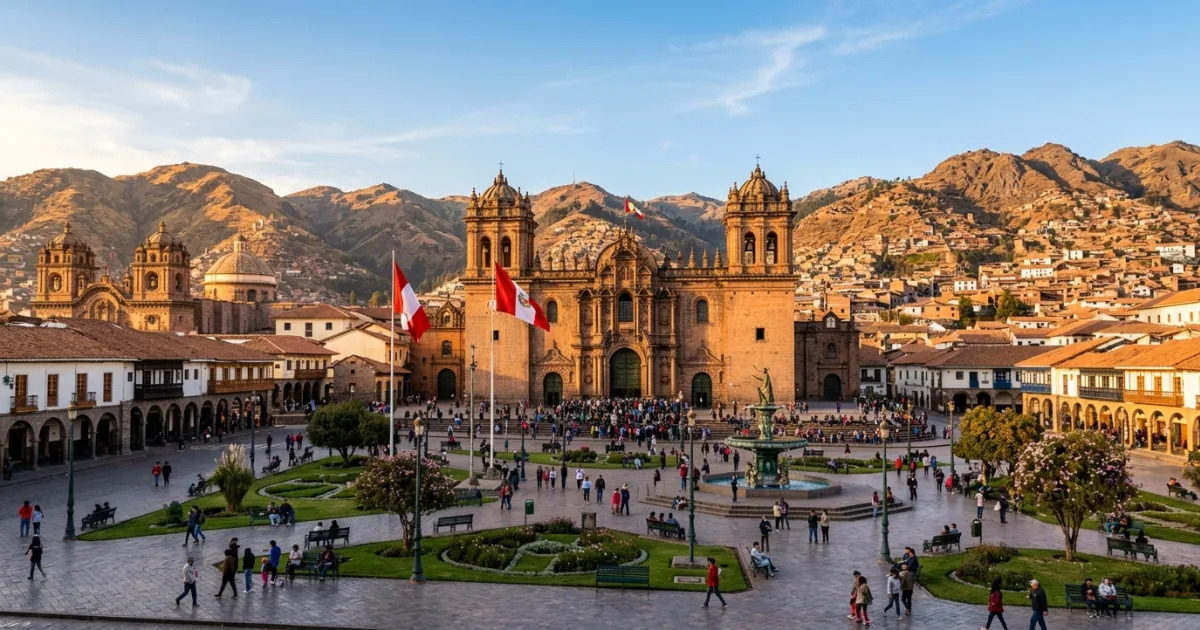
The Centro Historico of Cusco is a living museum where the foundations of grand Inca palaces serve as the base for colonial Spanish mansions and churches. Walking through its streets, you can literally touch the precision-cut stones of the Inca Empire, most famously the Twelve-Angled Stone on Hatun Rumiyoc street. The Plaza de Armas, once the heart of the Inca capital known as Huacaypata, is now surrounded by colonial arcades, the imposing Cusco Cathedral, and the Church of the Society of Jesus.
Beyond the main square, the neighborhood of San Blas rises steeply to the northeast, known as the artisans' quarter. Here, narrow pedestrian-only streets are lined with whitewashed houses, blue doors, and boutique galleries. The historic center is not just a relic; it is a bustling, vibrant area where indigenous women in traditional dress walk alongside international backpackers, and where ancient traditions seamlessly blend with a cosmopolitan dining and nightlife scene.
Reasons to Visit
- Architectural Marvels: Witness the unique fusion of flawless Inca stonework and ornate Spanish colonial architecture.
- Cultural Hub: Experience vibrant festivals, traditional textiles, and indigenous markets right in the city center.
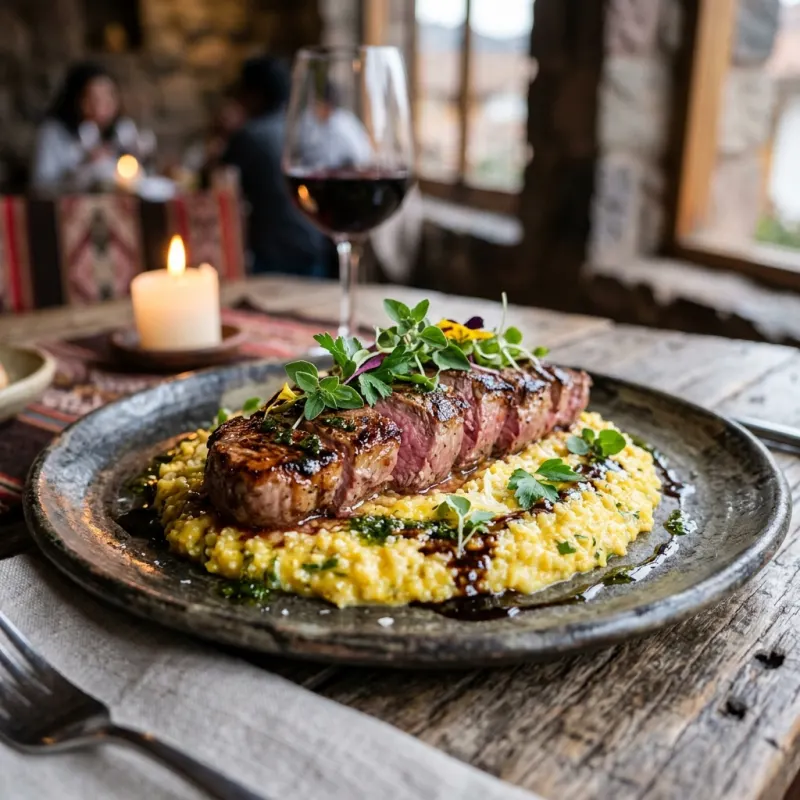
- Culinary Excellence: Taste world-renowned Peruvian cuisine, from street-side anticuchos to high-end Novo-Andean dining.
- Gateway to the Incas: The perfect base camp for exploring the Sacred Valley, Rainbow Mountain, and Machu Picchu.
Things to Avoid
- Overexertion on Day One: Do not rush your itinerary upon arrival; the altitude can cause severe sickness if you don't acclimatize.
- Unlicensed Taxis: Avoid hailing random cabs off the street at night; use registered taxis or ride-hailing apps.
- Photographing Locals Without Tipping: Always ask permission and offer a small tip (1-2 Soles) if you take photos of locals in traditional dress with alpacas.
- Drinking Tap Water: Stick to bottled or boiled water to prevent traveler's diarrhea.
Local Transportation Tips
The Centro Historico is best explored on foot, as many of its most charming streets are pedestrian-only or too narrow for cars. For longer distances or steep climbs (like heading up to Sacsayhuamán), official taxis are plentiful and inexpensive, though you must negotiate the fare before getting in as they do not use meters. Colectivos (shared minivans) are available for budget travel to nearby towns in the Sacred Valley.
Travel Etiquette
- Respect Sacred Sites: Dress modestly when entering cathedrals and churches (remove hats, cover shoulders).
- Haggle Politely: Bargaining is expected in artisan markets, but do so respectfully and with a smile.
- Coca Leaves: Chewing coca leaves is a sacred and practical tradition here; treat it with respect rather than as a novelty drug.
Recommended Age Group
Centro Historico Cusco offers a rich cultural experience, but its high altitude and physical terrain require consideration for different age groups.
- Babies (0-2 years): Neutral. The high altitude can be tough on infants, and the narrow, cobblestone streets make using a stroller very difficult. Baby carriers are essential.
- Kids (3-12 years): Recommended. Children will be fascinated by the history, the colorful markets, and interactive spots like the ChocoMuseo.
- Teens (13-19 years): Recommended. The vibrant culture, outdoor adventure opportunities nearby, and highly photogenic streets make it a hit with teenagers.
- Adults (20-64 years): Recommended. Adults can fully appreciate the deep historical context, excellent culinary scene, and lively nightlife.
- Seniors (65+ years): Neutral. While culturally enriching, the steep inclines, uneven cobblestones, and thin air can be physically demanding. Pacing and acclimatization are critical.
Accessibility Level: Medium
- Terrain Challenges: The historic center features steep hills, narrow sidewalks, and uneven cobblestones, making wheelchair navigation very difficult.
- Accommodation: Look for modern or recently renovated hotels, as many historic colonial buildings lack elevators or ramps.
- Attractions: The main Plaza de Armas is flat and accessible, but many secondary streets and archaeological sites have stairs and uneven ground.
Did You Know?
The original Inca city of Cusco was laid out in the shape of a puma, a sacred animal in Andean cosmology. The fortress of Sacsayhuamán formed the head, while the Plaza de Armas and the historic center made up the belly of the great cat.
Cool Statistics
- Elevation: 3,399 meters (11,152 feet) above sea level.
- UNESCO Status: Designated a World Heritage Site in 1983.
- Historical Age: Continuously inhabited for over 3,000 years, making it one of the oldest cities in the Americas.






Buy a compatible power adapter for your trip