Disclosure: This site contains affiliate links. We may earn a commission if you make a purchase, at no extra cost to you.
Barrio Historico

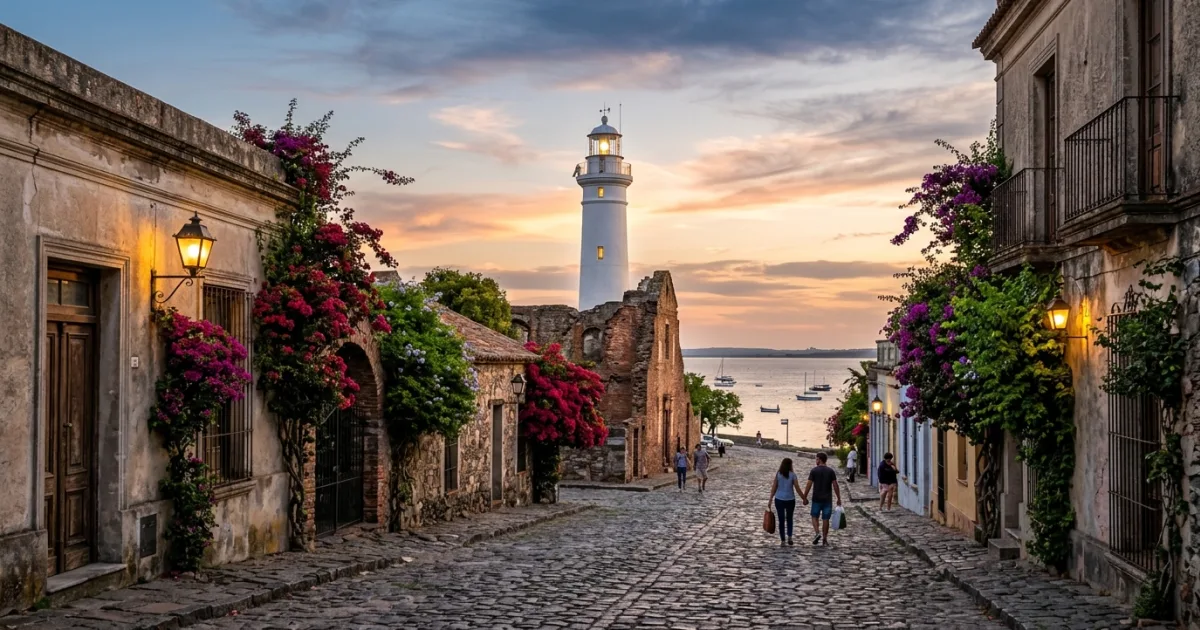
Wide angle view of Barrio Historico cobblestone streets and lighthouse in Colonia del Sacramento Uruguay

Basic Info

COUNTRY & Region

Uruguay,
South America

ACCESSIBILITY LEVEL​

  • High: Widely accessible with good facilities for disabilities.
  • Medium: Some accessible options, but limitations exist.
  • Low: Limited accessibility; many barriers for disabilities.
Medium

LOCAL CURRENCY​

Uruguayan Peso (UYU)

Price Level

Low – budget‑friendly basics

Medium – moderate mid‑range costs

High – pricey lodging, dining & transport

Medium

SAFETY LEVEL

5 shields = Excellent – very low crime or conflict.

4 shields = Safe – low risk, routine care.

3 shields = Relatively safe – use normal street smarts.

2 shields = Use caution – higher crime or periodic unrest.

1 shields = Avoid – active conflict or extreme danger.

Scores are derived from multi-year peace, homicide and security indices blended into a single 1-to-5 scale.

Recommended Duration

Full day, Overnight

Barrio Historico Overview & Key Highlights

Barrio Histórico constitutes the historic core of Colonia del Sacramento, strategically located on a peninsula projecting into the Río de la Plata. Founded in 1680 by Portuguese governor Manuel Lobo, the district stands out for its irregular street plan, which uniquely defies the standard Spanish grid system found across Latin America. Preserved colonial ramparts, stone bastions, and lime-washed houses roofed in authentic Portuguese ceramic tiles led UNESCO to designate the district as a World Heritage Site in 1995. Visitors navigate centuries of contested territory where Portuguese and Spanish rule exchanged hands more than ten times. The iconic Calle de los Suspiros showcases original Portuguese drainage gutters along central cobbles, framed by low-slung, single-story 18th-century houses. The white 19th-century lighthouse rises above the brick ruins of the Convento de San Francisco, offering panoramic views over the estuary towards Buenos Aires, while intimate waterfront bistros and leafy plazas provide tranquil resting points throughout the day.

Barrio Historico Travel Guide: Logistics & In-Depth Tips

Barrio Histórico is the oldest continuously settled European urban quarter in Uruguay, holding strategic military and commercial significance since its establishment in 1680. Unlike neighboring Spanish settlements that enforced the strict Grid Law of the Indies, Barrio Histórico reflects Portuguese military urbanism adapted to natural topography. Its narrow, winding streets follow the contours of the shoreline, flanked by defensive stone walls, residential dwellings made of adobe and rammed earth, and distinct tile roofs known as telhas de canudo.

Today, this preserved neighborhood functions as an open-air museum where visitors walk freely among occupied 18th-century homes, art galleries, and scenic riverside bastions. The contrast between Portuguese organic street layouts and subsequent Spanish rebuilding campaigns is visible throughout the architecture. The Portón de Campo, complete with a restored wooden drawbridge and stone ramparts, provides the primary historic entrance into the quarter, transporting travelers directly into South America's colonial border conflicts.

Reasons to Visit

  • Walk through the UNESCO World Heritage-listed streets preserved in their authentic 17th- and 18th-century layout.
  • Climb the historic 1857 Colonia Lighthouse built right into the stone ruins of the 17th-century Convento de San Francisco.
  • Photograph Calle de los Suspiros, renowned for its uneven Portuguese stone paving, vintage lanterns, and pastel colonial facades.
  • Watch fiery sunsets over the expansive Río de la Plata estuary from the Bastión de San Pedro.
  • Experience a peaceful, romantic small-town ambiance just a short ferry ride away from Buenos Aires and Montevideo.

Things to Avoid

  • Avoid wearing thin-soled flip-flops or high heels, which easily get caught in the wide joints between the historical paving stones.
  • Do not exchange currency at high-fee exchange kiosks right inside the ferry arrival terminal; local town banks offer superior rates.
  • Avoid visiting exclusively during Saturday afternoon peak tour-bus hours if you prefer tranquil photography and empty streets.
  • Do not ignore restaurant menus listing local Tannat wine in favor of generic imports, as Uruguay produces some of the world's best varietals.

Local Transportation Tips

Barrio Histórico is an exclusively pedestrian-friendly zone where motorized vehicle access is heavily restricted for non-residents. The entire district spans merely a few square blocks, meaning all major attractions, museums, and waterfront viewpoints can easily be explored on foot. For journeys outside the historic center toward the northern beaches or the Real de San Carlos bullring, golf carts and bicycles are available for daily rental directly outside the ferry terminal, while local metered taxis wait at Plaza 25 de Mayo.

Travel Etiquette

  • Respect residential privacy by refraining from peering directly into the open ground-floor windows of private colonial houses.
  • Keep speaking volumes moderate during late evening hours, as Barrio Histórico remains an active, quiet residential neighborhood.
  • Tipping in restaurants is customary at approximately 10% of the total bill, usually added in cash even when paying meals by card.
  • Greet shopkeepers and museum staff with a polite 'Buenas tardes' or 'Buen día' prior to browsing or asking questions.

Recommended Age Group

Barrio Histórico caters exceptionally well to independent travelers, history buffs, and couples, while terrain challenges warrant special consideration for travelers with young children or limited mobility.

  • Babies (0-2 years): Neutral. Heavy cobblestone streets make stroller navigation nearly impossible, requiring parents to use baby carriers or wraps throughout the district.
  • Kids (3-12 years): Neutral. Children enjoy climbing the lighthouse and exploring fortress cannons, but the lack of interactive playgrounds and abundance of historic museums may limit sustained engagement.
  • Teens (13-19 years): Neutral. Atmospheric photography spots and waterfront cycling offer appeal, though the town lacks high-energy entertainment and bustling nightlife.
  • Adults (20-64 years): Recommended. Perfect destination for walking tours, architecture photography, romantic dining, boutique lodging, and deep historical exploration.
  • Seniors (65+ years): Neutral. While seniors appreciate the quiet pacing and rich culture, the severely uneven cobblestone paving, lack of curb cutouts, and stairs at the lighthouse require steady footing.

Accessibility Level: Medium

  • Most roads feature centuries-old river-stone cobbles with wide, irregular gaps that cause severe vibration for wheelchairs and mobility scooters.
  • Sidewalks are narrow, elevated well above street level, and generally lack curb ramps or tactile paving.
  • Historic museums and the Convento ruins feature step-only entries and raised stone thresholds dating back to the colonial era.
  • The Colonia Lighthouse requires ascending a steep 118-step spiral staircase with no elevator alternative available.

Did You Know?

The Colonia Lighthouse was erected directly upon the structural remnants of the Convento de San Francisco, which was destroyed by a catastrophic fire in 1704. Rather than demolishing the historic convent walls, nineteenth-century engineers integrated the thick Portuguese masonry directly into the base of the white beacon, creating an unusual hybrid monument that combines a 17th-century monastery ruin with an operational 19th-century maritime navigational light.

Cool Statistics

  • 1995: Year designated as a UNESCO World Heritage Site.
  • 10+: Number of times sovereignty swapped between Portugal and Spain between 1680 and 1828.
  • 26 meters: Height of the historic Faro de Colonia del Sacramento.
  • 1 hour 15 minutes: Ferry crossing duration from downtown Buenos Aires to Colonia port.

Address:

Barrio Histórico, Colonia del Sacramento, Uruguay

Find Nearby Accommodations

Electricity

220-240V, 
50Hz

Plug Type

Type C (Round pin), Type F (Two round pins with earth clips), Type L (Three round pins in line)
Plug types
Click To View Plug Types
Barrio Historico is part of our
Solo Female Friendly collection

Activities To Do In Barrio Historico

Best Time To Visit Barrio Historico

Barrio Histórico offers temperate weather year-round, with distinct seasonal variations that influence visitor volume.

  • March to May (Autumn): Pleasant temperatures between 18°C and 24°C, minimal rainfall, and fewer crowds after summer vacationers depart.
  • September to November (Spring): Crisp air, blossoming sycamore trees, and moderate afternoon temperatures ideal for walking tours.
  • December to February (Summer): Peak domestic and Argentine tourism season, warm days exceeding 28°C, and lively evening patio dining.
  • June to August (Winter): Low season characterized by cool winds off the estuary (8°C to 15°C), quieter streets, and lower accommodation rates.

Average Temperatures Per Month

Average monthly temperaturesMonthly source values, with Celsius and Fahrenheit equivalents in the following data table.5°41°11°52°18°64°24°75°30°86°JanJan: 25°C / 77°FFebFeb: 23°C / 73°FMarMar: 22°C / 72°FAprApr: 18°C / 64°FMayMay: 14°C / 57°FJunJun: 12°C / 54°FJulJul: 11°C / 52°FAugAug: 13°C / 55°FSepSep: 14°C / 57°FOctOct: 17°C / 63°FNovNov: 21°C / 70°FDecDec: 23°C / 73°F
View temperature data
Average monthly temperatures
Month°C°F
Jan2577
Feb2373
Mar2272
Apr1864
May1457
Jun1254
Jul1152
Aug1355
Sep1457
Oct1763
Nov2170
Dec2373

Remember to check the weather forecast a few days before the trip and before heading to the airport.

Safety Level

5 shields = Excellent – very low crime or conflict.

4 shields = Safe – low risk, routine care.

3 shields = Relatively safe – use normal street smarts.

2 shields = Use caution – higher crime or periodic unrest.

1 shields = Avoid – active conflict or extreme danger.

Scores are derived from multi-year peace, homicide and security indices blended into a single 1-to-5 scale.

Barrio Histórico is exceptionally safe with negligible violent crime rates and an active tourist police presence. The main physical hazard is walking on the slick, steep cobblestones of Calle de los Suspiros, particularly after rainfall. Watch your footing near the waterfront rocks along the Rambla Costanera at sunset, and keep personal bags zipped in outdoor café settings during peak festival weekends.

The rating is based on multi-year peace, crime, and security indices. Before you go, always verify current conditions through official government travel advisories.

Emergency Numbers

Police: 911
Ambulance: 105

No internet needed • Includes local translations • Free for TravelingWiz readers

Spoken Languages

Spanish (Rioplatense dialect), with basic English and Portuguese widely understood in tourism establishments.
Travel Booking Partner - TravelingWiz

Learn The Language

  • Hola: Hello
  • Por favor: Please
  • Muchas gracias: Thank you very much
  • ¿Cuánto cuesta esto?: How much does this cost?
  • ¿Dónde está el faro?: Where is the lighthouse?
  • La cuenta, por favor: The check, please
  • Disculpe: Excuse me
  • Buen provecho: Enjoy your meal

Trip Cost & Budgeting for Barrio Historico, 2026

Everything you need to know about money while traveling
Is Barrio Historico expensive for tourists in 2026? Because Barrio Historico sits in Colonia del Sacramento, costs are the city's standard rates. Uruguay is relatively costly for South America, but offers moderate value. Expect to pay around 220 UYU for a cappuccino, 200 UYU for a domestic beer, and 750 UYU for a restaurant meal. Based on our Human Verified prices, budgeting is straightforward. Use the data table below to calculate your specific daily budget based on your travel style.

LOCAL CURRENCY​:

Uruguayan Peso (UYU)

Price Level:

Low – budget‑friendly basics

Medium – moderate mid‑range costs

High – pricey lodging, dining & transport

Medium

Cards Vs. Cash

Credit cards are widely accepted across restaurants and hotels in Colonia, but small cash is useful for tips and markets.

How Much Cash to Carry (on you)

Per person, per day – pocket cash for small purchases.

Local: 480
Uruguayan Peso (UYU)
≈ 12 USD

Average Daily Costs (per person)

Full daily spend estimation (accommodation, food, transportation, attractions).

Travel Style
Uruguayan Peso (UYU)
≈ USD ($)
Budget
2650
65
Mid-range
4800
118
Comfort
10550
260
Note

The Prices, Daily costs, and calculator results are estimates for planning purposes only. Actual costs may vary based on season, booking timing, personal spending habits, and currency fluctuations. TravelingWiz cannot be held responsible for discrepancies between these estimates and your final trip expenses.

Best Value Tips

  • Pay with a foreign credit or debit card at restaurants to automatically receive Uruguay's tourist IVA discount on food.
  • Purchase the single combined ticket at Museo Municipal to gain entry to all historic quarter museums for one low price.
  • Walk or rent a bicycle instead of hiring golf carts, as Colonia's historic center is very compact.
  • Visit on a weekday or as a day trip from Montevideo or Buenos Aires to avoid peak weekend hotel surcharges.

Tours & Tickets

Explore tours, attractions, and ticket options to plan your visit.
Plan ahead

Travel Offers & Coupons

Browse travel offers and coupons from our affiliate partners.
Affiliate partner offers

What To Pack

  • Thick-soled, flat walking shoes suited for centuries-old uneven Portuguese cobblestones
  • Light windbreaker jacket for riverfront breezes off the Río de la Plata
  • Universal power adapter compatible with Type C, F, or L sockets
  • High-SPF sunscreen and wide-brim hat for outdoor exploration with minimal midday shade
  • Insect repellent for riverside dining during humid summer evenings
  • Reusable water bottle to stay hydrated during self-guided walking tours
Only the good stuff!
Browse recommended travel gear
Check out our free packing list tool

Recommended Itineraries for Traveling to Barrio Historico

Take your itinerary with you

Choose a ready-made itinerary, plan your own trip, and keep TravelingWiz by your side while you travel.

Get the TravelingWiz app

Food & Drink Highlights

Local Food Overview

Gastronomy in Barrio Histórico celebrates authentic Rioplatense traditions with strong Italian and Portuguese heritage influences. Restaurants nestled in thick-walled colonial manors highlight wood-fired Uruguayan beef, artisanal cheeses produced in nearby Colonia Suiza, and fresh river fish. Tannat, Uruguay's flagship red wine grape, anchors restaurant wine lists, perfectly complementing leisurely afternoon parrilladas along shaded stone alleyways.

Must Try Dish

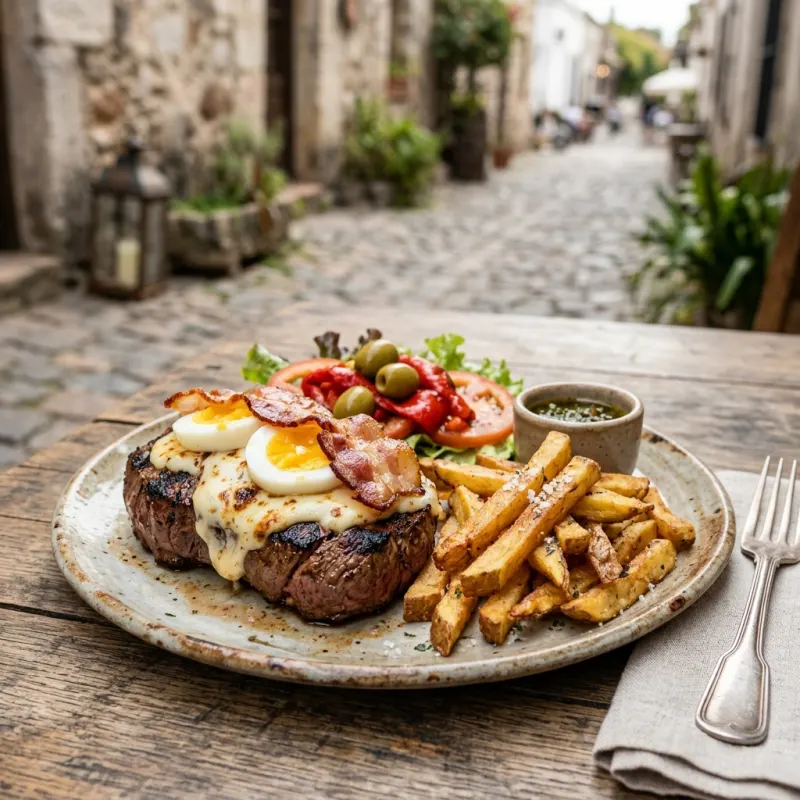
Chivito Uruguayo al Plato - Uruguay's national culinary pride, featuring a tender, grilled grass-fed beef tenderloin layered with ham, melted mozzarella, crispy bacon, fried egg, olives, tomatoes, and house-made mayonnaise, accompanied by Russian salad and french fries. This robust dish showcases the exceptional quality of Uruguayan beef paired with classic South American comfort sides.
Authentic Chivito Uruguayo steak dish served at an outdoor restaurant in Barrio Historico

Maya’s Final Checklist for Barrio Historico

Logistics shouldn’t be the focus of your trip—the experience should. I’ve hand-vetted these essential partners to ensure your arrival, stay, and exploration are as smooth as an Athenian breeze.

Maya, the human travel expert at TravelingWiz, offering curated, non-AI expertise

Where to Stay

Compare accommodation options and choose a stay that suits your plans and budget.

Air Travel

Compare flight options and find a route that fits your plans.

Local Guides

Connect with local guides for personalized help planning and exploring.

Travel Protection

The “Engineer’s” rule: always have a backup. Secure your trip with a plan that covers every “what if” and unexpected change.

Car Rentals

Compare rental options and choose a car that suits your trip.

Visa Information

Don’t let paperwork slow you down. Get expert assistance with your application to ensure all your entry documents are in order.

FAQs

Yes, frequent passenger catamarans operated by Buquebus and Colonia Express connect Buenos Aires to Colonia del Sacramento in approximately one hour and fifteen minutes. The ferry terminal is located within a 10-minute walk of Barrio Histórico’s entrance gate.
Navigating the district requires caution because streets feature irregular 17th-century cobblestones, steep gradients, and high granite curbs without ramps. Sturdy footwear is essential, and travelers requiring wheelchair access may face significant challenges.
Calle de los Suspiros (Street of Sighs) is one of the oldest preserved streets in the Southern Cone, retaining Portuguese paving from the late 1600s with a central drainage ditch. Legends attribute its name to prisoners led down to the river or sailors sighing at 18th-century brothels that once lined the lane.
Most establishments accept international credit and debit cards, US Dollars, and Argentine Pesos. However, you will receive the best exchange rates and benefit from Uruguay’s foreign tourist VAT rebate by paying directly with a credit card.

Your Insights Matter

TravelingWiz grows through the stories of our community. If you’ve recently explored ,Barrio Historico share your tips and stories to help us perfect our guides for the next traveler.

Where should we send your offline card?

We hate spam just as much as you do

newsletter_consent *