Montevideo Department serves as both the administrative anchor and the beating cultural core of Uruguay. Despite being the smallest department geographically, it contains more than a third of the nation's populace and hosts its principal sea gateway. Its storied urban neighborhoods present a layered architectural timeline: Spanish colonial fortifications in the historic port area, ornate Art Deco and Belle Époque townhomes along wide boulevards, and contemporary high-rises lining the sandy inlets of Pocitos and Carrasco.
Beyond the metropolis, northern sectors of the department feature pastoral hills and traditional family-run vineyards where the Tannat grape reigns supreme. Montevideo's unique identity is intertwined with maritime geography; the vast estuary of the Rio de la Plata buffers summer heat and provides an open, sky-dominated horizon. It is an urban destination defined by human scale, literary cafés, street-corner candombe drumming, and an extraordinary quality of everyday life.
Reasons to Visit
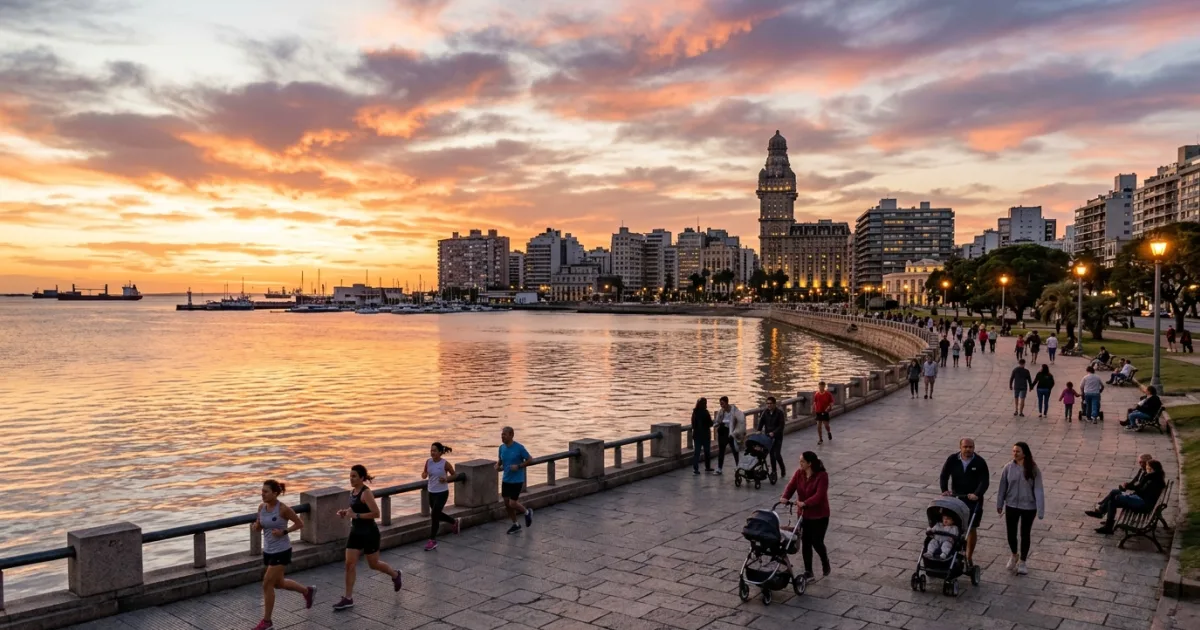
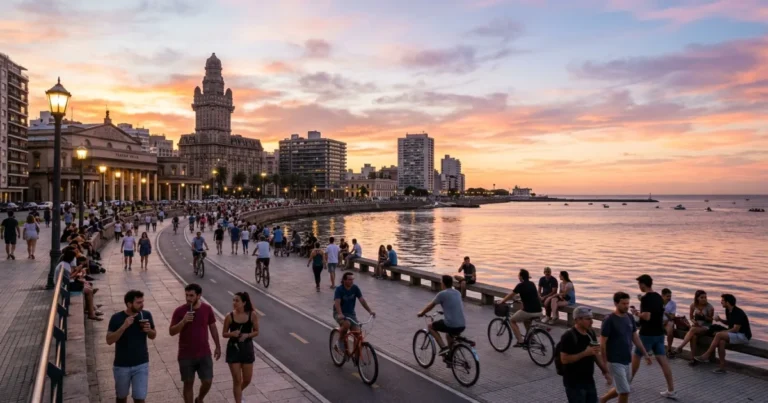
- The Iconic Rambla: Walk, cycle, or sit along 22 kilometers of continuous waterfront promenade connecting diverse neighborhoods with expansive river views.
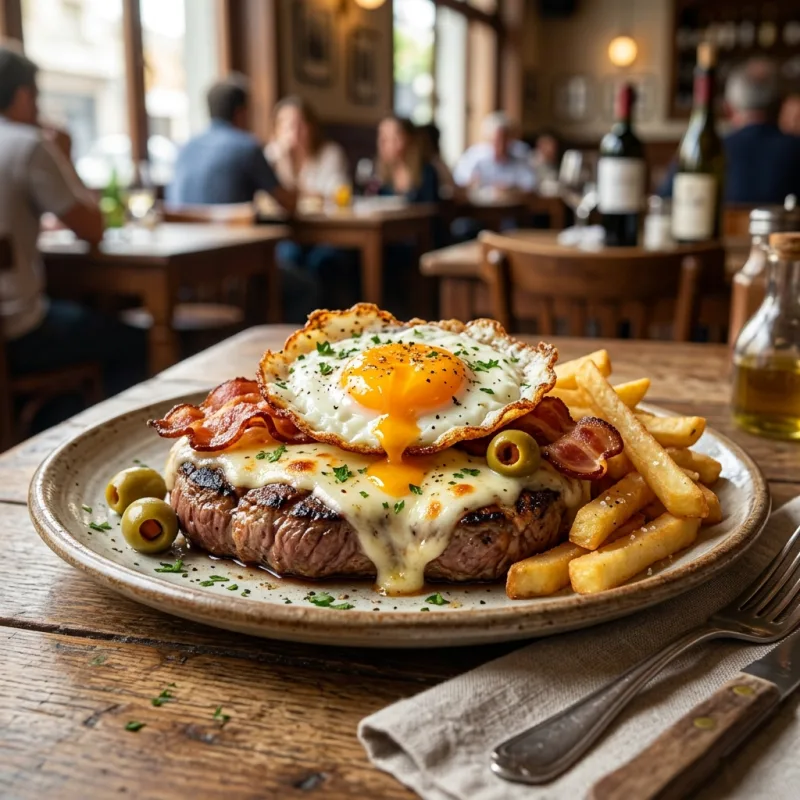
- Mercado del Puerto: Experience the sensory wonder of enormous open parrillada fires roasting prime Uruguayan beef under historic Victorian ironwork.
- Candombe and Carnival Heritage: Discover the deep Afro-Uruguayan rhythm of candombe drum calls echoing through Barrio Sur and Palermo every weekend evening.
- Suburban Wine Trails: Tour historic, century-old boutique wineries just 30 minutes from downtown in the rural Colon and Melilla districts.
- Architectural Richness: Admire a striking blend of neoclassical, Art Nouveau, and Eclectic facades centered around Plaza Independencia and Palacio Salvo.
Things to Avoid
- Avoid walking alone late at night through deserted backstreets around the port area or the western edges of Ciudad Vieja.
- Do not hail unmetered or unmarked cabs directly off the street; rely on registered radio taxis or verified ride apps.
- Avoid eating dinner before 8:30 PM, as traditional restaurants and parrilladas open late and will feel empty earlier in the evening.
- Do not exchange large sums of currency at airport booths with unfavorable rates when central bank ATMs offer fair interbank conversions.
Local Transportation Tips
Montevideo Department possesses a robust, comprehensive municipal bus network managed under the STM (Sistema de Transporte Metropolitano). Buses cover every major artery, linking historic quarters, residential beaches, and peripheral rural zones. Fares can be paid in cash aboard the vehicle, though purchasing an STM card at red-lettered Abitab or Redpagos agencies provides discounted rates and multi-hour transfer capabilities. For direct point-to-point transit, ride-hailing services such as Uber and Cabify operate legally and affordably alongside traditional metered yellow-and-white city taxis.
Travel Etiquette
- Yerba Mate Culture: Mate is a national emblem; if offered a sip from someone's communal gourd, accept politely, take small sips through the bombilla straw, and only say 'gracias' when you do not want another round.
- Punctuality: Social gatherings and dinners tend to start 30 to 60 minutes later than the invited hour, reflecting a relaxed social rhythm.
- Greetings: A single cheek kiss on the right cheek accompanied by a handshake or warm embrace is the standard greeting between acquaintances.
- Tipping: Rounding up the bill by 10% in restaurants and leaving spare change for taxi drivers is customary and appreciated.
Recommended Age Group
Montevideo Department provides a calm, civilized atmosphere with varied infrastructure that suits travelers across generations.
- Babies (0-2 years): Recommended. Sidewalks on major coastal avenues and the Rambla are smooth for strollers, and local society is welcoming toward young families.
- Kids (3-12 years): Recommended. Expansive waterfront parks, interactive science centers, and sprawling sandy beaches offer plenty of open-air engagement.
- Teens (13-19 years): Recommended. Vibrant beach scenes, skate parks along the Rambla, and historic flea markets appeal to independent, curious teenagers.
- Adults (20-64 years): Recommended. Excellent dining scenes, world-class Tannat wineries, and rich cultural museums make it ideal for adults.
- Seniors (65+ years): Recommended. Gentle topography, high-quality private healthcare services, and a laid-back pace make navigation effortless for mature visitors.
Accessibility Level: Medium
- The expansive Rambla promenade provides a completely level, barrier-free walking and rolling surface stretching for miles along the coast.
- Modern public buses featuring low floors and ramp access operate on primary lines, designated with accessibility logos.
- Plaza Independencia and Ciudad Vieja's pedestrian thoroughfare (Peatonal Sarandí) feature curbless pavement, although historic cobblestone cross streets can occasionally be uneven.
- Leading museums like the Museo Nacional de Artes Visuales offer ramp entrances and ADA-compliant elevator facilities.
Did You Know?
Montevideo's Carnival is the longest in the world, spanning over 40 days between late January and early March, featuring theatrical murgas and thunderous candombe drumming competitions across departmental streets.
Cool Statistics
- 22 kilometers of uninterrupted waterfront promenade form the continuous municipal Rambla.
- Over 50% of Uruguay's total gross domestic product is generated within the compact boundaries of Montevideo Department.
- More than 30 heritage bodegas and family vineyards operate inside the department's northern rural borders.







Buy a compatible power adapter for your trip