Montevideo is a refined, tranquil capital positioned along the expansive estuary of the Río de la Plata. Unlike many bustling South American metropolises, Montevideo offers a distinctly calm tempo, characterized by leafy plazas, broad boulevards, and a strong sense of civic pride. Its history unfolds from the fortress remnants of the Puerta de la Ciudadela into the opulent early-twentieth-century residential corridors of Pocitos and Carrasco.
The city's cultural texture is remarkably diverse. Barrio Sur and Palermo resonate with the rhythmic polyrhythms of candombe drum processions every Sunday evening, echoing Afro-Uruguayan roots that date back centuries. Meanwhile, the historic Mercado del Puerto serves up sizzling cuts of premium beef over open embers, and contemporary neighborhoods like Cordón and Parque Rodó host cutting-edge design ateliers, specialty coffee shops, and independent microbreweries.
Reasons to Visit
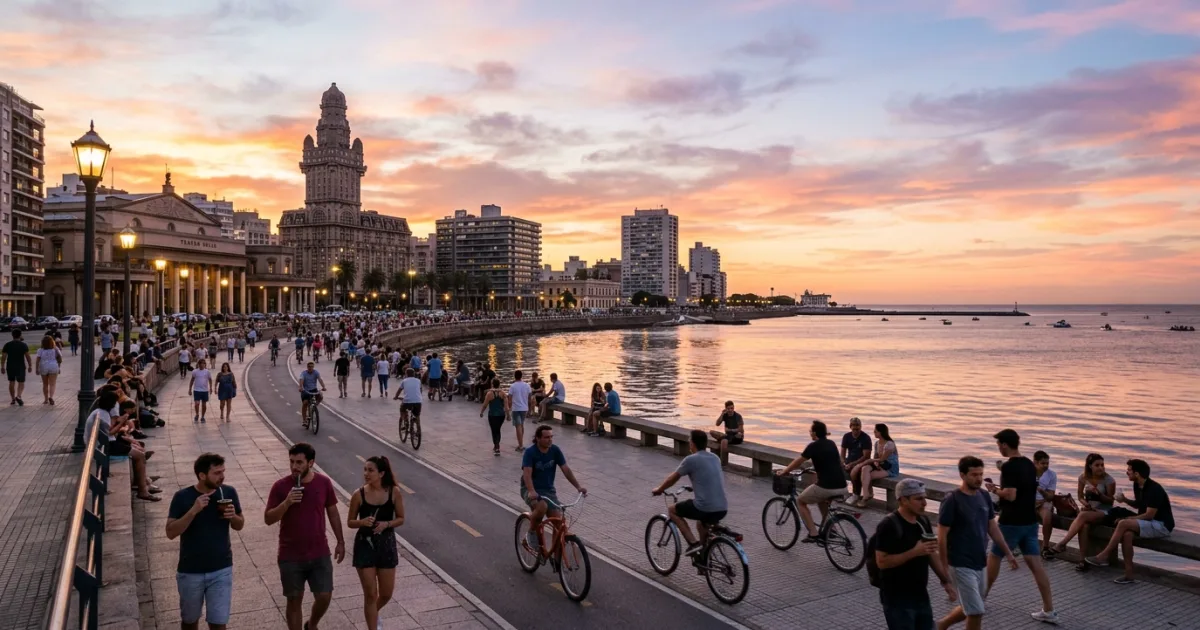
- The Iconic Rambla: Stroll, run, or cycle along 22 kilometers of continuous seaside promenade with panoramic estuary vistas.
- Architectural Heritage: Admire a remarkable architectural cross-section ranging from Spanish colonial gates and Italianate mansions to striking Art Deco landmarks like Palacio Salvo.
- Candombe Culture: Experience UNESCO-recognized Afro-Uruguayan candombe drum troupes rehearsing live on neighborhood streets.
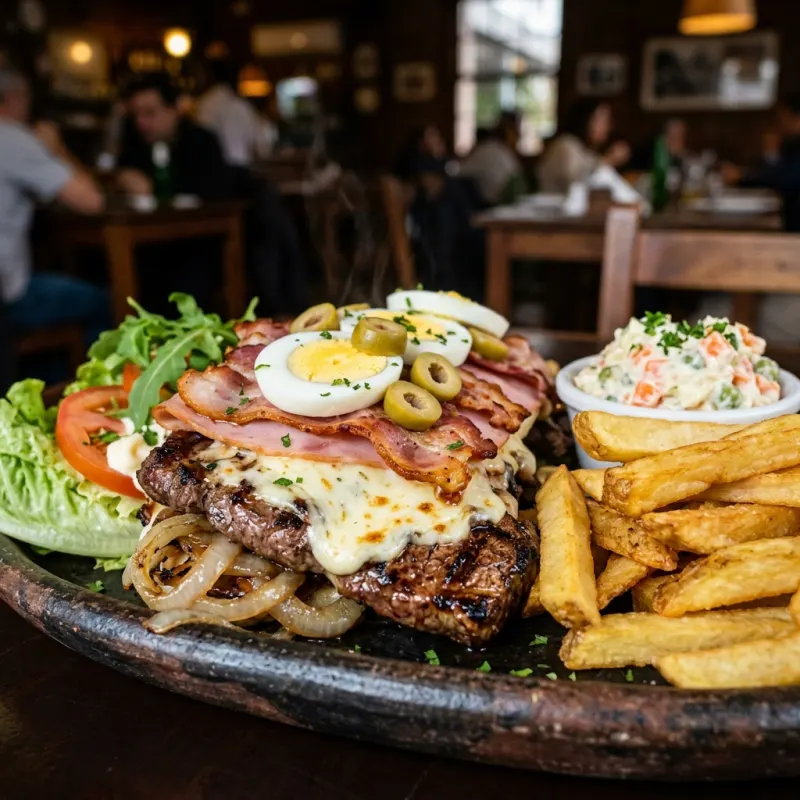
- Gastronomy and Tannat Wine: Indulge in world-class beef at traditional parrillas paired with award-winning Tannat wines from nearby municipal vineyards.
- Progressive and Relaxed Lifestyle: Experience one of South America's most socially progressive, secular, and walkable urban environments.
Things to Avoid
- Avoid wandering unescorted through the port fringes and back alleys of Ciudad Vieja after business hours and on Sunday afternoons when foot traffic drops.
- Do not refuse yerba mate if politely offered in a social setting, as sharing mate represents a genuine gesture of hospitality.
- Avoid eating dinner too early; local parrilladas and restaurants rarely fill up before 8:30 PM.
- Do not expect swimming in tropical turquoise waters; the Río de la Plata is an estuary where ocean and river currents meet, resulting in naturally brackish, tea-colored water.
Local Transportation Tips
Montevideo boasts an extensive municipal bus network operated through the Sistema de Transporte Metropolitano (STM). Riders can purchase rechargeable STM transit cards at Abitab or RedPagos branches for reduced fares. Taxis are abundant, metered, and reasonably priced. Ride-hailing applications including Uber and Cabify operate legally and reliably across all major metropolitan neighborhoods. Walking and cycling remain the best methods for navigating Ciudad Vieja, Centro, and the coastal path of the Rambla.
Travel Etiquette
- Greet shopkeepers, waitstaff, and drivers with a friendly 'Buenos días' or 'Buenas tardes' before asking questions.
- Tipping in restaurants is customary; leaving around 10% in cash or added to the bill is standard practice for good service.
- Respect the ritual of mate; never touch or adjust the metal straw (bombilla) when handed a mate gourd.
- Dress casually yet neatly; beachwear is appropriate on the sand but frowned upon when walking through city streets and indoor markets.
Recommended Age Group
Montevideo provides safe, peaceful, and culturally rich experiences across different travel demographics.
- Babies (0-2 years): Neutral. The smooth path along the Rambla is ideal for strollers, but historic cobblestones and narrow sidewalks in older quarters can present challenges.
- Kids (3-12 years): Recommended. Expansive public parks like Parque Rodó and safe open urban beaches offer ample space for recreation and outdoor games.
- Teens (13-19 years): Recommended. Older children and teenagers will enjoy cycling the shoreline, exploring street art in Cordón, and attending lively local soccer matches.
- Adults (20-64 years): Recommended. Outstanding steakhouse dining, boutique wine bars, rich architecture, and vibrant weekend street markets make Montevideo exceptionally appealing.
- Seniors (65+ years): Recommended. The flat coastal topography, tranquil pace of life, mild climate, and high standard of healthcare ensure a relaxing and comfortable stay.
Accessibility Level: Medium
- The 22-kilometer Rambla promenade is completely flat, paved, and equipped with ramp access at multiple points along the waterfront.
- Modern public buses feature low-floor entry and designated wheelchair spaces, though older fleet vehicles may lack hydraulic lifts.
- Major museums, shopping malls, and central plazas include ramp access, though historic sidewalks in Ciudad Vieja frequently have uneven surfaces and missing curb cuts.
- Most newer hotels in Punta Carretas and Pocitos offer accessible rooms with roll-in showers.
Did You Know?
Montevideo is home to the world's longest Carnival celebration, stretching over 40 days between late January and early March. The festivities center around two distinct art forms: the theatrical, satirical musical comedy of *Murga* and the thunderous Afro-Uruguayan drumming of the *Llamadas* parade.
Cool Statistics
- 22 kilometers of continuous paved coastal promenade (La Rambla).
- Palacio Salvo stood as the tallest building in South America upon its completion in 1928 at 95 meters.
- Over 50% of Uruguay's total population resides in the Montevideo metropolitan area.
- Home to the historic Estadio Centenario, which hosted the inaugural FIFA World Cup final in 1930.






Buy a compatible power adapter for your trip