Disclosure: This site contains affiliate links. We may earn a commission if you make a purchase, at no extra cost to you.

Kruger National Park

Kruger National Park in South Africa

Basic Info

COUNTRY & Region

South Africa,

ACCESSIBILITY LEVEL​

  • High: Widely accessible with good facilities for disabilities.
  • Medium: Some accessible options, but limitations exist.
  • Low: Limited accessibility; many barriers for disabilities.
Medium

LOCAL CURRENCY​

South African Rand (ZAR)

Price Level

Low – budget‑friendly basics

Medium – moderate mid‑range costs

High – pricey lodging, dining & transport

Medium

SAFETY LEVEL

5 shields = Excellent – very low crime or conflict.

4 shields = Safe – low risk, routine care.

3 shields = Relatively safe – use normal street smarts.

2 shields = Use caution – higher crime or periodic unrest.

1 shields = Avoid – active conflict or extreme danger.

Scores are derived from multi-year peace, homicide and security indices blended into a single 1-to-5 scale.

Recommended Duration

3-5 hours (Half a day), Full day, Overnight, 1-7 days

Kruger National Park Overview & Key Highlights

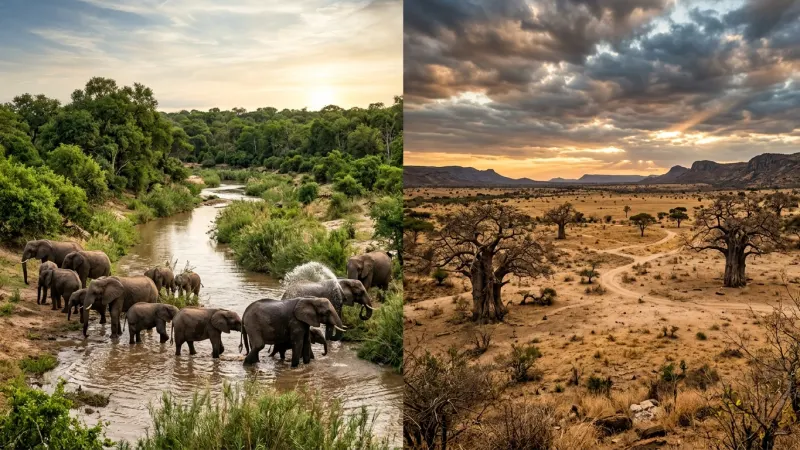
Kruger National Park is one of Africa's largest reserves, renowned for its diverse wildlife, including lions, leopards, rhinos, elephants, and buffalo. Covering nearly 20,000 square kilometers, the park offers different landscapes, from savanna to forest, making it a paradise for nature enthusiasts. Visitors can explore through self-drive safaris, guided tours, or stay in luxury lodges for a more immersive experience. Whateve­r your preference­, Kruger has many awesome options.

Kruger National Park Travel Guide: Logistics & In-Depth Tips

  • Kruger National Park offers a unique blend of wildlife experiences, from game drives and walking safaris to bird watching and photography opportunities. The park is suitable for all types of travelers, with accommodation options ranging from basic camping to luxury lodges.
  • The park is home to an incredible array of wildlife, including over 500 bird species, around 150 mammal species, and 115 reptile species.
  • Kruger National Park is located in the Lowveld region of South Africa, which has a subtropical climate with hot, humid summers and mild, dry winters.

Things to do:

  • Game viewing: Kruger National Park is home to an incredible array of wildlife, including big cats like lions and leopards, as well as elephants, rhinos, and more. The best time to see big cats is generally considered to be the dry winter months from May to October, when the grass is shorter, and the animals are more visible.
  • Birdwatching: Kruger National Park is home to over 500 bird species, making it a paradise for birdwatchers. Some of the park's most notable species include the African fish eagle, the southern ground hornbill, and the lilac-breasted roller.
  • Guided tours: Kruger National Park offers a range of guided tours led by experienced guides who can help you get the most out of your visit. Tours are available by vehicle, on foot, or by boat, and can be tailored to your interests and needs.
  • Cultural experiences: Kruger National Park is home to a number of cultural experiences that allow visitors to learn about the park's history and the people who live in the surrounding areas. These experiences include visits to local villages, cultural walks, and cultural evenings.

Reasons to visit:

  • Wildlife: Kruger National Park is home to an incredible array of wildlife, making it a must-see destination for nature lovers.
  • Scenic beauty: The park features a variety of landscapes, including savannas, woodlands, and wetlands, providing stunning backdrops for game viewing and photography.
  • Cultural experiences: Kruger National Park offers a range of cultural experiences that allow visitors to learn about the park's history and the people who live in the surrounding areas.

Things to avoid:

  • Walking or hiking in the park on your own: It is important to have a guide with you to ensure your safety when walking or hiking in the park.
  • Leaving your belongings unattended: Be aware of your surroundings and avoid leaving your belongings unattended to prevent them from being lost or stolen.
  • Disrupting the wildlife: Remember that the animals in Kruger National Park are wild and should be treated with respect. Avoid getting too close to animals or trying to feed them, as this can be dangerous for both you and the animals.


Accessibility Level: Medium

Wheelchair-friendly lodges and safari vehicles are available, but accessibility may vary depending on the camp or lodge.

Address:

Kruger National Park, South Africa

Find Nearby Accommodations

Electricity

220-240V, 
50Hz

Plug Type

Type C (Round pin), Type D (Three round pins in a triangular pattern), Type M (Three round pins, larger)
Plug types
Click To View Plug Types

Want a deeper experience in Kruger National Park?

Explore private guides and find an experience that suits your interests.

Activities To Do In Kruger National Park

Best Time To Visit Kruger National Park

The best time to visit Kruger National Park is from May to September (the dry season).

Wildlife is easier to spot due to sparse vegetation and animals gathering around water sources. These months are cooler, making safari experiences more comfortable.

Average Temperatures Per Month

Average monthly temperaturesMonthly source values, with Celsius and Fahrenheit equivalents in the following data table.10°50°16°61°23°73°29°84°35°95°JanJan: 27°C / 81°FFebFeb: 26°C / 79°FMarMar: 26°C / 79°FAprApr: 24°C / 75°FMayMay: 21°C / 70°FJunJun: 19°C / 66°FJulJul: 19°C / 66°FAugAug: 21°C / 70°FSepSep: 23°C / 73°FOctOct: 24°C / 75°FNovNov: 26°C / 79°FDecDec: 26°C / 79°F
View temperature data
Average monthly temperatures
Month°C°F
Jan2781
Feb2679
Mar2679
Apr2475
May2170
Jun1966
Jul1966
Aug2170
Sep2373
Oct2475
Nov2679
Dec2679

Remember to check the weather forecast a few days before the trip and before heading to the airport.

Safety Level

5 shields = Excellent – very low crime or conflict.

4 shields = Safe – low risk, routine care.

3 shields = Relatively safe – use normal street smarts.

2 shields = Use caution – higher crime or periodic unrest.

1 shields = Avoid – active conflict or extreme danger.

Scores are derived from multi-year peace, homicide and security indices blended into a single 1-to-5 scale.

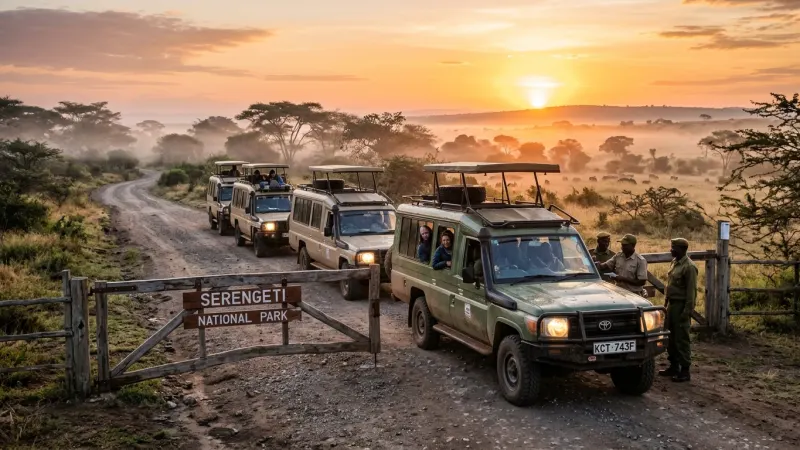
Visitors should exercise increased caution, particularly on access roads leading to the park where localized crime and protests can occur. Avoid entering through Numbi Gate due to past safety incidents on surrounding routes, opting instead for alternate entrances like Phabeni Gate during daylight hours. Inside the reserve, strictly follow national park regulations by staying inside your vehicle at all times except in designated safe areas.

The rating is based on multi-year peace, crime, and security indices. Before you go, always verify current conditions through official government travel advisories.

Emergency Numbers

Police: 10111
Ambulance: 10177

No internet needed • Includes local translations • Free for TravelingWiz readers

Spoken Languages

Local Languages: English, Afrikaans, Tsonga, and other South African languages English is widely spoken, and most park staff and guides are fluent, making it easy for international visitors to communicate.
Travel Booking Partner - TravelingWiz

Learn The Language

  • Please: Ngicela (Zulu)
  • Goodbye: Hamba kahle (Zulu) / Totsiens (Afrikaans)
  • Where is…?: Uphi…? (Zulu)
  • Yes/No: Yebo / Cha (Zulu)

Trip Cost & Budgeting for Kruger National Park, 2026

Everything you need to know about money while traveling
Is Kruger National Park expensive for tourists in 2026? While luxury private lodges can be costly, self-drive safaris and SANParks rest camps keep it surprisingly affordable for mid-range travelers. Based on our Human Verified prices, you can expect to pay around R40 for a cappuccino, R45 for a local draft beer, and R200 for a solid restaurant main meal. Use the data table below to calculate your specific daily budget based on your travel style.

LOCAL CURRENCY​:

South African Rand (ZAR)

Price Level:

Low – budget‑friendly basics

Medium – moderate mid‑range costs

High – pricey lodging, dining & transport

Medium

Cards Vs. Cash

Credit cards are widely accepted at main rest camps and gates, but cash is helpful for tips and gate controls.

How Much Cash to Carry (on you)

Per person, per day – pocket cash for small purchases.

Local: 290
South African Rand (ZAR)
≈ 18 USD

Average Daily Costs (per person)

Full daily spend estimation (accommodation, food, transportation, attractions).

Travel Style
South African Rand (ZAR)
≈ USD ($)
Budget
1570
98
Mid-range
2850
179
Comfort
6250
392
Note

The Prices, Daily costs, and calculator results are estimates for planning purposes only. Actual costs may vary based on season, booking timing, personal spending habits, and currency fluctuations. TravelingWiz cannot be held responsible for discrepancies between these estimates and your final trip expenses.

Best Value Tips

  • Rent a standard sedan for self-driving inside the park rather than paying for expensive guided open-safari vehicles on every outing.
  • Stay in SANParks rest camp bungalows or campsites which offer full self-catering kitchens and braai facilities at a fraction of private lodge rates.
  • Stock up on groceries, firewood, and fuel in gateway towns like Hazyview or Nelspruit before entering the park where prices are higher.
  • Purchase a SANParks Wild Card if staying for five days or longer to save significantly on daily international conservation entry fees.

Travel Offers & Coupons

Browse travel offers and coupons from our affiliate partners.
Affiliate partner offers

What To Pack

Pack light, breathable, neutral-colored clothing for game drives, along with a wide-brimmed hat, sunglasses, and sunscreen. Include comfortable walking shoes for bush walks, insect repellent, binoculars for wildlife viewing, a camera, and a reusable water bottle. Evenings can get chilly, so pack a warm layer. Don’t forget your essential documents, including passports, park entry permits, and copies of reservations.


See our free Safari Trip Packing List.

Only the good stuff!
Browse recommended travel gear
Check out our free packing list tool

Recommended Itineraries for Traveling to Kruger National Park

Take your itinerary with you

Choose a ready-made itinerary, plan your own trip, and keep TravelingWiz by your side while you travel.

Get the TravelingWiz app

Maya’s Final Checklist for Kruger National Park

Logistics shouldn’t be the focus of your trip—the experience should. I’ve hand-vetted these essential partners to ensure your arrival, stay, and exploration are as smooth as an Athenian breeze.

Maya, the human travel expert at TravelingWiz, offering curated, non-AI expertise

Where to Stay

Compare accommodation options and choose a stay that suits your plans and budget.

Air Travel

Compare flight options and find a route that fits your plans.

Local Guides

Connect with local guides for personalized help planning and exploring.

Travel Protection

The “Engineer’s” rule: always have a backup. Secure your trip with a plan that covers every “what if” and unexpected change.

Car Rentals

Compare rental options and choose a car that suits your trip.

Visa Information

Don’t let paperwork slow you down. Get expert assistance with your application to ensure all your entry documents are in order.

FAQs

The best time for wildlife viewing is generally during the dry season, from May to September. During these months, vegetation is sparse, and animals congregate around water sources, making them easier to spot. The weather is also cooler and drier, which is more comfortable for safaris. However, the wet season (October to April) offers lush landscapes, excellent birdwatching opportunities, and the chance to see newborn animals, though wildlife can be harder to spot due to denser vegetation.
Yes, self-drive safaris are popular, allowing you to explore the park at your own pace.
Yes, it is family-friendly with various accommodation options and safe guided tours.
Kruger National Park is accessible by car, typically a 4-5 hour drive from Johannesburg. Major airports serving the park include Kruger Mpumalanga International Airport (MQP) near Mbombela (Nelspruit) and Skukuza Airport (SZK) located within the park itself, offering direct flights from Johannesburg and Cape Town. Many visitors also opt for shuttle services or guided tour transfers from Johannesburg.
The park is home to the Big Five (lion, leopard, rhino, elephant, buffalo), various antelope species, crocodiles, and hundreds of bird species.
Yes, Kruger National Park has a range of accommodation options available, including luxury lodges, tented camps, and budget-friendly rest camps.
Kruger National Park is located in a malaria-risk area, especially during the warmer, wetter months (September to May). It is highly recommended to consult your doctor about anti-malarial medication. Other general precautions include staying hydrated, protecting yourself from the sun, and being up-to-date on routine vaccinations. Always carry insect repellent and a basic first-aid kit.

Your Insights Matter

TravelingWiz grows through the stories of our community. If you’ve recently explored ,Kruger National Park share your tips and stories to help us perfect our guides for the next traveler.

Where should we send your offline card?

We hate spam just as much as you do

newsletter_consent *