Disclosure: This site contains affiliate links. We may earn a commission if you make a purchase, at no extra cost to you.
South Africa

South Africa

Basic Info

COUNTRY & Region

Africa

ACCESSIBILITY LEVEL​

  • High: Widely accessible with good facilities for disabilities.
  • Medium: Some accessible options, but limitations exist.
  • Low: Limited accessibility; many barriers for disabilities.
Medium

LOCAL CURRENCY​

South African Rand (ZAR)

Price Level

Low – budget‑friendly basics

Medium – moderate mid‑range costs

High – pricey lodging, dining & transport

Medium

SAFETY LEVEL

5 shields = Excellent – very low crime or conflict.

4 shields = Safe – low risk, routine care.

3 shields = Relatively safe – use normal street smarts.

2 shields = Use caution – higher crime or periodic unrest.

1 shields = Avoid – active conflict or extreme danger.

Scores are derived from multi-year peace, homicide and security indices blended into a single 1-to-5 scale.

Recommended Duration

1-7 days, More than a week

South Africa Overview & Key Highlights

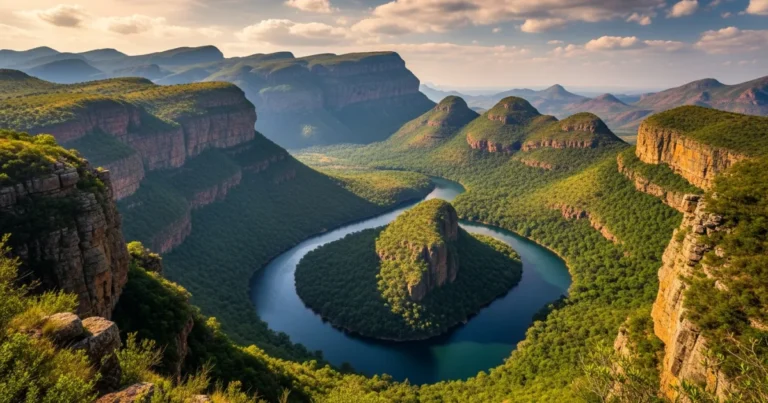
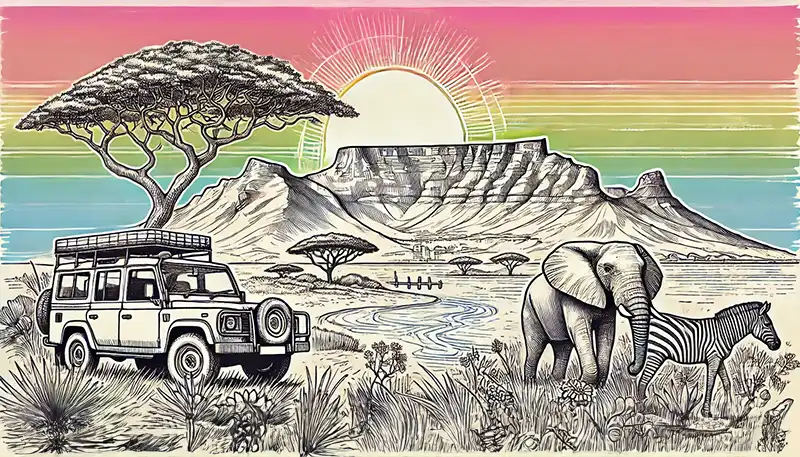
South Africa offers many different travel styles, including stunning coastlines, majestic mountains, vibrant cities, and iconic wildlife experiences. From Cape Town’s Table Mountain and the winelands to Johannesburg’s dynamic culture and Kruger National Park’s safari adventures, South Africa blends natural beauty with rich history and diverse cultures.

South Africa Travel Guide: Logistics & In-Depth Tips

South Africa’s incredible landscapes, wildlife, and culture make it a top destination for diverse travel experiences.

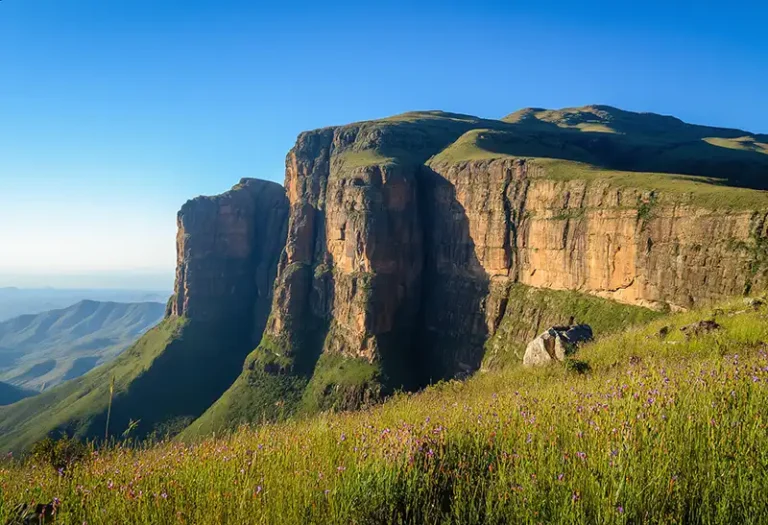
  • Breathtaking Natural Landscapes: South Africa’s scenery ranges from the sweeping coastal views along the Garden Route to the peaks of the Drakensberg Mountains and the wildlife-rich plains of Kruger National Park. Table Mountain, with its iconic flat top, offers panoramic views of Cape Town and the surrounding ocean.
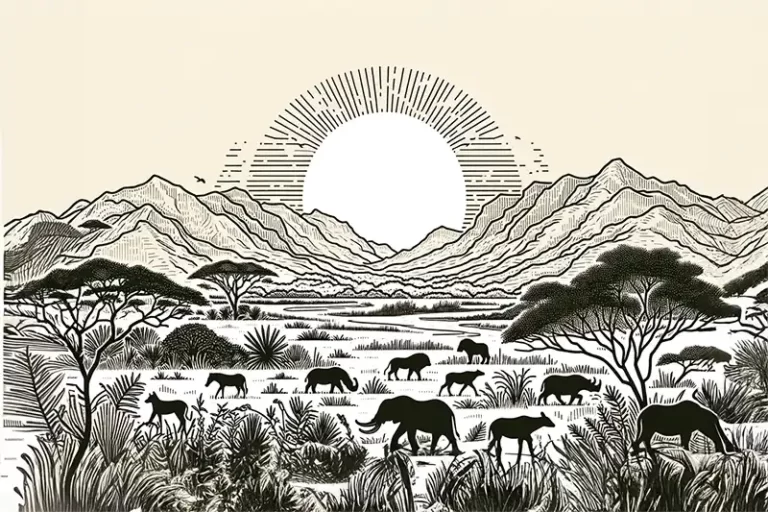
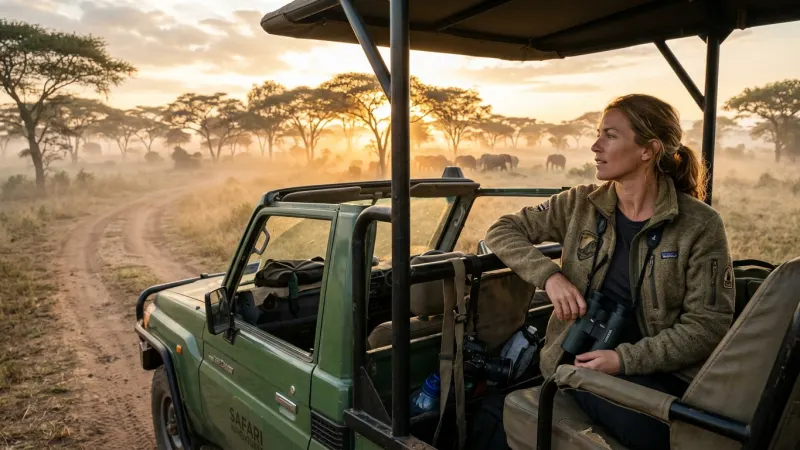
  • Wildlife and Safari Adventures: South Africa is one of the world’s best safari destinations. In Kruger National Park and other reserves, travelers can witness the Big Five (lion, leopard, elephant, rhino, and buffalo), along with countless other species. Guided game drives and bush walks provide memorable experiences for wildlife enthusiasts.
  • Cultural Diversity and History: South Africa has a rich and complex history, with important historical sites such as Robben Island, where Nelson Mandela was imprisoned, and the Apartheid Museum in Johannesburg. South Africa’s many cultures and languages, including Zulu, Xhosa, and Afrikaans, are celebrated through music, art, and food.
  • Food and Wine Experiences: South Africa is known for its vineyards, especially in regions like Stellenbosch and Franschhoek, where wine tours and tastings are a must. Traditional South African dishes include braai (barbecue), bobotie (spiced minced meat), and biltong (dried, cured meat).


Reasons to Visit:

  • Iconic Wildlife and Safari Experiences: South Africa is renowned for its Big Five safaris and diverse ecosystems.
  • World-Class Beaches and Scenic Coasts: The Garden Route and Cape Town’s beaches are some of the most beautiful in the world.
  • Rich Cultural Heritage: Explore the history and culture of South Africa through sites like Robben Island and the vibrant local markets.
  • Adventure Activities: From hiking Table Mountain to cage diving with sharks, South Africa is a playground for thrill-seekers.
  • Outstanding Culinary Scene: South Africa’s wine regions, fresh seafood, and unique culinary traditions make it a foodie paradise.


Things to Avoid:

  • Walking Alone in Isolated Areas: Stick to well-populated areas and reputable tour guides, especially at night.
  • Ignoring Local Safety Advice on Wildlife: Always respect the rules on safaris to avoid dangerous encounters.
  • Underestimating the Sun: South Africa’s sun can be intense, so wear sunscreen and stay hydrated.
  • Venturing into Townships Without a Guide: Some areas may require knowledgeable local guidance for safety and respect.


Accessibility Level: Medium

Major cities and tourist areas offer accessibility options, but more rural and wildlife-focused regions may have limited accessibility.

Address:

South Africa

Find Nearby Accommodations

Electricity

220-240V, 
50Hz

Plug Type

Type C (Round pin), Type M (Three round pins, larger), Type N (Three round pins, hexagonal profile
Plug types
Click To View Plug Types

Want a deeper experience in South Africa?

Explore private guides and find an experience that suits your interests.

Activities To Do In South Africa

Best Time To Visit South Africa

The best time to visit South Africa is during the dry season (May to September) for optimal wildlife viewing, though the country has pleasant weather year-round.

  • Spring (September to November): Mild weather and blooming flowers make it a great time for coastal exploration and safaris.
  • Summer (December to February): Hot weather with occasional rain in some regions; ideal for beach destinations and exploring Cape Town’s coast.
  • Autumn (March to May): Cooler temperatures, making it ideal for exploring vineyards and wildlife reserves.
  • Winter (June to August): Cooler and drier, with prime conditions for safaris, particularly in Kruger National Park and other reserves.

Average Temperatures Per Month

Average monthly temperaturesMonthly source values, with Celsius and Fahrenheit equivalents in the following data table.5°41°13°55°20°68°28°82°35°95°JanJan: 26°C / 79°FFebFeb: 25°C / 77°FMarMar: 22°C / 72°FAprApr: 18°C / 64°FMayMay: 14°C / 57°FJunJun: 10°C / 50°FJulJul: 10°C / 50°FAugAug: 12°C / 54°FSepSep: 16°C / 61°FOctOct: 20°C / 68°FNovNov: 23°C / 73°FDecDec: 24°C / 75°F
View temperature data
Average monthly temperatures
Month°C°F
Jan2679
Feb2577
Mar2272
Apr1864
May1457
Jun1050
Jul1050
Aug1254
Sep1661
Oct2068
Nov2373
Dec2475

Remember to check the weather forecast a few days before the trip and before heading to the airport.

Safety Level

5 shields = Excellent – very low crime or conflict.

4 shields = Safe – low risk, routine care.

3 shields = Relatively safe – use normal street smarts.

2 shields = Use caution – higher crime or periodic unrest.

1 shields = Avoid – active conflict or extreme danger.

Scores are derived from multi-year peace, homicide and security indices blended into a single 1-to-5 scale.

Increased caution is advised across South Africa due to high rates of violent crime, including carjackings, muggings, and opportunistic theft in urban centers and townships. Avoid walking alone after dark, keep car doors locked with windows rolled up while driving, and refrain from displaying expensive electronics or jewelry. Stick to reputable tours, pre-arranged transportation, or established ride-hailing services when traveling between attractions.

The rating is based on multi-year peace, crime, and security indices. Before you go, always verify current conditions through official government travel advisories.

Emergency Numbers

Police: 10111
Ambulance: 10177

No internet needed • Includes local translations • Free for TravelingWiz readers

Spoken Languages

The official languages are Zulu, Xhosa, Afrikaans, and English (among others), with English widely spoken, especially in tourist areas.
Travel Booking Partner - TravelingWiz

Learn The Language

  • Hello – Sawubona (Zulu) / Molo (Xhosa)
  • Thank you – Ngiyabonga (Zulu) / Enkosi (Xhosa)
  • Yes – Yebo
  • No – Cha
  • Excuse me – Uxolo
  • Please – Ngiyacela
  • Good morning – Sawubona ekuseni
  • Goodbye – Hamba kahle (to a person leaving) / Sala kahle (to a person staying)

Trip Cost & Budgeting for South Africa, 2026

Everything you need to know about money while traveling
Is South Africa expensive for tourists in 2026? Generally no, as favorable exchange rates make South Africa a remarkably high-value destination for foreign visitors. With our Human Verified prices, you can expect to pay around R38 for a cappuccino, R40 for a domestic pint of beer, and R180 for a main meal at a sit-down restaurant. Costs rise mainly for luxury safari lodges. Use the data table below to calculate your specific daily budget based on your travel style.

LOCAL CURRENCY​:

South African Rand (ZAR)

Price Level:

Low – budget‑friendly basics

Medium – moderate mid‑range costs

High – pricey lodging, dining & transport

Medium

Cards Vs. Cash

Cards are widely accepted across South African cities and tourist spots, though cash is handy for tipping car guards and small vendors.

How Much Cash to Carry (on you)

Per person, per day – pocket cash for small purchases.

Local: 190
South African Rand (ZAR)
≈ 12 USD

Average Daily Costs (per person)

Full daily spend estimation (accommodation, food, transportation, attractions).

Travel Style
South African Rand (ZAR)
≈ USD ($)
Budget
1050
65
Mid-range
1900
117
Comfort
4200
258
Note

The Prices, Daily costs, and calculator results are estimates for planning purposes only. Actual costs may vary based on season, booking timing, personal spending habits, and currency fluctuations. TravelingWiz cannot be held responsible for discrepancies between these estimates and your final trip expenses.

Best Value Tips

  • • Rent a car for regional travel to save on long-distance ride-hailing and tour transfer costs.
  • • Eat at local markets and braai spots for affordable, high-quality meals beyond main tourist strips.
  • • Travel during shoulder season months like May or September for cheaper lodging and great safari viewing.
  • • Self-drive through national parks like Kruger rather than booking expensive fully guided game tours.

Travel Offers & Coupons

Browse travel offers and coupons from our affiliate partners.
Affiliate partner offers

What To Pack

Pack lightweight, breathable clothing for the summer and warmer layers for winter. Bring sunscreen, insect repellent, a wide-brimmed hat, and sturdy walking shoes for safaris. For coastal areas, pack swimwear, and for wildlife reserves, neutral-colored clothing to blend in. Binoculars and a camera are essential for wildlife viewing.

Only the good stuff!
Browse recommended travel gear
Check out our free packing list tool

Recommended Itineraries for Traveling to South Africa

Take your itinerary with you

Choose a ready-made itinerary, plan your own trip, and keep TravelingWiz by your side while you travel.

Get the TravelingWiz app

Maya’s Final Checklist for South Africa

Logistics shouldn’t be the focus of your trip—the experience should. I’ve hand-vetted these essential partners to ensure your arrival, stay, and exploration are as smooth as an Athenian breeze.

Maya, the human travel expert at TravelingWiz, offering curated, non-AI expertise

Where to Stay

Compare accommodation options and choose a stay that suits your plans and budget.

Air Travel

Compare flight options and find a route that fits your plans.

Local Guides

Connect with local guides for personalized help planning and exploring.

Travel Protection

The “Engineer’s” rule: always have a backup. Secure your trip with a plan that covers every “what if” and unexpected change.

Car Rentals

Compare rental options and choose a car that suits your trip.

Visa Information

Don’t let paperwork slow you down. Get expert assistance with your application to ensure all your entry documents are in order.

FAQs

May to September is the best time for safaris, while summer months (December to February) are ideal for coastal activities.
Many nationalities do not need a visa for short stays. Check with the South African embassy for updated requirements.
Routine vaccines are recommended. A Yellow Fever certificate is required if you are arriving from a country with a risk of transmission. Malaria prophylaxis is advised for certain areas like Kruger National Park.
Yes, South Africa is safe with precautions, especially in cities. Following safety tips can enhance the experience.
Highlights include Cape Town, Kruger National Park, the Garden Route, and Robben Island.
Yes, you can safely drink tap water in major urban centers such as Cape Town and Johannesburg. The water quality in metropolitan areas adheres to strict health and safety standards. However, if you travel to remote, rural communities or stay in isolated safari lodges, you should drink bottled, boiled, or filtered water instead to prevent stomach issues.
Pack lightweight, breathable layers for warm afternoons and warmer jackets for chilly morning game drives in winter. Neutral tones such as khaki, beige, and olive blend in naturally during wildlife viewing, while bright colors or dark blues should be avoided. Bring sturdy walking shoes, a wide-brimmed sun hat, high-SPF sunscreen, insect repellent, and quality binoculars to view animals from afar.
Yes, you can use credit and debit cards across most urban restaurants, hotels, grocery stores, and major tourist spots. However, you should carry small amounts of local cash for tipping car guards, purchasing crafts from roadside markets, or exploring remote regions. For up-to-date daily spending estimates and cash management recommendations, consult the Budget section on this page.
You must have a passport valid for at least 30 days beyond your intended date of departure from South Africa. Additionally, border authorities strictly require that your passport contains at least two completely blank visa pages for entry and exit stamps. Ensure your travel documents meet these conditions before boarding your flight to avoid denied boarding or entry issues.

Your Insights Matter

TravelingWiz grows through the stories of our community. If you’ve recently explored ,South Africa share your tips and stories to help us perfect our guides for the next traveler.

Where should we send your offline card?

We hate spam just as much as you do

newsletter_consent *