Semarang functions as the administrative and economic engine of Central Java, settled strategically between the Java Sea and the verdant volcanic peaks of Mount Ungaran. The city’s timeline tracks centuries of maritime trade, serving as a historic landfall for Chinese Admiral Zheng He in the early 15th century and later developing into a heavily fortified Dutch East India Company trading post.
Today, urban travelers find a captivating blend of conserved Dutch colonial warehouses in Kota Lama, grand civic edifices, active Chinese clan houses, and serene Javanese mosques. The contrast between the flat, humid lower city (Semarang Bawah) and the cooler, hilly residential ridge (Semarang Atas) offers diverse urban viewpoints, bustling night food markets, and rapid rail connections to Yogyakarta and Surakarta.
Reasons to Visit
- Kota Lama Dutch Heritage: Stroll through 'Little Netherlands', home to dozens of restored 18th- and 19th-century European buildings and the landmark domed Blenduk Church.
- Lawang Sewu: Explore the grand former headquarters of the Dutch East Indies Railway Company, renowned for its thousands of arched doorways and stained-glass panels.
- Sam Poo Kong Temple: Marvel at the sprawling Sino-Javanese temple complex built to commemorate the historic expeditions of Admiral Zheng He.
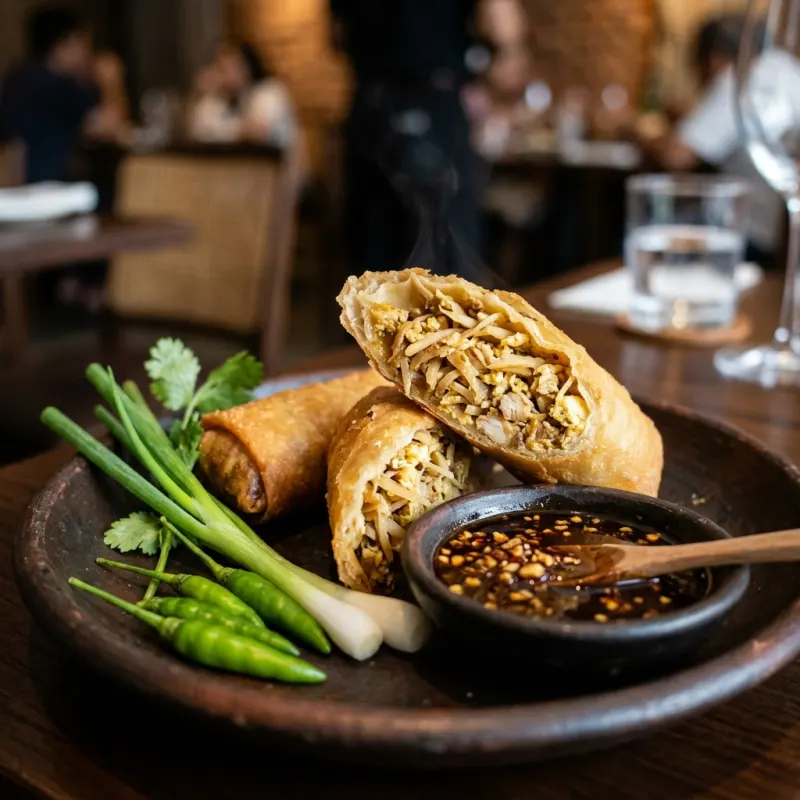
- Renowned Culinary Scene: Feast on authentic regional staples like Bandeng Presto, Tahu Gimbal, and hot Lunpia directly from heritage family workshops.
Things to Avoid
- Avoid walking long distances in unshaded lowland districts between 11:00 AM and 2:00 PM without sun protection and hydration.
- Do not drink tap water; always choose sealed bottled water or filtered water provided by reputable venues.
- Avoid taking unmetered unmarked street taxis; instead, utilize official airport taxi counters or ride-hailing apps.
- Do not touch religious offerings or enter worship halls without removing shoes or observing quiet etiquette.
Local Transportation Tips
Semarang features an accessible mix of modern transit and convenient micro-mobility options. The Trans Semarang BRT (Bus Rapid Transit) system runs comprehensive corridors connecting the airport, railway stations, and major sights for an inexpensive fixed fare. For optimal convenience, ride-hailing platforms Grab and Gojek provide instant on-demand car and motorcycle rides across all neighborhoods. Traditional motorized three-wheelers (Bajaj) and pedal trishaws (Becak) remain popular for scenic, short-distance journeys inside the flat Kota Lama heritage quarter.
Travel Etiquette
- Use your right hand when offering money, shaking hands, or passing items to others, as the left hand is culturally considered impolite.
- Dress modestly when visiting mosques, temples, and government landmarks by covering shoulders and knees.
- Remove your footwear before stepping into private residences, prayer halls, and traditional Javanese pavilions.
- Greet locals with a warm smile and a polite slight bow of the head to return customary Javanese hospitality.
Recommended Age Group
Semarang welcomes a wide range of visitors with its accessible historical walks, comfortable transit, and rich cultural sites.
- Babies (0-2 years): Neutral. Narrow or broken pavements outside Kota Lama require baby carriers rather than strollers, though modern malls offer comfortable nursing amenities.
- Kids (3-12 years): Recommended. Children enjoy the colorful dragon motifs at Sam Poo Kong temple, open park plazas, and historic train excursions nearby at Ambarawa.
- Teens (13-19 years): Recommended. Teenagers appreciate the mysterious legends of Lawang Sewu, vibrant street art murals, and Instagram-worthy coffee shops in Kota Lama.
- Adults (20-64 years): Recommended. Perfect demographic for guided architectural walks, immersive food tours, antique markets, and rich photography circuits.
- Seniors (65+ years): Recommended. The flat, pedestrianized core of Kota Lama and reliable private air-conditioned vehicle hire offer a relaxed, low-strain cultural holiday.
Accessibility Level: Medium
- The revitalized Kota Lama heritage quarter features level cobblestone streets, lowered curb cuts, and pedestrianized alleys suitable for wheelchair users.
- Major attractions like Sam Poo Kong provide paved, wide pathways throughout the main temple courtyards, though some elevated shrines involve steps.
- Lawang Sewu offers flat ground-floor access and ramps to central exhibition halls, but upper balconies and basement areas require stairs.
- Accessible public transit remains limited; reserving private air-conditioned vehicles or WAV-friendly transport through local tour agencies is strongly advised.
Did You Know?
The name of the famous landmark 'Lawang Sewu' translates from Javanese to 'Thousand Doors'. While the building actually contains around 429 doors, its numerous large arched doorways, tall windows, and interconnected structural passages give the optical illusion of thousands of entrances.
Cool Statistics
- Over 50 historic colonial structures have been actively preserved and restored across the Kota Lama conservation precinct.
- Gereja Blenduk, built in 1753, stands as the oldest functioning Christian church building in Central Java.
- Semarang's historic port of Tanjung Emas handles millions of tons of maritime cargo annually, sustaining centuries of seafaring commerce.






Buy a compatible power adapter for your trip