Disclosure: This site contains affiliate links. We may earn a commission if you make a purchase, at no extra cost to you.

>
>
>
>
Central Java

Central Java

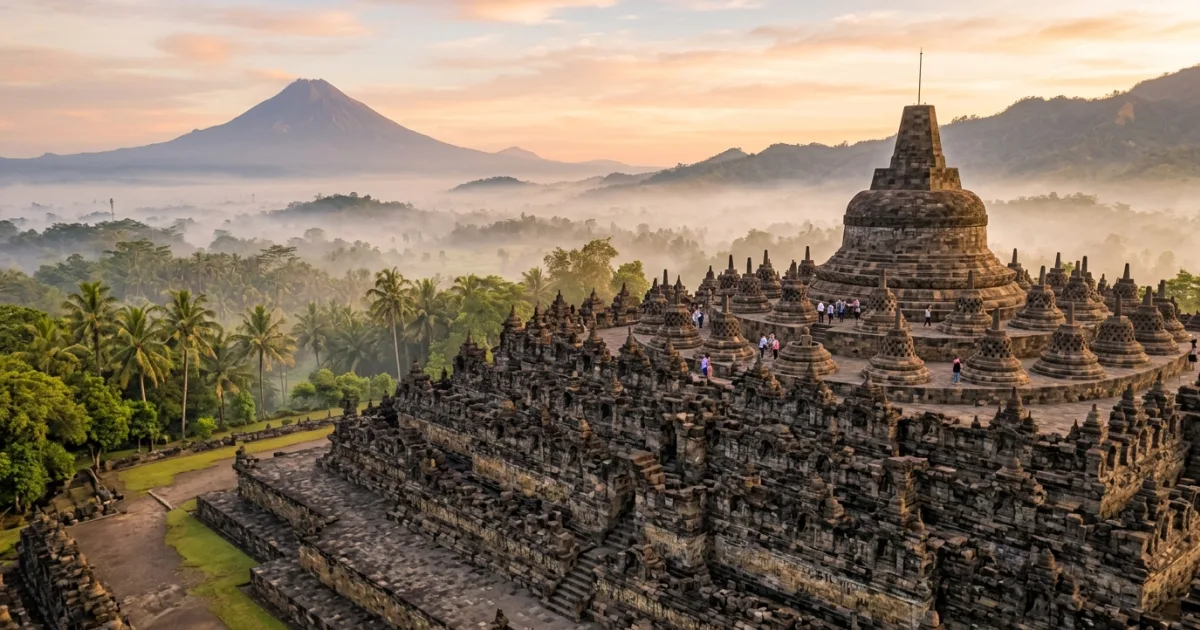
Borobudur Temple stupas at sunrise overlooking the lush misty plains of Central Java

Central Java Overview & Key Highlights

Central Java represents the historical and spiritual heartland of Indonesia, bordered by West Java, East Java, and the Indian Ocean. The province anchors classical Javanese civilization, encompassing monumental stone architecture such as the 8th-century Borobudur Buddhist temple and royal court traditions preserved in Surakarta (Solo). Across its varied landscape, smoldering volcanic peaks like Mount Merapi frame emerald rice terraces, cool highland plateaus in Dieng, and coastal mangrove belts along the Java Sea. Travelers navigate an evocative convergence of ancient Hindu-Buddhist heritage, historic Islamic sultanates, and vibrant living crafts like authentic hand-drawn batik. Transport infrastructure connects key provincial hubs via modern electric commuter lines, scenic trans-Java express trains, and well-paved tollways. From trekking mist-shrouded volcanic craters and sampling sweet and savory Javanese culinary specialties to exploring quiet heritage villages, Central Java offers an immersive journey through Southeast Asia's deepest historical strata.

Central Java Travel Guide: Logistics & In-Depth Tips

Central Java forms the historic cradle of Javanese civilization, preserving millennia of artistic, spiritual, and architectural traditions. Anchored administratively by the port capital of Semarang on the northern coast and culturally by the royal courts of Surakarta (Solo) in the south, the province houses some of the world's most significant religious monuments. Foremost among them is the 8th-century Borobudur, the world's largest Buddhist sanctuary, standing gracefully amidst the lush Kedu Plain against a backdrop of active volcanic peaks.

Beyond its monumental archaeological treasures, the region captivates travelers with dramatic natural contrasts. The mist-veiled Dieng Plateau offers ancient Hindu shrines, bubbling geothermal calderas, and multi-hued mineral lakes situated over 2,000 meters above sea level. Meanwhile, the fertile volcanic foothills support sprawling tea plantations, terraced rice paddies, and traditional craft centers where heritage batik, shadow puppetry (wayang kulit), and gamelan orchestras continue to thrive as integral facets of daily community life.

Reasons to Visit

  • Borobudur Monument: Walk through nine stone tiers representing Buddhist cosmology at this 8th-century UNESCO World Heritage marvel.
  • Dieng Plateau Highlands: Witness geothermal vents, sulfur lakes, and ancient stone shrines perched high in the cooler mountain air.
  • Royal Heritage in Surakarta (Solo): Visit the living Kraton Surakarta and Mangkunegaran palaces to experience classical Javanese dance, gamelan, and textile artistry.
  • Semarang Old Town (Kota Lama): Wander among beautifully restored Dutch colonial commercial buildings, canals, and vibrant boutique cafes.
  • Pristine Marine Escapes in Karimunjawa: Discover turquoise archipelagic waters, white sand atolls, and healthy coral reefs off the northern coast.

Things to Avoid

  • Avoid entering religious monuments or royal kraton compounds in revealing clothing like sleeveless tank tops or short shorts.
  • Do not touch, sit on, or climb upon ancient stone carvings, stupas, or temple bas-reliefs.
  • Avoid taking unmetered taxis outside major rail stations; use authorized taxi counters or ride-hailing services like Grab or Gojek.
  • Do not ignore volcanic warnings or off-limit trail advisories published by the Indonesian Center for Volcanology (PVMBG).
  • Avoid pointing with your index finger or offering items with your left hand, both of which are considered impolite in traditional Javanese etiquette.

Local Transportation Tips

Intercity transit across Central Java is exceptionally efficient via the PT KAI railway system, which operates clean, air-conditioned executive and economy trains connecting Semarang, Surakarta, Pekalongan, Tegal, and Purwokerto. For suburban exploration and excursions to Dieng or Borobudur, renting a private car with a local driver is widely available, flexible, and economical. Within cities like Semarang and Solo, modern TransSemarang and Batik Solo Trans bus systems run frequent routes, complemented by app-based ride-hailing services (Grab and Gojek) and traditional three-wheeled pedal becaks for short scenic jaunts.

Travel Etiquette

  • Greet locals with a gentle nod and a warm smile; handshakes are customary but should be soft and respectful.
  • Always use your right hand when passing food, money, or documents, keeping your left hand resting at your side.
  • Remove your footwear before stepping into private homes, village pavilions, and traditional prayer halls.
  • Lower your voice and avoid public displays of intense anger or confrontation, as emotional restraint and harmony (rukun) are foundational Javanese virtues.

Recommended Age Group

Central Java welcomes a wide spectrum of travelers thanks to its blend of comfortable urban amenities, well-organized heritage sites, and picturesque rural landscapes.

  • Babies (0-2 years): Neutral. Tropical humidity, uneven temple flagstones, and limited stroller accessibility at archaeological sites require baby carriers and careful hydration management.
  • Kids (3-12 years): Recommended. Children will enjoy open-air temple exploration, train rides across the countryside, and interactive batik-making workshops in Solo and Pekalongan.
  • Teens (13-19 years): Recommended. Excellent destination for teenagers who appreciate volcanic jeep safaris on Mount Merapi, highland trekking in Dieng, and exploring bustling night markets.
  • Adults (20-64 years): Recommended. Perfect for cultural enthusiasts, photographers, culinary adventurers, and road-trippers seeking deep historical immersion and diverse natural vistas.
  • Seniors (65+ years): Neutral. Historic royal palaces and city museums are easily navigated, but climbing Borobudur's steep stone steps and exploring highland calderas may present physical challenges for travelers with mobility concerns.

Accessibility Level: Medium

  • The outer park grounds of Borobudur and Prambanan feature paved pathways and golf cart shuttles for visitors with limited mobility, though the multi-tiered stone temples themselves require climbing steep steps without elevator access.
  • Major rail terminals (such as Semarang Tawang and Solo Balapan) provide level boarding ramps, accessible restrooms, and dedicated passenger assistance teams.
  • Contemporary 4- and 5-star hotels in Semarang, Magelang, and Solo generally offer wheelchair-accessible rooms and step-free lobby entrances.
  • Historic Old Town areas and rural volcanic trails feature uneven cobblestones, high curbs, and natural dirt pathways where manual wheelchair navigation is challenging without assistance.

Did You Know?

Central Java's Borobudur Temple lay hidden for centuries beneath dense volcanic ash from Mount Merapi and jungle overgrowth before being brought back to international attention in 1814 by Sir Thomas Stamford Raffles and Dutch engineer H.C. Cornelius.

Cool Statistics

  • Borobudur contains over 2,670 individual relief panels and 504 stone Buddha statues.
  • Dieng Plateau sits at an average altitude of approximately 2,093 meters (6,867 feet) above sea level.
  • Central Java is home to Karimunjawa, an archipelago of 27 tropical coral islands in the Java Sea.


Address:

Central Java, Indonesia

Find Nearby Accommodations

Basic Info

address icon

COUNTRY & Region

Indonesia,
Asia

ACCESSIBILITY LEVEL​

Medium
Currency icon

LOCAL CURRENCY​

Indonesian Rupiah (IDR)
Price level icon
Low
Safety Level icon

SAFETY LEVEL

Duration icon

Recommended Duration

• 1-7 days
• More than a week

Electricity

electricity icon

Electricity

220-240V, 
50Hz
Plug Socket icon

Plug Type

• Type C (Round pin)
• Type F (Two round pins with earth clips)
Plug types
Click To View Plug Types
Central Java is part of our
Solo Female Friendly collection

Activities To Do In Central Java

Best Time To Visit Central Java

Central Java experiences a tropical monsoon climate divided cleanly into dry and wet seasons.

  • Dry Season (May to September): Peak period for travel, offering clear blue skies, minimal rainfall, and crisp sunrises over Borobudur and Mount Merapi.
  • Shoulder Season (April and October): Excellent balance of manageable crowds, lush landscapes, and occasional short afternoon showers.
  • Wet Season (November to March): Heavy tropical downpours characterize the afternoons; agricultural scenery is at its greenest, though outdoor trekking and volcanic hiking face occasional weather closures.

Average Temperatures Per Month

Remember to check the weather forecast a few days before the trip and before heading to the airport.

Safety Level icon

Safety Level

Central Java enjoys a low violent crime rate, and local residents are famously polite and hospitable. Maintain situational awareness against occasional pickpocketing in crowded markets like Pasar Gede. Monitor geological alerts before trekking around Mount Merapi, Mount Slamet, or the sulfuric vents of Dieng Plateau, as active volcanic zones can shift safety statuses quickly. Always drink bottled or filtered water and avoid raw ice from informal street vendors.

The rating is based on multi-year peace, crime, and security indices. Before you go, always verify current conditions through official government travel advisories.

Emergency Numbers

Police: 110
Ambulance: 118

No internet needed • Includes local translations • Free for TravelingWiz readers

Spoken Languages

Indonesian (Bahasa Indonesia) is the official national language used in administration and signage; Javanese is universally spoken in everyday life. Basic English is widely understood in hotels, tourism venues, and major transit hubs.

Learn The Language

  • Halo – Hello
  • Tolong – Please (asking for assistance)
  • Terima kasih – Thank you
  • Matur nuwun – Thank you (Javanese, highly appreciated locally)
  • Berapa harganya? – How much is this?
  • Permisi – Excuse me
  • Ya / Tidak – Yes / No
  • Di mana toilet? – Where is the bathroom?
Travel Booking Partner - TravelingWiz

Trip Cost & Budgeting for Central Java, 2026

Everything you need to know about money while traveling
Is Central Java expensive for tourists in 2026? Not at all, as it remains one of the most affordable travel destinations in Southeast Asia. Based on Human Verified prices, you can expect to pay around IDR 28,000 for a cappuccino, IDR 40,000 for a domestic beer, and IDR 80,000 for a mid-range meal. Accommodation and transport are equally economical. Use the data table below to calculate your specific daily budget based on your travel style.
Currency icon

LOCAL CURRENCY​:

Indonesian Rupiah (IDR)
Price level icon
Low
Major hotels and modern cafes accept credit cards, but cash is essential for street warungs, markets, and local transit.

Per person, per day – pocket cash for small purchases.

Local: 72000
Indonesian Rupiah (IDR)
≈ 4 USD

Full daily spend estimation (accommodation, food, transportation, attractions).

Travel Style
Indonesian Rupiah (IDR)
≈ USD ($)
Budget
396000
22
Mid-range
720000
40
Comfort
1584000
89

The Prices, Daily costs, and calculator results are estimates for planning purposes only. Actual costs may vary based on season, booking timing, personal spending habits, and currency fluctuations. TravelingWiz cannot be held responsible for discrepancies between these estimates and your final trip expenses.

  • • Eat at local family-run eateries known as warungs for authentic Indonesian meals under IDR 25,000.
  • • Use ride-hailing apps like Gojek or Grab for motorcycle taxis, which cost significantly less than traditional cabs.
  • • Purchase combo tickets when visiting major cultural landmarks like Borobudur and Prambanan to save on entry fees.
  • • Travel between Central Javanese hubs like Yogyakarta and Solo using the cheap commuter train network.

Pre-Order Tickets

Avoid disappointment when tickets sell out — and skip the long lines by booking online in advance. You’ll often save up to 20% too.
Save up to 20%

Travel Discounts & Coupons

Save on hotels, attractions, transport, and gear — find verified discounts for smarter travel spending.
Verified Coupons

What To Pack

  • Modest clothing covering shoulders and knees for temple visits and royal palaces (Keraton)
  • A light sarong or sash required at archaeological sites
  • Sturdy walking shoes with reliable grip for uneven temple flagstones and volcanic trails
  • Light fleece jacket or windbreaker for chilly early mornings in Dieng Plateau or Mount Merapi
  • High-SPF sunscreen and wide-brim hat for open temple grounds
  • Mosquito repellent with DEET for rural stays and evening walks
  • Compact umbrella or lightweight rain poncho for sudden tropical downpours
  • Universal travel adapter (Type C/F) and a high-capacity power bank
We couldn't find tips for Central Java.
If you got any, please share

Recommended Itineraries for Traveling to Central Java

We couldn't find itineraries for Central Java.
you can contact us for custom trip plan

Food & Drink Highlights

Local Food Overview

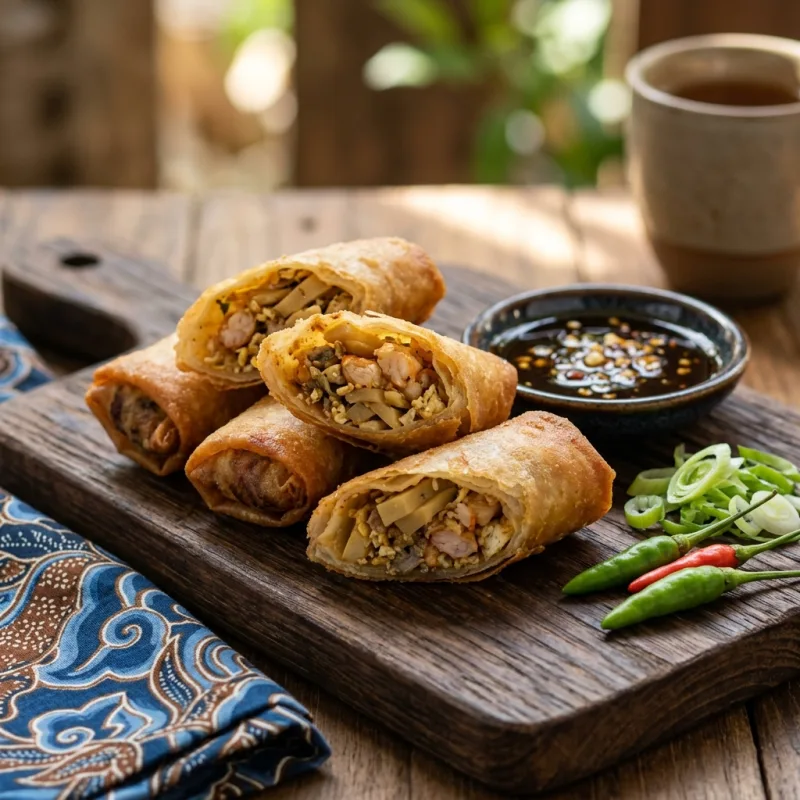
Central Javanese cuisine favors sweet, savory, and aromatic flavor profiles underpinned by palm sugar (gula jawa), garlic, shallots, galangal, and coriander. Iconic provincial specialties include Lunpia Semarang (crispy spring rolls filled with seasoned bamboo shoots, egg, and prawns), Nasi Liwet Solo (fragrant coconut rice served with shredded chicken and chayote stew), and Mangut Beong (spicy freshwater fish simmered in lemongrass-infused coconut milk near Borobudur). Meals are traditionally paired with sweetened iced jasmine tea (Es Teh Manis) or warm herbal tonics known as Jamu.
Golden-brown Lunpia Semarang spring rolls served with dipping sauce and fresh scallions

Must Try Dish

Lunpia Semarang - A beloved regional spring roll packed with savory braised young bamboo shoots, tender chicken, shrimp, and scrambled egg. Served either golden-fried or soft-wrapped with a sweet savory garlic sauce and fresh raw bird's-eye chilies.
Food Experiences Title Icon

Food
Experiences

Discover cooking classes, tastings and local food tours

No food experience found
Maya, the human travel expert at TravelingWiz, offering curated, non-AI expertise

Maya’s Final Checklist for Central Java

Logistics shouldn’t be the focus of your trip—the experience should. I’ve hand-vetted these essential partners to ensure your arrival, stay, and exploration are as smooth as an Athenian breeze.

Where to Stay

From boutique hotels to local apartments—compare thousands of options and find the perfect stay in the best neighborhood.

Air Travel

Getting there should be seamless. Compare the best routes and prices across top airlines to start your journey on the right note.

Local Guides

Connect with experts who know the destination best. Get personalized advice and insider tips to help you plan your perfect trip.

Travel Protection

The “Engineer’s” rule: always have a backup. Secure your trip with a plan that covers every “what if” and unexpected change.

Car Rentals

Explore at your own pace with total freedom. Compare reliable rental options and find the right vehicle for your adventure.

Visa Services

Don’t let paperwork slow you down. Get expert assistance with your application to ensure all your entry documents are in order.

FAQs

Borobudur Temple is officially located in Magelang Regency, which sits within the administrative province of Central Java, even though many travelers visit it via day trips originating from neighboring Yogyakarta.
Yes, but access to the upper temple monument is strictly managed under conservation quotas. Visitors must book specific monument climb tickets in advance and wear provided upanat sandals led by certified local guides.
The most comfortable and reliable transit option is the modern double-track railway operated by PT KAI, which connects Semarang Tawang and Solo Balapan stations in roughly 1 hour and 45 minutes.
Visitors must dress conservatively by covering their shoulders and knees. Many temples and both royal palaces in Solo provide or require sarongs and waist sashes upon entry.

Your Insights Matter

TravelingWiz grows through the stories of our community. If you’ve recently explored ,Central Java share your tips and stories to help us perfect our guides for the next traveler.

Related Articles

Check out our related articles and blog posts to learn even more about the destination.

No related articles found

Don’t Travel Alone

Share with your friends and family

Where should we send your offline card?

We hate spam just as much as you do

newsletter_consent *