Disclosure: This site contains affiliate links. We may earn a commission if you make a purchase, at no extra cost to you.

>
>
>
>
East Java
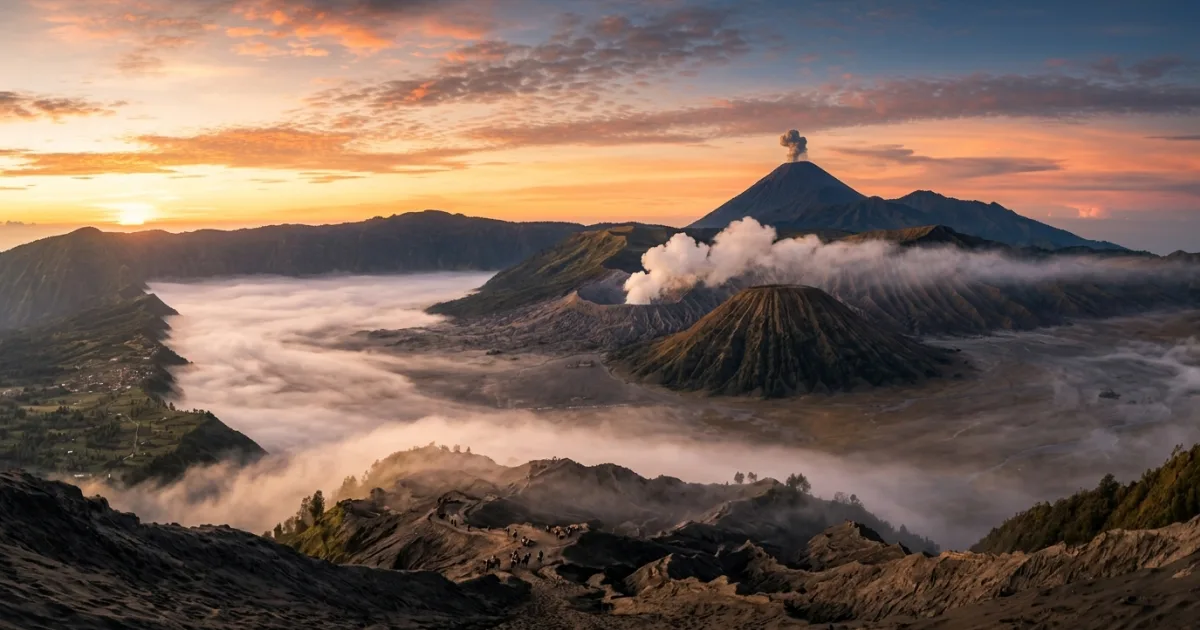
Panoramic sunrise over Mount Bromo and the volcanic caldera in East Java Indonesia

East Java Overview & Key Highlights

East Java encompasses dramatic volcanic topography, ancient Majapahit kingdom ruins, and dense tropical rainforests stretching across the eastern third of Java island. The region is anchored geologically by the active caldera of Mount Bromo and the turquoise acid lake of Mount Ijen, famous worldwide for its rare nocturnal electric-blue sulfuric flames. Beyond the volcanic spine, travelers discover cascading tiered waterfalls like Tumpak Sewu, historic coffee plantations, and the vibrant urban food scene of Surabaya, Indonesia's second-largest metropolis. Exploring East Java involves journeys through contrasting microclimates, shifting rapidly from humid coastal ports to chilly highland ridges where morning temperatures frequently dip near freezing. Traditional Javanese, Madurese, and Tenggerese cultural enclaves coexist across towns and mountain slopes, offering rich culinary traditions and time-honored spiritual rites. Accessible via rail lines and rugged overland routes, East Java serves as an unvarnished frontier for trekkers, photographers, and independent adventurers heading overland toward Bali.

East Java Travel Guide: Logistics & In-Depth Tips

East Java (Jawa Timur) forms the dramatic eastern frontier of Indonesia's most populous island, marked by dramatic geographical contrasts ranging from mist-shrouded volcanic peaks to untouched southern surf beaches. Covering an expanse of over 47,000 square kilometers, the province has played a pivotal role in Indonesian history as the heartland of the 13th-century Majapahit Empire, whose brick temples and hydraulic sanctuaries still dot the plains of Trowulan. Surabaya, the provincial capital, functions as a bustling maritime trade and transit hub, while upland cultural centers like Malang provide cooler respites characterized by leafy Dutch colonial boulevards and colorful arts enclaves.

For global travelers, East Java is celebrated primarily as one of the planet's premier volcano exploration corridors. The vast Tengger Caldera, cradling the smoldering cone of Mount Bromo within an eerie expanse known as the Sea of Sand, presents an otherworldly landscape that draws travelers for sunrise vigils. Further east along the Ijen volcanic complex, miners manually extract bright yellow sulfur deposits beneath the glow of rare blue sulfuric flames beside the world's most acidic crater lake. Packed with thundering jungle cascades like Tumpak Sewu and pristine biodiversity sanctuaries like Baluran National Park, East Java offers an intense, rewarding journey through raw natural splendor.

Reasons to Visit

  • Mount Bromo Caldera: Stand at the rim of an active, rumbling volcanic crater encircled by the surreal, wind-swept Tengger Sea of Sand at daybreak.
  • Electric-Blue Fire of Mount Ijen: Witness one of only two places on Earth where ignited sulfuric gases create midnight neon-blue flames along an acidic crater lake.
  • Tumpak Sewu Waterfall: Gaze upon the 'Thousand Waterfalls', an awe-inspiring semicircular curtain of water plunging into a lush prehistoric jungle canyon.
  • Baluran National Park: Spot wild water buffaloes, peacocks, and Javan deer across sweeping tropical savannas often dubbed 'Little Africa of Java'.
  • Rich Majapahit Heritage: Explore the archaeological remnants, terraced bathing pools, and ornate brick gates of Trowulan, the ancient royal capital of Java's golden age.

Things to Avoid

  • Don't skip protective gas gear at Ijen: Never descend into the Ijen crater without an appropriately rated chemical cartridge respirator, as sudden wind shifts can envelop hikers in hazardous sulfur fumes.
  • Don't enter volcanic craters during heightened alerts: Avoid ignoring ranger barricades or seismic warning flags at Bromo and Semeru, as sudden phreatic eruptions can occur without warning.
  • Don't ride mistreated horses across the Sea of Sand: Decline riding exhausted or poorly cared-for ponies at Bromo; walking across the sand plain is straightforward and ethical.
  • Don't neglect warm layers: Avoid assuming tropical Indonesia is always hot; pre-dawn caldera temperatures regularly plunge toward 0°C (32°F).
  • Don't disrespect local Tenggerese sacred customs: Mount Bromo is a revered sacred site for the Hindu Tengger community; never throw trash into the crater or disturb ceremonial offerings placed along the rim.

Local Transportation Tips

East Java boasts an efficient and comfortable passenger rail network operated by Kereta Api Indonesia (KAI). Executive and business class carriages connect Surabaya with Malang, Probolinggo, and Banyuwangi on punctual schedules with air conditioning and allocated seating. For navigating mountainous routes around Bromo, authorized 4WD Jeeps are standard and necessary to navigate the sandy volcanic terrain. In regional cities like Malang and Surabaya, ride-hailing apps (Grab and Gojek) provide transparent, inexpensive taxi and motorbike transportation, while intercity buses operate frequent routes along the Trans-Java toll expressway.

Travel Etiquette

  • Dress Respectfully: Wear clothing that covers shoulders and knees when visiting villages, religious sites, and rural communities throughout this predominantly Muslim and Hindu enclave region.
  • Use Your Right Hand: Offer payments, hand items, and eat with your right hand, as the left hand is culturally considered unhygienic.
  • Remove Footwear: Always take off your shoes before entering private homes, homestay common quarters, and designated prayer areas.
  • Bargain with Good Humor: Polite, lighthearted negotiations are accepted in traditional craft markets and with private jeep drivers, but avoid aggressive lowballing.

Recommended Age Group

Traveling across East Java involves rugged terrain, early morning departures, and challenging volcanic environments that suit certain demographics far better than others.

  • Babies (0-2 years): Not Recommended. Extreme pre-dawn cold, heavy sulfur fumes at volcanic craters, long overland travel distances, and rough off-road jeep journeys make East Java unsuited for infants.
  • Kids (3-12 years): Neutral. Children with strong physical endurance can enjoy the dramatic viewpoints and safari wildlife in Baluran, but steep crater hikes and midnight trekking schedules prove strenuous for younger children.
  • Teens (13-19 years): Recommended. Teenagers will thrive on the thrilling jeep rides, active volcanic climbs, waterfall canyon scrambles, and rich adventure photography opportunities.
  • Adults (20-64 years): Recommended. The region is ideal for independent travelers, couples, and hiking enthusiasts looking to tackle rewarding treks, scenic photography, and rich local cultural routes.
  • Seniors (65+ years): Neutral. Active seniors in good cardiovascular health can easily enjoy Bromo viewpoints and cultural sights using private 4WD transport; however, the steep, rocky ascents of Ijen and Tumpak Sewu present considerable physical barriers.

Accessibility Level: Medium

  • Caldera Viewpoints: Certain sunrise viewpoints along Mount Bromo's outer rim (such as King Kong Hill and Seruni Point) have paved observation plazas reachable by 4x4 vehicles, though final step sections lack ramps.
  • Crater Hikes: The descent into Mount Ijen crater and the trail descending to the base of Tumpak Sewu consist of loose scree, dirt ruts, and steep bamboo ladders that are entirely inaccessible to wheelchair users.
  • Urban Transit: Major train stations like Surabaya Gubeng and Malang Kotabaru feature ramp access and dedicated personnel assistance, though city footpaths remain uneven and intermittent.
  • Vehicle Hire: Accessible private vans with dedicated drivers can be chartered from Surabaya for travelers with limited mobility who prefer scenic panoramic sightseeing from paved vantage points.

Did You Know?

Mount Ijen's crater lake holds approximately 36 million cubic meters of intensely acidic water with a pH close to 0.5—comparable to the strength of battery acid—making it the largest highly acidic crater lake anywhere on the planet.

Cool Statistics

  • 3,676 Meters: The altitude of Mount Semeru (Mahameru), the highest peak on the island of Java, situated within Bromo Tengger Semeru National Park.
  • 0.5 pH: The extreme acidity level measured in Mount Ijen's turquoise turquoise crater reservoir.
  • 13th Century: The historical era during which the Majapahit Empire unified maritime Southeast Asia from its seat of power in East Java.
  • 47,800 km²: The total geographical surface area encompassed by the East Java province.

Address:

East Java, Indonesia

Find Nearby Accommodations

Basic Info

address icon

COUNTRY & Region

Indonesia,
Asia

ACCESSIBILITY LEVEL​

Medium
Currency icon

LOCAL CURRENCY​

Indonesian Rupiah (IDR)
Price level icon
Low
Safety Level icon

SAFETY LEVEL

Duration icon

Recommended Duration

• 1-7 days
• More than a week

Electricity

electricity icon

Electricity

220-240V, 
50Hz
Plug Socket icon

Plug Type

• Type C (Round pin)
• Type F (Two round pins with earth clips)
Plug types
Click To View Plug Types
East Java is part of our
Coolcation collection

Activities To Do In East Java

Best Time To Visit East Java

East Java experiences a tropical monsoon climate characterized by a clear dry season and a warm, wet monsoon season. Mountain trekking conditions depend heavily on these seasonal cycles.

  • Dry Season (May to September): Prime period for hiking Mount Bromo, Ijen, and Mount Semeru, featuring clear night skies, minimal rainfall, and unobstructed sunrise panoramas. Mountain trails remain solid and less prone to mudslides.
  • Shoulder Season (April and October): Favorable travel conditions with fewer tourist crowds, lush green valleys, and manageable occasional afternoon showers.
  • Rainy Season (November to March): Heavy downpours lead to hazardous trail conditions, occasional trail closures around active craters, and cloud cover obscuring caldera vistas; however, lowland waterfalls flow at maximum volume.

Average Temperatures Per Month

Remember to check the weather forecast a few days before the trip and before heading to the airport.

Safety Level icon

Safety Level

East Java maintains a low rate of violent crime and a welcoming population, but natural hazards require strict vigilance. Sulfur dioxide emissions at Mount Ijen can reach toxic levels; heed ranger warnings and strictly use fitted gas masks when descending near the crater floor. Loose volcanic scree on Mount Bromo and slippery bamboo ladders at Tumpak Sewu demand solid footwork and alert physical awareness. In crowded transit stations such as Surabaya Gubeng, keep your luggage zipped and valuables concealed against pickpockets. Drink only sealed bottled or purified water, avoiding raw ice in rural stalls to prevent traveler stomach distress.

The rating is based on multi-year peace, crime, and security indices. Before you go, always verify current conditions through official government travel advisories.

Emergency Numbers

Police: 110
Ambulance: 118

No internet needed • Includes local translations • Free for TravelingWiz readers

Spoken Languages

Indonesian (Bahasa Indonesia) is the universal official language; Javanese and Madurese are widely spoken in daily regional life; basic English is common among tourism operators, guides, and urban hotels.

Learn The Language

  • Halo – Hello
  • Tolong – Please / Help
  • Terima kasih – Thank you
  • Sama-sama – You are welcome
  • Berapa harganya? – How much is this?
  • Di mana toilet? – Where is the restroom?
  • Permisi – Excuse me
  • Ya / Tidak – Yes / No
Travel Booking Partner - TravelingWiz

Trip Cost & Budgeting for East Java, 2026

Everything you need to know about money while traveling
Is East Java expensive for tourists in 2026? Not at all, as it remains one of the most budget-friendly destinations in Southeast Asia with Human Verified prices. For daily spending, expect to pay around Rp 28,000 for a cappuccino, Rp 40,000 for a domestic beer, and Rp 100,000 for a mid-range restaurant meal. Use the data table below to calculate your specific daily budget based on your travel style.
Currency icon

LOCAL CURRENCY​:

Indonesian Rupiah (IDR)
Price level icon
Low
Major hotels and malls accept credit cards, but cash is essential for local warungs, markets, and regional transport.

Per person, per day – pocket cash for small purchases.

Local: 85000
Indonesian Rupiah (IDR)
≈ 5 USD

Full daily spend estimation (accommodation, food, transportation, attractions).

Travel Style
Indonesian Rupiah (IDR)
≈ USD ($)
Budget
467500
26
Mid-range
850000
48
Comfort
1870000
105

The Prices, Daily costs, and calculator results are estimates for planning purposes only. Actual costs may vary based on season, booking timing, personal spending habits, and currency fluctuations. TravelingWiz cannot be held responsible for discrepancies between these estimates and your final trip expenses.

  • • Take direct trains between Surabaya, Malang, and Probolinggo instead of hiring expensive private drivers.
  • • Dine at local warungs and night markets for authentic regional dishes like rawon at low prices.
  • • Use ride-hailing apps like Gojek or Grab for upfront, affordable fares on scooter and car trips.
  • • Book Mount Bromo or Ijen tours through local homestays in Malang or Banyuwangi rather than pricey online agencies.

Pre-Order Tickets

Avoid disappointment when tickets sell out — and skip the long lines by booking online in advance. You’ll often save up to 20% too.
Save up to 20%

Travel Discounts & Coupons

Save on hotels, attractions, transport, and gear — find verified discounts for smarter travel spending.
Verified Coupons

What To Pack

  • Warm thermal layers, fleece jacket, and windproof outer shell for freezing pre-dawn volcanic ascents
  • Sturdy, broken-in hiking boots with aggressive tread for loose volcanic scree and damp jungle trails
  • Respirator mask rated N95 or gas mask with chemical acid gas cartridges for Mount Ijen sulfur fumes
  • Reliable headlamp with extra batteries for midnight crater climbs
  • Compact microfibre towel and waterproof dry bag for waterfall canyon trekking
  • Lightweight, modest clothing covering shoulders and knees when visiting villages, temples, and mosques
  • Slip-on sandals or water shoes for wading riverbeds near Tumpak Sewu
  • High-SPF sunscreen and polarized sunglasses for glaring volcanic ash flats
  • Universal power adapter compatible with Type C and F two-pin sockets
  • Cash reserves in small denominations for rural toll gates, local porters, and roadside warungs
We couldn't find tips for East Java.
If you got any, please share

Recommended Itineraries for Traveling to East Java

We couldn't find itineraries for East Java.
you can contact us for custom trip plan

Food & Drink Highlights

Local Food Overview

East Java cuisine is renowned across the Indonesian archipelago for its rich, earthy flavors, liberal use of aromatic garlic, shallots, fermented shrimp paste (petis), and distinctive dark keluak nuts. Unlike the sweeter culinary profiles of Central Java, East Javanese dishes favor savory depth and fiery sambal condiments. Signature dishes feature slow-cooked beef stews, crispy duck, and vegetable salads tossed in pungent, rich dressings.
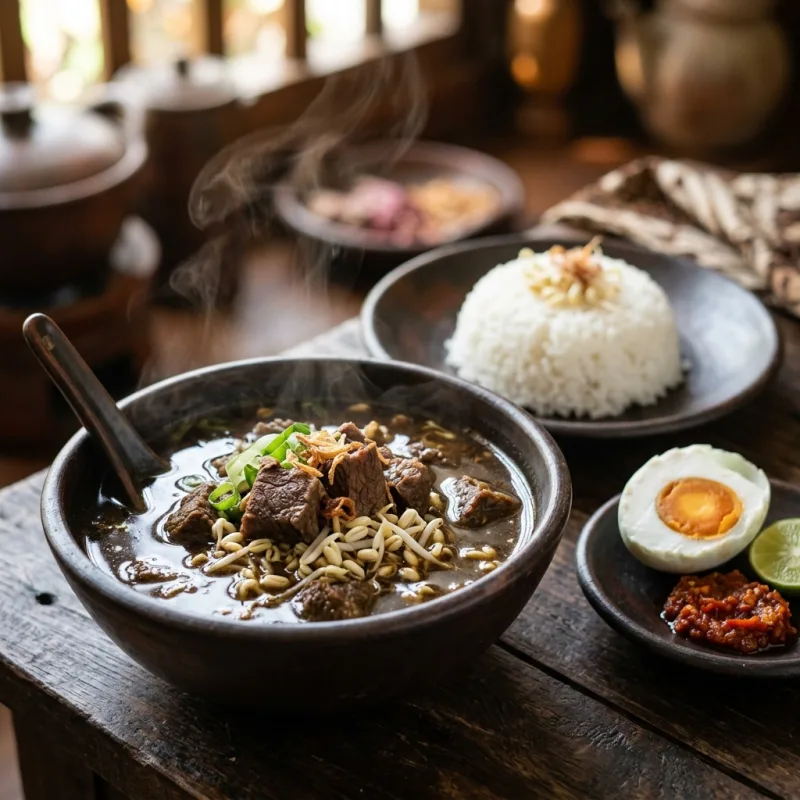
Authentic East Javanese Rawon black beef soup served with salted duck egg and rice

Must Try Dish

Rawon - A deeply aromatic East Javanese black beef soup slow-simmered with crushed keluak nuts, lemongrass, and galangal. The dish is traditionally served over steaming jasmine rice alongside salted duck egg, bean sprouts, and spicy sambal terasi.
Food Experiences Title Icon

Food
Experiences

Discover cooking classes, tastings and local food tours

No food experience found
Maya, the human travel expert at TravelingWiz, offering curated, non-AI expertise

Maya’s Final Checklist for East Java

Logistics shouldn’t be the focus of your trip—the experience should. I’ve hand-vetted these essential partners to ensure your arrival, stay, and exploration are as smooth as an Athenian breeze.

Where to Stay

From boutique hotels to local apartments—compare thousands of options and find the perfect stay in the best neighborhood.

Air Travel

Getting there should be seamless. Compare the best routes and prices across top airlines to start your journey on the right note.

Local Guides

Connect with experts who know the destination best. Get personalized advice and insider tips to help you plan your perfect trip.

Travel Protection

The “Engineer’s” rule: always have a backup. Secure your trip with a plan that covers every “what if” and unexpected change.

Car Rentals

Explore at your own pace with total freedom. Compare reliable rental options and find the right vehicle for your adventure.

Visa Services

Don’t let paperwork slow you down. Get expert assistance with your application to ensure all your entry documents are in order.

FAQs

Travelers typically take the train from Surabaya or Yogyakarta to Probolinggo or Malang for Mount Bromo, then continue by executive train to Banyuwangi (Ketapang station) for Mount Ijen. Alternatively, organized overland 3-day adventure tours operate between Surabaya and Bali.
The electric-blue fire is visible in total darkness inside the crater year-round, provided the crater trail is open and sulfur smoke permits safe descent. Viewing requires beginning the trek around 1:00 AM to reach the crater floor well before sunrise.
Yes, provided you monitor official alerts from the Indonesian Center for Volcanology and Geological Hazard Mitigation (PVMBG). Active volcanoes like Bromo and Ijen are closely monitored, and park authorities temporarily close trails if seismic activity or gas output exceeds safe thresholds.
While reaching the upper panoramic viewing deck does not strictly require a guide, descending the steep ravine and wading through riverbed currents to the canyon floor is much safer with an experienced local guide who knows safe footholds.
Dress modestly in loose, breathable garments covering your knees and shoulders when passing through rural villages and towns. For mountain ascents at Bromo and Ijen, pack thermal layers, a windbreaker, and long pants, as pre-dawn temperatures often hover between 0 and 10 degrees Celsius.

Your Insights Matter

TravelingWiz grows through the stories of our community. If you’ve recently explored ,East Java share your tips and stories to help us perfect our guides for the next traveler.

Related Articles

Check out our related articles and blog posts to learn even more about the destination.

No related articles found

Don’t Travel Alone

Share with your friends and family

Where should we send your offline card?

We hate spam just as much as you do

newsletter_consent *